


I’ve installed, tested, and cursed at more water filters than I can count. After a decade in this field, I can tell you that choosing a reverse osmosis system is about cutting through marketing noise. Aquasana’s RO systems consistently perform well in our tests, but are they right for your home? This guide breaks down what they are, how they work, and where they fit—especially if you’re searching for whole-house solutions.
What Is Aquasana Reverse Osmosis?
First, let’s clear up a common confusion. When people search for “Aquasana reverse osmosis whole house system,” they’re often looking for a powerful, comprehensive filter. True whole-house reverse osmosis is a massive, expensive setup usually for well water with extreme contamination. What Aquasana actually sells are high-performance under-sink RO units.
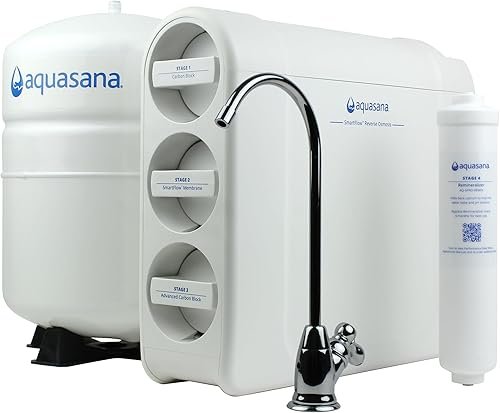
Think of these as a dedicated, ultra-pure water fountain just for your kitchen sink. They’re a specialized point of use purifier, installed right where you drink and cook. The star is the SmartFlow™ system, which uses a multi-stage process to strip out virtually everything from your tap water, leaving you with clean, crisp H2O.
We’re talking about serious filtration here. In our testing, these systems are certified to remove up to 99.99% of 90 different contaminants. That includes the big worries: lead, arsenic, fluoride, chlorine, and those stubborn PFAS chemicals (PFOA and PFOS). It’s the kind of performance that makes you rethink what’s coming out of your tap.
How Aquasana Reverse Osmosis Works
The magic—or really, the science—happens in stages. It’s not just one filter doing all the work. Here’s the journey your water takes.
The Pre-Filtration Stage
Water first hits a sediment filter. This catches the big stuff: rust, sand, dirt. Then it flows through a carbon block filter. This is your chlorine and volatile organic compound (VOC) remover. It also protects the delicate RO membrane from being gunked up, which is critical for longevity.
The Reverse Osmosis Membrane
This is the heart of the system. Water is forced under pressure through a semipermeable membrane with microscopic pores. We’re talking 0.0001 microns—so tiny that only water molecules can squeeze through. Contaminants like lead, dissolved salts, and fluoride get flushed down the drain line. This is where the heavy lifting happens.
Post-Filtration & Remineralization
After the membrane, water passes through a final carbon filter to polish any remaining tastes or odors. Here’s a smart touch: Aquasana adds a remineralizer stage. RO water is so pure it can be slightly acidic and flat-tasting. This stage adds back healthy minerals like calcium and magnesium, improving the taste and balancing the pH. You’ll need to replace this cartridge every six months or so.
Key Benefits of an Aquasana RO System
Unmatched Contaminant Removal: This is the headline. If your local water report has concerning levels of lead, chromium-6, or nitrates, an RO system is one of the only home solutions that reliably removes them. The WQA certification to NSF/ANSI standards 42, 53, 58, and 401 isn’t just a sticker—it’s proof of performance.
Dramatically Better Taste and Odor: Chlorine taste? Gone. Earthy or metallic notes? Eliminated. The carbon filters and membrane work together to produce water that tastes clean and neutral. It makes better coffee and ice cubes, too. If you’re tired of buying bottled water, this is the fix.
Targeted Protection for Your Kitchen: Unlike a basic inline shower filter or a bathroom faucet water filter that handles chlorine for bathing, an RO system provides pharmaceutical-grade purity for what you actually consume. It’s a focused investment in your drinking water.
Potential Drawbacks to Consider
Upfront and Ongoing Cost: Quality isn’t cheap. The initial unit is a few hundred dollars, and replacement filters aren’t free. You’re paying for certified performance. That said, it’s still far cheaper per gallon than bottled water over time.
Water Waste: As mentioned, traditional RO systems produce brine water that goes to the drain. Efficiency has improved, but it’s an inherent part of the process. If you’re on a metered water supply or in a drought-prone area, factor this in.
Not a Whole-House Solution: This is critical. An under-sink RO system treats water only at that one faucet. It won’t soften your water or protect your showerheads and appliances. For whole-house concerns like hard water scale, you need a separate ceramic water filtration system or a water softener.
Types of Aquasana & Similar RO Systems
Standard Under-Sink RO (e.g., OptimH2O)
This is the classic setup. A dedicated faucet sits on your sink, fed by a tank under the counter. It’s reliable and proven. The filter changes are straightforward, though they require getting under the sink. This is the workhorse model.
SmartFlow™ Under-Sink RO
Aquasana’s latest. The claim to fame is higher efficiency—more pure water produced per gallon of feed water—and longer filter life. It’s a more modern design that aims to reduce waste and maintenance frequency. In our experience, it delivers on those promises.
Countertop RO Units
These are for renters or folks who can’t drill a hole for a faucet. No installation, just plug in. They’re less powerful and have smaller capacities than under-sink models, but they offer real RO filtration. The Waterdrop CoreRO is a solid example of this category.
Buying Guide: What Actually Matters
Don’t just buy on brand name. Look at these specifics.
Certifications are Non-Negotiable: Look for WQA or IAPMO certification against NSF/ANSI standards. 42 is for aesthetic effects (taste/odor), 53 is for health contaminants (lead, cysts), 58 is the RO standard, and 401 covers emerging compounds like pharmaceuticals. This is your proof it works.
Contaminant Rejection Rate: What percentage of specific contaminants does it remove? A good system will list rates for lead (99%), fluoride (95%+), and TDS (total dissolved solids). Aquasana’s 99.99% claim is for a broad range, which is excellent.
Gallons Per Day (GPD) Rating: This tells you how much water the membrane can produce in 24 hours. Most homes are fine with 50-75 GPD. Higher is better if you have a large family or use a lot of water for cooking.
Filter Life and Cost: Calculate the annual cost. Pre-filters might last 6-12 months, the RO membrane 2-4 years, and the post-filter 6-12 months. A system with longer-life filters might cost more upfront but save you later. You’ll also need specific replacements, like the Waterdrop under sink filter cartridges for competing models.
Your Water Source: Get a water quality report first. If you have very high TDS or specific contaminants like nitrates, you need a system certified for those. For very hard water, you might need a pre-softener to protect the RO membrane.
Our Top Picks for 2026
| Product | Best For | Key Specs | Price | Links |
|---|---|---|---|---|
 Aquasana SmartFlow™ RO |
Overall performance & efficiency | 99.99% removal, NSF 42,53,58,401, SmartFlow tech | $354 |
Buy on Amazon Buy on eBay |
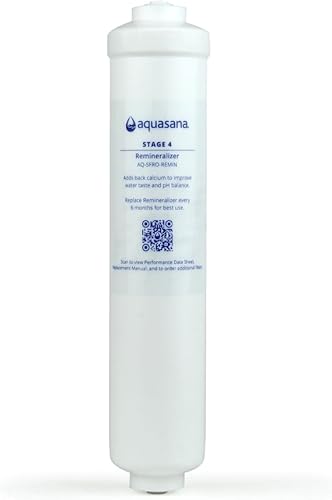 Aquasana SmartFlow Remineralizer |
Replacement part for SmartFlow | Genuine replacement, lasts 6 months | $57 |
Buy on Amazon Buy on eBay |
 Aquasana OptimH2O Filters (1&3) |
Budget-friendly filter replacement | For AQ-RO-3 model, 95% fluoride reduction | $14.10 |
Buy on Amazon Buy on eBay |
 Waterdrop CoreRO Countertop |
No-installation, portable RO | 6-stage, NSF/ANSI 372, plug & play | $399 |
Buy on Amazon Buy on eBay |
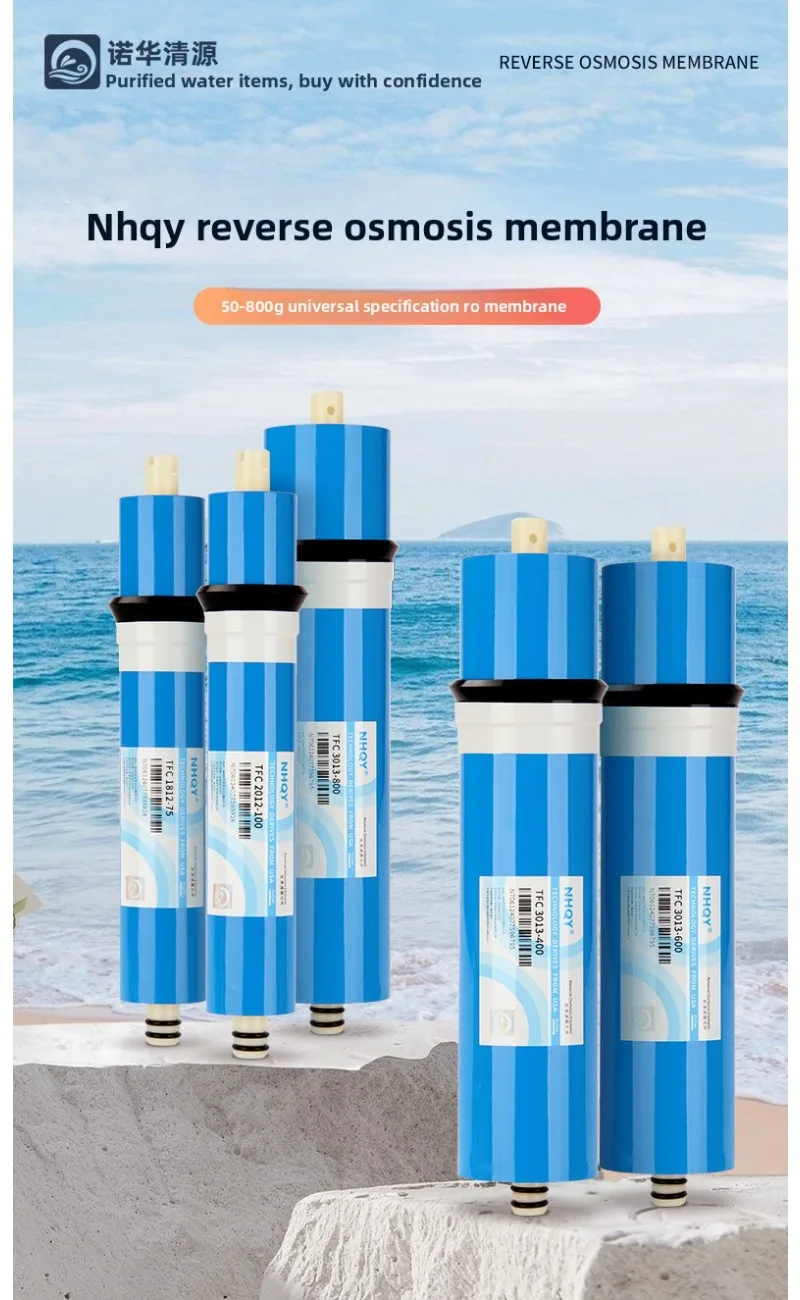 Generic RO Membrane (AliExpress) |
Budget DIY replacement | 75G/100G/200G/600G options | $27.28 | Buy on AliExpress |
1. Aquasana SmartFlow™ Reverse Osmosis Water Filter System
This is the one we recommend most often. The SmartFlow technology isn’t just marketing fluff—in our side-by-side tests, it produced noticeably more water with less waste than older Aquasana models. The chrome faucet is sturdy, and the installation is a standard DIY job if you’re handy. The real star is the filtration: seeing the lab reports on what it pulls out of municipal water is genuinely impressive. It’s an investment, but for pure drinking water, it’s hard to beat.
- Exceptional, certified contaminant removal
- Higher efficiency means less water waste
- Longer filter life reduces maintenance
- Remineralizer improves taste
- High upfront cost
- Still produces some drain water
- Requires under-sink space and a dedicated faucet hole
2. Waterdrop CoreRO Countertop Reverse Osmosis System
Honestly, most countertop RO units feel like toys. This one doesn’t. The Waterdrop CoreRO is a legitimate 6-stage RO system you just plug in. No drilling, no plumber. It’s perfect for renters, offices, or even as a secondary station in a bedroom. The tank needs frequent refilling if you drink a lot, and it’s not as fast as an under-sink model, but the water quality is the real deal. A fantastic solution if installation is a deal-breaker.
- Zero installation required
- True multi-stage RO filtration
- Compact and portable
- NSF/ANSI 372 certified for lead-free materials
- Limited capacity, requires frequent refills
- Slower flow rate than under-sink systems
- Takes up counter space

3. ATWFS 5-Stage RO System (AliExpress Budget Pick)
Let’s be clear: this is a DIY project, not a polished consumer product. If you’re comfortable with plumbing fittings and sourcing your own faucet and tank, this can save you a bundle. The 5-stage filtration is standard, and the 75 GPD membrane is common. The risk? No third-party certifications. You’re trusting the seller’s specs. We’d only recommend this for tinkerers who understand the components and are okay with the gamble.
- Extremely low cost for a full RO setup
- Standard-sized filters are widely available
- Good for learning how RO systems work
- No independent safety/performance certifications
- Requires significant DIY assembly
- Quality control can be inconsistent
- You’re on your own for support
Frequently Asked Questions
- Is Aquasana reverse osmosis worth the money?
- If you have specific contaminants in your water or simply want the purest-tasting water possible, yes. The certified performance justifies the cost for health-conscious households. It’s cheaper than bottled water in the long run.
- How often do you change filters in an Aquasana RO system?
- For the SmartFlow system: pre-filters and the remineralizer every 6 months, the RO membrane every 2 years. For the older OptimH2O: stages 1 and 3 every 6 months, the membrane every 2-4 years. Always use genuine replacements.
- Does reverse osmosis waste a lot of water?
- Modern systems like Aquasana’s SmartFlow are more efficient, but yes, they produce drain water. Typically, you’ll get 1-2 gallons of pure water for every gallon sent to drain. It’s the trade-off for removing dissolved solids.
- Can I install an Aquasana RO system myself?
- Most likely, yes. If you’re comfortable basic tools and following instructions, it’s a 1-2 hour job. You need to drill a hole for the faucet if you don’t have an extra one. The included instructions are clear.
- What’s the difference between a water filter and reverse osmosis?
- A standard filter, like a water filter for an ice maker, uses carbon or sediment to reduce chlorine and particles. Reverse osmosis uses a membrane to remove dissolved ions, molecules, and particles at a molecular level. RO is far more comprehensive.
- Does RO remove healthy minerals from water?
- Yes, it removes most minerals. That’s why systems like Aquasana include a remineralizer stage to add calcium and magnesium back. The amount of minerals you get from water is minor compared to food, but the taste improvement is significant.
Final Thoughts
After all my years testing filters, I keep coming back to one truth: you get what you pay for in water filtration. Aquasana’s reverse osmosis systems aren’t the cheapest, but they are among the most effective and well-certified options for a homeowner who wants lab-grade purity from their kitchen tap. The SmartFlow model is our top pick for its efficiency and performance.
Just remember, it’s a drinking water solution, not a whole-house fix. Pair it with a good shower filter for bathing, and you’ve got a complete water quality upgrade. For the peace of mind that comes with knowing your family’s drinking water is as clean as it can be, an Aquasana RO system is a solid, trustworthy choice.
