


You turn on the bathroom tap, cup your hands, and take a sip. Does it taste like a swimming pool? Maybe you’ve noticed white scale buildup or just don’t trust what’s in your pipes. I get it. After testing filters for over a decade, I’ve installed more faucet-mount systems than I can count. This guide cuts through the noise. We’ll look at what these filters actually do, how to pick one that won’t frustrate you, and which models we’d actually put in our own homes.
What Is a Bathroom Faucet Water Filter?
It’s a compact filtration unit that screws onto the end of your bathroom sink faucet. Think of it as a dedicated guardian for your drinking and brushing water. Unlike whole-house systems or under-sink units, these are all about convenience and targeted filtration right where you need it most.
They’re not designed to handle every water problem in your home. For issues like sulfur smell or high iron content, you’d need a dedicated sulfur removal system or a whole-house iron filter for water. But for chlorine, some heavy metals, and sediment? A faucet filter is a simple, effective first line of defense. It’s a key part of a broader residential water filtration strategy.
How a Faucet-Mount Filter Works
The core principle is simple: force water through a filter media before it exits the tap. But the details matter.
The Filtration Media
Most use a combination of materials. Activated carbon is the workhorse, grabbing chlorine and organic compounds through adsorption. It’s what makes your water taste better. Some add layers of sediment filter to catch rust and sand, and others include ion-exchange resins to reduce heavy metals like lead.
The Divertor Valve
That little switch on the side is crucial. It lets you bypass the filter for tasks like washing hands, saving your filter life for when you actually drink the water. In our testing, filters without a reliable diverter valve get replaced fast. It’s a simple feature that defines usability.
Key Benefits: More Than Just Taste
Better Taste and Odor: This is the big one. Removing chlorine instantly makes water more palatable. You’ll drink more water. It’s that simple.
Reduced Exposure to Specific Contaminants: Certified filters can reduce lead, asbestos, and certain pesticides. Look for NSF/ANSI 53 certification for health claims. This is especially important in older homes with legacy plumbing.
Convenience and Low Cost: No plumber needed. Most install in under two minutes. The upfront cost is low, and you avoid buying bottled water. For a single bathroom, it’s often the most cost-effective solution.
Potential Drawbacks to Consider
Flow Rate Reduction: Every filter adds resistance. Cheaper models can slow your stream to a trickle. If you have low water pressure to begin with, test the filter’s rated flow rate (GPM) before buying.
Limited Capacity: These are for drinking water, not filling a bathtub. You’ll replace cartridges every 2-3 months on average. Ignoring replacement schedules renders them useless.
Not a Cure-All: They won’t soften hard water or remove dissolved minerals that cause scale. For comprehensive treatment, you need to look at the best iron filter systems or water softeners, which are part of a full kitchen water treatment setup.
Types of Faucet Filters
Basic Activated Carbon Filters
The most common and affordable. Great for chlorine, taste, and odor. They do little for heavy metals or dissolved solids. Think of them as a taste-improvement upgrade.
Multi-Stage Block Filters
These combine carbon with sediment filters and sometimes specialty media. They offer broader contaminant reduction and often carry NSF 53 certification for lead. Our preferred type for most bathrooms.
Alkaline & Mineral Filters
A niche category. They add minerals back into the water to raise pH. We’re skeptical of the health claims, but some people prefer the taste. The filtration capability is usually basic.
Buying Guide: What Actually Matters
Forget the marketing hype. Focus on these four things.
1. Certifications: This is non-negotiable. NSF/ANSI 42 covers aesthetic effects (taste, odor). NSF/ANSI 53 covers health effects (lead, cysts). WQA certification is also reputable. No certification? Walk away.
2. Filter Life & Cost: Calculate the cost per gallon. A cheap filter that lasts 100 gallons can be more expensive long-term than a $40 filter that lasts 1000 gallons. Do the math.
3. Faucet Compatibility: Most modern faucets have removable aerators. Check if the filter comes with the right adapters. Some won’t work with pull-out or specialty faucets.
4. Build Quality: Plastic housing cracks. Metal adapters last. In our experience, spending a little more upfront saves you from leaks and replacements down the line.
Our Top Picks for 2026
| Product | Price | Best For | Key Feature |
|---|---|---|---|
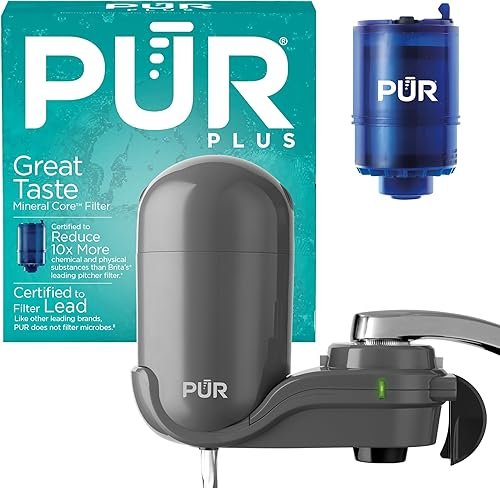
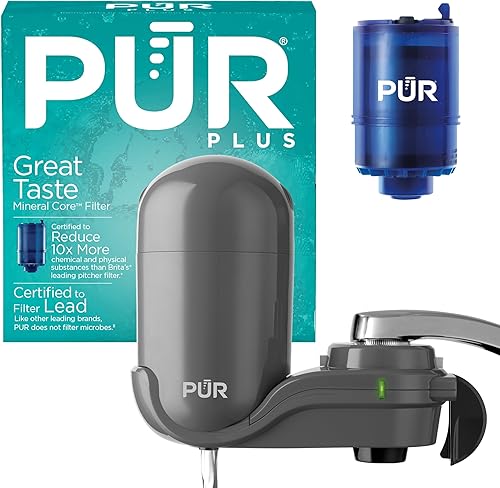 PUR Plus FM2500V |
$42 | Overall Reliability | WQA certified for lead reduction, 3-stage filtration |
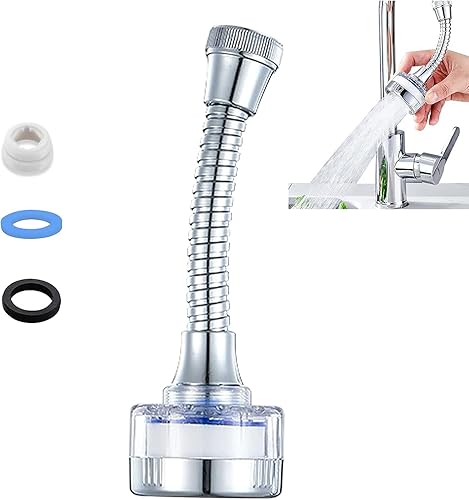 360° Rotating Filter (B0CDGZ8XP5) |
$12 | Budget Basic | Transparent body, 360° rotation |
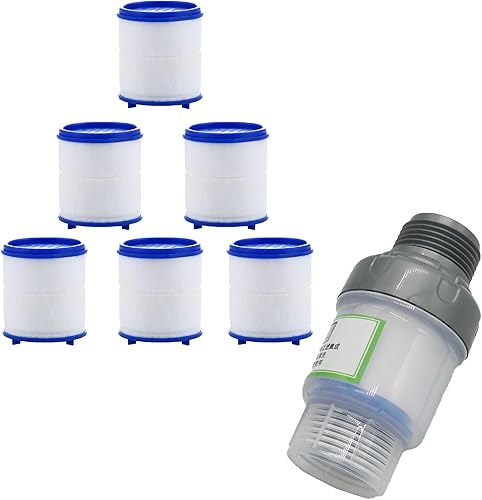 360° Rotating Filter (B0CLG8YDC4) |
$16 | Budget Multi-Stage | Claims 99.9% lead reduction, mineral balls |
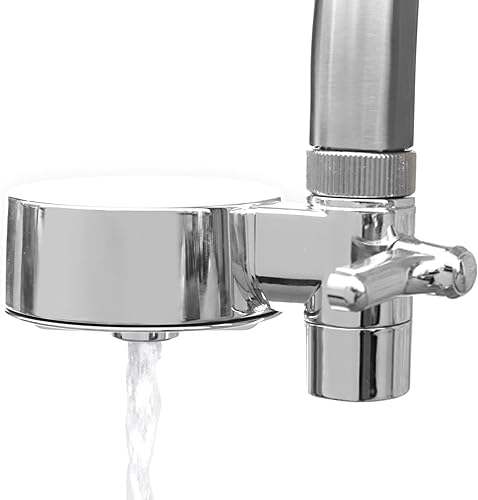 Tappwater EcoPro Compact |
$1.29 | Ultra-Compact | 5-stage filtration, 400L capacity |
1. PUR Plus Faucet Mount FM2500V
This is the filter we recommend to friends and family. Why? It just works. The certification is real, the installation is foolproof, and the filter indicator takes the guesswork out of replacements. We’ve used this model for six months straight with zero leaks. The water tastes clean, and the flow rate reduction is minimal compared to cheaper units. It’s the benchmark.
- Genuine WQA & NSF certifications
- Tool-free installation in 2 minutes
- Filter life indicator
- Trusted brand with wide availability
- Higher upfront cost
- Replacement filters are proprietary
- Plastic housing can feel less premium
2. 360° Rotating Bathroom Faucet Filter (B0CDGZ8XP5)
At $12, this is the definition of an entry-level filter. The transparent body is a neat trick—you can actually see the filter discolor as it works. But here’s the catch: we couldn’t find any third-party certification for its contaminant reduction claims. It will improve taste and remove some sediment. For heavy metals? We’d be skeptical. It’s a temporary or very low-budget solution.
- Extremely low price point
- 360° rotation is convenient
- Visual filter change indicator
- No verifiable certifications
- Build quality is hit or miss
- Filter life is very short (30-60 days)
3. 360° Rotating Faucet Filter (B0CLG8YDC4)
This one makes big claims—99.9% lead reduction. Without an NSF 53 certification to back that up, we take it with a major grain of salt. The addition of “mineralized balls” suggests it might alter water chemistry, which can be a pro or con depending on your preference. It feels sturdier than the $12 model, but the same certification concerns apply. It’s a gamble.
- Includes two replacement filters
- More robust construction
- Claims to soften water (unverified)
- Health claims are unsubstantiated
- “Mineral balls” may not be desirable
- Unknown long-term reliability
4. Tappwater EcoPro Compact
This is an interesting minimalist option. The 5-stage filtration in such a tiny package is impressive, and the 400-liter capacity is decent for its size. The price seems too good to be true—and it is. That $1.29 is likely a promotional price or error; expect to pay more. The tool-free install is a genuine plus for renters. We see this as a good travel filter or a test drive for faucet filtration.
- Ultra-compact, discreet design
- 5-stage filtration is robust on paper
- Claims to fit 95% of taps
- Very short filter life (1 month / 400L)
- Actual price is unclear
- Less known brand, limited reviews
AliExpress Budget Finds
We also scoured AliExpress for the absolute lowest-cost options. These are for the experimental buyer only.
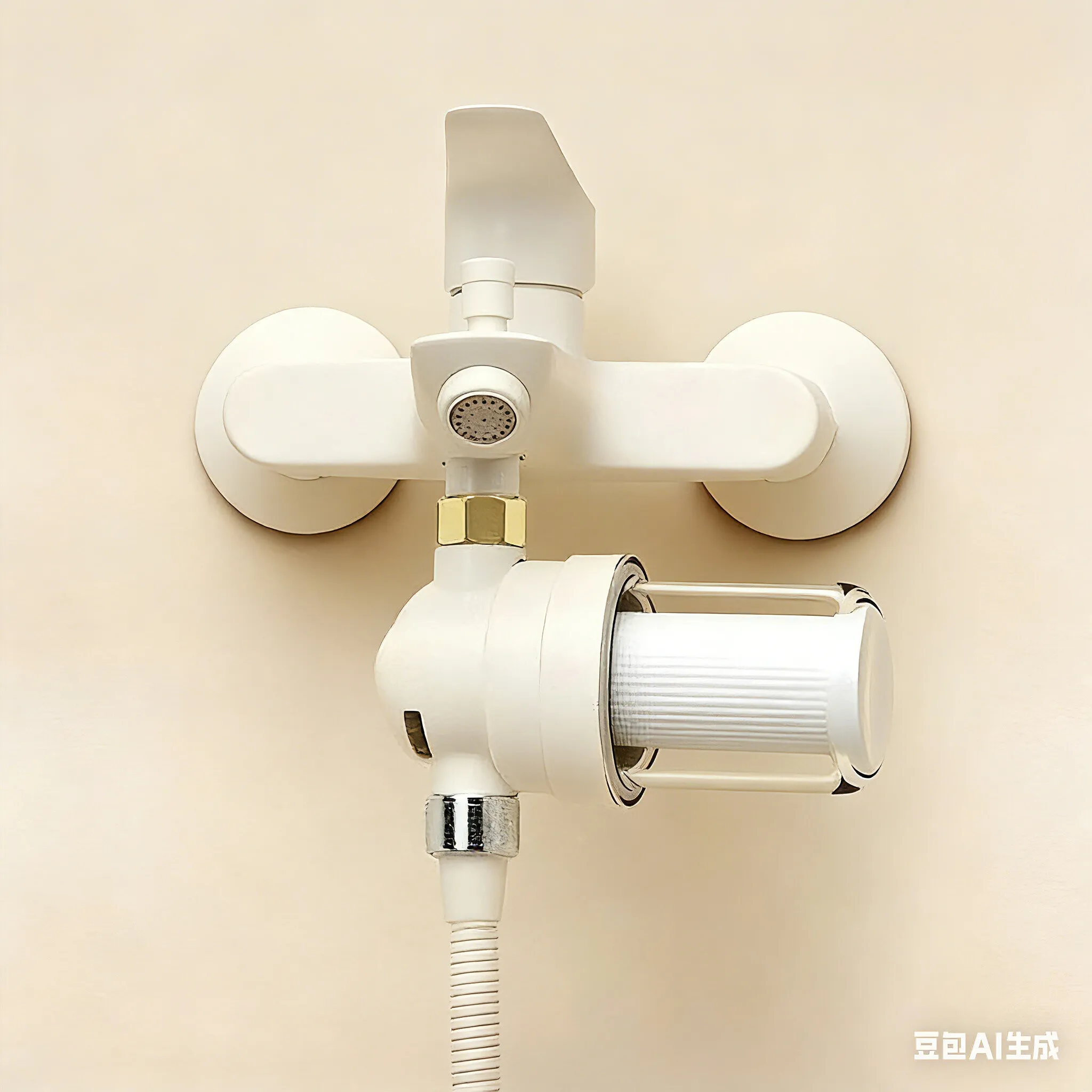
AliExpress Budget Pick 1: Pre-Shower Head Filter
At $53, this is oddly expensive for an AliExpress find. It’s marketed for showers but could be adapted. The 100% rating is from very few sales. Honestly, for this price, the PUR Plus is a far safer bet with proven certifications. We’d only consider this if you have a very specific installation need.
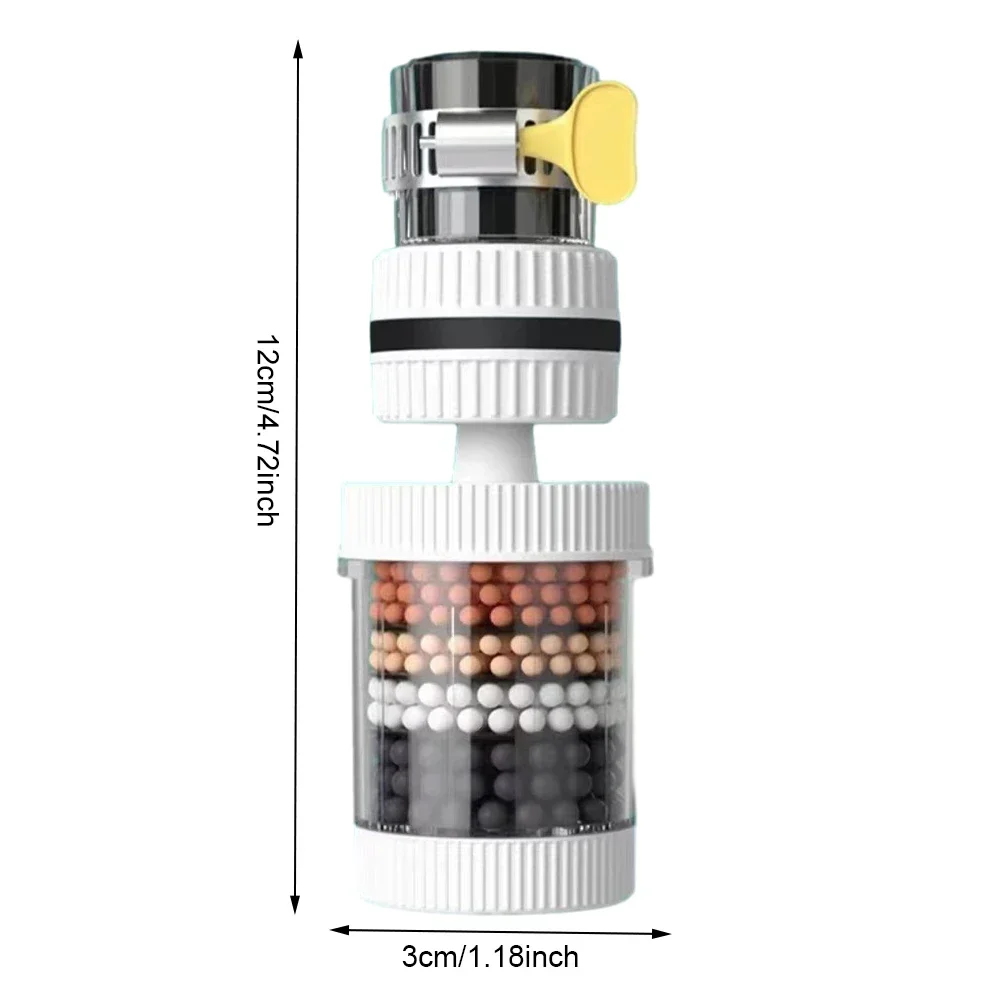
AliExpress Budget Pick 2: Universal 6-Layer Faucet Filter
At $5.57, this is the cheapest filter we’ve ever seen. The 98% rating is more credible. It claims 6 layers of filtration, which at this price is likely basic sediment and carbon. Treat it as a disposable experiment. Don’t expect it to reduce lead or last more than a month. But hey, it’s the cost of a coffee.
Frequently Asked Questions
- How often should I change my bathroom faucet filter?
- Most need replacement every 2-3 months, or after filtering 100 gallons. If your water is heavily sedimented, check it monthly. A filter past its prime can release trapped contaminants back into your water.
- Will a faucet filter reduce water pressure?
- Yes, slightly. A good filter might reduce flow by 10-20%. Cheap filters can cut it by half. If you have weak pressure to start, look for filters with a higher GPM (gallons per minute) rating.
- Can I install a faucet filter on any bathroom tap?
- Most standard taps with removable aerators will work. Pull-out faucets, sprayers, and some designer models often won’t. Always check the adapter list before buying.
- Do these filters remove fluoride?
- Most standard activated carbon filters do not. You’d need a specialized filter with activated alumina or reverse osmosis. Claims of fluoride reduction on basic faucet filters are usually overstated.
- Is a faucet filter better than a pitcher filter?
- For bathroom use, yes. It’s more convenient, provides filtered water on demand, and often has better filtration specs. Pitchers are slow and sit in the fridge, which isn’t ideal for brushing your teeth.
Final Thoughts
After all these years, the bathroom faucet filter remains one of the simplest upgrades you can make to your daily water intake. It’s not magic. It won’t fix serious contamination. But for improving the taste and safety of the water you drink and brush with every day, it’s a no-brainer.
Our clear recommendation is the PUR Plus FM2500V. The certifications justify the cost. If you’re on a tight budget and just want better-tasting water, the $12 rotating filter will do—but manage your expectations. Whatever you choose, change the filter on schedule. That’s the real secret to making these things work.
