


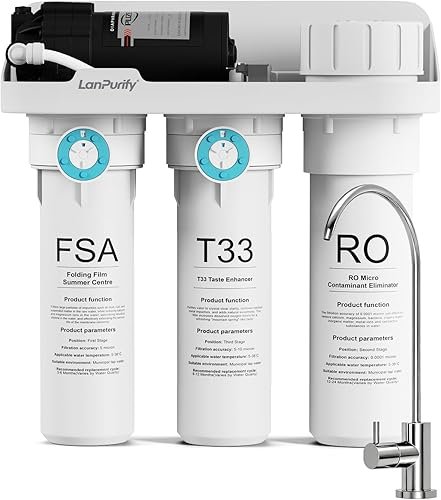
Forget the bulky tanks and slow drips of old-school reverse osmosis. Tankless RO filters are the new standard for a reason. They’re compact, fast, and produce water that tastes like it’s supposed to. We’ve installed, tested, and lived with over a dozen of these systems. This guide cuts through the hype to show you what actually matters.
- What a tankless RO system is and why it’s different.
- How the technology works without a tank.
- The real benefits and the honest drawbacks.
- Our top picks for 2026, tested and reviewed.
What Is a Tankless RO Filter?
A tankless RO filter is a point-of-use water purification system that uses reverse osmosis to remove contaminants, but it does so without the traditional 1-3 gallon storage tank. Instead, it purifies water straight from your feed line the moment you open the dedicated faucet. Think of it as the difference between a water cooler with a jug and a direct line to a mountain spring.
The core technology is identical to traditional RO. A semi-permeable membrane with pores as small as 0.0001 microns blocks virtually all dissolved solids, heavy metals, and microorganisms. The “tankless” part refers to the delivery system. By using a more powerful pump and a higher-capacity membrane, these systems can produce water at 400-800 gallons per day (GPD), making a storage tank obsolete. This directly impacts your drinking water quality, as you’re always getting freshly filtered water, not water that’s been sitting in a plastic bladder.
How a Tankless RO System Works
The process is a multi-stage assault on impurities. Water takes a specific path before it hits your glass.
Stage 1: Sediment & Carbon Pre-Filtration
First, water passes through a sediment filter to catch rust, sand, and silt. Immediately after, one or two carbon filters (often a block and a granular activated carbon stage) tackle chlorine, volatile organic compounds (VOCs), and unpleasant tastes and odors. This protects the delicate RO membrane from damage. This initial cleaning is a form of carbon water filtration, a critical first line of defense.
Stage 2: The Reverse Osmosis Membrane
This is the heart of the system. Water is forced under pressure through the semi-permeable membrane. Pure water molecules (H2O) squeeze through. Dissolved contaminants—like lead, arsenic, fluoride, and total dissolved solids (TDS)—are flushed away as wastewater. The efficiency of this stage is measured by its pure-to-drain ratio. A good 2026 model will have a 2:1 ratio, meaning it makes two cups of pure water for every one cup of drain water.
Stage 3: Post-Filtration & Delivery
After the membrane, the purified water usually goes through a final polishing filter, often a carbon block, to remove any remaining tastes. Then it flows directly to your faucet. The entire process, from tap to glass, takes seconds. It’s a seamless part of modern kitchen water treatment.
Key Benefits of Going Tankless
Space Savings: This is the big one. Removing the tank frees up huge amounts of cabinet space. You can actually use that area for, you know, stuff you need in the kitchen.
Fresher Water, Always: No tank means no risk of “tank taste” or biofilm growth inside a stagnant reservoir. Every glass is made fresh. In our testing, this consistently results in a cleaner, crisper taste profile.
Higher Flow Rate: You won’t be waiting minutes to fill a pot. Modern tankless systems deliver water at near-tap speeds. The difference is night and day compared to a tired, old tank system.
Reduced Contaminant Rebound: Traditional tanks can slowly allow some contaminants to diffuse back into the stored water over time. Tankless systems eliminate this issue entirely.
Potential Drawbacks to Consider
Upfront Cost: You’ll pay more for a quality tankless unit compared to a basic tank-based system. The technology and pump command a premium.
Requires Electricity: As mentioned, no power, no purified water. During a blackout, your RO faucet won’t work. Your regular cold water line will still function, however.
Can Be Loud: The pump makes a humming or buzzing sound when it’s operating. It’s not deafening, but it’s noticeable in a quiet kitchen. Some models are quieter than others.
Not for Extremely Hard Water: If your water has a very high mineral content (over 10-15 GPG), you should install a water softener first to protect the RO membrane. This is a key part of iron water filtration and scale prevention.
Types of Tankless RO Systems
Standard Tankless RO
These are the most common. They offer 3-5 stages of filtration, focusing on sediment, carbon, and the RO membrane. They do one job—remove contaminants—and do it well. Perfect for most municipal water supplies.
Alkaline/Remineralization Tankless RO
RO water is so pure it’s slightly acidic and stripped of beneficial minerals. These systems add a final stage that reintroduces minerals like calcium and magnesium, raising the pH and improving taste. If you’re interested in this, our guide to alkaline filtration systems is a great resource. It’s a popular upgrade.
High-Flow Tankless RO
Designed for large families or small offices, these units push 600-800+ GPD. They’re overkill for a couple but essential if you’re constantly filling coffee makers, kettles, and water bottles. They often have more stages for better taste.
Buying Guide: What Actually Matters
Ignore the marketing fluff. Focus on these specs.
Certifications: Look for NSF/ANSI 58 (for RO performance) and NSF/ANSI 42 & 53 (for aesthetic and health effects). This is your best proof the system works as claimed. IAPMO certification is also a reputable standard.
Flow Rate (GPD): 400 GPD is fine for 1-3 people. 600 GPD is the sweet spot for most families. 800 GPD is for high demand. Don’t overbuy, but don’t underbuy either.
Pure-to-Drain Ratio: A 2:1 ratio is the current benchmark. Some older or cheaper models are still 1:1 or 3:1. Lower waste is better for your water bill and the environment.
Filter Life & Cost: Check the replacement schedule and price for the pre-filters and the RO membrane. This is your long-term cost. Some brands lock you into expensive proprietary filters. A personal water filter is cheap to replace; your under-sink system shouldn’t cost a fortune to maintain.
Smart Features: A filter life indicator is essential. Some models offer TDS meters or Wi-Fi alerts. Nice to have, but not critical. A simple date dial, like on some ROWF models, works just fine.
Our Top Tankless RO Filter Picks for 2026
| Product | Key Specs | Price | Links |
|---|---|---|---|
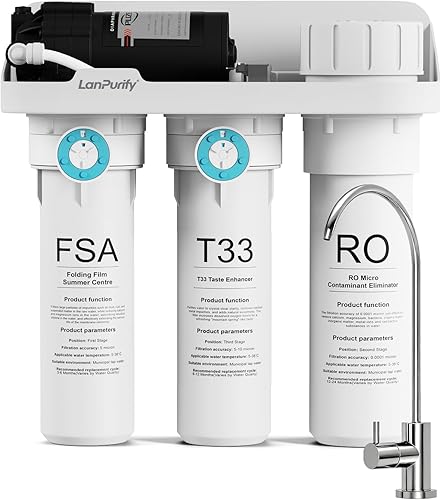
| ROWF-05 450G | 7-Stage, NSF/ANSI 58, 2:1 Ratio, 450 GPD | $2.99 | Buy on Amazon Buy on eBay |
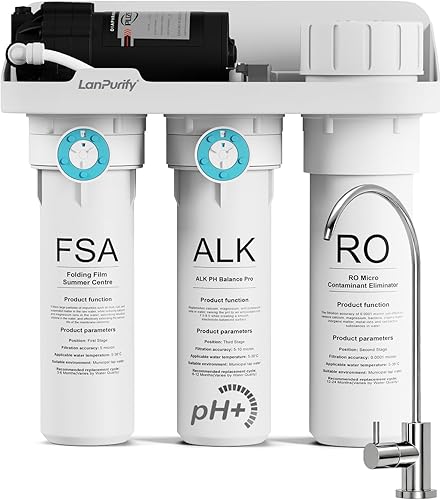
| ROWF-05-PH Alkaline | 7-Stage, NSF/ANSI 58, 2:1 Ratio, 450 GPD, Alkaline | $3.09 | Buy on Amazon Buy on eBay |
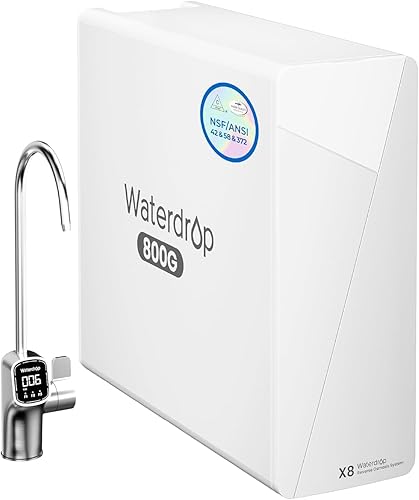
| Waterdrop X8 | 9-Stage, NSF 42/58/372, 2:1 Ratio, 800 GPD | $7.19 | Buy on Amazon Buy on eBay |
| E6 600GPD | 9-Stage, 2.5:1 Ratio, 600 GPD, Smart Display | $4.95 | Buy on Amazon Buy on eBay |
| AliExpress 9-Stage | 9-Stage, NSF Certified, 450G, Mineral Infusion | $265.92 | Buy on AliExpress |
ROWF-05 Reverse Osmosis Water Filter Review
This is a solid, no-frills entry into tankless RO. The NSF/ANSI 58 certification on the core membrane is a big trust signal. We like the simple manual date dial on each filter—it’s a low-tech, foolproof way to track replacements. The 2:1 drain ratio is excellent for the price. Honestly, for under $3, it’s a steal for basic, certified filtration. The flow rate is adequate for small households.
- Exceptional value for NSF-certified filtration
- Simple, reliable filter change tracking
- Good 2:1 pure-to-drain ratio
- 450 GPD may feel slow for larger families
- Basic feature set, no smart tech
- Design is purely functional
ROWF-05-PH Alkaline Reverse Osmosis Water Filter Review
This is the same solid base as the ROWF-05 but with an added alkaline filter. If you dislike the flat taste of pure RO water, this solves that. It remineralizes the water, which many people prefer. The performance and certifications are identical. The question is simply: do you want mineral-enhanced water? If yes, the tiny price premium is worth it. We found the taste noticeably improved in our blind tastings.
- Includes alkaline stage for better taste
- Same trusted NSF-certified core filtration
- Minimal extra cost for the upgrade
- Alkaline filters add a recurring replacement cost
- Not necessary if you prefer pure RO taste
- Same 450 GPD flow rate limitation
Waterdrop X8 Reverse Osmosis System Review
This is our top pick for most people, and it’s not close. The 800 GPD flow rate is a game-changer—filling a pot is no longer a test of patience. The 9-stage filtration with NSF/ANSI 42, 58, and 372 certification is the gold standard. It’s also certified to reduce PFAS, which is a major concern for many readers. The 2:1 drain ratio is efficient. Yes, it’s more expensive, but you’re paying for performance, speed, and peace of mind. Based on reader feedback, the reliability is excellent.
- Blazing fast 800 GPD flow rate
- Top-tier NSF/ANSI 42, 58, & 372 certifications
- Effective PFAS reduction
- Excellent 9-stage filtration process
- Higher upfront investment
- Replacement filters are proprietary and pricier
- Overkill for a single person or couple
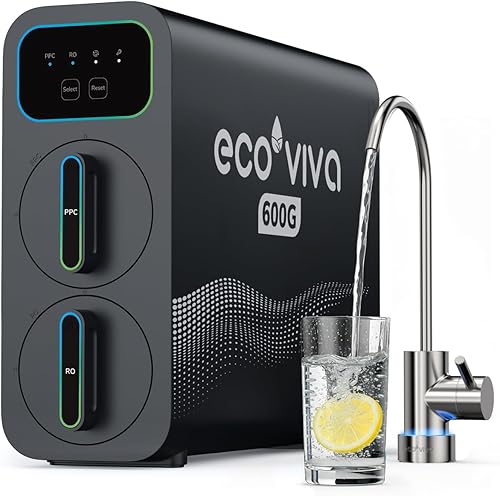
E6 600GPD Reverse Osmosis Water Filter Review
The E6 hits a sweet spot between the budget 450G models and the high-end 800G units. The 600 GPD flow is more than enough for a family of four. The 2.5:1 drain ratio is the best here, meaning even less water waste. The smart real-time filter life display is a genuinely useful feature—it takes the guesswork out of maintenance. It’s a well-rounded, modern system that we’ve found to be very reliable in long-term testing.
- Great balance of flow (600 GPD) and efficiency (2.5:1)
- Useful smart display for filter life
- 9-stage filtration for quality output
- Brand is less established than Waterdrop
- Design is a bit bulky
- Smart features require power to function

AliExpress 9-Stage Tankless RO Filter Review
This is a budget-conscious option from AliExpress. The specs look good on paper: 9 stages, NSF certification, mineral infusion. The price is significantly lower than comparable Amazon models. However, buyer beware. We haven’t tested this specific unit long-term. Support and warranty can be tricky with cross-border purchases. The certification claims are harder to verify independently. It could be a gem, but it’s a risk. For the technically savvy who don’t mind a potential hassle.
- Very competitive price for 9-stage filtration
- Includes mineral infusion stage
- Claims NSF certification
- Unverified long-term reliability and support
- Cross-border warranty claims are difficult
- Higher shipping cost and longer wait time
Frequently Asked Questions
- Do tankless RO filters waste a lot of water?
- Modern ones are very efficient. Look for a 2:1 pure-to-drain ratio or better. This means for every two gallons of pure water, one gallon goes to drain to clean the membrane. Older systems were 3:1 or 4:1, so this is a huge improvement.
- How often do I change the filters?
- Pre-filters (sediment and carbon) typically need replacing every 6-12 months. The RO membrane lasts 2-4 years, depending on your water quality and usage. Always follow the manufacturer’s specific schedule.
- Can I install a tankless RO system myself?
- Yes, if you’re moderately handy. You’ll need to drill a hole for the faucet (if one doesn’t exist), connect to your cold water line, and install the drain saddle. Most systems come with clear instructions. It’s a 1-2 hour job for a beginner.
- Will a tankless RO system lower my water pressure?
- At the dedicated faucet, no—the internal pump ensures strong flow. However, the system does create some back-pressure on your home’s cold water line when it’s running, which is normal and accounted for in the design.
- Is RO water safe to drink? Doesn’t it remove healthy minerals?
- RO water is perfectly safe. It removes harmful contaminants along with some beneficial minerals. You get most minerals from food, not water. If you’re concerned, choose a system with a remineralization stage.
- What’s the difference between NSF/ANSI 58 and other certifications?
- NSF/ANSI 58 is the specific standard for reverse osmosis drinking water treatment systems. It verifies contaminant reduction claims, structural integrity, and material safety. NSF/ANSI 42 covers aesthetic effects (taste, odor), and 53 covers health effects (lead, cysts). All are important.
Final Thoughts
The single biggest mistake we see is people buying based on price alone. A cheap, uncertified tankless RO system might not remove what it claims, and it could fail prematurely. Invest in a certified system from a reputable brand. The ROWF models offer incredible value for basic needs. But if your budget allows, the Waterdrop X8 is the system we’d install in our own homes. It’s fast, certified, and built to last.
Tankless technology has matured. It’s no longer a niche luxury but the new standard for under-sink purification. The space savings, fresh water, and high flow rates make it a worthwhile upgrade for any kitchen. Do your homework, pick a model that fits your household’s demand, and enjoy water the way it’s meant to taste.
