


.oi-article{font-family:system-ui,-apple-system,sans-serif;color:#1a1a1a;line-height:1.8;max-width:820px;margin:0 auto}
.oi-article h2{color:#0e4a6e;border-bottom:2px solid #0e4a6e;padding-bottom:8px;margin-top:35px;font-size:1.6em}
.oi-article h3{color:#1a6b8a;margin-top:25px;font-size:1.3em}
.oi-toc{background:#f0f7fb;border-left:4px solid #0e4a6e;padding:20px 25px;margin:25px 0;border-radius:6px}
.oi-toc ul{list-style:none;padding:0;margin:0}.oi-toc li{padding:5px 0}
.oi-toc a{color:#0e4a6e;text-decoration:none;font-weight:500}.oi-toc a:hover{text-decoration:underline}
.oi-tip{background:#e8f5e9;border-left:4px solid #2e7d32;padding:15px 20px;margin:20px 0;border-radius:6px}
.oi-warn{background:#fff3e0;border-left:4px solid #ef6c00;padding:15px 20px;margin:20px 0;border-radius:6px}
.oi-tldr{background:#e3f2fd;border-left:4px solid #1565c0;padding:15px 20px;margin:20px 0;border-radius:6px;font-size:1.05em}
.oi-cmp-table{width:100%;border-collapse:collapse;margin:25px 0;font-size:0.95em}
.oi-cmp-table th{background:#0e4a6e;color:#fff;padding:12px 10px;text-align:left}
.oi-cmp-table td{padding:10px;border-bottom:1px solid #e0e0e0;vertical-align:middle}
.oi-cmp-table tr:hover{background:#f5f5f5}
.oi-cmp-table img{max-width:80px;height:auto;border-radius:6px}
.oi-btn{display:inline-block;padding:8px 16px;border-radius:5px;color:#fff!important;text-decoration:none;font-size:0.85em;font-weight:600;margin:3px 4px 3px 0}
.oi-btn-amz{background:#f0960a}.oi-btn-amz:hover{background:#d4840a}
.oi-btn-ebay{background:#0654ba}.oi-btn-ebay:hover{background:#044a9e}
.oi-btn-ali{background:#e43225}.oi-btn-ali:hover{background:#c42a1f}
.oi-review{overflow:hidden;margin:25px 0;padding:20px;background:#fafafa;border-radius:8px;border:1px solid #e8e8e8}
.oi-review img{float:right;max-width:140px;margin:0 0 15px 20px;border-radius:8px}
.oi-pros-cons{display:flex;gap:20px;margin:10px 0}.oi-pros,.oi-cons{flex:1}
.oi-pros li{color:#2e7d32}.oi-cons li{color:#c62828}
.oi-faq dt{font-weight:700;color:#0e4a6e;margin-top:18px}.oi-faq dd{margin:5px 0 0 0}
.oi-disclosure{background:#f5f5f5;padding:15px 20px;margin-top:35px;border-radius:6px;font-size:0.9em;color:#555}
Water Smells Like Chlorine Reddit: Why It Happens & How to Fix It (2026)
You turn on the tap, fill a glass, and get hit with that unmistakable pool-water scent. You’re not alone. This is one of the most common water complaints we see, and it’s exactly why threads about “water smells like chlorine” blow up on Reddit. The good news? It’s almost always fixable, and often for less money than you’d think.
In this guide, we’ll cover:
- Why your water smells like chlorine in the first place
- The difference between chlorine and chloramine (and why it matters)
- Your best filter options, from cheap pitchers to whole-house systems
- How to choose the right one for your home and budget
- What Is the “Chlorine Smell” in Water?
- How Chlorine Gets in Your Water (And How to Get It Out)
- Key Benefits of Removing Chlorine
- Potential Drawbacks & What to Watch For
- Types of Filters That Remove Chlorine
- Buying Guide: What Actually Matters
- Our Top Picks for 2026
- FAQ: Your Chlorine Questions Answered
- Final Thoughts
What Is the “Chlorine Smell” in Water?
That smell isn’t some mysterious contaminant. It’s simply chlorine or chloramine—chemicals your local water treatment plant adds to kill bacteria, viruses, and other pathogens. It’s the reason we don’t have cholera outbreaks anymore. Chlorine is a fantastic disinfectant.
The problem is sensory. At concentrations above about 1.0 mg/L (parts per million), your nose can pick it up. Some people are more sensitive than others. What one person calls a “slight chemical smell,” another finds completely overpowering.
How Chlorine Gets in Your Water (And How to Get It Out)
The Treatment Process
Water utilities add a precise dose of chlorine-based disinfectant at the treatment plant. This “residual disinfectant” is meant to stay in the water as it travels through miles of pipes to your home, protecting it from recontamination. The smell is strongest right at your tap because the chlorine is still active.
How Carbon Filters Work Their Magic
Activated carbon is the workhorse here. It’s incredibly porous—one gram has the surface area of a football field. As water passes through, chlorine molecules stick to the carbon in a process called adsorption. It’s simple, effective, and cheap. Most pitcher filters, faucet mounts, and under counter water filter systems use this technology.
The Chloramine Challenge
Many utilities have switched to chloramine (chlorine + ammonia). It’s more stable and lasts longer in the pipes. It’s also much harder to remove. Standard carbon filters have limited effectiveness. You need a catalytic carbon filter, which is specially treated to break the chloramine bond. Always check your water report to see which disinfectant your city uses.
Key Benefits of Removing Chlorine
Better Taste and Odor. This is the big one. Your water will taste clean and neutral. Coffee, tea, and cooking will taste like they should, not like a chemistry experiment.
Healthier Showers. Hot water vaporizes chlorine into the air you breathe. A shower filter system can reduce your inhalation exposure and may help with dry skin and hair for sensitive individuals.
Protects Appliances. Chlorine can degrade rubber seals and gaskets in your coffee maker, ice maker, and dishwasher over time. Filtering protects your investments.
Safer for Pets. Fish tanks are obvious, but even dogs and cats can be sensitive to chlorinated water. Filtered water is a simple upgrade for their health.
Potential Drawbacks & What to Watch For
Cost. Filters aren’t a one-time purchase. You’ll need replacement cartridges. A pitcher filter might cost $20-30 every two months. A whole-house system’s filters can be $100+ annually.
Maintenance. A clogged or old filter can become a breeding ground for bacteria. It’s worse than no filter at all. You must follow the replacement schedule—don’t just wait for the taste to come back.
Not All Filters Are Equal. A basic sediment filter does nothing for chlorine. You need one with an NSF/ANSI 42 certification for aesthetic effects (taste and odor). Look for that seal.
Types of Filters That Remove Chlorine
Pitcher & Faucet-Mount Filters
The entry point. Cheap, easy to install, no tools. Great for renters or single-tap use. The filters are small, so they clog faster and have a higher cost per gallon. Good for testing the waters, so to speak.
Under-Sink Systems
The sweet spot for most homeowners. Installed under the kitchen sink, they provide filtered water on demand from a dedicated faucet. They offer much better capacity and performance than pitchers. If you’re looking for a dedicated drinking water solution, an under counter water filter system is often the best value.
Whole-House (Point-of-Entry) Systems
These treat all the water entering your home. Every shower, faucet, and appliance gets filtered water. Ideal for high chlorine levels, chloramine, or protecting plumbing. They’re a bigger investment and require professional installation in most cases. Some systems combine filtration with a kinetico water conditioner to handle hardness as well.
Refrigerator & Appliance Filters
Many fridges have built-in carbon filters. They work, but replacements can be expensive (often $40-60) and are proprietary. If your fridge is your main water source, a water filter for a GE refrigerator or your specific model is essential. A GE under sink water filter can be a more economical long-term choice.
Buying Guide: What Actually Matters
1. Know Your Enemy. Get your water report. Is it chlorine or chloramine? This dictates your filter type. Catalytic carbon for chloramine, standard for chlorine.
2. Certification is Key. Look for NSF/ANSI Standard 42 certification for chlorine reduction. This is your guarantee it works. Don’t trust marketing claims alone.
3. Capacity & Flow Rate. Measured in gallons. A 100-gallon pitcher filter is fine for one person. A family of four needs at least 500 gallons, and a higher flow rate so you’re not waiting forever to fill a pot.
4. Total Cost of Ownership. Divide the filter cost by its lifespan in gallons. That $30 pitcher filter that lasts 40 gallons costs more per gallon than a $100 under-sink filter that lasts 1,000 gallons.
5. Your Use Case. Just drinking? Pitcher or under-sink. Cooking and ice maker too? Under-sink with a dedicated faucet. Whole house? You need a different beast. For large offices or waiting rooms, a commercial water cooler with built-in filtration might be the answer.
Our Top Picks for 2026
| Product | Type | Best For | Price |
|---|---|---|---|
 |
Hydration Accessory | Reminding you to drink water (not a filter) | $5.25 |
 |
Bottled Water | Immediate chlorine-free taste (ongoing cost) | $13.42 |
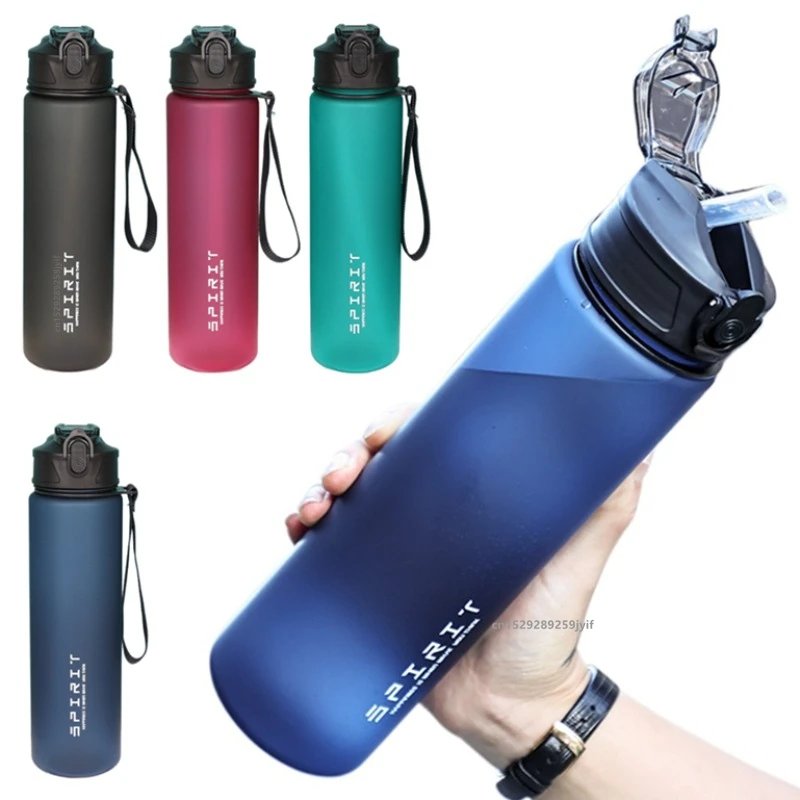
750ml Motivational Water Bottle
Let’s be clear: this is not a water filter. It’s a plastic bottle with time markers. We’re including it because, honestly, sometimes the Reddit “chlorine smell” complaint is about motivation, not filtration. If you hate the taste and just need to drink more water, a dedicated bottle can help. But it won’t fix the underlying issue. The build quality is fine for the price, and the straw is convenient.
- Very cheap
- Helps track water intake
- Leakproof design works
- Does not filter anything
- Plastic may retain odors over time
- Not a solution for chlorine smell
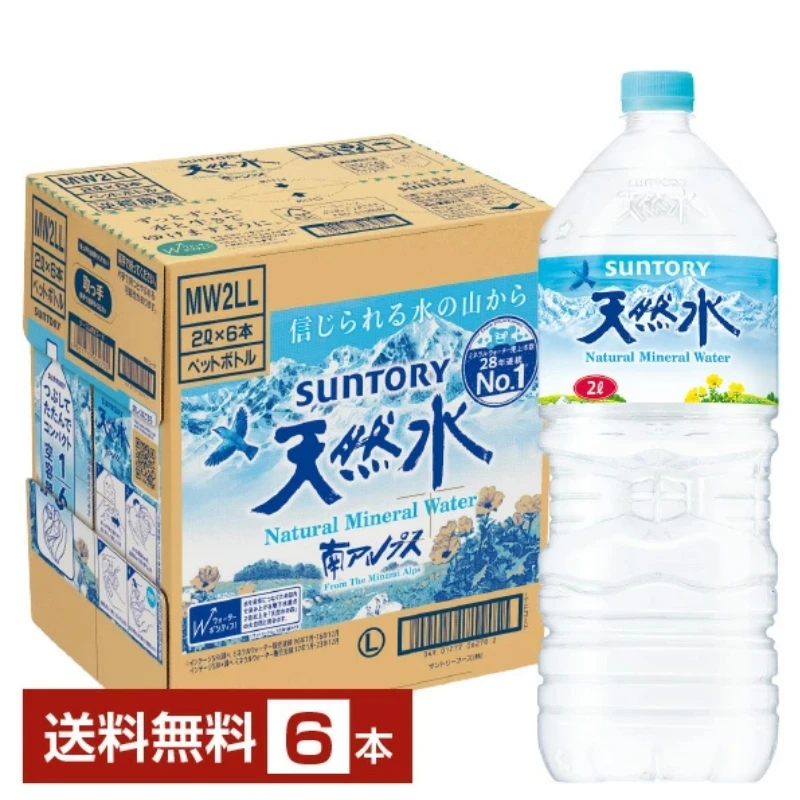
Suntory Tennensui Mineral Water (2L x 6)
This is the nuclear option for taste: skip the tap entirely. Suntory’s Japanese mineral water is exceptionally soft and clean. No chlorine, no treatment chemicals. The taste is pristine. But is it sustainable? At over $2 per bottle, you’re looking at $50+ a month for a family’s drinking water. It’s a great short-term fix or for special occasions, but a carbon filter pays for itself in weeks.
- Guaranteed chlorine-free taste
- Premium, soft mineral profile
- Convenient for immediate use
- Extremely expensive long-term
- Plastic waste
- Doesn’t solve your home’s water issue
FAQ: Your Chlorine Questions Answered
- Is chlorinated tap water safe to drink?
- Yes. The levels used for disinfection (typically 0.5-2.0 mg/L) are regulated and considered safe by health agencies worldwide. The smell is an aesthetic issue, not a health one for most people.
- Will boiling water remove chlorine?
- Yes, but it’s inefficient. Boiling for 15-20 minutes will off-gas most chlorine. However, it won’t remove chloramine and uses a lot of energy. A filter is far more practical.
- How do I know if my water has chlorine or chloramine?
- Check your water utility’s annual Consumer Confidence Report (CCR), usually available online. You can also call them directly. This is public information they must provide.
- Can chlorine smell come from my hot water heater?
- Yes. Heat accelerates chlorine off-gassing. If the smell is only from hot water taps, your heater’s anode rod might be reacting. Flushing the heater can help. A whole-house filter on the cold inlet is the definitive fix.
- Do water softeners remove chlorine?
- No. Standard water softeners use ion exchange to remove hardness minerals (calcium, magnesium). They do not remove chlorine. Some advanced systems combine softening with carbon filtration.
Final Thoughts
That Reddit thread about “water smells like chlorine” is full of people just like you—annoyed by a simple, solvable problem. Don’t overthink it. Start by confirming what’s in your water. Then, for most households, a reliable under-sink carbon filter is the answer. It’ll give you clean-tasting water on demand for pennies a gallon.
Forget the fancy gadgets and expensive bottled water. The solution is straightforward: a certified filter, changed on schedule. Your nose (and your taste buds) will thank you.
