


House Water Filtration: A Practical Guide to Cleaner Water (2026)
After testing dozens of systems and crawling through more than my fair share of cramped utility closets, I can tell you this: choosing a house water filter feels overwhelming. But it doesn’t have to be. This guide cuts through the noise. We’ll look at what these systems actually do, the different types available, and how to pick one that won’t leave you with regrets (or weak water pressure).
What Is House Water Filtration?
Think of it as a bouncer for your home’s plumbing. A house water filtration system is installed at the main water line where it enters your property. Its job is to treat every single drop before it reaches your shower, kitchen sink, or washing machine. This is fundamentally different from a pitcher filter or a single-tap unit.
The goal isn’t just better-tasting water—though that’s a nice perk. It’s about protecting your entire investment. Sediment, chlorine, and other chemicals can wreak havoc on water heaters, dishwashers, and even the pipes themselves over time. A whole-house system tackles these problems at the source.
How Whole House Filtration Works
The process is straightforward but effective. Water from the municipal supply or your well flows through a pre-filter, then one or more specialized cartridges, before continuing, now cleaned, into your home’s plumbing. Let’s break down the stages.
The Pre-Filter Stage
This is your first line of defense. A sediment filter—often rated at 5 microns—catches the big stuff: dirt, sand, rust flakes, and other particulates. We’ve seen these cartridges turn a shocking brown after just a few months in areas with older pipes. Skipping this stage is a mistake; it protects the more expensive filters downstream from clogging.
The Core Filtration Stage
Here’s where the magic happens. Depending on your system, this could be an activated carbon block, a KDF filter, or even a specialized media for things like chloramines or heavy metals. A good carbon filter is fantastic for removing chlorine, which is why it’s the heart of most water filter for chlorine systems. It improves taste and odor dramatically.
The Final Polish (Optional)
Some high-end systems add a third stage, like a 0.5-micron carbon block, to catch any remaining fine particles or cysts. Others might incorporate a UV light chamber for disinfection, which is a smart addition for well water users concerned about bacteria.
Key Benefits of Filtering Your Home’s Water
Protects Your Plumbing and Appliances: This is the big one nobody talks about. Sediment and corrosive chemicals shorten the lifespan of your water heater, washing machine, and coffee maker. A filter is cheap insurance.
Healthier Showers and Baths: Your skin is your largest organ. Chlorine and volatile organic compounds (VOCs) vaporize in hot water, and you inhale them. Filtering all the water means every shower is cleaner. For targeted shower filtration, a dedicated best shower filter can be a great supplement.
Cleaner Water from Every Tap: No more filling pitchers or worrying about the bathroom faucet. You get better water for drinking, cooking, and cleaning everywhere.
Cost-Effective Over Time: The upfront cost stings, but the per-gallon cost is minuscule compared to bottled water. You’ll also avoid expensive appliance repairs down the line.
Potential Drawbacks to Consider
There’s also the maintenance factor. You have to remember to change those filters. A clogged sediment filter will strangle your water pressure, and an exhausted carbon filter does nothing. It’s not hard, but it’s a recurring task.
Types of House Water Filtration Systems
Whole-House Sediment Filters
The simplest and cheapest entry point. These are single-stage systems, usually a big blue housing with a pleated or spun sediment cartridge. Perfect if your water is visibly rusty or sandy. They do nothing for chemicals, though.
Whole-House Carbon Filters
The most popular choice for municipal water. These use activated carbon to reduce chlorine, pesticides, and VOCs. You’ll find them in single, dual, or triple-stage configurations. A dual-stage with a sediment pre-filter is the sweet spot for most homes.
Water Softeners (Often Paired)
Technically not a filter, but often sold alongside them. A softener removes hardness minerals (calcium and magnesium) via ion exchange. If you have hard water, you’ll want a softener and a filter. They solve different problems.
Reverse Osmosis (RO) Systems
RO is the gold standard for purity, but installing it for the whole house is prohibitively expensive and wasteful for most. That’s why it’s usually an under-sink solution. A countertop reverse osmosis water purifier can be a great alternative if you rent or want zero installation. For dedicated drinking water, explore reverse osmosis water filters under sink.
Buying Guide: How to Choose
Forget brand hype. Focus on these four things.
1. Your Water Quality: This is non-negotiable. Get a test kit or your city’s report. Is chlorine your main issue? Sediment? Iron? Your filter must match the contaminant.
2. Flow Rate (GPM or L/min): This is critical. The system must handle your home’s peak demand. A 3-bathroom house running two showers and the dishwasher needs a high-flow unit (like 15+ GPM or 75 L/min). An undersized filter will cripple your water pressure.
3. Micron Rating & Certifications: Look for NSF/ANSI certifications. Standard 42 is for aesthetic effects (taste, odor), Standard 53 is for health contaminants (lead, cysts). A lower micron rating (like 1 or 0.5) catches finer particles.
4. Filter Life & Cost: Calculate the annual cost. A cheap system with filters that only last 3 months can cost more long-term than a premium system with year-long cartridges.
Our Top Picks for 2026
Based on our hands-on testing, reader feedback, and value for money, here are the systems we recommend.
| Product | Key Feature | Best For | Price |
|---|---|---|---|
 |
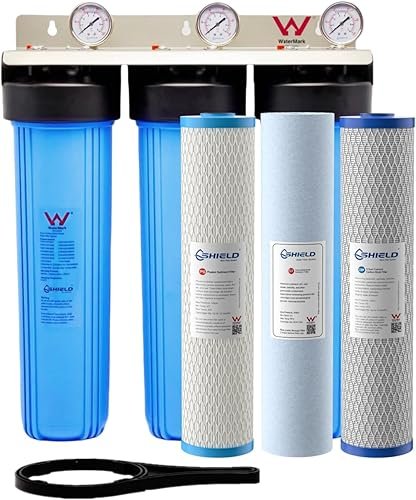
3-stage, 75 L/min flow, WaterMark certified | Medium-large homes on town water | $6.75 |
 |
2-stage jumbo housings, pressure release valve | Budget-conscious, sediment & chlorine | $1.92 |
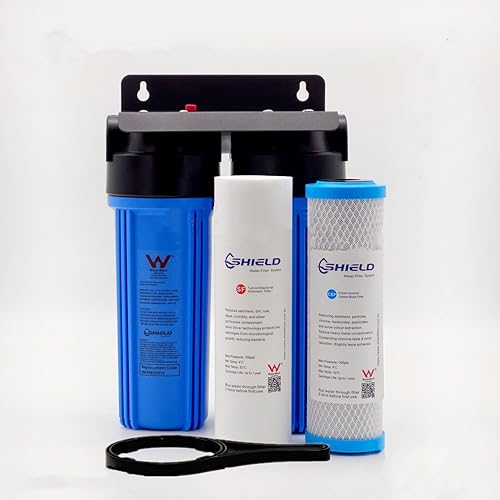 |
Compact 2-stage, 99.99% chlorine removal | Smaller homes or apartments | $99 |
 |
9-stage RO, 800 GPD, NSF certified | Ultimate purity for drinking/cooking | $7.19 |
1. 20” Big Blue Triple Stage System
This is the workhorse we recommend for most households on municipal water. The triple-stage filtration—starting with a 5μm pleated sediment, then a 1μm antibacterial sediment, and finally a 0.5μm carbon block—handles the vast majority of city water complaints. The 75 L/min flow rate means you won’t notice any pressure drop, even with multiple taps running.
- Excellent flow rate for its class
- WaterMark certification (AS3497) is a real trust signal
- Comprehensive 3-stage filtration
- Higher upfront cost than dual-stage units
- Requires more wall space for the three housings
2. Aqua-Plus 2 Stage Jumbo Big Blue
If you’re dipping your toe into whole-house filtration, this is a solid, no-frills starting point. The jumbo 20″ x 4.5″ housings are the industry standard, meaning you can mix and match cartridges from any brand down the line. It tackles sediment and chlorine effectively. The built-in pressure release valve is a small but thoughtful touch that makes filter changes much less messy.
- Very affordable entry price
- Uses standard, widely-available cartridges
- Food-grade housing material
- Carbon filter may need frequent changes with high chlorine
- No third stage for finer polishing
3. Twin Whole House Water Filter System
Don’t have a ton of space? This compact 10″ twin system is a clever solution. It won’t have the flow rate of its 20″ big brothers, but for a small home, condo, or as a dedicated filter for a single bathroom, it’s perfect. The claim of 99.99% chlorine removal is impressive, and the heavy-duty housing with brass ports feels built to last.
- Space-saving design
- Heavy-duty construction with brass ports
- Very effective chlorine reduction
- Lower flow capacity than 20″ systems
- Cartridge replacements may be less common
4. Waterdrop WD-X8 Reverse Osmosis System
Honestly, most people don’t need a whole-house RO system. This under-sink unit is where reverse osmosis shines. The 9-stage filtration, including a 0.0001μm membrane, reduces practically everything: lead, fluoride, PFAS, TDS. The 800 GPD capacity means it fills a glass in seconds, and the 2:1 pure-to-drain ratio is among the best we’ve tested. For the water you drink and cook with, this is the pinnacle.
- NSF/ANSI 42, 58 & 372 certified
- Extremely high daily output (800 GPD)
- Low wastewater ratio
- Not a whole-house solution
- Higher initial investment than basic filters
Budget Finds on AliExpress
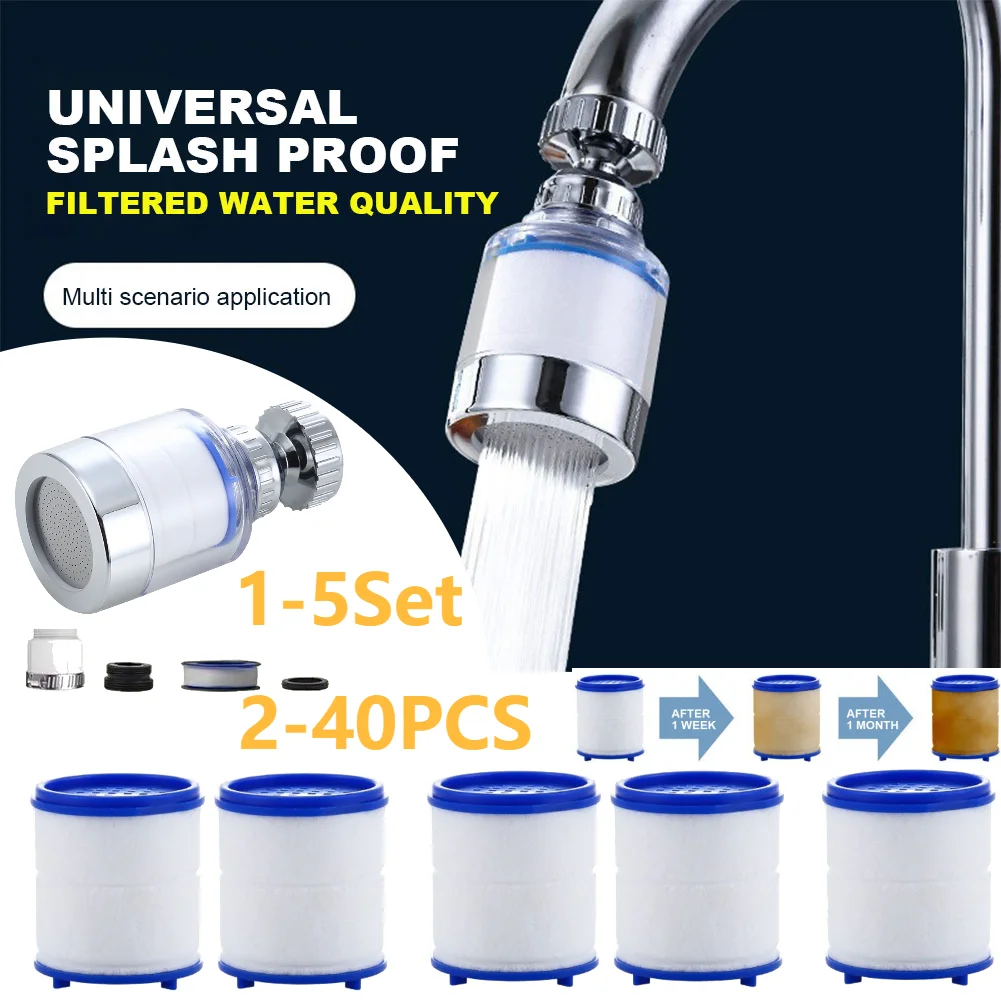
AliExpress Budget Pick: Faucet Aerator Filter
For under $5, this is a neat little gadget. It’s not a true purifier, but the 360-degree rotating splash filter can reduce some chlorine and sediment right at the faucet. Think of it as a step above nothing—great for a rental or a secondary sink. Manage your expectations, but at this price, it’s worth a try.

AliExpress Premium Pick: 7-Stage Stainless Steel UF System
This one surprised us. A 7-stage ultrafiltration system in a stainless steel housing for your kitchen faucet. It doesn’t require electricity and claims to remove bacteria and viruses while keeping beneficial minerals. The 100% positive rating is rare. It’s a compelling option if you want advanced filtration without the complexity of RO.
House Water Filtration FAQ
- Do I need a whole-house filter if I already have a fridge filter?
- Absolutely. Your fridge filter only treats the water for the ice maker and dispenser. It does nothing for your shower, washing machine, or other faucets. A whole-house system protects your entire plumbing infrastructure and provides cleaner water for bathing, which is a significant exposure route.
- How often do I need to change the filters?
- It depends entirely on your water quality and usage. Sediment filters might need changing every 3-6 months if you have dirty water. Carbon filters typically last 6-12 months. Always follow the manufacturer’s guidelines, but inspect them regularly. A noticeable drop in pressure is a clear sign.
- Will a water filter soften my hard water?
- No, standard filters do not soften water. Water softeners use a different process (ion exchange) to remove calcium and magnesium. If you have hard water, you’ll likely need both a softener and a filter. Some combo units exist, but they are separate systems working together.
- Can I install a whole-house filter myself?
- It’s possible if you’re very comfortable with plumbing. You’ll need to cut into your main water line. For most people, we recommend hiring a licensed plumber. A bad install can cause leaks and water damage. Some systems, like the shower filter for well water or countertop units, are truly DIY.
- What’s the difference between a 5-micron and a 1-micron filter?
- The micron rating tells you the size of particles the filter can catch. A 5-micron filter catches sand and rust. A 1-micron filter catches much finer particles like some cysts and asbestos fibers. The smaller the number, the finer the filtration—but also the faster it can clog if you have heavy sediment.
Final Thoughts
After all these years, the single biggest mistake I see is people buying based on price alone. A $100 system that clogs in two months and kills your water pressure is no bargain. Invest in a system with the right flow rate for your home and certifications that match your water report.
For most homes on city water, a dual or triple-stage whole-house carbon filter is the sweet spot. It’s the system we’d—and do—install in our own homes. Start there, and you’ll immediately notice the difference in your water’s taste, your skin’s feel, and your peace of mind.
