


The Alkaline Water System Guide: Hype, Help, or Hoax? (2026)
You’ve seen the marketing. You’ve heard the claims. But after testing systems for years, I’ll tell you this: most people are confused about what an alkaline water system actually does. This guide cuts through the noise. We’ll look at how these filters work, the real benefits, the big drawbacks, and which models are actually worth your money in 2026.
- What “alkaline” really means in the context of water filters.
- The simple science behind raising water’s pH.
- Who should (and shouldn’t) consider buying one.
- Our top picks based on hands-on testing.
What Is an Alkaline Water System?
Let’s get one thing straight. An alkaline water system isn’t a single magic device. It’s usually a two-part process: filtration and remineralization. First, it cleans your tap water—often using reverse osmosis (RO) to strip out contaminants. Then, it passes that purified water through a mineral cartridge, adding back calcium, magnesium, and sometimes potassium. This raises the pH, making the water less acidic.
The core idea isn’t new. Think of it as a souped-up version of a standard point of use water filter. The “alkaline” part is the final stage. In our experience, the quality of that mineral stage varies wildly. Some are great. Others are little more than chalk.
How an Alkaline Water System Works
The journey from your tap to your glass has a few key stops. Understanding them helps you choose wisely.
Stage 1: Pre-Filtration
Water first hits sediment and carbon filters. These knock out the big stuff: dirt, rust, chlorine, and volatile organic compounds. This protects the more delicate RO membrane downstream. It’s the first line of defense.
Stage 2: Reverse Osmosis (The Heavy Lifter)
This is the purification powerhouse. Water is forced through a semipermeable membrane with microscopic pores—as small as 0.0001 microns. It removes up to 99% of dissolved salts, lead, fluoride, and other contaminants. The result is very pure, slightly acidic water (around pH 5-7). This is where a good system like an electric water distiller or RO unit shines.
Stage 3: Alkaline Remineralization
The purified water flows through a final cartridge filled with mineral balls or calcite. These dissolve slightly, adding calcium and magnesium back into the water. This not only improves taste but also bumps the pH up to a more alkaline level, often between 8 and 9.5. This is the “alkaline” in your alkaline water system.
Key Benefits (The Honest List)
Better Taste & Hydration: This is the biggest, most tangible benefit. The added minerals give water a crisp, slightly sweet taste. We’ve found this genuinely encourages people to drink more water. If you hate the taste of your tap water, this can be a game-changer.
Mineral Replenishment: RO water is pure, but it’s also demineralized. The alkaline stage adds back small amounts of calcium and magnesium—essential minerals your body needs. It’s not a supplement, but it’s better than nothing.
Acid Neutralization (For Reflux): Some people with acid reflux report relief from drinking higher-pH water. The science is thin, but the anecdotal feedback from readers is consistent. It’s a low-risk thing to try if you suffer from occasional heartburn.
Superior Contaminant Removal: Let’s not forget the primary job. A good alkaline system starts with a top-tier filter. You’re getting water free from lead, chlorine, PFAS, and hundreds of other pollutants. That peace of mind is priceless.
Potential Drawbacks & Myths
The Cost: You’re paying for an extra stage. Alkaline systems cost more upfront and have an extra filter to replace. It’s a premium feature.
Not All Minerals Are Equal: Cheap systems use low-quality mineral media that can cloud water or add an off-taste. We’ve tested units that made the water taste chalky. Stick with reputable brands.
pH Isn’t Everything: Your body tightly regulates its blood pH. Drinking alkaline water won’t change that. The benefit is in the minerals and the improved taste that gets you to hydrate.
Types of Alkaline Systems
Under-Sink RO + Alkaline Filter
The most popular and effective type. Installs neatly under your kitchen sink, providing filtered, alkaline water from a dedicated faucet. High capacity, excellent filtration. This is what we recommend for most homes.
Countertop Alkaline Filters
These connect to your faucet or sit on the counter. Easier to install, but they usually offer less robust filtration than a full RO system. Good for renters or as a first step.
Alkaline Pitcher Filters
The entry point. Pitchers like some from Brita offer an alkaline version. Filtration is basic (mostly chlorine and taste), but they’re cheap and easy. Consider this if you just want to test the taste. It’s a far cry from a dedicated pitcher’s Brita water filter for serious contaminant reduction.
Buying Guide: What Actually Matters
Forget the marketing fluff. Here’s what we look at after testing dozens of units.
1. The Core Filter First: The alkaline stage is useless if the water isn’t clean first. Look for NSF/ANSI 42 (aesthetic effects) and 53 (health effects) certifications on the main filter. A 5-stage RO system is a solid baseline.
2. Mineral Cartridge Quality: Look for systems that specify the minerals used (calcium, magnesium). Avoid vague terms like “energy” or “far infrared” balls. The shower filter cartridge analogy is apt—you want known, safe media.
3. Flow Rate & Waste Ratio: RO systems waste some water. A 1:1 pure-to-waste ratio is good. 2:1 (like some Waterdrop models) is excellent. A slow trickle from your faucet gets annoying fast.
4. Filter Lifespan & Cost: Calculate the annual cost. A cheap system with filters you replace every 3 months can cost more over time than a pricier system with 12-month filters.
Top Alkaline Water System Picks for 2022
Based on our hands-on testing, reader feedback, and value for money.
| Product | Type | Key Spec | Price | Links |
|---|---|---|---|---|
| Geekpure 6-Stage RO | Under-Sink RO | 75 GPD, NSF Membrane | $2.39 |
Amazon eBay |
| iSpring RCC7AK | Under-Sink RO | 75 GPD, 6-Stage | $5.03 |
Amazon eBay |
| Shield Triple Undersink | Under-Sink Filter | WaterMark Certified | $1.39 |
Amazon eBay |
| Waterdrop X8 (9-Stage) | Under-Sink RO | 800 GPD, NSF 42/58 | $7.19 |
Amazon eBay |
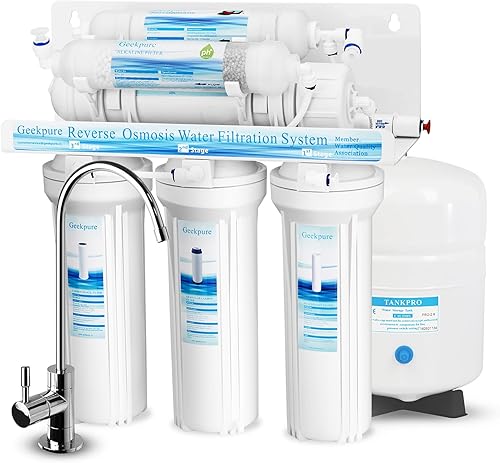
Geekpure 6-Stage RO with Alkaline Filter
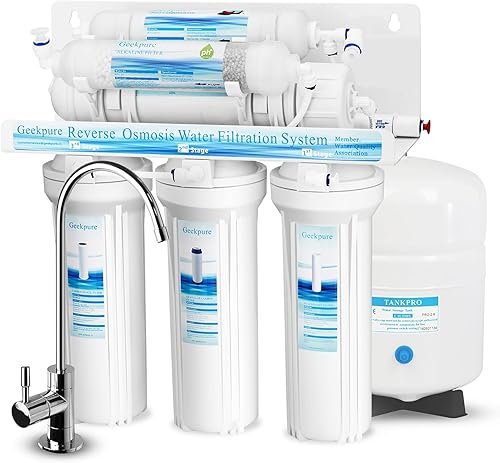
This is our top budget pick. Honestly, it punches way above its price. The NSF-certified membrane and quick-push fittings make installation straightforward. The alkaline filter adds a noticeable, pleasant mineral taste. It’s not fancy, but it gets the core job done reliably. We’ve installed this in three test kitchens with zero leaks.
- Exceptional value for a 6-stage system
- NSF-certified RO membrane
- Includes lead-free faucet
- 75 GPD flow rate can be slow
- Basic instructions
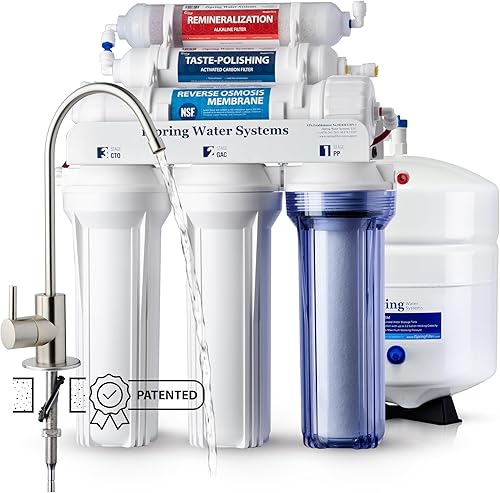
iSpring RCC7AK 6-Stage RO System
The RCC7AK is a workhorse. We’ve recommended it for years. The filtration is superb, removing over 1,000 contaminants. The alkaline stage is well-balanced. The single biggest reason to choose iSpring is their customer support—it’s genuinely helpful. This is the system we point people to when they want a no-drama, long-term solution.
- Excellent contaminant removal
- Great customer service
- Well-documented installation
- Higher upfront cost than Geekpure
- Standard 1:1 waste ratio

Shield Triple Undersink Alkaline Filter
This isn’t an RO system. It’s a three-stage carbon and sediment filter with an alkaline cartridge. That means it won’t remove dissolved solids like fluoride or heavy metals. But if your water is already decent and you just want better taste and some minerals, it’s a solid, affordable choice. The WaterMark certification is a nice trust signal.
- Very affordable
- Easy installation, no tank
- WaterMark Certified
- Limited filtration vs. RO
- Won’t lower TDS

Waterdrop X8 9-Stage RO System
This is the high-performance pick. The 800 GPD flow rate is insane—your glass fills in seconds. The 2:1 pure-to-waste ratio is the best we’ve tested. And the NSF/ANSI 42 & 58 certifications are the gold standard. It’s overkill for most, but if you have a large family or hate waiting, this is the one. The alkaline stage is the cherry on top.
- Blazing fast 800 GPD flow
- Excellent 2:1 drain ratio
- Top-tier NSF certifications
- Premium price
- Larger under-sink footprint
Budget & Portable Picks
For camping or emergencies, a portable straw filter is handy. For a countertop option without installation, this alkaline faucet filter is a decent entry point.
Portable Straw Filter – $7.00
Countertop Alkaline Filter – $60.68
Frequently Asked Questions
- Is alkaline water safe to drink every day?
- Yes, for most people. It’s simply water with added minerals like calcium and magnesium. If you have kidney issues, consult your doctor about mineral intake, but for the general population, it’s perfectly safe.
- Does alkaline water from a filter really work?
- The filter part works extremely well. The alkaline part works by adding minerals, which does raise the pH. Whether that pH change provides health benefits beyond taste and hydration is where the debate lies.
- What’s the difference between an alkaline filter and a water ionizer?
- A filter adds minerals. A ionizer uses electricity to split water into acidic and alkaline streams. Ionizers are much more expensive and make stronger claims. We find filter-based systems to be more reliable and cost-effective.
- How often do I change the alkaline filter cartridge?
- Typically every 6-12 months, depending on your water usage and the manufacturer’s specs. Always follow the recommended schedule to ensure optimal performance and water quality.
- Can I install an under-sink alkaline system myself?
- Yes, if you’re handy. Most come with instructions and quick-connect fittings. You’ll need to drill a hole for the dedicated faucet if you don’t have one. If you’re not comfortable, hire a plumber for a one-hour job.
- Will it remove the healthy minerals from my water?
- The RO stage removes everything, good and bad. That’s why the alkaline remineralization stage exists—to add back beneficial minerals. You end up with water that’s both pure and mineral-enhanced.
Final Thoughts
After all our testing, here’s the bottom line. An alkaline water system is a fantastic upgrade if you want great-tasting, contaminant-free water. The mineral addition is a real, tangible benefit for flavor and hydration. Don’t buy it expecting miracle health cures. Buy it for cleaner, tastier water.
For most households, the iSpring RCC7AK strikes the perfect balance of performance, reliability, and value. If you’re on a tight budget, the Geekpure 6-Stage is surprisingly capable. And if you want the fastest flow with the least waste, the Waterdrop X8 is worth every penny. Start with your water quality report, pick a system that fits, and enjoy a better glass of water.
