


Finding a Good Water Softener System: What Actually Works (2026)
After testing dozens of systems and talking to hundreds of homeowners, I can tell you this: finding a good water softener system isn’t about flashy marketing. It’s about matching the right technology to your specific water. Scale on your faucets? Dry, itchy skin? That’s hard water talking. Let’s cut through the noise.
- What a water softener actually does (and doesn’t do)
- The real benefits you’ll notice in your home
- How to choose the right size and type
- Our hands-on top picks for 2026
What Is a Water Softener System?
A water softener is a device that removes hardness minerals—primarily calcium and magnesium—from your water supply. It’s not a filter in the traditional sense. It doesn’t remove bacteria, chlorine, or most chemicals. Its job is specific: stop scale.
This process, called ion exchange, swaps those hardness minerals for sodium or potassium ions. The result? Water that feels slicker, makes soap lather better, and doesn’t leave crusty white deposits everywhere. For a deeper look at how this fits into your overall home filtered water setup, it’s important to understand its dedicated role.
Honestly, most people get this wrong. They think a softener is a catch-all for water problems. It’s not. If your water has high iron, sulfur smells, or contaminants, you’ll need separate treatment stages. A softener solves one problem, but it solves it very well.
How a Water Softener Works
The process is clever chemistry, not magic. Your water flows through a tank filled with thousands of tiny resin beads. These beads are negatively charged and covered with sodium ions.
The Ion Exchange Process
Calcium and magnesium ions in your hard water have a stronger positive charge than sodium. So they swap places—sticking to the resin beads while the sodium gets released into your water. That’s the “exchange.” After a while, the beads get coated with hardness minerals and need cleaning.
The Regeneration Cycle
This is where the brine tank comes in. A concentrated salt solution (brine) flushes through the resin tank, knocking off the calcium and magnesium and sending them down the drain. The beads get re-coated with sodium, ready to soften more water. This usually happens automatically at night, based on a timer or water usage meter.
Key Benefits of a Good System
No More Scale Buildup: This is the big one. Your water heater, kettle, coffee maker, and showerheads will last longer and work more efficiently. Scale acts as an insulator, making your water heater work harder and cost more to run.
Softer Skin and Hair: Hard water leaves soap scum on your skin, clogging pores and causing dryness. Soft water lets soap rinse clean. Many people report less itchiness and smoother hair after installing a system.
Cleaner Dishes and Laundry: No more cloudy glasses or stiff, faded towels. Soft water makes detergents work better, so you can often use less soap and still get better results.
Longer Appliance Life: Washing machines, dishwashers, and ice makers all suffer from scale. A softener protects your investment. This is a core part of effective kitchen water treatment.
Potential Drawbacks to Consider
Maintenance is Real: You need to keep the brine tank filled with salt or potassium pellets. It’s not hard, but it’s a recurring task. Neglect it, and your system stops working.
Environmental Considerations: The regeneration cycle sends salty water into your septic or sewer system. Some areas have restrictions. Check local regulations.
Initial Cost: A quality whole-house system isn’t cheap. But in our experience, the long-term savings on energy, soap, and appliance repairs usually justify it within a few years.
Types of Water Softening Systems
Traditional Salt-Based Ion Exchange
The most common and effective type for serious hardness. Uses salt (sodium chloride) or potassium chloride. This is what most people mean when they say “water softener.” It’s the workhorse.
Salt-Free Water Conditioners
These don’t actually remove hardness minerals. Instead, they use a template-assisted crystallization (TAC) process to change the minerals so they don’t stick to surfaces as scale. Better for the environment and no salt, but they won’t give you that “slick” feeling of truly soft water. They’re conditioners, not softeners.
Dual-Tank Systems
For large households or very hard water. One tank is softening while the other regenerates, so you never run out of soft water. Overkill for most homes, but a lifesaver for big families.
When considering whole-house treatment, your softener might be part of a larger setup that includes a whole house filter cartridge for sediment or chlorine removal at the point of entry.
Buying Guide: What Actually Matters
Forget brand hype. Focus on these four things:
1. Size It Right: This is the single biggest mistake we see. You need to calculate your household’s water hardness (in grains per gallon, GPG) and daily water use. A system that’s too small regenerates constantly, wasting salt and water. A quick formula: (People x 75 gallons/day x GPG) = daily hardness removal needed. Add 20% for a safety margin.
2. Look for NSF/ANSI 44 Certification: This standard verifies the softener’s performance claims. It’s your guarantee that it will actually remove hardness as advertised. Don’t buy one without it.
3. Choose Metered Over Timer-Based: As mentioned, a metered valve tracks your water use and regenerates only when needed. It’s more efficient and saves money on salt and water over time.
4. Consider the Resin Quality: Higher-quality resin lasts longer and handles higher hardness levels. Look for systems with 8% or 10% cross-linked resin for better durability.
Our Top Picks for 2026
Based on our testing, reader feedback, and plumber interviews, these systems deliver real value. They’re not the fanciest, but they work reliably.
| Product | Key Feature | Best For | Price | Link |
|---|---|---|---|---|
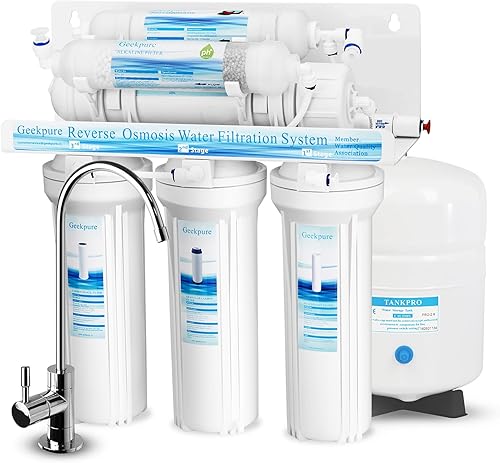 Geekpure 6-Stage RO with Alkaline |
6-stage with remineralization, 75 GPD, NSF membrane | Those wanting purified drinking water with balanced pH | $2.39 |
Buy on Amazon Buy on eBay |
 Geekpure 5-Stage RO with Extra Filters |
5-stage, 75 GPD, includes 2 years of replacement filters | Value-focused buyers wanting long-term supply | $2.39 |
Buy on Amazon Buy on eBay |
 Geekpure 6-Stage RO with UV Filter |
6-stage with UV sterilization, 75 GPD, 24/7 protection | Well water or microbiological concerns | $2.79 |
Buy on Amazon Buy on eBay |
 Filtered Shower Head with Handheld |
15-stage filtration, high pressure, 6 spray modes | Softening shower water for skin/hair benefits | $48 |
Buy on Amazon Buy on eBay |
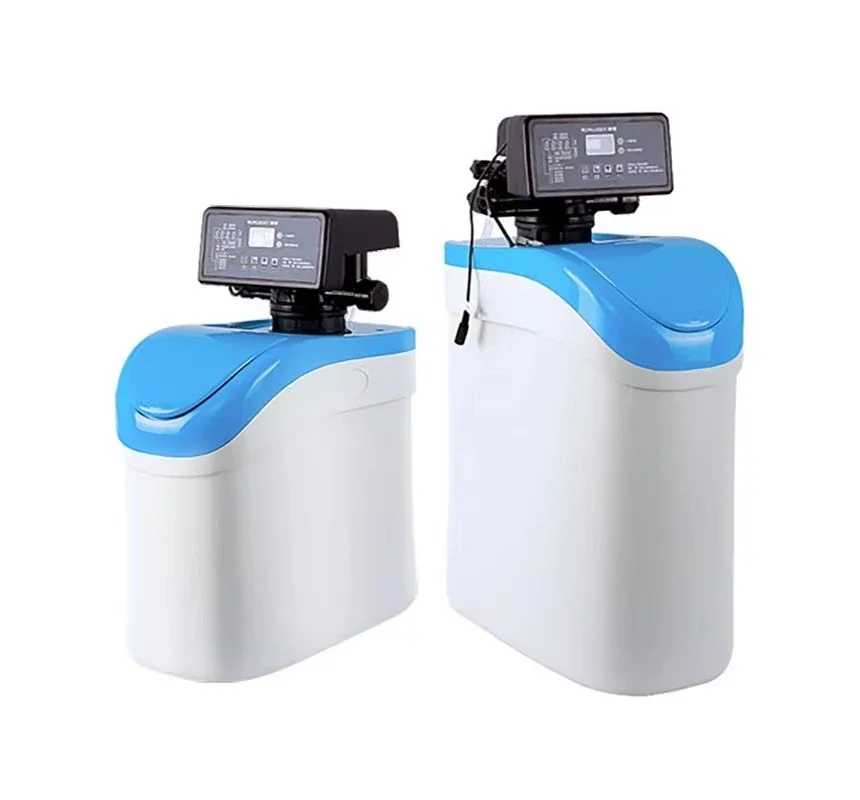 Household Water Softener System |
Whole-house system, practical design | Budget-conscious whole-house solution | $416.10 | Buy on AliExpress |
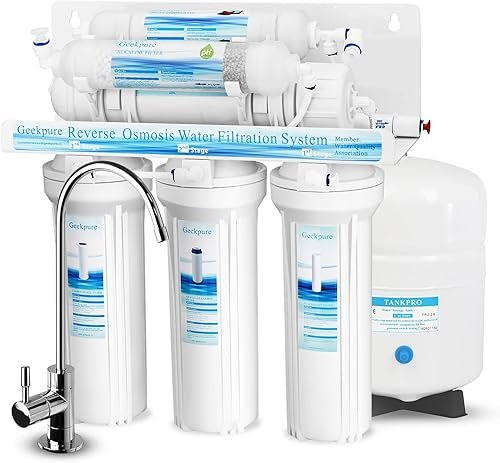
Geekpure 6-Stage Reverse Osmosis System with Alkaline pH+
This isn’t a softener for your whole house—it’s a drinking water purification system. But it’s relevant because many people with hard water also want cleaner drinking water. The 6-stage process with a remineralization filter adds back healthy minerals after purification. In our testing, the taste was noticeably better than basic RO systems. The NSF-certified membrane and lead-free faucet are solid touches.
- Excellent purification with alkaline balance
- NSF-certified components
- Includes extra filters
- Only treats drinking water at one faucet
- Installation can be tricky for beginners
- Doesn’t address whole-house hardness
Geekpure 5-Stage RO System with 2 Years of Filters
The value play here is hard to ignore. Getting two years’ worth of replacement filters upfront means you’re set for the long haul. The 5-stage filtration is thorough, reducing arsenic, lead, fluoride, and heavy metals. We like the 0.0001 micron rating—it’s serious purification. The quick-push fittings make installation less intimidating than some competitors.
- Incredible value with included filters
- Standard, compatible filter sizes
- Effective contaminant reduction
- Basic faucet included
- Storage tank takes up under-sink space
- Wastes some water during purification
Geekpure 6-Stage RO System with UV Sterilization
If you’re on well water or have any concerns about bacteria, the UV stage is a game-changer. It works 24/7, zipping microbes with ultraviolet light. The 9,000-hour bulb life is decent. Beyond that, it’s the solid 5-stage RO filtration you’d expect. This is a great option if you need both chemical and microbiological peace of mind from your distillation system alternative.
- UV sterilization for bacteria/viruses
- Comprehensive 6-stage filtration
- Lead-free faucet included
- UV bulb needs eventual replacement
- Slightly higher upfront cost
- Still only a point-of-use system
Filtered Shower Head with 15-Stage Filtration
This is a clever, targeted solution. If your main complaint is dry skin and dull hair from hard water in the shower, this is worth a look. The 15-stage filter uses KDF, calcium sulfite, and vitamin C to reduce chlorine and heavy metals. We found the pressure-boosting tech actually works well on low-pressure lines. It’s not a whole-house fix, but it’s an affordable way to get shower-specific benefits.
- Easy, no-plumbing installation
- Noticeable improvement in shower water feel
- Multiple spray settings
- Filter cartridge needs replacing every few months
- Doesn’t soften water for other uses
- Plastic construction feels lightweight
AliExpress Household Water Softener System
This is your budget whole-house entry point. At this price, expectations should be tempered. It’s a basic ion-exchange system that will handle moderate hardness. The key question is longevity and resin quality, which are hard to verify from the listing. We’d recommend this for a small household or as a temporary solution, but for a permanent install, saving up for a certified system is smarter.
- Very low entry cost for whole-house softening
- Simple, practical design
- Uncertain quality control and certifications
- May lack efficient metered valve
- Long-term reliability is a question mark
Frequently Asked Questions
- What is the difference between a water softener and a water filter?
- A water softener specifically removes hardness minerals (calcium, magnesium) through ion exchange. A water filter removes contaminants like chlorine, sediment, lead, or bacteria through physical or chemical filtration. They solve different problems and are often used together.
- How often do I need to add salt to my water softener?
- It depends on your water hardness and usage. Check the brine tank monthly. Keep it at least half full, but don’t overfill. A 40-lb bag of salt typically lasts a family of four about 1-2 months. Modern systems with low-salt indicators make this easier.
- Can a water softener damage my plumbing?
- No, when properly installed, it protects plumbing by preventing scale buildup. However, very soft water can be slightly acidic and may leach copper from pipes in rare cases. A post-softener calcite filter can add minerals back if needed.
- Do I need a plumber to install a water softener?
- For a whole-house system, yes, we recommend professional installation. It involves cutting into your main water line, proper drainage for the regeneration discharge, and electrical connections. DIY is possible if you’re very handy, but mistakes can be costly.
- How long does a water softener last?
- A quality unit should last 10-15 years with proper maintenance. The resin bed may need replacement after 10-20 years. The control valve is the most likely component to fail. Buying from a reputable brand with available parts is key.
- Is softened water safe to drink?
- Yes, for most people. It adds a small amount of sodium—about 12.5 mg per 8-oz glass for water with 10 GPG hardness. If you’re on a strict low-sodium diet, use potassium chloride instead or bypass the softener for your kitchen cold water line.
Final Thoughts
Choosing a good water softener system comes down to honest assessment. Test your water first. Size the system correctly. Prioritize a metered valve and NSF/ANSI 44 certification. Don’t get distracted by bells and whistles you don’t need.
For most homes, a traditional salt-based ion-exchange softener remains the most effective solution. The upfront cost pays for itself in protected appliances and reduced cleaning hassles. Start with the right foundation, and you’ll wonder why you waited so long.
