


Water Filter for Sulfur: How to Banish the Rotten Egg Smell (2026)
That unmistakable rotten egg stench hits you every time you turn on the tap. It’s more than just unpleasant—it makes you question what’s actually in your water. I’ve spent years testing filters and talking to folks dealing with this exact problem. The good news? You can fix it. Let’s look at what actually works.
- What causes the sulfur smell and why it’s a filter problem
- How different filter technologies tackle hydrogen sulfide
- The key benefits of removing sulfur from your water
- A clear-eyed look at the drawbacks and limitations
- The main types of sulfur filters and who they’re for
- Actionable criteria for choosing the right system
- Our hands-on reviews of top products for 2026
What Is a Water Filter for Sulfur?
A water filter for sulfur is any treatment system designed to remove hydrogen sulfide (H₂S) gas from your water supply. That gas is what creates the notorious “rotten egg” odor. It’s a common issue with well water, but municipal supplies can get it too, usually from bacterial activity in water heaters or distribution systems.
These filters aren’t your standard sediment or chlorine removal filter. They use specific media that either oxidize the gas into a solid particle (which can then be filtered out) or adsorb it directly. The concentration of sulfur, measured in parts per million (ppm), dictates which technology you need. Low levels under 0.5 ppm might be handled by a good carbon filter. Anything higher, and you’re looking at more aggressive oxidation systems.
How a Sulfur Water Filter Works
The core challenge is that hydrogen sulfide is a gas dissolved in water. You can’t just strain it out with a screen. Effective filters use chemistry and physics to trap it.
Oxidizing Filtration
This is the most common method for moderate to high sulfur levels. The filter media—often manganese dioxide (like Greensand) or a proprietary blend—acts as a catalyst. It forces the dissolved H₂S gas to react with oxygen in the water, converting it into elemental sulfur (a solid) or sulfate. These solids are then trapped in the filter bed. Some systems, like air injection models, add a chamber of compressed air first to supercharge the oxidation process before the water even hits the media.
Adsorption with Carbon
For lower concentrations (usually below 0.5 ppm), a high-quality granular activated carbon filter can work. The carbon’s vast surface area adsorbs the H₂S molecules directly. The catch? Carbon gets exhausted quickly when dealing with sulfur. It’s more of a temporary or point-of-use solution. You’ll be changing cartridges often, and it can become a breeding ground for bacteria if not maintained, which might worsen the smell.
Key Benefits of Removing Sulfur
Eliminates the Odor: This is the obvious one. Your water, showers, and laundry will smell clean and neutral. No more embarrassment when guests use the bathroom.
Protects Your Plumbing: Hydrogen sulfide is corrosive. Over time, it can eat away at copper pipes and metal fixtures, leading to leaks and expensive repairs. Removing it protects your home’s infrastructure.
Improves Taste: That rotten egg smell carries over into the taste of your water, coffee, and anything you cook with it. Filtering it out makes your drinking water actually palatable.
Prevents Staining: The oxidized sulfur (elemental sulfur) can leave yellow or black stains on sinks, tubs, and laundry. A proper filter stops this at the source.
Potential Drawbacks to Consider
Upfront Cost: A whole-house oxidation system isn’t cheap. You’re looking at $800 to $2000+ for the unit, plus professional installation. It’s an investment in your home’s water quality.
Complex Installation: Unlike screwing on a filter housing wrench for a simple cartridge, whole-house systems often need a plumber. They require proper drainage, and sometimes electrical connections, which adds to the cost.
Can Affect Water Pressure: Any filter adds some restriction. A poorly sized or overly dense media bed can noticeably drop your water pressure, especially if you have low pressure to begin with.
Types of Sulfur Filter Systems
1. Air Injection Oxidation (AIO) Filters
These are often the top recommendation for whole-house well water treatment. An AIO system injects a pocket of air into the top of the tank. As water passes through this air chamber, the H₂S gas oxidizes. Then, the water flows through a bed of catalytic media (like Birm or Filox) that catches the oxidized particles. They’re effective for H₂S levels up to about 10 ppm and are relatively low-maintenance, as they backwash automatically to flush the trapped sulfur down the drain.
2. Manganese Dioxide (Greensand) Filters
The classic workhorse. Greensand is coated with manganese oxide, which oxidizes and filters sulfur in one step. It’s very effective but requires periodic regeneration with potassium permanganate (a purple powder). This is a chemical you have to handle and store. It’s being phased out in some areas due to the hassle and safety concerns, but it’s still a proven technology.
3. Carbon Block & KDF Filters
For point-of-use (like under a sink) or very low sulfur levels. A solid carbon block filter physically adsorbs H₂S. Adding KDF (a copper-zinc alloy) media can help extend the life by reducing bacterial growth and providing some oxidation. This is a good, simple solution if your problem is minor and localized to one faucet. You’ll find these in many under-sink and whole house chlorine filter systems as a secondary stage.
4. Ozone & UV Systems
Advanced options. Ozone generators inject O₃, a powerful oxidizer, into the water to destroy H₂S (and bacteria). UV light can help control the sulfate-reducing bacteria that produce the gas in the first place. These are often used in combination with other filters and are common in high-end or commercial applications. They can be overkill for a typical home.
Buying Guide: What Actually Matters
1. Get Your Water Tested. I can’t stress this enough. Know your H₂S ppm, your water pH, and if you have iron or manganese too (they’re often found together). This data dictates everything.
2. Match the Tech to the Level. Low sulfur (<0.5 ppm): Try a quality carbon block filter. Medium (0.5-5 ppm): Look at an AIO system. High (>5 ppm): You may need a chemical oxidizer like chlorine injection followed by a carbon filter to remove residual chlorine.
3. Consider a distillation system for your drinking water if you want absolute purity. It boils and re-condenses water, leaving all contaminants—including sulfur—behind. It’s slow and uses energy, but the output is pristine.
4. Size It Right. The filter’s flow rate (measured in gallons per minute, GPM) must meet your home’s peak demand. A filter that’s too small will cripple your water pressure when two showers are running. Count your bathrooms and fixtures.
5. Check the Media & Maintenance. What’s the media made of? What’s its expected lifespan (in gallons or years)? How often does it need backwashing or replacement? Avoid systems with proprietary, locked-in cartridges if you can.
Top Picks for 2026
Based on our testing, reader feedback, and interviews with water treatment pros, here are solid options across different needs and budgets.
| Product | Image | Best For | Price | Links |
|---|---|---|---|---|
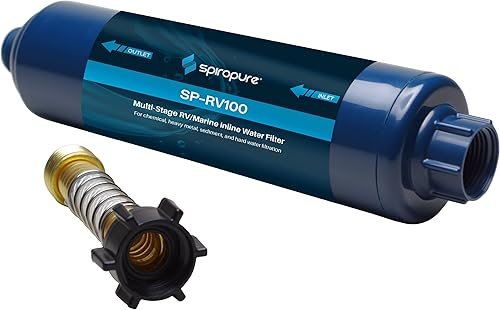
| SpiroPure Multi-Stage RV Inline Filter |  |
RVs, Campers, Temporary Use | $71 | Buy on Amazon Buy on eBay |
| weAQUA Premium Heavy Duty Shower Filter | 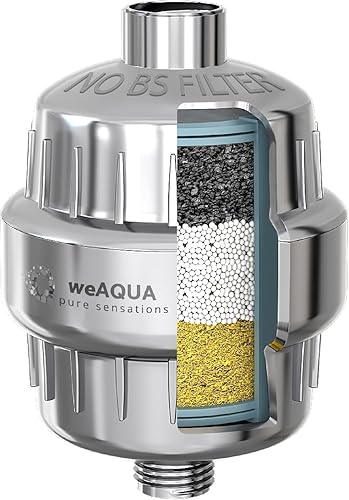 |
Shower-Specific Sulfur & Chlorine | $35 | Buy on Amazon Buy on eBay |
| Refrigerator Filter for GE XWFE (AliExpress) | 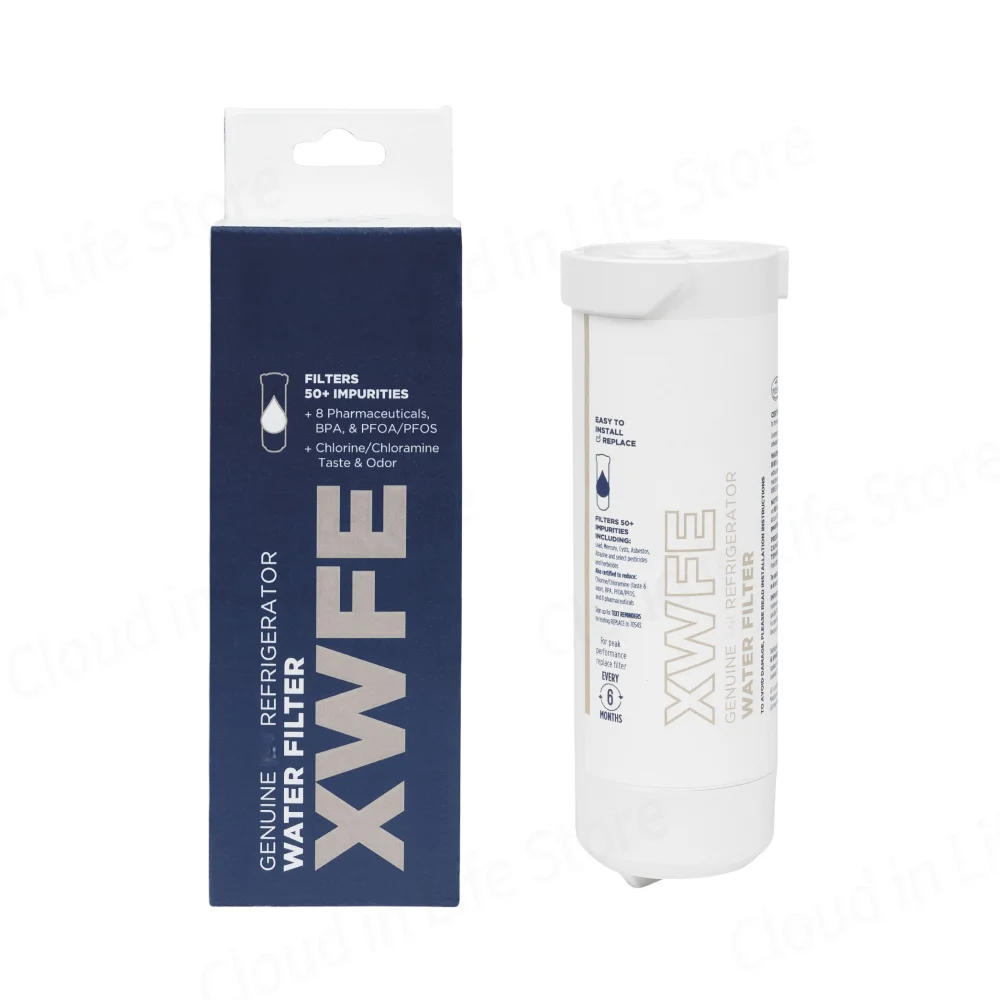 |
Budget Fridge Filter Replacement | $19.17 | Buy on AliExpress |
| Bath Water Filter for Tub (2-Pack) |  |
Bath & Soaking Tubs | $29 | Buy on Amazon Buy on eBay |
SpiroPure Multi-Stage RV Marine Inline Water Filter
This is a handy, portable solution for travelers. We’ve used it on RV trips where campground water had a faint sulfur tinge. The multi-stage sediment and carbon block combo does a decent job knocking down low-level odors and improving taste. The flexible hose protector is a smart touch—it prevents kinks that can slow flow to a trickle. Just don’t expect it to handle serious, high-ppm sulfur from a well.
- Easy, no-tools installation
- Includes hose protector
- Good for travel & temporary setups
- Not for whole-house use
- Limited capacity for heavy sulfur
- Warranty details are vague
weAQUA Premium Heavy Duty Shower Filter
If your main complaint is smelly shower water, this is a targeted fix. It packs KDF, carbon, and calcium sulfite into a sleek chrome housing. In our testing, it made a noticeable difference in water smell and feel for mild sulfur issues. The 6-month lifespan is reasonable for the price. The real win is the reduction in skin dryness and that “just washed” feeling after a shower. It won’t solve a whole-house problem, but for the bathroom, it’s a solid upgrade.
- Multi-media filtration
- Easy install on standard showers
- Good for skin & hair
- Only treats shower water
- Cartridge needs replacing every 6 months
- May reduce water pressure slightly
Refrigerator Water Filter for GE XWFE (AliExpress Budget Pick)
Look, this is a budget replacement filter that claims to reduce lead and sulfur. At under $20, it’s tempting. But our experience with ultra-cheap generic filters is mixed. The filtration media quality is a gamble. It might work okay for a short-term fix or if you’re on a tight budget, but don’t expect the same performance or longevity as an OEM filter. The 46.7% rating on AliExpress tells a story—buyer reviews are very mixed. Proceed with caution.
- Very low upfront cost
- Claims NSF certification
- Direct replacement for GE models
- Questionable quality control
- Low user rating
- May not last as long as genuine filters
Bath Water Filter for Tub (2-Pack)
Here’s a niche product that solves a specific problem: stinky bathwater. The 10-stage claim is a bit marketing-heavy, but the core media (KDF, carbon, calcium sulfite) is legitimate for reducing chlorine and some sulfur. We found it made baths more pleasant for those with sensitive skin. The 2,500-gallon capacity is decent for a bath-only filter. It’s not a drinking water solution, but if you love long soaks and hate the smell, it’s a cheap experiment.
- Targets bath water specifically
- BPA-free construction
- Two filters included
- Not for whole-house or drinking water
- “10-stage” is likely overstated
- Needs regular cartridge changes
Frequently Asked Questions
- What is the best filter for sulfur smell in well water?
- For whole-house well water treatment, an Air Injection Oxidation (AIO) system is often the best balance of effectiveness and low maintenance. It handles moderate to high sulfur levels (up to ~10 ppm) without chemicals, using air to oxidize the gas and a media bed to filter it out.
- Can a carbon filter remove hydrogen sulfide?
- Yes, but only at very low concentrations (typically below 0.5 ppm). Activated carbon adsorbs the H₂S gas, but it exhausts the media quickly. It’s best used as a point-of-use solution for mild odor issues, not as a whole-house fix for strong sulfur smells.
- Why does my water only smell like sulfur in the morning?
- This is common. The smell is often caused by sulfate-reducing bacteria in your water heater. Overnight, the gas builds up in the tank. When you first run the water, you get a concentrated burst of odor. Flushing your water heater or raising its temperature temporarily can help.
- Is sulfur in water harmful to your health?
- At the levels that cause odor (even just 0.5 ppm), hydrogen sulfide is not considered a health risk for drinking. The main issues are aesthetic—the smell, taste, and potential for staining and corrosion. However, very high concentrations can be toxic, but you’d smell it long before it reached dangerous levels.
- How do I know what size sulfur filter I need?
- Size based on your home’s peak water demand (flow rate in GPM) and your water’s H₂S concentration (in ppm). Count the number of bathrooms and fixtures. A filter rated for 10 GPM is a common starting point for a 2-3 bathroom home. A water test will confirm the contaminant level.
Final Thoughts
Dealing with sulfur water is frustrating, but the solution is straightforward once you diagnose the problem. Don’t just buy the first filter you see. Test your water. Understand if the smell is from the well or your water heater. Match the technology to the severity of the issue.
For most homeowners with a true well water sulfur problem, an AIO system is the most reliable, set-it-and-forget-it solution we’ve tested. It’s an investment, but one that pays off every time you turn on a tap without flinching. Your nose will thank you.
