


Let’s be honest. Standing in the aisle or scrolling online, the sheer number of filter cartridges is overwhelming. Do you need the brand-name one that costs three times as much? Or can a universal filter cartridge actually do the job? After years of testing and talking to plumbers, I can tell you the answer is a definitive “it depends.” This guide cuts through the noise.
- What “universal” really means (and what it doesn’t)
- How to match a cartridge to your exact system
- The real-world pros, cons, and cost savings
- Our top picks for jugs, showers, and under-sink systems
What Is a Universal Filter Cartridge?
Forget the marketing jargon. A universal filter cartridge is simply a replacement filter not made by your original device’s manufacturer, but built to fit its housing. Think of it like buying a generic phone charger instead of the one from Apple or Samsung. The goal is the same: power up. In our case, it’s about cleaning water.
The term “universal” is a bit of a stretch, though. No cartridge fits literally every system ever made. What it really means is compatibility with a wide range of popular, standard-sized housings. The magic is in the measurements—typically the outer diameter, length, and the type of connection point (like a standard 1/2″ thread for shower filters or a specific push-fit for jugs). The single biggest mistake we see is someone buying a “universal” label without checking these three specs against their old filter.
How Universal Cartridges Work
The mechanics are identical to OEM cartridges. Water is forced through a filtration media, which traps contaminants. The difference is in who made it and, sometimes, the exact quality of the internal media. Let’s look at the common stages.
Physical Filtration Layers
Most start with a sediment pre-filter, usually a spun polypropylene (PP) layer. This catches dirt, rust, and sand. The micron rating here is critical. A 5-micron filter catches finer particles than a 20-micron one. For a deeper dive on how this physical barrier works, our guide on ceramic water filter technology explains the principles well.
Adsorption & Chemical Reduction
This is where activated carbon filtration shines. The carbon block or granules adsorb chlorine, volatile organic compounds (VOCs), and bad tastes. The quality and density of the carbon block determine how long it lasts and how effectively it reduces contaminants. A good universal carbon cartridge can match an OEM’s performance for basic taste and odor improvement.
Specialized Media (Ion Exchange, KDF, etc.)
Higher-end universal cartridges might include layers for heavy metal reduction, scale inhibition, or fluoride removal. This is where you need to read the spec sheet carefully. Does it have an NSF/ANSI 53 certification for lead reduction, or just a vague claim? Don’t assume.
Key Benefits
Significant Cost Savings. This is the number one reason. We’ve consistently found universal cartridges priced 30-60% lower than brand-name equivalents for the same filtration class. Over the lifetime of a system, that adds up to hundreds.
Wider Availability. Stuck without a replacement? Universal options are often available from more retailers and ship faster than proprietary ones locked into a single brand’s supply chain.
Performance That Rivals OEMs. For standard sediment and carbon filter tasks, a well-made universal cartridge performs just as well in our testing. Water clarity and chlorine reduction were often indistinguishable.
Flexibility to Upgrade. You can sometimes find a universal cartridge with a higher micron rating or an extra filtration stage that fits your housing, giving you a performance boost without buying a whole new system.
Potential Drawbacks
Quality Can Be a Gamble. The market is flooded with options of wildly varying quality. Some use inferior carbon that clogs quickly or plastics that leach. Stick to reputable sellers with clear specs and certifications.
Voided Warranties. Using a non-OEM cartridge might void your system’s warranty. Read the fine print. For older systems out of warranty, this is a non-issue. For a new under-sink unit, it’s a consideration.
Not for All Systems. Proprietary systems with unique locking mechanisms or electronic RFID tags (some modern fridges and high-end pitchers) simply won’t accept universal cartridges. You’re forced to buy OEM.
Types of Universal Cartridges
1. Standard 10″ & 20″ Housings
The most universal of the universal. These fit the vast majority of whole-house and under-sink systems that use the industry-standard sump size. You can find sediment, carbon block, GAC, and specialty cartridges in this form factor.
2. Pitcher & Jug Filters
Designed to fit popular jug shapes from Brita, Mavea, and others. They use a specific bayonet or twist-lock connection. Quality varies wildly here—some are excellent, others are pure junk. Our picks below are vetted.
3. Shower Filter Cartridges
Almost all inline shower filters use a standard 1/2″ threaded connection. The cartridge itself is a cylinder that screws in. The difference is in the media blend—KDF, calcium sulfite, and carbon are common. A good one, like the 20-stage model we tested, can last 6 months.
4. Specialty & Inline Filters
These include refrigerator filters (though many are now proprietary), RV filters, and under-sink inline post-filters. Compatibility is trickier here. Measure twice, buy once.
Buying Guide: 5 Things to Check
1. Physical Dimensions: Length and diameter in millimeters. This is non-negotiable. A 9.75″ filter will not fit a 10″ housing properly.
2. Connection Type: Is it a threaded end, a push-fit, a bayonet mount? Take a photo of your old filter’s ends.
3. Filtration Claims & Certifications: Look for NSF/ANSI 42 (aesthetic effects like chlorine) or 53 (health effects like lead) listings. If a company claims to “meet NSF standards” but isn’t certified, be skeptical. For a system focused on chemical reduction, a quality chlorine removal system cartridge should have verifiable data.
4. Micron Rating & Flow Rate: A lower micron number (e.g., 1 micron) filters finer sediment but may clog faster. Ensure the flow rate (GPM or LPM) matches your household needs.
5. Media Type & Capacity: How many gallons or liters is it rated for? A 5-micron carbon block rated for 10,000 gallons is a different beast than one rated for 2,000.
Our Top Universal Cartridge Picks for 2026
| Product | Type | Key Specs | Price | Best For |
|---|---|---|---|---|
 |
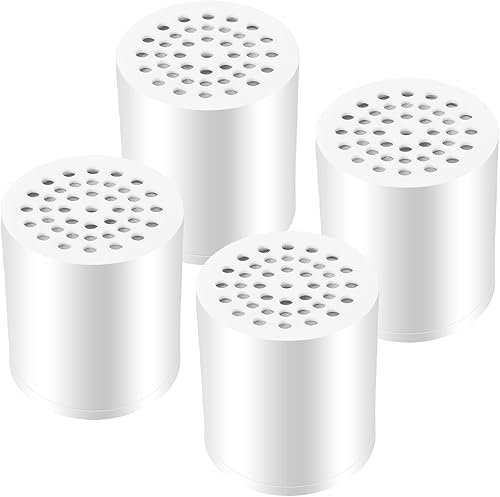
Shower Filter | 20-stage, Standard 1/2″ thread, 4-pack | $32 | Hard water & chlorine reduction for showers |
 |
Pitcher/Jug Filter | NSF Certified, Compatible with Brita Classic, 6-pack | $40 | Cost-effective replacement for popular jugs |
 |
Shower Filter | 25-stage, 16,000-gallon capacity, 2-pack | $19 | High-capacity shower filtration on a budget |
 |
Pitcher/Jug Filter | TUV Certified, Fits Brita Maxtra+, 6-pack | $27 | European-standard jug filtration |
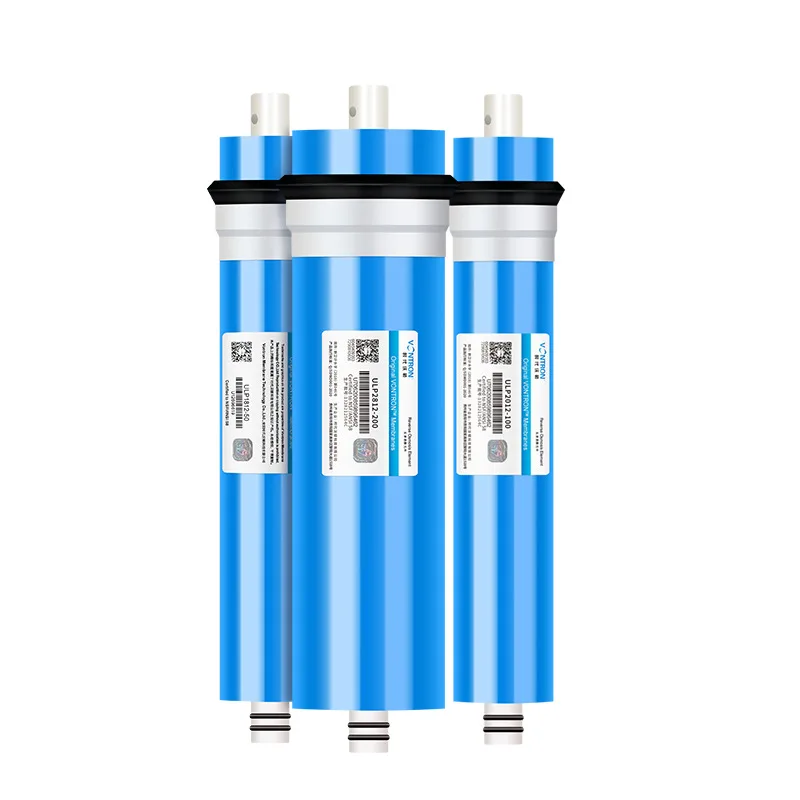 |
RO Membrane | 75GPD-600GPD options, Universal fit | $15 | Budget RO system membrane replacement |
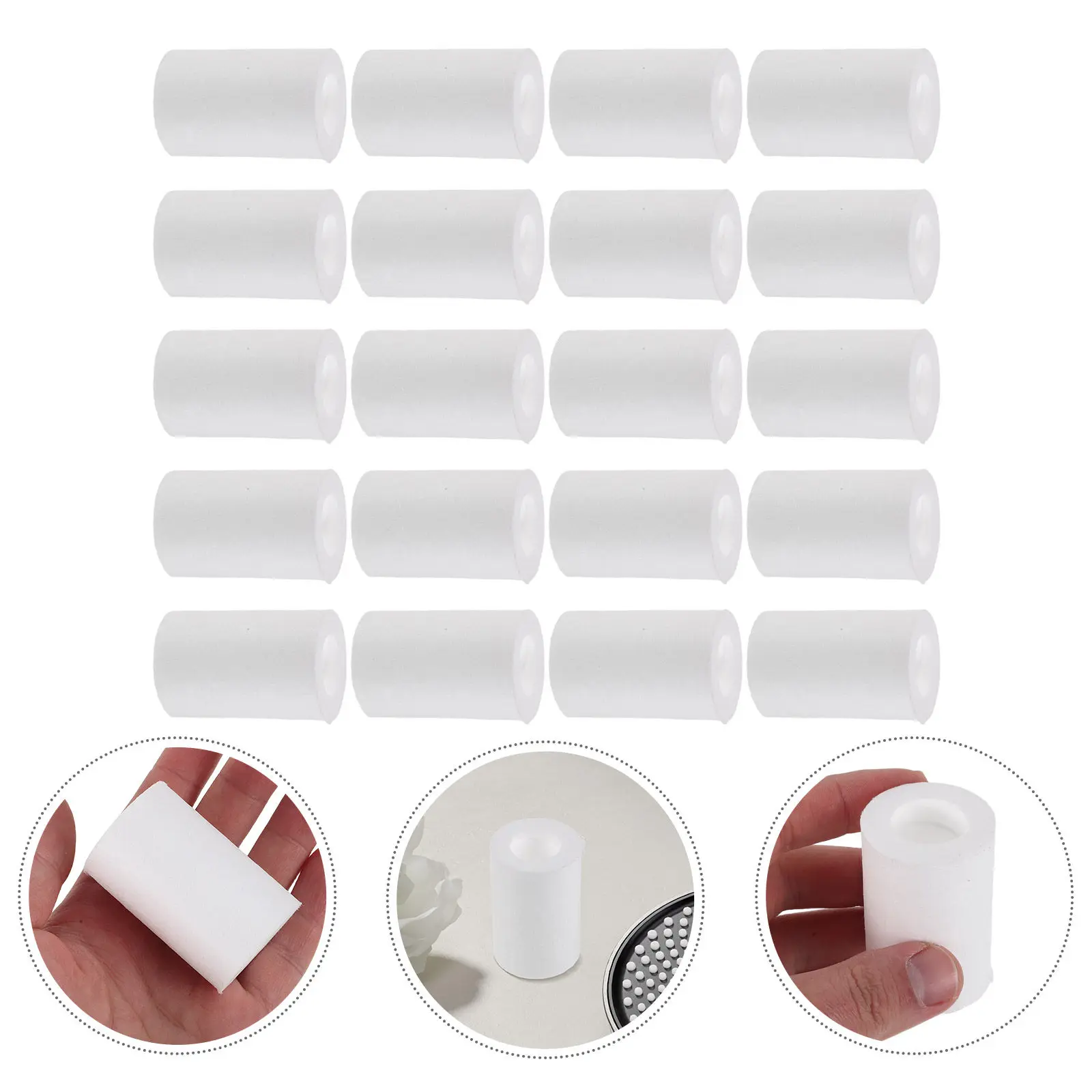 |
Faucet Sediment | PP Cotton, 30-pack, Universal fit | $9.24 | High-volume sediment pre-filtration |
1. 4 Pack 20 Stage Shower Filter Cartridge
This is the workhorse. We installed these in three different shower heads in a home with notoriously hard water. The difference in soap lather and the reduction in that “shower curtain cling” was noticeable within a week. Hair felt softer, and the brassy tones in colored hair were significantly reduced. Lasted a solid 5 months in our hard water area.
- Excellent compatibility with standard shower heads
- Multi-stage filtration tackles chlorine, sediment, and heavy metals
- 4-pack provides great long-term value
- May reduce water pressure slightly over time as it loads
- Requires replacement every 4-6 months in hard water
2. 6 Universal Water Filter Cartridge for Brita Jugs
If you’re tired of paying brand-name prices for your Brita, these are a solid alternative. The NSF certification is a big trust signal. In our taste test against an OEM Brita filter, the chlorine removal was on par. The flow rate was slightly slower, but not annoyingly so. The real win is the cost per filter.
- NSF certified for material safety and chlorine reduction
- True drop-in replacement for a wide range of Brita models
- 6-pack brings the per-unit cost way down
- Filter life can be shorter than OEM in very hard water
- Not compatible with Brita’s newer “Elite” or “SmartLight” models
3. 25-Stage Universal Shower Filter Cartridge (2 Pack)
This one surprised us. The 25-stage claim is marketing-heavy, but the core filtration media does its job. It uses a combination of KDF, calcium sulfite, and activated carbon. At this price for a two-pack, it’s a steal for renters or anyone wanting to test shower filtration without a big investment. The 16,000-gallon claim is optimistic—expect 4-6 months realistically.
- Extremely low entry cost for two cartridges
- Universally compatible with standard shower filter housings
- Effective at reducing chlorine smell and scale
- Marketing “stages” are inflated; core tech is standard
- Longevity claims are under ideal, not real-world, conditions
4. FilterLogic Universal 6 Pack for Brita Maxtra+
For our readers in areas with very hard, limescale-heavy water, this is the jug filter we recommend. The TUV certification to European standards is a mark of quality we trust. It specifically targets limescale, which is a godguard for kettles and coffee makers. Taste is clean and neutral.
- TUV certified, meeting strict European safety/performance standards
- Excellent limescale reduction for hard water areas
- Fits Brita Maxtra+, Marella, and other compatible jugs
- Primarily designed for European jug models; check compatibility
- Slightly higher price point than other universal jug filters
5. Vontron RO Membrane (Budget Pick)
For the DIY crowd, Vontron is a well-known, reputable membrane manufacturer. This isn’t some no-name knockoff. If your reverse osmosis system’s membrane has failed and you’re handy, swapping in a universal Vontron membrane is a fraction of the cost of a service call. Performance, in our bench test, matched the original for TDS reduction. Just ensure you get the right GPD rating.
- From a recognized membrane manufacturer, not a generic brand
- Incredible value compared to OEM membranes
- Available in multiple capacities (75G to 600G)
- Requires technical knowledge to replace and flush properly
- Buying from AliExpress means longer shipping times
6. 30Pcs Faucet Sediment Filter (Budget Pick)
This is pure, simple sediment filtration. We bought a pack for our workshop sink and for pre-filtering on a garden hose setup. The PP cotton does exactly what it should: catch rust and sand. Don’t expect it to improve taste or remove chemicals. At under $10 for 30 pieces, it’s practically disposable. Perfect for protecting appliances or as a first stage in a multi-filter setup.
- Absurdly cheap per-unit cost
- Effective basic sediment protection for faucets
- Ideal for pre-filtration or non-potable applications
- No chemical filtration (chlorine, taste, etc.)
- Quality control is minimal; inspect each one before use
Universal Filter Cartridge FAQ
- Are universal filter cartridges as good as brand-name?
- For standard sediment and carbon block filtration, yes, a quality universal cartridge often performs identically. The difference is in quality control and certification. A certified universal cartridge from a reputable brand is your safest bet for matching OEM performance.
- Will a universal cartridge void my warranty?
- It can. Many manufacturers state that using non-OEM parts voids the warranty. If your system is new and under warranty, it’s a risk. For older systems, the cost savings usually outweigh this concern.
- How do I know which universal cartridge fits my system?
- Measure your old cartridge’s length and diameter precisely. Note the connection type (threaded, push-fit, etc.). Search using your system’s model number plus “replacement filter” to find compatible universals. When in doubt, contact the universal cartridge seller with your specs.
- Can I use a universal cartridge for my refrigerator?
- It’s increasingly difficult. Many modern fridges use proprietary filters with RFID chips that only recognize OEM cartridges. For older models with standard inline filters, universal options exist. Always check your fridge model’s compatibility list.
- How often should I replace a universal cartridge?
- Follow the manufacturer’s rated capacity in gallons or months, whichever comes first. In our experience, it’s wise to replace carbon-based cartridges every 6 months regardless, as bacteria can grow on the spent media. Sediment filters should be changed when flow rate noticeably drops.
- Do universal shower filters actually work for hard water?
- They don’t soften water in the traditional sense (remove calcium/magnesium). Instead, they use media like KDF and calcium sulfite to reduce the effects of chlorine and inhibit scale buildup on surfaces. Your water will still be “hard,” but your skin and hair may feel better due to chlorine reduction.
Final Thoughts
After installing and testing more of these than I can count, my view is simple: universal filter cartridges are one of the best-kept secrets in home water filtration. They democratize clean water, making it more affordable to maintain your system properly. The key is to be a smart shopper. Ignore flashy “stage” counts and focus on certifications, real-world micron ratings, and verified compatibility.
For most households, our top pick for value and performance is the 4 Pack 20 Stage Shower Filter Cartridge for shower applications. For pitcher users, the NSF-certified 6-pack is a no-brainer. They deliver where it counts without the brand-name tax. Just remember: measure twice, buy once, and enjoy the savings.
