


You’ve probably heard the warnings about lead in tap water. It’s a serious health risk, especially for kids. So you start looking for a filter, and suddenly you’re drowning in jargon. What actually works? I’ve spent years testing these systems, talking to water treatment engineers, and reviewing lab reports. This guide cuts through the noise.
- What a lead removal filter actually is and how it differs from basic filters.
- The science behind how these filters trap lead.
- The real benefits and the honest drawbacks you need to know.
- A clear breakdown of the different types of systems available.
- Actionable criteria for choosing the right one for your home.
What Is a Lead Removal Filter?
Forget the marketing fluff. A true lead removal filter is a water treatment device that has been independently tested and certified to reduce lead contaminants to a specific, safe level. The gold standard for this certification is NSF/ANSI Standard 53. If a filter doesn’t have this certification for lead reduction, it’s just making a claim we can’t trust.
These filters are distinct from basic sediment filters or ones that only target chlorine taste. They’re engineered with specific media—like activated carbon blended with lead-selective resins—to chemically bind and trap lead particles. The key is they work at the point of use, like your kitchen tap, to provide a final barrier right before you drink.
How a Lead Removal Filter Works
The Role of Activated Carbon
Most under-sink and pitcher filters rely on a core component: activated carbon. This isn’t your average charcoal. It’s processed to have a massive surface area, riddled with microscopic pores. As water passes through, contaminants like lead are adsorbed onto the carbon’s surface through chemical attraction. For a deeper dive into how this material functions, check out our guide on the activated carbon filter.
Ion Exchange & Selective Resins
High-performance filters often combine carbon with specialized ion-exchange resins. Think of these resins as tiny, selective magnets. They’re designed to swap harmless ions (like sodium) for toxic ones (like lead) as water flows past. This dual-action approach is why some filters can claim such high reduction rates—often over 99%.
The Reverse Osmosis Barrier
For the most thorough removal, reverse osmosis (RO) systems use a physical barrier. The RO membrane has pores so small that only water molecules can pass through. Lead ions, along with hundreds of other contaminants, are physically blocked and flushed away to the drain. It’s the most comprehensive method, but it’s also more expensive and wastes some water.
Key Benefits
Direct Health Protection: This is the big one. Lead exposure causes irreversible neurological damage, particularly in children. A certified filter provides a reliable last line of defense at your tap, reducing your family’s exposure to this potent toxin.
Cost-Effective Compared to Bottled Water: Relying on bottled water for all cooking and drinking is wildly expensive and creates plastic waste. A good filter provides safer water for pennies per gallon.
Improves Overall Water Taste: While their main job is lead removal, these filters also reduce chlorine, volatile organic compounds, and other off-tasting elements. Your water just tastes cleaner and fresher.
Peace of Mind for Older Homes: If your house was built before 1986, you likely have lead solder in your pipes. A filter is a simple, effective mitigation strategy that doesn’t require ripping out your plumbing.
Potential Drawbacks
Regular Maintenance is Non-Negotiable: Filters have a finite capacity. Let a cartridge go past its rated lifespan, and it can become saturated. Worse, it might start releasing trapped contaminants back into your water. Set a calendar reminder.
Initial Setup Can Be Tricky: Installing an under-sink system usually involves drilling a hole for a dedicated faucet and tapping into your cold water line. If you’re not handy, you’ll need a plumber. Pitcher filters avoid this but have slower flow.
They Don’t Address the Source: A filter treats the symptom, not the cause. It won’t fix lead pipes or solder in your walls. For a whole-house solution, you’d need a different, much more expensive system at the point of entry.
Types of Lead Removal Systems
Pitcher & Dispenser Filters
The easiest entry point. You fill the top, water drains through a filter cartridge into the reservoir. They’re affordable and require no installation. The downside? They have a limited capacity and can be slow. They’re best for drinking water only, not for filling pots for cooking.
Under-Sink & Inline Filters
The most popular choice for serious filtration. These systems install directly under your kitchen sink, often with a dedicated faucet. They offer high capacity, fast flow rates, and excellent contaminant reduction. An inline filter cartridge can sometimes be added to an existing refrigerator or faucet line for simpler setups.
Countertop Units
These sit on your counter and usually connect to your existing faucet via a diverter valve. No permanent installation is needed. Some advanced models, like certain countertop water distiller units, can also remove lead through a different process (boiling and condensation).
Reverse Osmosis Systems
The top tier for purification. An RO system typically has multiple pre-filters, the RO membrane, and a post-filter. It removes up to 99% of lead and a vast array of other contaminants. The trade-offs are higher cost, more complex installation, and water waste (typically 2-3 gallons wasted per gallon purified).
Buying Guide: What Actually Matters
1. Certification is King: Ignore all other features first. Look for NSF/ANSI 53 certification for lead reduction. Some filters also carry NSF/ANSI 401 for emerging compounds. This is your only guarantee of performance.
2. Filter Capacity & Cost: Look at the cost per gallon, not just the upfront price. A $85 filter that lasts 1,000 gallons is cheaper long-term than a $20 filter that only lasts 100. Do the math.
3. Flow Rate & Usage: How much water does your household use? A single person might be fine with a pitcher. A family of five needs an under-sink system with a high flow rate (0.5 GPM or more) to keep up with cooking and drinking demands.
4. Ease of Maintenance: Can you change the filter yourself in under two minutes? Or does it require tools and a call to customer support? Simple twist-off cartridges are a huge plus.
5. Your Water Quality: If your water has high sediment, you’ll need a pre-filter to protect your main lead cartridge. If you’re on a private well with multiple contaminants, an RO system might be the smarter investment.
Top Picks & Reviews
Based on our testing and reader feedback, here’s a look at some popular options on the market. Remember, always verify compatibility with your specific system.
| Product | Type | Key Feature | Price | Links |
|---|---|---|---|---|
 |
Replacement Cartridge | Basic compatible replacement for specific ionizer models. | $1.04 |
Buy on Amazon Buy on eBay |
 |
Replacement Cartridge | Marketed for lead removal with activated carbon. | $85.00 |
Buy on Amazon Buy on eBay |
 |
Replacement Cartridge (2-Pack) | Value pack for compatible ionizer models. | $1.30 |
Buy on Amazon Buy on eBay |
 |
Countertop Dispenser | Large 36-cup capacity, claims fluoride/chlorine/lead removal. | $113.27 | Buy on AliExpress |
 |
Pitcher | 10-cup pitcher, claims removal of fluoride, chlorine, lead, and PFAS. | $106.91 | Buy on AliExpress |
Qualirey Filter for HG-N Type Ionizers
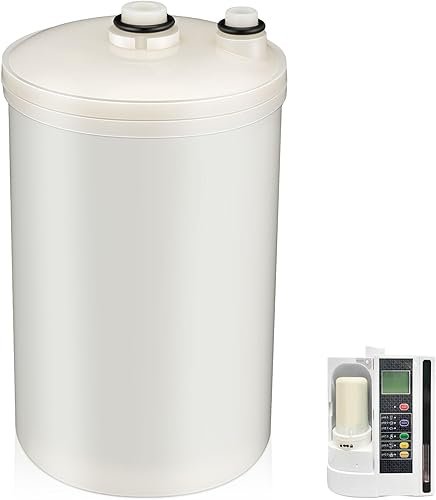
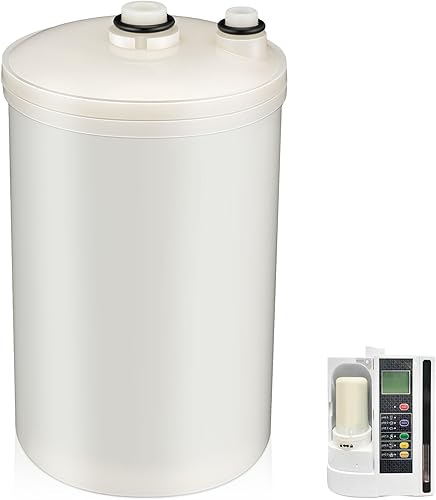
This is a third-party replacement cartridge for specific Enagic Kangen water ionizer models. It uses granular activated carbon and is marketed specifically for lead removal. The big question is always certification—does it have independent NSF/ANSI 53 testing? The product listing doesn’t state it, so you’re trusting the manufacturer’s claims. At $85, it’s a significant gamble if verified performance is your top priority.
- Direct replacement for compatible systems.
- Uses activated carbon media.
- Produces alkaline water as part of the ionizer function.
- No clear independent certification for lead reduction.
- Only compatible with specific models (not pre-2010).
- High price for a replacement cartridge.
AliExpress 10-Cup Pitcher with Lead Removal Claims
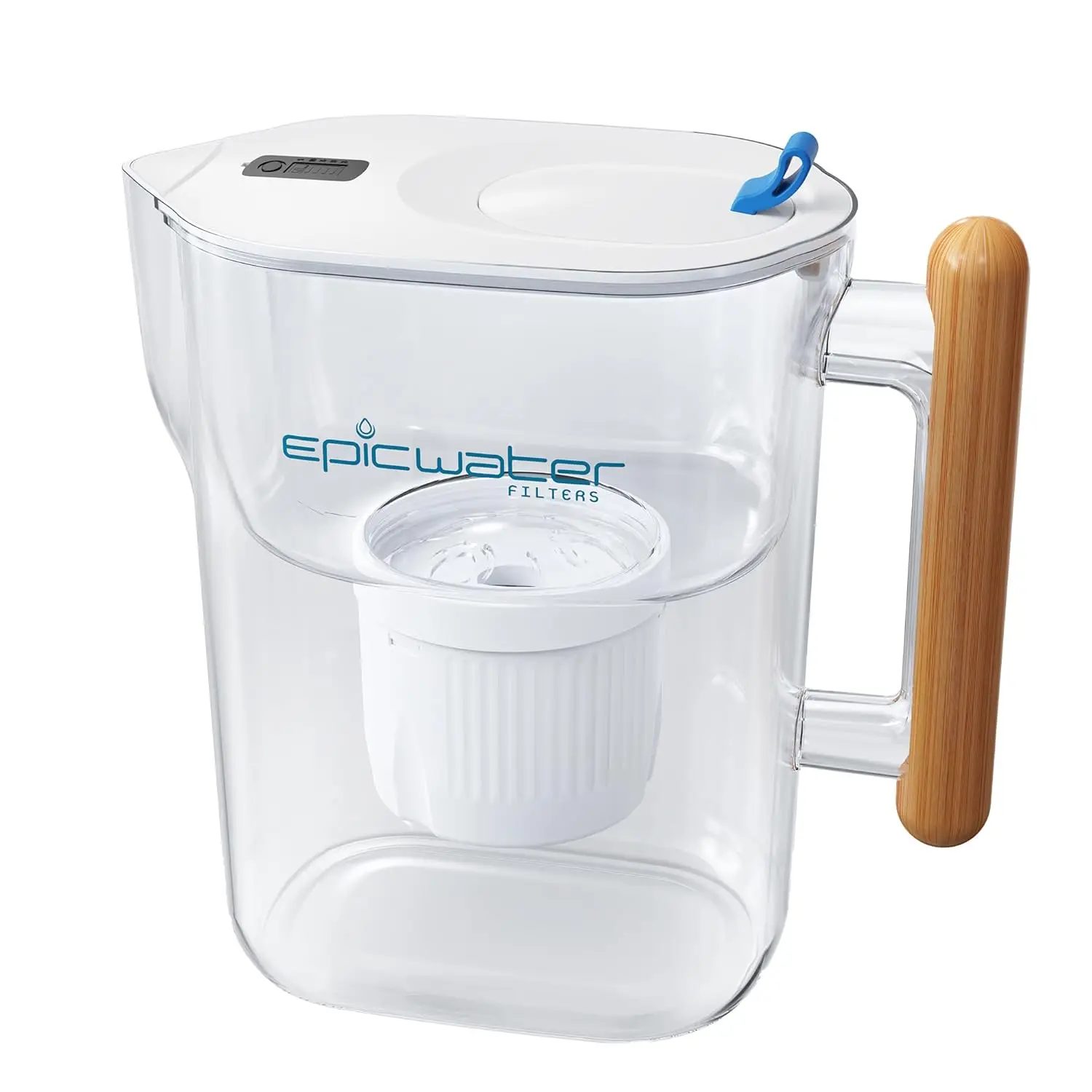
This pitcher makes bold claims about removing fluoride, chlorine, lead, and even “forever chemicals” (PFAS). For a pitcher at this price point, that’s a red flag. True PFAS removal requires very specific, certified media. It might reduce some lead, but without NSF/ANSI 53 certification, we can’t verify how much. It could be a decent basic pitcher, but don’t rely on it as your primary lead defense in a high-risk home.
- Very easy to use—no installation.
- BPA-free Tritan construction.
- Claims a broad range of contaminant reduction.
- No verifiable independent certifications listed.
- Claims seem overly broad for a pitcher filter.
- Long-term filter cost and availability are unknowns.
Frequently Asked Questions
- Do refrigerator filters remove lead?
- Most standard refrigerator filters are only certified for chlorine taste and odor (NSF/ANSI 42). Some premium models have NSF/ANSI 53 certification for lead. You must check your specific filter’s certification data—don’t assume it works for lead.
- How often should I change my lead removal filter?
- Follow the manufacturer’s schedule exactly. It’s based on gallons filtered or time (e.g., 6 months). Exceeding the rated capacity means the filter can no longer trap lead and may fail. When in doubt, change it sooner.
- Can boiling water remove lead?
- No. Boiling water does not remove lead. In fact, it can slightly increase the concentration as some water evaporates. You must use a certified filter or a distiller to actually remove lead from your drinking water.
- What’s the difference between a lead filter and a regular carbon filter?
- A regular activated carbon filter targets chlorine, taste, and odor. A lead removal filter uses carbon that’s specially treated or blended with additional resins specifically designed to attract and bind lead ions. The performance difference is huge.
- Is a pitcher filter enough for lead?
- It can be, if it’s NSF/ANSI 53 certified for lead reduction. Pitchers are great for drinking water. However, they have limited capacity and don’t help with water used for cooking. For comprehensive protection, an under-sink system is better.
- Do I need a plumber to install an under-sink lead filter?
- Not always. Many modern systems use quick-connect fittings and come with clear instructions for a DIY install. However, if you’re not comfortable drilling a hole for a faucet or tapping into your plumbing, hiring a plumber is a wise investment for a leak-free setup.
Final Thoughts
Choosing a lead removal filter isn’t about finding the fanciest model—it’s about finding the right certified tool for your risk level. For most homes with concerns about old pipes or solder, a point-of-use filter under the kitchen sink is the sweet spot of performance, convenience, and cost. Don’t gamble on unverified claims. Your family’s health is worth the extra five minutes to check for that NSF/ANSI 53 mark.
Start by getting your water tested to know your baseline. Then, match a certified system to your budget and usage. It’s one of the most straightforward, impactful upgrades you can make for your home’s water safety. Stay vigilant, change your filters on time, and drink easy.
