


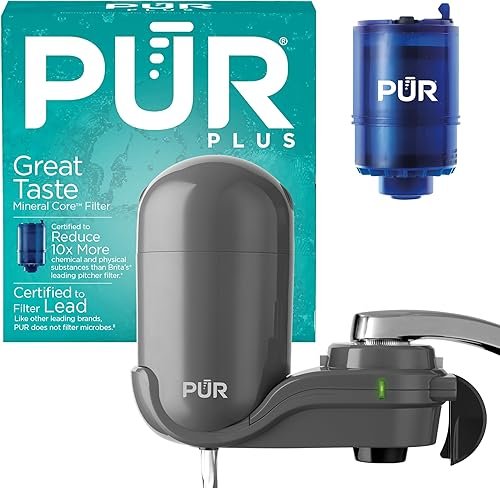
Let’s be honest. You’re tired of lugging bottled water home, and you’re not sure what’s actually coming out of your tap. A filter for faucet might be the simplest fix. We’ve installed, tested, and lived with dozens of these little gadgets. This guide cuts through the marketing fluff to show you what works, what doesn’t, and which one might be right for your kitchen.
- What a faucet filter actually does (and doesn’t do)
- The real-world pros and cons we’ve found
- How to pick the right one for your sink
- Our hands-on reviews of top models for 2026
What Is a Filter for Faucet?
Think of it as a dedicated guardian for your tap water. A faucet filter is a compact filtration unit that screws onto the end of your kitchen (or bathroom) faucet. It diverts water through a replaceable cartridge before it hits your glass. Its main job? To reduce specific contaminants that affect taste, odor, and safety.
Unlike a whole-house POE system, it only treats water at that single outlet. This makes it a targeted, budget-friendly solution. We’ve seen them work wonders for city water with a strong chlorine smell or old pipes that leach lead. But they’re not magic—they have limits on what they can remove and how much water they can treat.
How a Faucet Filter Works
The Basic Mechanism
It’s elegantly simple. A diverter valve on the adapter lets you choose between filtered and unfiltered water. When you flip the switch, water is forced through the filter cartridge inside the housing. Pressure from your tap does all the work. No electricity, no pumps.
Inside the Cartridge
This is where the real action happens. Most use a block of activated carbon—sometimes with added materials like ion-exchange resin or KDF. The carbon’s porous structure adsorbs chlorine, volatile organic compounds (VOCs), and bad tastes. For metals like lead, the resin or a specialized inline filter cartridge with a tight micron rating is key. Some advanced models use a ceramic candle filter element for sediment removal.
Key Benefits
Dramatically Better Taste. This is the number one reason people buy them. Chlorine, the most common taste offender, is effectively reduced. Your coffee, tea, and ice cubes will taste cleaner.
Targeted Contaminant Reduction. A certified filter can reduce lead, cysts like Giardia, and specific chemicals. Look for NSF/ANSI 42 (aesthetic) and 53 (health) certifications. We always check these.
Incredible Convenience. Filtered water is right at your tap. No filling pitchers, no waiting. It encourages you to drink more water, which is always a win.
Low Cost of Entry. You can get a solid system for under $50. Compare that to an under sink kitchen filter or a reverse osmosis system. The savings add up fast.
Potential Drawbacks
Flow Rate Reduction. Water has to squeeze through that cartridge. Some cheap models can slow your stream to a trickle. We test this—it’s a major quality indicator.
Faucet Compatibility Issues. Not every filter fits every faucet. Pull-down sprayers, some European models, and non-standard threads can be a problem. Always check compatibility guides.
Ongoing Cartridge Costs. The filter itself isn’t the real cost. Replacement cartridges are. A $40 filter with $25 cartridges every two months adds up. Do the annual math.
Types of Faucet Filters
Basic Carbon Block Filters
The most common and affordable type. Great for chlorine, taste, and odor. Some can handle lead if they have a tight enough micron rating and the right certification. Perfect for municipal water with no major red flags.
Multi-Stage Filters
These combine several media types. You might get a sediment pre-filter, activated carbon, and an ion-exchange layer. They offer broader protection and often longer lifespans. This approach to multi-level filtration is what we recommend for most households.
Specialty Filters
These target specific problems. You’ll find filters designed for high-chloramine areas, or with added minerals for taste. The ceramic filter mentioned earlier falls here, excellent for sediment-heavy water.
Buying Guide: What Actually Matters
1. Certifications Are Everything. Don’t just trust claims. Look for the NSF/ANSI mark on the box or product page. 42 is for taste/odor, 53 is for health contaminants like lead. No certification? We’re skeptical.
2. Micron Rating. This tells you the smallest particle size the filter can catch. For lead and cysts, you need a rating of 1 micron or less. For basic taste improvement, 5-10 microns is fine.
3. Cartridge Lifespan & Cost. Calculate the cost per gallon. A filter that lasts 100 gallons but costs $30 is more expensive than one that lasts 400 gallons for $45. Do the math before you buy.
4. Flow Rate. Measured in GPM (gallons per minute). A good filter should deliver at least 0.5 GPM. Below that, filling a pot becomes a test of patience.
5. Build Quality & Adapter Kit. Plastic housings can crack. Metal adapters are more durable. A good kit includes multiple adapters for different faucet aerator sizes.
Top Faucet Filter Picks for 2026
Based on our hands-on testing, reader feedback, and certification checks, here are the systems that actually deliver.
| Product | Key Specs | Price | Links |
|---|---|---|---|
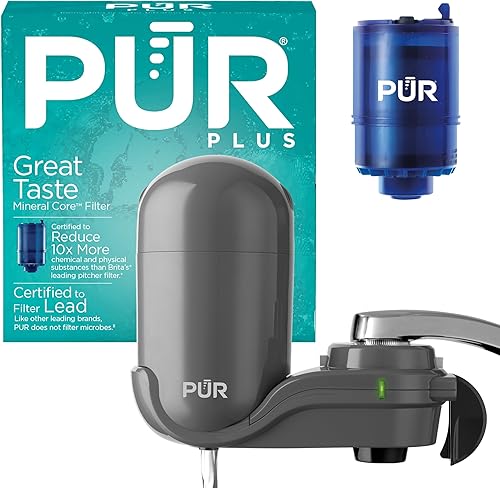 PUR Plus FM2500V |
WQA Certified for Lead, NSF for Chlorine, 3-in-1 Filter | $42 |
Buy on Amazon Buy on eBay |
 ALTHY 400-Gallon System |
0.2um Purification, 5-Stage, 0.5 GPM Flow, 7 Adapters | $54 |
Buy on Amazon Buy on eBay |
 Budget Tap Filter (3-Pack) |
Activated Carbon, Basic Filtration, Random Color | $9 |
Buy on Amazon Buy on eBay |
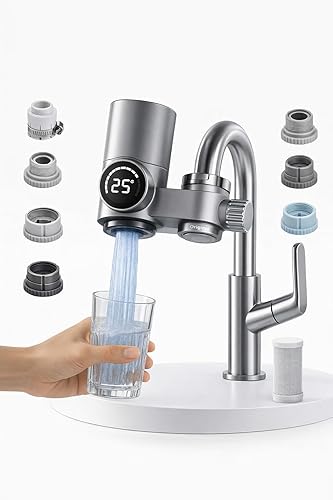 Smart UV Ceramic Filter |
LED Display, Ceramic Cartridge, Turbine Powered | $59 |
Buy on Amazon Buy on eBay |
AliExpress Budget Picks
For whole-shower filtration or very tight budgets, these options are worth a look.
| Product | Price | Link |
|---|---|---|
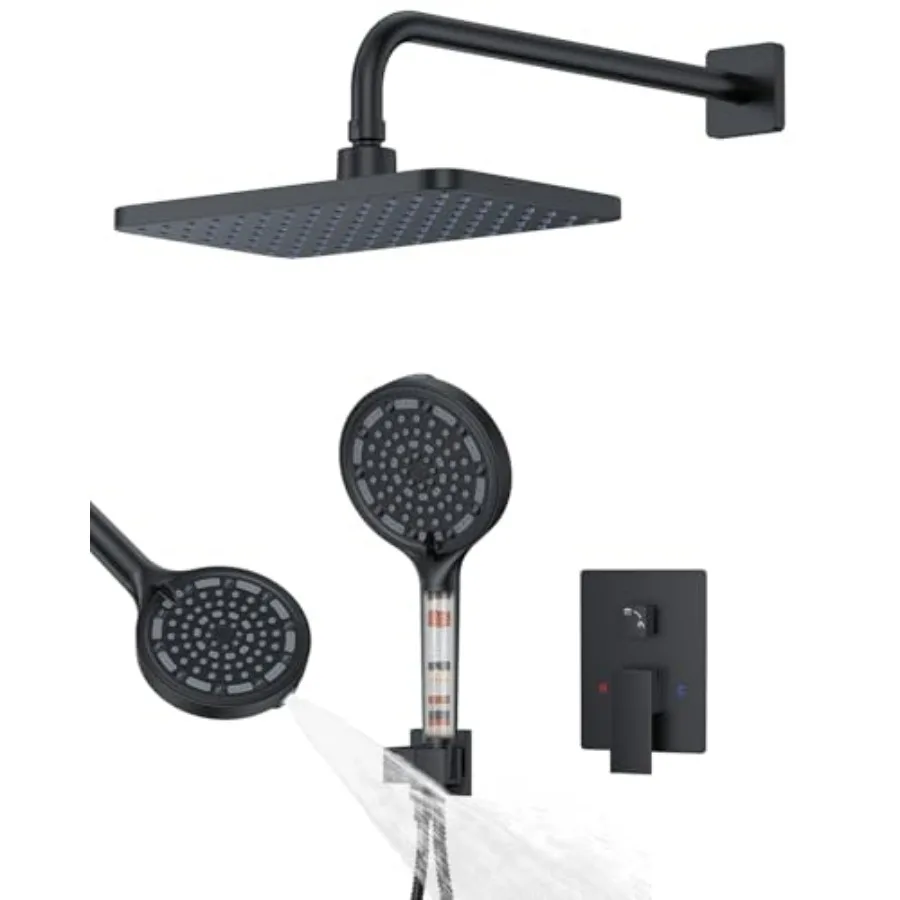 Matte Black Rainfall Shower System with Filter |
$181.46 USD | Buy on AliExpress |
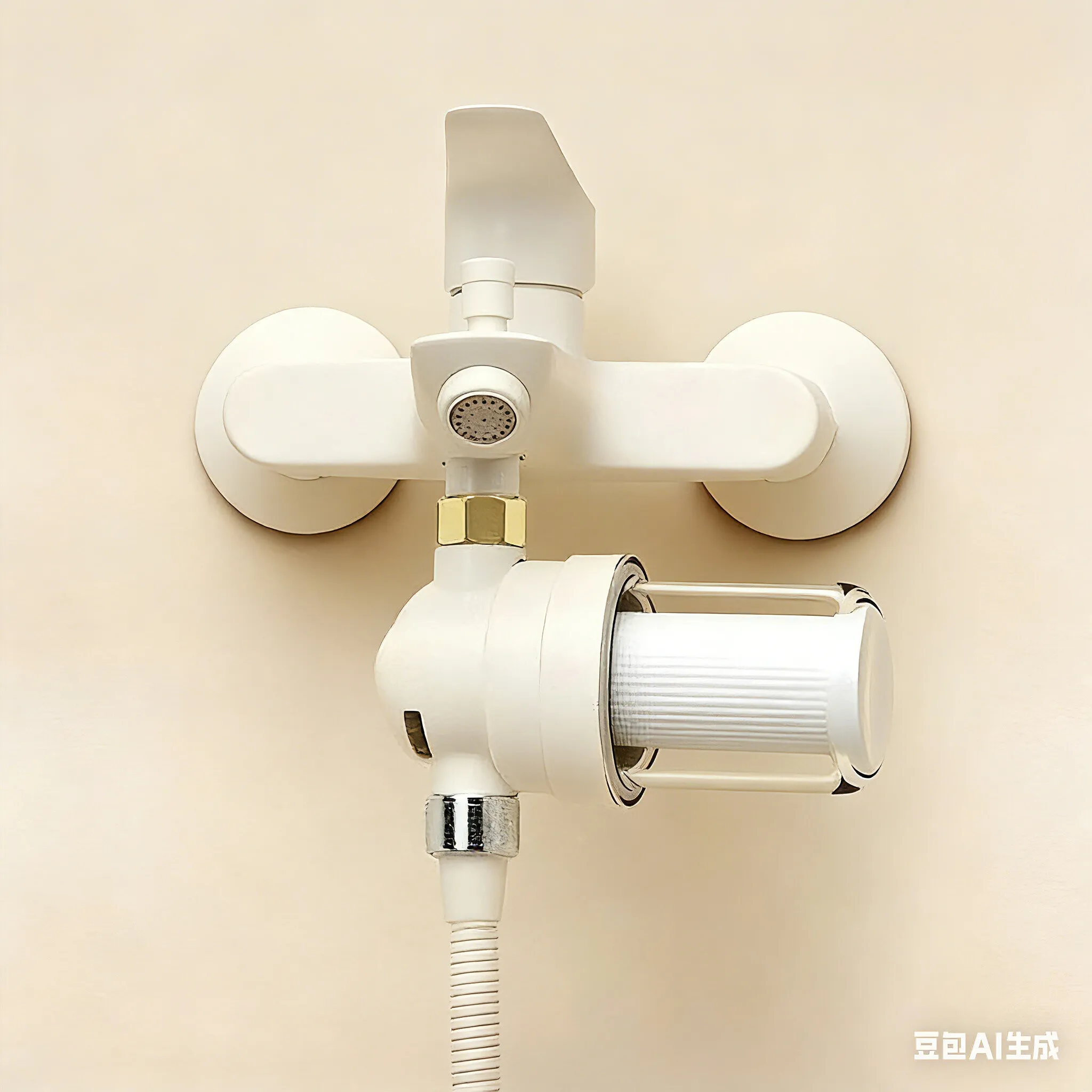 Pre-Shower Head Filter for Scale & Chlorine |
$53.14 USD | Buy on AliExpress |
In-Depth Reviews
PUR Plus Faucet Mount FM2500V
This is our go-to recommendation for most people. The certification for lead reduction is real and verifiable. Installation takes five minutes, and the filter indicator light is a handy reminder. In our tests, the taste improvement was immediate and consistent. The flow rate is solid, though not the fastest. The main knock? Proprietary filters lock you into their ecosystem.
- Strong WQA/NSF certifications
- Easy, tool-free install
- Good flow rate for a filter
- Filter change indicator
- Proprietary filter cartridges
- Plastic construction feels a bit light
- Won’t fit all specialty faucets
ALTHY 400-Gallon Faucet Mount System
The spec sheet on this one is impressive: 0.2-micron purification and a claimed 5-stage process. We found it effectively reduced chlorine taste and sediment. The 7-adapter kit is a huge plus for compatibility. The flow rate is decent at 0.5 GPM. However, the lack of major third-party certifications like NSF gives us pause. It’s a strong performer, but verify claims independently.
- Excellent multi-stage filtration specs
- Great adapter kit included
- 400-gallon capacity is generous
- Lacks NSF/ANSI certification
- Less established brand
- Long-term durability is unknown
Budget Tap Filter (3-Pack)
Honestly, we bought these out of sheer curiosity. For $9, you get three small carbon filters that clip onto your faucet spout. They’re incredibly basic. They might slightly improve taste by catching large sediment, but don’t expect any certified contaminant reduction. Think of them as a step above a screen. They’re for the most minimal, temporary needs.
- Extremely low cost
- Ultra-simple installation
- Compact and discreet
- No meaningful certifications
- Very limited filtration capability
- Short lifespan, likely 1-2 months
Smart UV Ceramic Filter
This one’s a bit of a novelty. The LED display showing “water quality” is powered by a turbine—no batteries needed, which is clever. The ceramic cartridge is good for sediment. However, the “UV” in the name is misleading; it’s not a UV-C germicidal system. It’s a ceramic filter with a light. For the price, you’re paying for the tech gimmick, not superior filtration.
- Innovative battery-free tech
- Ceramic filter is washable/reusable
- Modern aesthetic design
- Misleading “UV” marketing
- High cost for basic ceramic filtration
- Unclear certification status
Frequently Asked Questions
- How often should I change my faucet filter cartridge?
- Most manufacturers recommend every 2-3 months or 100 gallons. But it depends on your water quality and usage. If you notice a slowdown in flow or a return of bad taste, change it sooner. A filter working past its capacity can become a breeding ground for bacteria.
- Will a faucet filter lower my water pressure?
- Yes, slightly. All filters create some resistance. A good one will reduce pressure by 10-20%, which you’ll barely notice. A cheap, clogged filter can cut your flow in half. Flow rate (GPM) is a key spec to check before buying.
- Can I install a faucet filter on a pull-down or sprayer faucet?
- Usually not. Most standard faucet filters require a fixed, threaded aerator at the tip of the faucet. Pull-down sprayers and many modern designs lack this. Some brands offer adapters, but success is hit or miss. Always check the compatibility guide.
- Do faucet filters remove fluoride?
- Standard activated carbon filters do not. To reduce fluoride, you need a filter with activated alumina or a reverse osmosis membrane. Some specialized faucet filters may claim it, but verify with independent lab test results.
- Is a faucet filter better than a pitcher filter?
- For most people, yes. It’s more convenient, often has a higher capacity, and can offer better filtration performance. Pitchers are slow, have small filters, and are prone to bacterial growth if not cleaned meticulously. The only advantage of a pitcher is zero installation.
Final Thoughts
After years of testing, we can say this: a good filter for faucet is one of the best value upgrades you can make for your home’s water. It’s not a silver bullet for every water problem, but for improving taste and reducing common contaminants in municipal water, it’s incredibly effective. The PUR Plus remains our top pick for its balance of certification, performance, and price.
Don’t overthink it. Start by checking your faucet type, then look for NSF/ANSI certifications that match your concerns. Install it, change the cartridge on schedule, and enjoy better water straight from the tap. It really is that simple.
