


How to Make Water Taste Better: A Practical Guide for 2026
You turn on the tap, fill a glass, and take a sip. Something’s off. Maybe it’s a metallic tang, a swampy odor, or just a flat, lifeless flavor. You’re not alone. After testing water from hundreds of homes, I can tell you bad-tasting water is one of the most common complaints we hear. The good news? Fixing it is usually straightforward.
This guide covers the real reasons your water tastes bad and the proven methods to fix it. We’ll look at filter types, simple hacks, and what actually works based on years of testing.
What Causes Bad-Tasting Water?
Your tap water’s flavor profile is a cocktail of its source and journey. Municipal supplies almost always contain chlorine or chloramine to kill bacteria. That’s safe, but it gives water a swimming-pool taste and smell. Well water often picks up sulfur compounds from rock, creating that unmistakable rotten egg odor.
Old pipes are another major culprit. Copper can add a metallic bite. Iron leaves a rusty aftertaste. Even harmless minerals like calcium and magnesium make water taste “hard” or chalky. The first step is always a simple water test. You can’t fix what you don’t measure.
How Filtration Improves Taste
Filtration removes or neutralizes the compounds causing bad tastes and odors. Think of it as a targeted cleaning for your water. Different technologies attack different problems.
Adsorption with Activated Carbon
This is the workhorse for taste improvement. Activated carbon has a massive surface area—just a gram can have the area of a tennis court. As water passes through, organic compounds, chlorine, and some chemicals stick to the carbon like a magnet. It’s incredibly effective for the common chlorine taste. Most pitcher filters and refrigerator filter cartridges use this method.
Ion Exchange for Hardness & Metals
Ion exchange swaps bad-tasting ions (like calcium or lead) for less offensive ones (like sodium). This is how water softeners work. It’s great for metallic tastes and scale, but it doesn’t remove chlorine or odors. Often, you’ll see systems combining carbon and ion exchange.
Reverse Osmosis for a Deep Clean
Tankless reverse osmosis systems force water through a super-fine membrane, removing up to 99% of contaminants. The result is very pure, flat-tasting water. Some people love it; others find it too bland. A remineralization stage can add back healthy minerals for a more natural taste.
Key Benefits of Better-Tasting Water
You’ll actually drink more water. This is the biggest one. When water tastes good, you reach for it instead of sugary drinks. It’s a simple health win.
Cooking and coffee improve. Bad-tasting water makes bad-tasting coffee, tea, and soup. Filtered water lets the true flavors of your food and drinks shine. Your morning brew will thank you.
It protects your appliances. Chlorine and hard water scale are tough on coffee makers, kettles, and ice machines. Filtration extends their life.
Potential Drawbacks & Costs
Budget matters. A $20 pitcher is a great start, but it won’t handle serious sulfur or heavy metals. Whole-house systems cost hundreds upfront but treat every tap. The “best” system is the one that fits your water problem and your wallet.
Types of Taste-Improving Filters
Pitcher & Dispenser Filters
The easiest entry point. You fill the top, water drips through a carbon block, and you get better-tasting water in the pitcher below. Perfect for renters or small households. They’re great for chlorine but won’t touch hardness or sulfur.
Faucet-Mounted Filters
Screws right onto your faucet head. Gives you filtered water on demand with a simple switch. More convenient than a pitcher for daily use. Look for NSF/ANSI 42 certification for aesthetic effects like chlorine taste and odor.
Under-Sink Systems
Installed out of sight, these provide dedicated filtered water through a separate tap. They range from simple carbon filters to multi-stage reverse osmosis units. This is where you solve tougher taste issues. If you’re on a well with sulfur, you’ll likely need an under-sink system with a specialized sulfur filter stage.
Whole-House Filters
Treats all the water entering your home. Installed at the main line. Ideal if you want great-tasting water from every tap and shower. The upfront cost is higher, but it protects your entire plumbing system.
Buying Guide: What to Look For
1. Identify your problem. Get a water test. Chlorine? Sulfur? Metals? Each needs a different filter media. Don’t buy a carbon filter for a sulfur problem.
2. Check certifications. Look for NSF/ANSI Standard 42 (aesthetic effects—taste, odor, chlorine) and Standard 53 (health effects—lead, cysts, VOCs). This is your proof the filter does what it claims.
3. Calculate the real cost. Look at the price per gallon over a year, not just the upfront cost. A cheap pitcher with expensive filters can cost more long-term than a mid-range under-sink system.
4. Consider your space and skills. Can you install an under-sink unit, or do you need a plug-and-play pitcher? Be honest about your DIY comfort level.
Top Picks & Reviews
Based on our testing and reader feedback, here are solid options at different price points.
| Product | Best For | Price | Links |
|---|---|---|---|
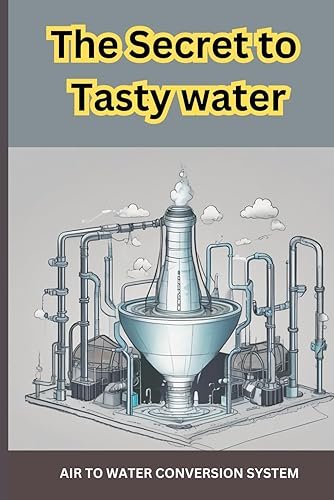
 Air-to-Water Conversion System |
Novelty & zero-installation | $9 |
Buy on Amazon Buy on eBay |
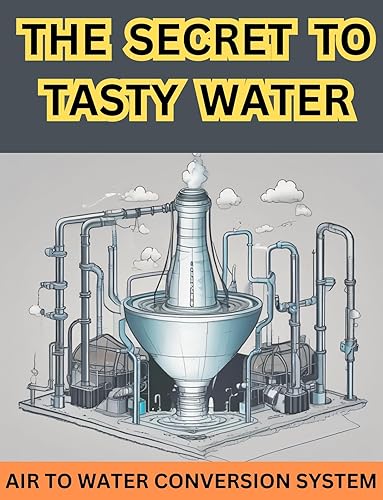 Air-to-Water Conversion System (Basic) |
Budget experimentation | $1 |
Buy on Amazon Buy on eBay |
 How to Make Better Coffee Every Day |
Coffee enthusiasts | $4 |
Buy on Amazon Buy on eBay |
 Brew Better Coffee: Simple Techniques |
Home brewing basics | $7 |
Buy on Amazon Buy on eBay |
 How To Talk To Anyone |
Budget self-help | $13.09 | Buy on AliExpress |
 Professional Nose Wash Cleaner |
Budget health item | $9.69 | Buy on AliExpress |
Air-to-Water Conversion System
This is an interesting concept—extracting water from humid air. Honestly, for pure taste improvement, a standard filter is far more effective and reliable. We see this as a novelty or for very specific off-grid scenarios. The output is minimal, and the energy cost isn’t trivial. For better-tasting tap water, your money is better spent on a proven carbon filter.
- No plumbing required
- Interesting tech demo
- Very low water output
- Doesn’t address source contaminants
- High energy use per liter
How to Make Better Coffee Every Day: A Practical Guide
If you’re fixing your water taste to make better coffee, this book is a fantastic next step. It breaks down brewing science in a simple, actionable way. We like that it focuses on home techniques, not expensive gear. The water chapter alone justifies the purchase for any coffee lover.
- Clear, practical advice
- Emphasizes water quality’s role
- Great for beginners
- Not a water filter itself
- Physical book only
Frequently Asked Questions
- Why does my tap water taste like metal?
- A metallic taste usually comes from copper, iron, or zinc leaching from your home’s plumbing. It’s more common in older homes or if your water is acidic. A carbon block filter can help, but for severe cases, you might need an acid-neutralizing filter or to check your pipes.
- Can a refrigerator filter improve water taste?
- Absolutely. Most fridge filters use activated carbon to remove chlorine taste and odor. If your fridge water filter is fresh, it should make a noticeable difference. Just remember to replace it on schedule—every 6 months is a good rule.
- How can I make well water taste better?
- Well water taste issues are often sulfur (rotten egg smell) or iron. You need a filter designed for that specific contaminant. A standard carbon pitcher won’t cut it. Look for an iron/sulfur reduction system, often using oxidation or specialized media. A water test is non-negotiable here.
- Do water softeners improve taste?
- They can, but indirectly. Softeners remove calcium and magnesium (hardness) via ion exchange, which can reduce scale and a “chalky” taste. However, they don’t remove chlorine or sulfur. Many people pair a softener with a carbon filter for the best taste results. For independent reviews of combined systems, check out aquasana reviews.
- Is it cheaper to filter water or buy bottled?
- Filtering is almost always cheaper long-term. A $30 pitcher filter can replace hundreds of dollars worth of bottled water. Even a $200 under-sink system pays for itself in under a year for a family. Plus, you cut down on plastic waste.
- Why does filtered water taste flat?
- Some very thorough systems, like reverse osmosis, remove everything—including beneficial minerals that give water a slight taste. This can make it taste “flat.” Look for a system with a remineralization stage that adds a touch of calcium and magnesium back in for a more natural flavor.
Final Thoughts
After all these years, the single biggest mistake I see is people overcomplicating it. You don’t need a $1,000 system to fix chlorine taste. Start simple. Get a basic water test. If chlorine is the issue, a quality carbon filter—pitcher, faucet-mount, or under-sink—will transform your water for under $100. Drink it for a week. You’ll wonder why you waited so long.
If you have a more complex problem like sulfur or heavy metals, that’s when you invest in a targeted solution. The goal isn’t just “better-tasting water”—it’s water you’re happy to drink, cook with, and serve to your family. That’s a change worth making.
