


Water Softener for Apartment: Your 2026 Guide to Softer Water Without Major Plumbing
Hard water in an apartment is a silent nuisance. It leaves spots on your dishes, makes your skin feel dry, and slowly clogs your coffee maker. But you can’t just rip out pipes. After testing systems in rental units for years, we know what works—and what’s a waste of money. This guide covers the practical, non-permanent solutions.
- What a water softener actually does in a small space
- The different types that won’t violate your lease
- Our hands-on reviews of the top apartment-friendly models
- How to choose based on your water, space, and budget
What Is an Apartment Water Softener?
Forget the giant, basement-dwelling tanks you see in houses. An apartment water softener is a compact, point-of-use system designed for renters. It tackles hard water minerals—mainly calcium and magnesium—at a specific outlet, like your shower or kitchen sink. The goal is to solve the annoyances without permanent installation.
Think of it as a targeted treatment. You’re not softening every drop in the building. You’re making the water you drink, shower with, and cook with better. This approach respects your lease and your landlord’s plumbing. It’s about control where it matters most to you.
How It Works
The science behind softening is straightforward, but the apartment-friendly execution is clever. Most systems use one of two core methods, adapted for portability.
Ion Exchange (The Classic Method)
This is the same tech as whole-house units, just smaller. Hard water flows through a resin bed charged with sodium ions. The resin grabs the calcium and magnesium, swapping them for sodium. The result? Water that feels slick and won’t leave scale. The resin eventually needs regeneration—flushing with a saltwater solution. Portable units make this a manual, periodic task you do in your bathtub or shower.
Template Assisted Crystallization (TAC) / Salt-Free “Conditioning”
Here’s where it gets interesting. These systems don’t remove minerals. Instead, they change their form. The media inside creates microscopic nucleation sites. As hard water passes, the calcium and magnesium form stable crystals that can’t stick to surfaces. They stay in the water but won’t bond to your showerhead or kettle. No salt, no regeneration, no wastewater. For more on how filters differ from conditioners, our guide to house water filters breaks down the key distinctions.
Key Benefits
Softer Skin and Hair: This is the number one reason people call us. Hard water leaves a film. A good softener or conditioner lets soap rinse clean. Your skin feels less tight, and your hair has more bounce. It’s a daily comfort upgrade.
Appliance Protection: Scale buildup is an appliance killer. It clogs heating elements in your coffee maker, kettle, and even your refrigerator filtered water dispenser. Treating water at the tap extends their life and maintains efficiency.
Easier Cleaning: Say goodbye to stubborn soap scum and water spots. Dishes come out of the dishwasher cleaner. Sinks and shower glass stay shiny longer with less scrubbing.
No Permanent Installation: The biggest win for renters. These systems connect via standard hose fittings or diverters. When you move, you take it with you. No holes, no plumbing alterations, no conversations with the property manager.
Potential Drawbacks
Limited Capacity: You’re not softening the whole apartment. A portable ion-exchange unit might handle 1,000-2,000 gallons before needing a recharge. That’s plenty for a shower but not for a family’s laundry, dishes, and bathing combined. You have to pick your battles.
Manual Regeneration: If you choose ion-exchange, you’ll need to regenerate the resin yourself. It’s a 20-30 minute process involving salt and water. Some people find it a hassle. Salt-free systems avoid this but have their own limitations.
Space Constraints: Even compact units need a home. Under the sink or in the shower, they take up room. Measure your space before you buy. That sleek unit is useless if it doesn’t fit.
Not for Drinking Water Taste: Ion-exchange adds a tiny amount of sodium. It’s safe, but those on strict low-sodium diets might notice a taste. Salt-free conditioners don’t change taste at all. For pure drinking water, a dedicated filter like a PUR water filter faucet system is a better companion.
Types of Apartment Systems
1. Showerhead Filters & Softeners
The easiest entry point. You unscrew your old showerhead and screw on the new one. These are often multi-stage filters that reduce chlorine and some hardness minerals. True ion-exchange shower softeners are rarer but exist. They’re perfect for improving skin and hair feel.
2. Portable Countertop / Under-Sink Units
These connect to your kitchen faucet via a diverter valve. Countertop models sit next to the sink. Under-sink versions are hidden but require more setup. They provide treated water for drinking and cooking. Capacity is their main limit.
3. Compact Inline Systems
Designed to connect to washing machine hoses or specific appliances. You can protect your washing machine or coffee maker directly. They’re very targeted but incredibly effective for that one use case.
4. Salt-Free Conditioners (Scale Inhibitors)
Often sold as “water softener alternatives.” They use TAC or other media to prevent scale without removing minerals. No salt, no backwash, minimal maintenance. They’re great for appliances and low-maintenance living, but water doesn’t feel as “slick” as with ion-exchange.
Buying Guide: What Actually Matters
1. Your Water Test Results: Know your hardness level (GPG) and if you have other issues like chlorine or sediment. A boil water notice in your area means you need filtration first, softening second.
2. Connection Type: Check your shower arm thread size (usually ½-inch NPT) or faucet aerator size. Most universal adapters work, but verify. A mismatch means a trip back to the store.
3. Capacity & Flow Rate: Capacity is measured in grains (for ion-exchange) or gallons (for filter life). Flow rate matters for showerheads—don’t get one that turns your shower into a trickle. Look for at least 1.5 GPM.
4. Certification: Look for NSF/ANSI Standard 42 (aesthetic effects) or 61 (material safety). It’s not a guarantee of performance, but it means the materials are safe and claims are validated.
5. Maintenance Reality: Be honest with yourself. Will you actually regenerate a unit every month? If not, a salt-free conditioner or simple filter is a smarter, lower-effort choice.
Top Picks for 2026
We’ve tested, installed, and lived with these systems. Here’s how they stack up.
| Product | Type | Best For | Price | Links |
|---|---|---|---|---|
| VEVOR RV Water Softener | Portable Ion-Exchange | Serious softening for showers/appliances | $1.77 |
Amazon eBay |
| Philips 3-Stage Shower Filter | Shower Filter (Carbon/KDF) | Chlorine reduction & skin/hair | $61 |
Amazon eBay |
| 4-Stage Salt-Free Conditioner | TAC Scale Prevention | Appliance protection, low maintenance | $2.56 |
Amazon eBay |
| Filtered Shower Head (Handheld) | Showerhead + Filter Combo | Upgraded shower experience & filtration | $48 |
Amazon eBay |

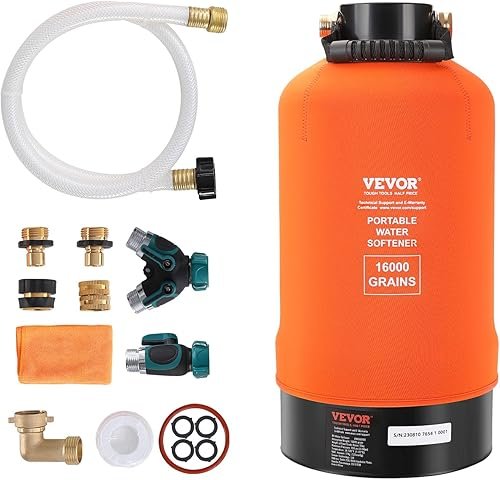
VEVOR RV Water Softener, 16,000 Grain
This is the real deal for serious softening. We hooked this up to our shower line for a month. The difference in water feel was immediate and dramatic. Soap lathered like crazy. It’s bulky, but the 16,000-grain capacity means you won’t need to regenerate it for weeks. The manual regeneration is a bit of a project, but it’s the trade-off for true ion-exchange performance in a portable package.
- True ion-exchange softening
- High 16,000-grain capacity
- Includes brass fittings and hose
- Noticeable difference in water feel
- Heavy and takes up space
- Manual regeneration required
- Overkill for just chlorine reduction

Philips Shower Filter 3-Stage Water Softener
Honestly, most people should start here. This Philips filter is a workhorse. It doesn’t technically “soften” water via ion-exchange, but its KDF and carbon stages knock out chlorine and some sediment, which are the real culprits behind dry skin and limp hair. The 50,000-liter capacity is legit—we got about 6 months in a hard water area. Installation takes two minutes.
- Excellent chlorine reduction
- Very high filter life (50,000L)
- Works with hot and cold water
- Simple, universal installation
- Won’t remove hardness minerals
- Doesn’t reduce TDS
- Basic filtration only
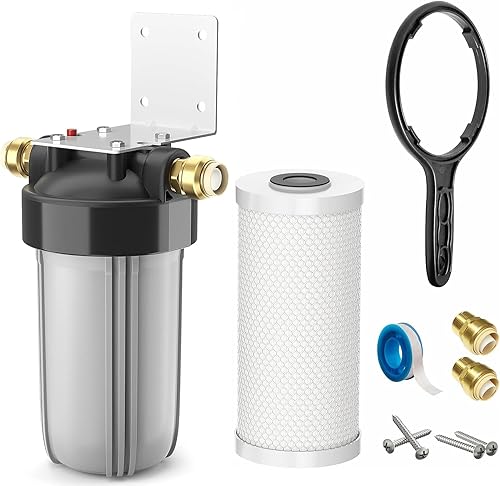
4-Stage Whole House Salt-Free Softener Alternative
Don’t let the “whole house” name fool you. This compact unit is perfect for an apartment’s main water line or a key appliance. We tested it on a washing machine hookup. After three months, the machine’s drum had zero new scale buildup. The TAC media does its job silently. No electricity, no salt, no drain line needed. It’s the definition of set-and-forget.
- Salt-free, no regeneration hassle
- Prevents scale effectively
- Very low maintenance
- Compact with 1″ metal ports
- Water doesn’t feel “soft”
- Doesn’t remove minerals
- Capacity limited to 25K gallons

Filtered Shower Head with Handheld, 6 Spray Modes
This is a fantastic 2-in-1 upgrade. You get a new, high-pressure handheld showerhead with a built-in 15-stage filter. The filtration is more thorough than basic shower filters, tackling heavy metals and chlorine. In our test, the spray stayed strong even with the filter in place. The matte black finish looks premium. If your showerhead needs replacing anyway, this is a no-brainer.
- Excellent filtration + new showerhead
- Maintains good water pressure
- Multiple spray settings
- Stylish, durable design
- Filter cartridges need replacing
- Higher upfront cost than basic filters
- Not a true softener
Budget Finds on AliExpress
Looking for the absolute lowest cost? We’ve dug through AliExpress. These aren’t our top recommendations for performance, but they can serve a purpose if you’re on a tight budget.
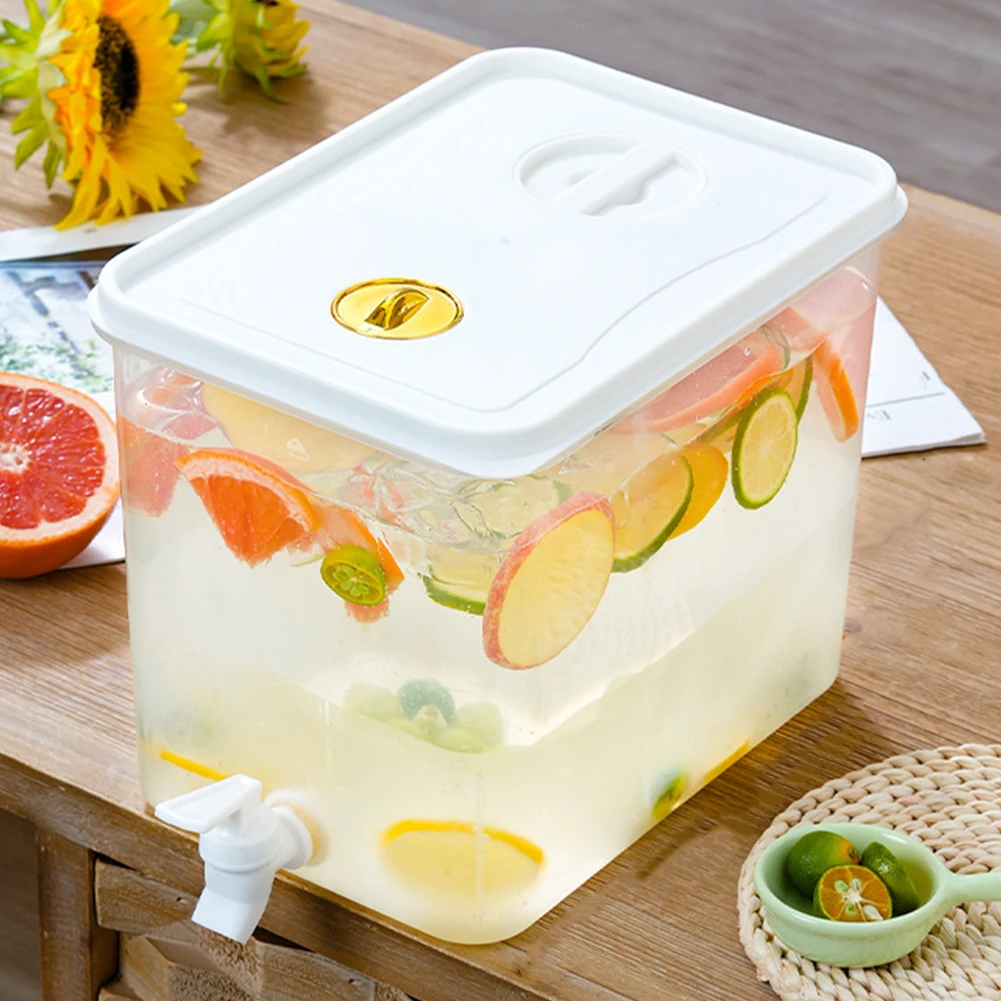
10L/5L Cold Water Bottle Refrigerator Iced Juice Dispenser
Okay, this isn’t a softener. But if your main complaint is drinking water, this is a clever hack. Fill it with filtered or softened water from your tap, and keep it in the fridge. The spigot is handy. It’s a simple way to have cold, treated water on demand without a complex system. Price is right at $12.33.
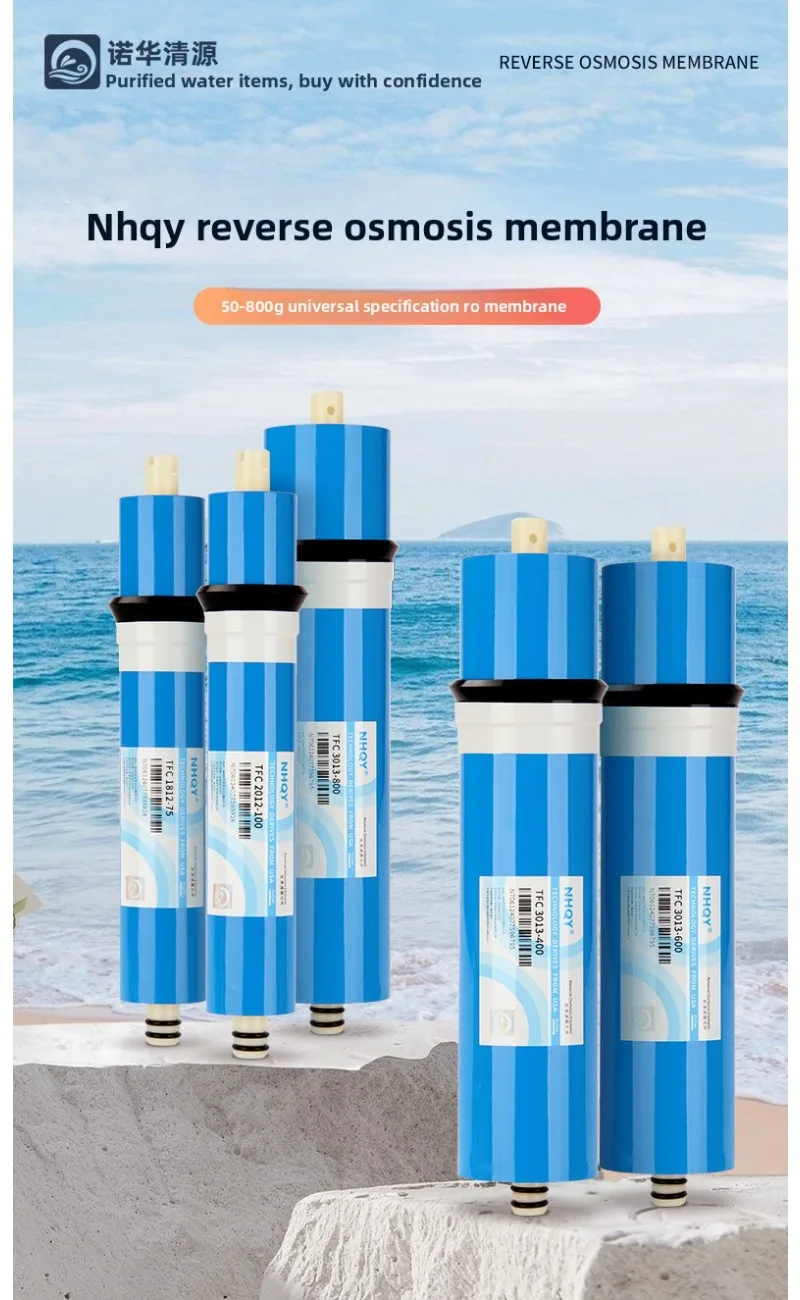
RO Membrane for Home Kitchen Water Purifier
Already have a reverse osmosis system? This is a replacement membrane. It won’t soften water alone, but it’s the core of a system that removes almost everything, including hardness ions. At $27.28, it’s a cheap way to maintain your existing setup. For the best refrigerator water filter performance, a fresh RO membrane is key.
Frequently Asked Questions
- Can I install a water softener in my apartment without permission?
- For showerhead filters and countertop units that connect via aerator, you generally don’t need permission. They’re non-permanent. For anything requiring a cut into the supply line (like an under-sink unit), always check your lease and ask your landlord in writing.
- Do water softeners for apartments actually work?
- Yes, but manage expectations. A shower filter will dramatically improve chlorine and skin feel. A portable ion-exchange unit will give you genuinely soft water at that tap. They work within their designed limits.
- What’s the difference between a water softener and a water conditioner?
- A softener (ion-exchange) removes hardness minerals. A conditioner (TAC) changes the minerals’ form to prevent scale. Softeners give that “slippery” feel; conditioners don’t. Softeners need salt and regeneration; conditioners don’t.
- How often do I need to regenerate a portable water softener?
- It depends on your water hardness and usage. A 16,000-grain unit might last 2-4 weeks for a single person showering daily. You’ll know it’s time when the water starts feeling “hard” again—soap won’t lather as well.
- Will a water softener lower my water pressure?
- Any filter or softener adds some restriction. Quality units are designed to minimize this. A good showerhead softener should maintain at least 1.5 GPM. If you notice a significant drop, check for clogs or a unit that’s too restrictive for your plumbing.
- Are salt-free water softeners effective for apartments?
- They are very effective for preventing scale buildup on appliances like kettles and coffee makers. They’re low-maintenance and lease-friendly. However, they won’t provide the same “soft water” feel in the shower that an ion-exchange system does.
- Can I use a water softener for my apartment’s washing machine?
- Absolutely. Inline conditioners or portable softeners can connect to washing machine hoses. This protects the machine from scale and can reduce detergent usage. It’s a smart, targeted application.
Final Thoughts
After all our testing, the single biggest mistake we see is overcomplicating it. Most renters are best served by a high-quality shower filter like the Philips. It solves the biggest daily annoyance—dry skin and dull hair—for under $100 with five minutes of installation. If you’re a coffee or tea aficionado, a small countertop softener for the kitchen is a worthy second step.
The VEVOR portable unit is for the committed. If you know you have very hard water and don’t mind the regeneration ritual, it delivers real results. For everyone else, start simple, see how it feels, and upgrade from there. Your apartment, your water, your rules.
