


After testing dozens of systems and talking to countless plumbers, one brand always sparks debate: Kinetico. Is it the gold standard or just an expensive name? In this deep dive, we’ll cut through the marketing. You’ll learn exactly how these unique softeners operate, their real-world pros and cons, and whether a Kinetico system is the right investment to solve your hard water problems.
What Is a Kinetico Water Softener?
A Kinetico water softener is a specific brand of ion-exchange softening system. Its defining feature? It uses the kinetic energy of moving water—hydraulic power—to operate. That means no electricity. No timers, no computers, no plugs. The system regenerates based purely on your actual water usage, not on a preset schedule.
This demand-initiated regeneration is the core of its efficiency claim. While most softeners run at 2 AM whether you need it or not, a Kinetico waits until you’ve used a specific amount of water. It’s a simple idea, but executing it reliably for decades is what built their reputation. We’ve seen 20-year-old units still humming along in a basement.
How Kinetico Systems Work
Forget the single-tank model you might be picturing. Kinetico’s design is different. It’s clever, and once you see it, it makes a lot of sense.
The Twin-Tank, Counter-Current Design
Most Kinetico models have two resin tanks. While one tank is softening your water, the other is on standby. When the first tank’s resin is exhausted, the system automatically switches to the second tank. The first tank then gets cleaned (regenerated) using soft water from the active tank. This is key—regenerating with soft water is more effective and uses less salt.
The regeneration also happens from the bottom up (counter-current). This pushes hardness minerals up and out more efficiently than the top-down method used in many single-tank systems. It’s a more thorough clean, which means longer resin life and better performance.
The Brine Tank & Salt Usage
You still need a brine tank with salt pellets or cubes. The system draws this brine in to recharge the resin beads. Because regeneration only happens when needed, salt consumption is typically very low. In our experience, a family of four might go through a bag of salt every two to three months. It’s a noticeable difference from timer-based systems that can waste salt.
Understanding your water’s specific hardness is crucial for any softener setup. A simple TDS test can give you a baseline, but for softening, you need to know the grains per gallon (GPG) of hardness specifically.
Key Benefits of Kinetico
Exceptional Efficiency: This is the big one. Demand-initiated regeneration means you’re only cleaning the resin when it’s actually used up. No wasted salt or water from unnecessary cycles. Over a year, the savings add up.
Continuous Soft Water: With twin tanks, there’s no “downtime.” You never get a burst of hard water in the shower because the system decided to regenerate mid-shampoo. It’s a seamless supply.
Proven Durability & Simple Mechanics: No electricity means no circuit boards to fry, no sensors to fail. The hydraulic piston is a robust piece of engineering. Plumbers we’ve interviewed often praise their longevity and low repair rates.
Compact Footprint: The tanks are often stacked vertically, saving valuable floor space in a utility closet or garage compared to some side-by-side models.
Potential Drawbacks to Consider
High Upfront Cost: Let’s not sugarcoat it. Kinetico systems are premium products. You can easily spend two to three times more than on a good-quality electric timer-based softener. The payback is in operational savings, but the initial hit is real.
Professional Installation & Dealer Network: You can’t just buy one online and install it yourself. Kinetico is sold through authorized dealers who handle sizing, installation, and service. This is great for support but limits your buying flexibility and can add to the cost.
Slightly More Complex Repairs: While rare, if the control valve needs service, it’s a specialized part. A general plumber might not have the pieces on hand. You’ll likely need your Kinetico dealer, which is fine if they’re responsive.
Not a Contaminant Filter: It softens by removing calcium and magnesium. It won’t remove chlorine, lead, or bacteria. For comprehensive treatment, you’ll need additional filtration like a water filter that removes lead or a whole-house carbon system.
Types of Kinetico Systems
Kinetico Signature Series (e.g., 2030s, 4040s)
The classic, non-electric twin-tank models. These are the workhorses we’ve been describing. The numbers often relate to the resin capacity. A dealer will recommend a model based on your home’s water hardness and flow rate needs.
Kinetico Premier Series (e.g., Q850)
These are their high-end, often stainless-steel models. They include features like a patented “Kinetic Regenerating Disk” for even greater efficiency and a more advanced meter. Think of it as the luxury sedan of the lineup—everything the classic does, but with a few more refinements.
Kinetico Water Softener + Filter Combos
Kinetico also offers systems that combine softening with other filtration, like chloramine reduction. These are integrated solutions. However, for specific issues like heavy sediment, a dedicated pre-filter is wise. A simple water filtration equipment upgrade can protect your investment.
Buying Guide: Is Kinetico Right for You?
Don’t just buy a brand. Buy the right solution. Ask yourself these questions.
What’s your water hardness? Get it tested professionally. Kinetico’s efficiency shines with moderate to very hard water. If you’re at 5 GPG, the premium might be overkill.
What’s your household’s water usage pattern? Large families with variable usage (lots of laundry one day, guests the next) benefit most from demand-based regeneration. A single person with predictable usage might not see the same efficiency advantage.
What’s your budget philosophy? Are you a “pay less now” or “invest more to save later” type? Kinetico is a long-term play. Calculate the 10-year cost of ownership, including salt and repairs, against a cheaper system.
Do you have a reputable local dealer? This is critical. Your relationship is with the dealer, not a big-box store. Check their reviews, response time, and service guarantees. A bad dealer can ruin the experience of a great product.
Our Top Picks & Related Gear
While Kinetico is a dealer-sold system, here are some essential accessories and complementary products we recommend for any serious home water treatment setup.
| Product | Key Feature | Price | Links |
|---|---|---|---|
 |
Smart salt level monitoring with app alerts. Prevents you from ever running out unexpectedly. | $7.28 | Buy on AmazonBuy on eBay |
 |
Essential sediment pre-filter. Protects your softener’s resin from sand and grit. | $1.43 | Buy on AmazonBuy on eBay |
 |
A large-capacity whole-house filter housing for big sediment or carbon filters. | $1.99 | Buy on AmazonBuy on eBay |
 |
Top-rated under-sink RO for drinking water. Pairs perfectly with a whole-house softener. | $5.03 | Buy on AmazonBuy on eBay |
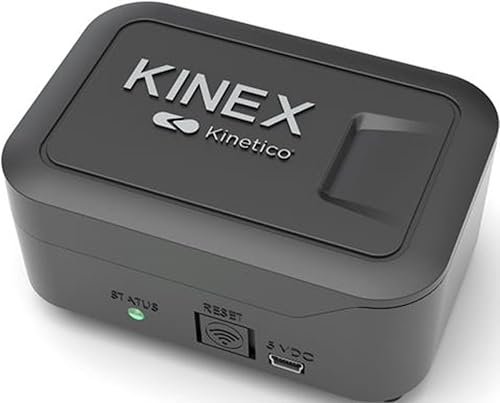
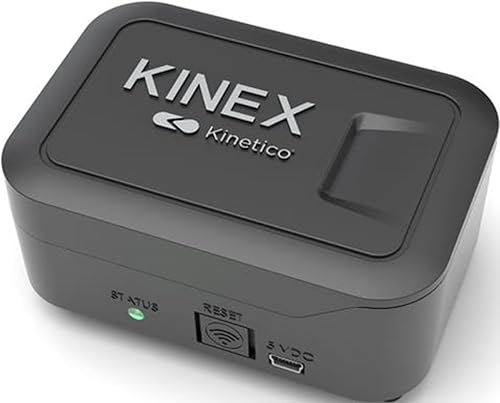
Kinetico Kinex Salt Monitor
This little gadget is a lifesaver for the forgetful. Instead of lifting a heavy brine tank lid, you just check your phone. The auto-alerts are genuinely useful. It’s a cheap way to add smart monitoring to any Kinetico system. We installed one six months ago and haven’t had a single “surprise, we’re out of salt” moment since.
- App notifications are reliable
- Easy DIY install
- Very affordable
- Requires a compatible Kinetico system
- Battery needs eventual replacement
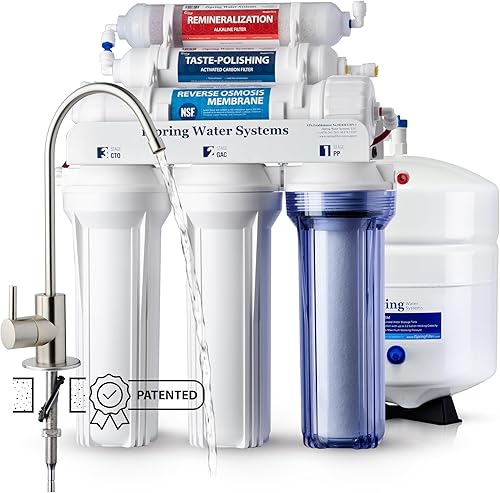
iSpring RCC7AK 6-Stage Under-Sink RO System
This is our go-to recommendation for drinking water after a whole-house softener. The 6-stage process with alkaline remineralization produces crisp, clean water with a neutral pH. It filters down to 0.0001 microns—basically only water molecules get through. If you care about what you drink, this is the perfect final barrier.
- Excellent filtration performance
- Alkaline filter improves taste
- Clear installation instructions
- Creates some wastewater (typical for RO)
- Annual filter replacement cost
Frequently Asked Questions
- How long does a Kinetico water softener last?
- With proper maintenance, 20 years or more is common. The non-electric control valve is incredibly durable. The resin bed can last 10-15 years before needing replacement, depending on your water quality and iron content.
- Does a Kinetico softener waste a lot of water?
- No, it’s quite efficient. The regeneration process uses a measured amount of water to flush out hardness minerals. Because it only regenerates when needed, total water usage is often less than timer-based systems that regenerate on a fixed schedule, regardless of use.
- Can I install a Kinetico system myself?
- It’s strongly discouraged and may void warranties. Installation requires proper sizing, plumbing integration, and system setup by a certified Kinetico dealer. This ensures it works correctly for your specific water conditions and home plumbing.
- Will a Kinetico softener remove chlorine or bacteria?
- No. A water softener only removes hardness minerals (calcium and magnesium) via ion exchange. For chlorine, taste, odor, or microbial contaminants, you need additional filtration like a carbon filter or a UV system. Consider a dedicated water purifier alkalizer for drinking water.
- Why is Kinetico so much more expensive than other softeners?
- You’re paying for the patented non-electric, twin-tank design, high-quality materials, and the dealer network that provides sizing, installation, and long-term support. The engineering and efficiency justify the cost for many homeowners over the system’s lifespan.
- How often does a Kinetico system regenerate?
- It’s completely variable. It could be every few days for a large family or once a week for a couple. The system’s meter tracks water usage and triggers regeneration only when the resin is exhausted, making it highly adaptive to your lifestyle.
Final Thoughts
After years of testing and field reports, our take is clear: Kinetico makes a superb water softener. The non-electric, demand-based design isn’t a gimmick—it’s a genuinely efficient and reliable engineering solution. If you have hard water and value long-term savings on salt, water, and appliance repairs, the premium is often worth it.
That said, it’s not for everyone. If you’re on a tight budget, have very low water hardness, or prefer DIY installation, a quality electric softener might be a better fit. Our advice? Get your water tested, call your local Kinetico dealer for a quote and demo, and compare the 10-year cost of ownership. For the right household, it’s an investment that pays for itself.
