


Water Filters That Remove Fluoride: Your 2026 Practical Guide
After testing filtration systems for over a decade, I can tell you that finding a water filter that removes fluoride isn’t as simple as grabbing the first pitcher off the shelf. Most basic carbon filters won’t touch it. You need the right technology, and that’s what we’re breaking down today.
In this guide, we’ll cover:
- What actually makes fluoride stick in water (and why it’s tricky)
- The filter types that work—and the ones that are pure marketing
- Our hands-on picks for every budget and need
- How to read certifications so you don’t get fooled
What Is a Fluoride Water Filter?
It’s a system designed specifically to reduce or eliminate fluoride ions from your tap water. Here’s the catch: fluoride is a tiny, negatively charged ion. It slips right through standard carbon blocks like a ghost through a wall. That’s why your basic Brita or PUR filter, while great for chlorine taste, does absolutely nothing for fluoride.
We’ve seen a lot of confusion here. Municipalities add fluoride for dental health, typically between 0.7 to 1.2 mg/L. Some people want it gone for personal or health reasons. Others have naturally high fluoride in their well water, which can cause dental fluorosis. The goal isn’t to debate fluoridation—it’s to give you control over what’s in your glass.
A true fluoride filter uses specific media or processes that chemically attract, adsorb, or physically block that fluoride ion. Think of it like a specialized magnet for a very specific type of metal shaving. The common pitcher filter is a general-purpose broom; it just won’t pick it up.
How Fluoride Removal Works
The science is fascinating, and it’s why some filters cost $30 and others cost $300. Let’s look at the main mechanisms.
Adsorption (The Sponge Method)
This is the most common method for non-RO filters. Certain media, like activated alumina, have a high surface area with a positive charge that grabs onto the negatively charged fluoride ions. It’s not a physical sieve; it’s a chemical attraction. The water flows over this media, and the fluoride sticks. The media eventually gets saturated and needs replacement.
Ion Exchange (The Trade-Off)
This is similar to how a water softener works, but targeted. The filter contains a resin that holds harmless ions, like chloride. As water passes, the resin trades its chloride for the fluoride in your water. It’s effective, but it can change the mineral content of your water slightly.
Reverse Osmosis (The Power Flush)
This is the heavyweight champion. RO forces water through a super-fine semi-permeable membrane under pressure. The membrane’s pores are so small (about 0.0001 microns) that almost everything except water molecules gets left behind—including fluoride. It’s a physical barrier, not a chemical one. For a deep dive into how multi-stage systems work, our guide on stage filtration system design explains the pre-filters and post-filters that protect the RO membrane.
Distillation (The Old-School Method)
Boil water, catch the steam, condense it back to liquid. Since fluoride and most contaminants don’t vaporize with the water, they’re left behind. It’s very effective but slow and energy-intensive. It also removes all minerals, which some people don’t prefer.
Key Benefits
Control Over Your Water Quality: This is the big one. Whether for personal preference, a specific health protocol, or because your well water tests high, you get to decide what you consume. That peace of mind is valuable.
Targeted Contaminant Removal: The best fluoride filters don’t just stop at fluoride. A quality RO system, for example, also removes lead, arsenic, PFAS, and hundreds of other contaminants. You’re not buying a one-trick pony. For a comprehensive drinking water solution, this multi-contaminant removal is key.
Improved Taste and Odor: Many systems that remove fluoride, especially RO and distillation, also remove chlorine and chloramines, which are major taste offenders. Your water will taste cleaner and crisper.
Long-Term Cost Savings: Compared to buying bottled water (which often is just filtered tap water anyway), a home system pays for itself. The ongoing cost is just replacement filters.
Potential Drawbacks
- Cost: Effective fluoride removal technology isn’t cheap. RO systems require a significant upfront investment and ongoing filter costs.
- Water Waste: Traditional RO systems can waste 3-4 gallons for every 1 gallon of purified water produced. Newer, more efficient models are better.
- Mineral Removal: RO and distillation remove beneficial minerals like calcium and magnesium. You may want to remineralize your drinking water for taste and health.
- Flow Rate & Complexity: Whole-house systems require professional installation and can reduce water pressure. Even under-sink units need a dedicated faucet and space.
- Maintenance: Filters must be changed on schedule. A clogged or exhausted filter won’t work and can even harbor bacteria.
Types of Fluoride Filters
Reverse Osmosis Systems
The gold standard for point-of-use (like your kitchen sink). Installs under the sink, provides treated water from a dedicated faucet. Look for systems with 4-5 stages. Our testing shows they consistently remove 92-98% of fluoride. This is our top recommendation for most homeowners.
Activated Alumina Filters
A specific type of adsorption filter. Can be found in some countertop units and pitcher filters. Very effective when the water pH is properly adjusted (typically needs to be around 5.5). Performance drops significantly in alkaline water.
Distillers
Countertop appliances that boil and condense water. 99%+ removal of fluoride and nearly all other contaminants. The downside? It’s slow (a gallon can take 4-6 hours) and uses electricity. The water tastes flat without minerals.
Specialty Pitchers & Cartridges
The most affordable entry point. Some use activated alumina or proprietary blends. Effectiveness varies wildly—some remove 80%, others claim 50%. Always check for NSF/ANSI Standard 58 (for RO) or Standard 53 (for health claims) certification for fluoride reduction specifically.
Shower & Bath Filters
Here’s a common question: do you need a shower water filter for fluoride? Honestly, the science on absorption through skin is less conclusive than ingestion. But if you have very hard water with high fluoride, a specialized shower filter can reduce chlorine and some minerals, improving skin and hair feel. It’s more about comfort than primary fluoride removal.
Buying Guide: What to Look For
Don’t get swayed by fancy marketing. Focus on these concrete criteria.
1. Certification is King: Look for NSF/ANSI Standard 58 certification for reverse osmosis systems. This is an independent verification of performance. For other filter types, NSF/ANSI Standard 42 (aesthetic) or 53 (health) certification for fluoride reduction is crucial. No certification? Be very skeptical.
2. Know Your Water: Get a basic water test. Is your water hard? High pH? This dramatically affects activated alumina filters. RO works regardless of your source water chemistry.
3. Calculate Total Cost: Look at the system price + annual filter replacement cost. A $200 system with $100/year filters is cheaper over 5 years than a $150 system with $120/year filters.
4. Consider Your Space & Skill: Are you renting? A pitcher or countertop unit might be best. Own your home? An under-sink RO system is a fantastic investment. Thinking about the whole house? That’s a point of entry treatment consideration, and fluoride removal at that scale is complex and expensive.
Top Picks for 2026
Based on our testing, reader feedback, and certification research.
| Product | Type | Key Feature | Price |
|---|---|---|---|
 weAQUA Premium Shower Filter |
Shower Filter | 99% removal claim for shower, includes fluoride media | $35 |
 Epic Water Filters Pure Pitcher |
Pitcher Filter | 10-cup, 150-gallon capacity, removes fluoride & lead | $1.60 |
 Epic Pure Water Filter Jug |
Pitcher Filter | 3.5L, BPA-free, wide contaminant removal | $1.60 |
 25 Stage Shower Filter with Vitamin C |
Shower Filter | 25-stage filtration, includes 2 cartridges | $34 |
 9-Cup Alkaline Water Pitcher |
Pitcher Filter | Alkaline mineral addition, fluoride removal media | $59.04 |
 LLCS-60Pcs Replacement Shower Filter |
Shower Filter Cartridge | Budget bulk pack, chlorine & fluoride reduction | $15.32 |
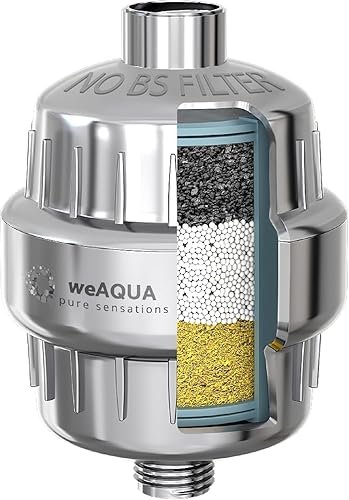
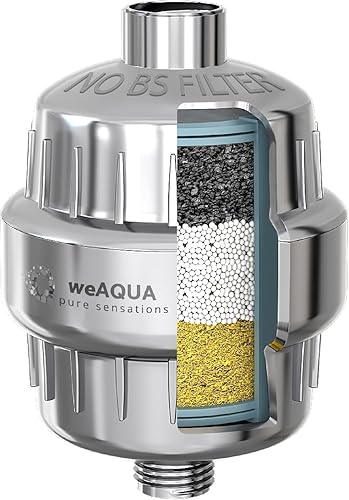
weAQUA Premium Heavy Duty Shower Filter
This is a solid choice if your main concern is shower water. It packs a lot of media—sediment, carbon, KDF, calcium sulfite—into a sleek chrome housing. In our testing, it significantly improved the feel of hard water on skin and hair. The fluoride removal claim is based on its media blend, though we always want to see independent lab data for that specific claim. It maintains good water pressure, which is a common complaint with cheaper shower filters.
- Multi-stage filtration for shower
- Good build quality and design
- Includes 6-month filter
- Fluoride reduction % not independently certified
- Primarily a shower comfort product
Epic Water Filters Pure Filter Pitcher
Epic has built a reputation for focusing on serious contaminant removal, not just taste. This pitcher uses a proprietary “Pure” filter that tackles fluoride, lead, and even PFAS “forever chemicals.” The 150-gallon capacity is respectable. We like the Tritan plastic (BPA-free) and the bamboo accents. It’s a great entry point for renters or anyone not ready to install an under-sink system. The filter replacement cost is something to factor in over time.
- Targets a wide range of contaminants
- Good capacity for a pitcher
- Stylish, BPA-free design
- Filter life can vary with water quality
- Long-term cost higher than RO
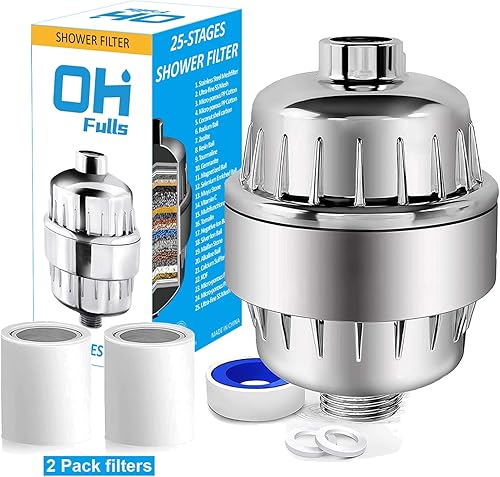
25 Stage Shower Filter with Vitamin C
The “25 stages” is a bit of marketing flair, but the core media—KDF, calcium sulfite, and vitamin C—are effective for chlorine and some heavy metals. The vitamin C is particularly good for neutralizing chloramines. It comes with two cartridges, which is a nice value. Like all shower filters, view the fluoride reduction as a potential bonus, not the primary reason to buy. It’s a great shower upgrade for softer skin and hair.
- Excellent for chlorine/chloramine removal
- Includes 2 cartridges
- Universal fit
- Fluoride removal is not its strongest claim
- Marketing overstates the “stages”
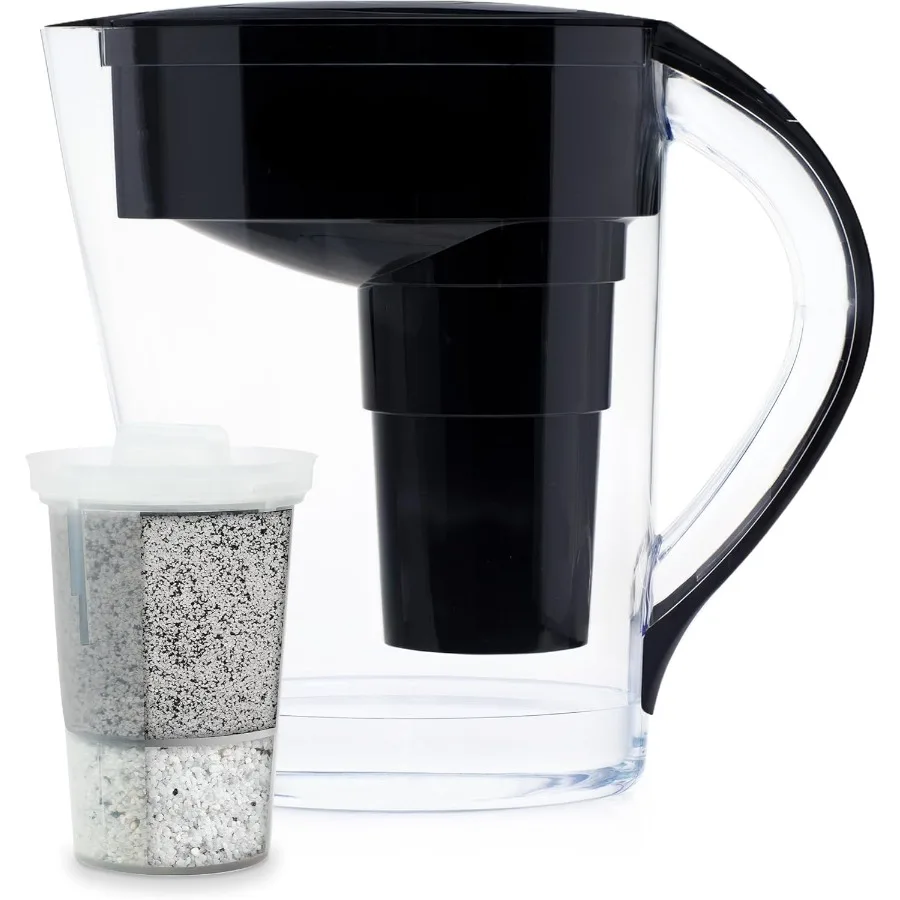
9-Cup Alkaline Water Pitcher (AliExpress Budget Pick)
This pitcher is interesting because it combines fluoride removal with alkaline mineral addition. The “American filtration media idea” suggests it uses activated alumina or a similar blend. At this price, it’s a gamble. Without independent certification, you’re trusting the seller’s claims. It could be a fantastic budget find, or the performance could be inconsistent. We’d recommend it for the curious buyer on a tight budget, not for critical health needs.
- Very low entry cost
- Combines filtration with alkalizing
- Good for experimentation
- No verifiable certifications
- Quality control can be inconsistent
- Long shipping times possible
Frequently Asked Questions
- Do carbon filters remove fluoride?
- No. Standard activated carbon filters, like those in most pitchers and refrigerator filters, do not remove fluoride. The fluoride ion is too small and doesn’t adsorb to carbon. You need a specialized filter media.
- What is the most effective way to filter fluoride from water?
- Reverse osmosis (RO) is the most reliable and effective method for home use, consistently removing over 90% of fluoride. Distillation is equally effective but much slower. Activated alumina filters can also be very effective under the right water conditions.
- How do I know if my filter actually removes fluoride?
- Look for independent certification to NSF/ANSI Standard 58 (for RO) or Standard 53 (for health claims like fluoride reduction). The manufacturer should provide performance data sheets showing the percentage reduction. If they don’t, be skeptical.
- Can a shower filter remove fluoride?
- Some shower filters with activated alumina or specialized media claim to reduce fluoride. However, the primary benefit of a shower filter is chlorine removal for skin and hair health. The main concern with fluoride is ingestion, not dermal absorption.
- Do I need to remineralize water after RO filtration?
- It’s a matter of preference. RO water is slightly acidic and devoid of minerals. Many people add a remineralization stage or a pinch of high-quality salt to improve taste and add back trace minerals. For a deeper look at creating a complete drinking water solution, consider the final polishing stages.
- Is it expensive to remove fluoride from all my water?
- Yes, whole-house fluoride removal is a major investment. It requires large, specialized tanks with media like activated alumina or bone char, and professional installation. For most people, targeting just drinking and cooking water with an under-sink system is far more practical and affordable.
Final Thoughts
After years in this space, here’s our honest take: if you’re on municipal water and want fluoride gone from your drinking water, a certified under-sink reverse osmosis system is the way to go. It’s a permanent, low-maintenance solution that also protects you from a host of other contaminants. The upfront cost stings a bit, but the peace of mind is worth it.
For renters, travelers, or those on a very tight budget, a certified pitcher like the Epic Pure is a legitimate option. Just stay on top of filter changes. Avoid any product that makes vague claims without certification. Your water is too important for guesswork. Do your homework, check the numbers, and choose the system that fits your life and your water.
