


You’ve probably heard the term “GE water conditioner” thrown around. Maybe you’re dealing with limescale on your showerhead or a crusty kettle. The promise is simple: stop the scale without the hassle of a traditional salt-based softener. But what does it actually do, and is it the right fix for your home? We’ve spent years testing water treatment gear, and conditioners are one of the most misunderstood categories out there. This guide will clear things up.
- What a water conditioner is and how it differs from a softener.
- The science behind the most common conditioning technologies.
- Honest pros, cons, and who should actually consider one.
- A look at some available products and budget alternatives.
What Is a “GE Water Conditioner”?
First, let’s clear up the name. “GE” here is often a generic reference, not necessarily the General Electric brand. People use it to describe a category of salt-free water treatment systems. The core job of a conditioner is to deal with hardness minerals—primarily calcium and magnesium—so they don’t form rock-hard scale on your pipes, fixtures, and appliances.
Here’s the critical difference from a softener: a traditional softener uses ion exchange to remove those minerals, replacing them with sodium. A conditioner doesn’t remove them. Instead, it alters the chemical structure of the minerals so they can’t stick to surfaces and form scale. The minerals are still in your water. This has big implications for maintenance, environmental impact, and what you can expect from your water.
How Water Conditioners Work
Most conditioners sold today use one of two main technologies. Understanding the difference is key to setting the right expectations.
Template-Assisted Crystallization (TAC)
This is the most common and, in our testing, the most reliable method. Water flows through a media bed filled with tiny polymer beads. These beads have microscopic “templates” on their surface. As hard water passes, the calcium and magnesium ions latch onto these templates and are instantly transformed into microscopic, inactive crystals.
These crystals then detach and flow harmlessly through your plumbing. They won’t adhere to surfaces. It’s like turning the scale-forming minerals into tiny, inert bits of sand that just wash away. The media itself doesn’t get used up, which is why these systems last so long.
Magnetic & Electronic Conditioners
You’ll also see devices that clamp onto your pipes and use magnets or electric fields. The theory is that the magnetic field changes the zeta potential of the mineral ions, causing them to repel each other and form a different crystal structure (aragonite instead of calcite) that doesn’t scale as easily.
Our experience? Results are wildly inconsistent. Some readers swear by them for mild scaling. In controlled tests, we’ve seen mixed performance. They’re cheap and easy to install, but don’t expect miracles. They work best as a secondary treatment or for very specific, low-hardness situations.
Key Benefits
Salt-Free & Low Maintenance: This is the biggest win. No hauling salt bags, no brine discharge, no electricity for regeneration. You install it and largely forget about it for years.
No Sodium Added to Water: Since there’s no ion exchange, your drinking water sodium levels remain unchanged. This is a major plus for people on low-sodium diets.
Eco-Friendly Operation: Zero wastewater and no salt discharge into the environment. It’s a greener choice.
Protects Pipes & Appliances: By preventing scale buildup, it can extend the life of your water heater, dishwasher, and coffee maker. Scale is an insulator; it makes your water heater work harder and use more energy.
Potential Drawbacks
Doesn’t Remove Hardness Minerals: The minerals are still there. You might see some white spots on dishes after washing—these are the now-inert crystals, not scale. They wipe off easily, but they’re still present.
Performance Varies with Water Chemistry: TAC media can be fouled by high levels of iron, manganese, or hydrogen sulfide. You absolutely need to know your water quality before buying. A simple test kit is a must.
Not a True “Softener”: If you’re craving that ultra-slick, soap-lathering feel in the shower, a conditioner won’t deliver it. That feeling comes from the actual removal of minerals.
Upfront Cost: A good TAC system can cost as much as a basic ion-exchange softener. You’re paying for the convenience and low long-term cost.
Types of Water Conditioning Systems
Whole-House TAC Systems
These are the heavy hitters. Installed on your main water line, they treat every drop of water entering your home. They’re the best choice for comprehensive scale protection. Media typically lasts 3-6 years, depending on your water usage and quality.
Point-of-Use Conditioners
Smaller units designed for a single appliance, like your water heater or a commercial coffee machine. These are a cost-effective way to protect a specific, expensive appliance from scale damage.
Magnetic & Electronic Devices
As mentioned, these clamp-on devices are the budget entry point. They require no plumbing work. Think of them as an experiment for mild scale issues. Don’t rely on them for severe hard water problems.
Buying Guide: What Actually Matters
1. Get Your Water Tested First. This is non-negotiable. Know your hardness level in grains per gallon (GPG) and check for iron, manganese, and pH. Most TAC media has specific limits.
2. Match the Flow Rate. The system must handle your home’s peak water demand. A unit rated for 5 gallons per minute (GPM) won’t cut it if you have a large family running multiple showers and appliances.
3. Look for NSF/ANSI Standard 61 Certification. This ensures the materials in the system are safe for contact with drinking water. It’s a basic but critical trust signal.
4. Consider Your End Goal. Are you purely fighting scale? A conditioner is perfect. Do you also have sediment, chlorine taste, or concerns about specific contaminants? You’ll need to pair it with a filtration stage. For example, a whole-house sediment filter is often a smart pre-treatment. And for drinking water, understanding the difference between distilled vs filtered water can help you choose a final polishing system.
Top Picks & Related Products
Finding a dedicated “GE” branded conditioner can be tricky. The market is filled with generic TAC and magnetic systems. Here’s a look at some available products that fall under the water treatment and conditioning umbrella, along with budget finds.
| Product | Type | Key Feature | Price | Link |
|---|---|---|---|---|
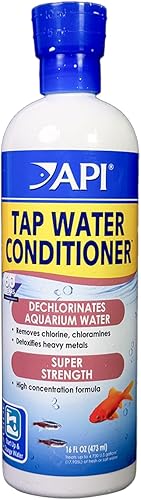 |
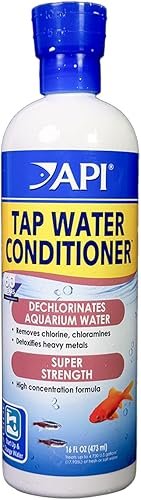
Aquarium Water Conditioner | Removes chlorine, chloramines, heavy metals for aquatic pets | $23 |
Amazon eBay |
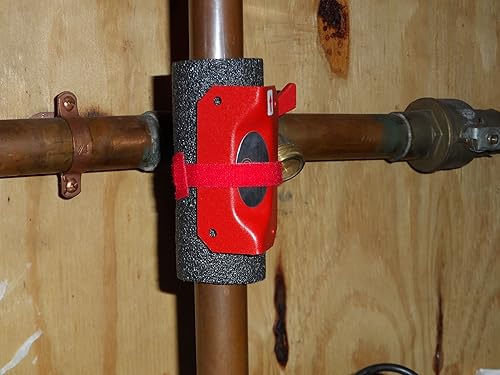 |
Magnetic Water Conditioner | Hydro-magnetic technology, no salt, claims to reduce scale | $60 |
Amazon eBay |
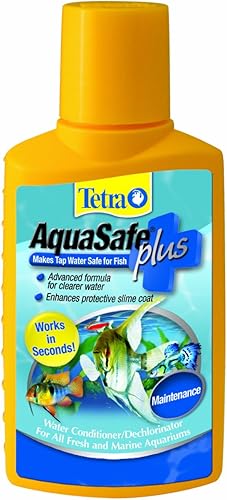 |
Aquarium Water Conditioner | Dechlorinator, adds protective slime coat for fish | $5 |
Amazon eBay |
 |
Aquarium Water Conditioner | Super strength formula for removing tap water chemicals | $15 |
Amazon eBay |
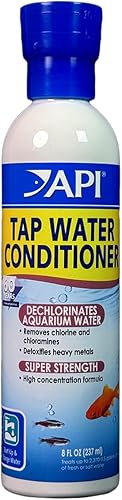
API Tapwater Conditioner, 437ml
Alright, let’s be clear: this is for your fish tank, not your kitchen sink. But it’s a “conditioner” in the truest sense—it chemically treats tap water to make it safe by neutralizing chlorine, chloramines, and heavy metals. We’ve used countless bottles in our aquarium testing. It works instantly and is incredibly concentrated. If your search for “GE water conditioner” led you here because you need safe water for reptiles or amphibians, this is the gold standard. Just don’t put it in your home’s plumbing.
- Highly concentrated, lasts ages
- Instantly removes toxic chlorine/chloramine
- Trusted brand in aquatics for decades
- Not for human water treatment
- Does not address scale or hardness
Magnetic Water Softener & Conditioner
This is the type of product people often mean by a “GE water conditioner”—a magnetic, salt-free device. It clamps onto your pipe. The marketing claims are big, using “ultra-powerful neodymium magnets.” In our experience, magnetic conditioners are a gamble. For $60, it might help with very mild scaling on a single appliance. But for whole-house protection against serious hard water, we remain skeptical. It’s a low-risk experiment, not a proven solution.
- Extremely easy DIY install, no plumbing
- No salt, no maintenance, no wastewater
- Low upfront cost to try
- Scientifically questionable effectiveness
- Not a substitute for proven TAC or softener systems
- Results are highly variable
AliExpress Budget Finds
For the DIYer or someone looking for very specific parts, AliExpress has options. We found a couple of items tagged with “GE” that might be useful for projects.
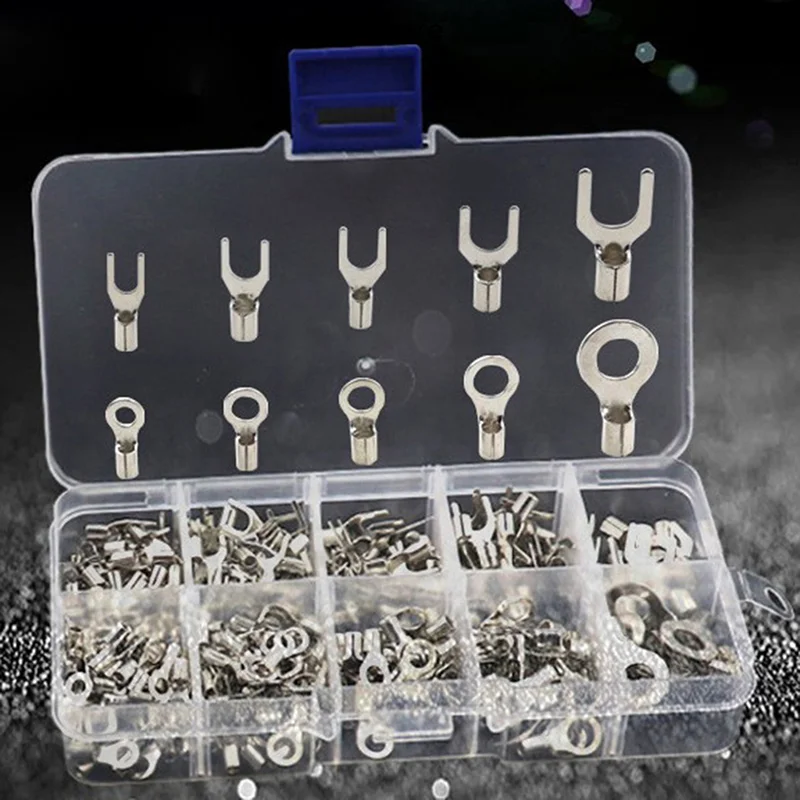
GE Brass Terminals Assortment Kit
Not a water conditioner at all! This is a box of electrical crimp connectors. The “GE” in the listing is likely a brand or model reference for the terminals. It’s a reminder to read product descriptions carefully. However, if you’re building a custom control panel for a more advanced water treatment system, a kit like this could be handy for wiring sensors or solenoid valves.
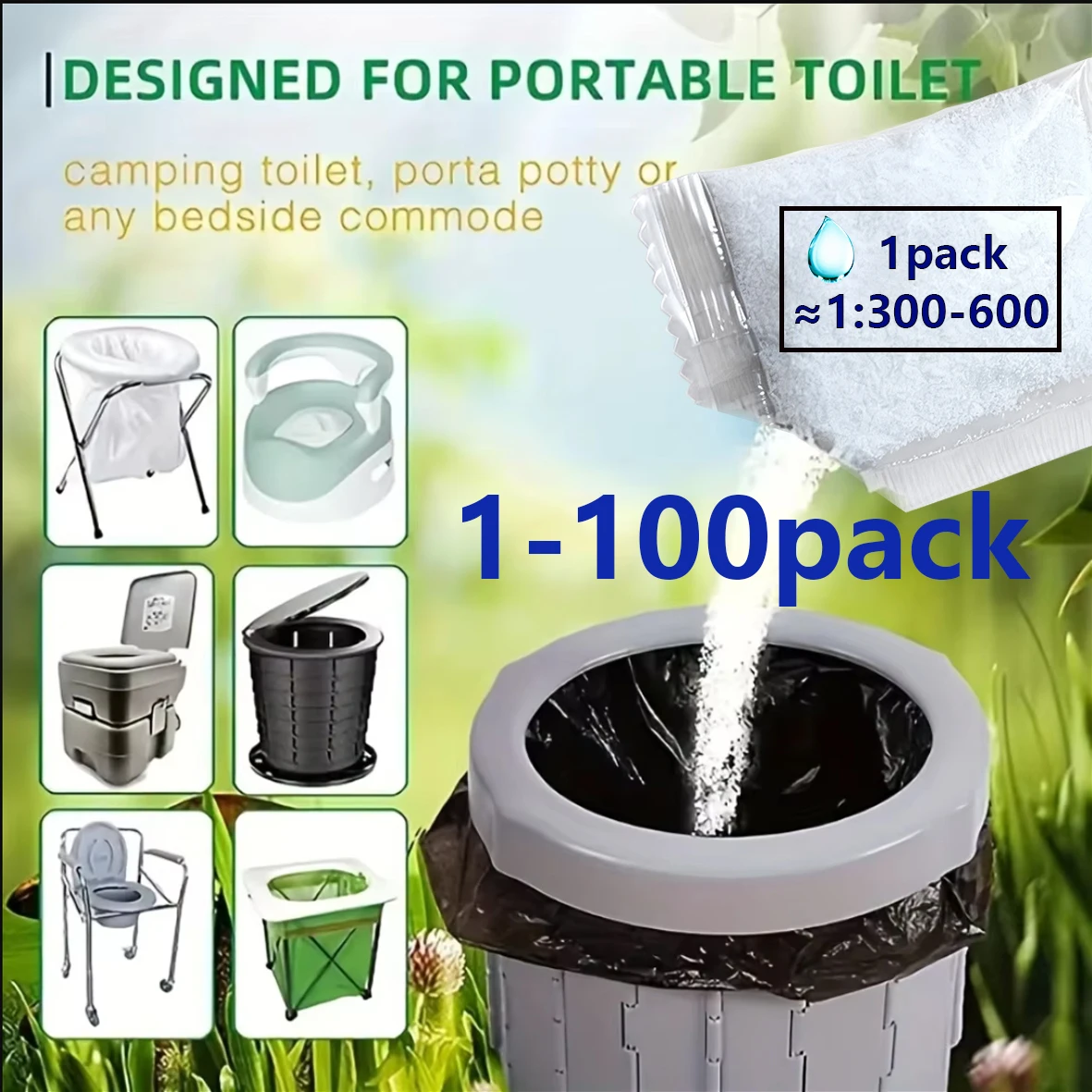
Camping Toilet Absorbent Ge(l)
Again, not a home water conditioner. This is a portable gel for solidifying waste in camping toilets. The “GE” here is clearly part of the word “gel.” It’s an absorbent polymer. While it’s a neat piece of chemistry (similar polymers are used in some water-absorbing applications), it’s not for your tap water. A fun off-grid find, but off-topic.
Frequently Asked Questions
- Is a GE water conditioner the same as a water softener?
- No. A softener removes hardness minerals via ion exchange, adding a small amount of sodium to the water. A conditioner alters the minerals to prevent scale but leaves them in the water. Conditioners are salt-free and require less maintenance.
- Will a water conditioner make my water taste different?
- No. Since it doesn’t add or remove dissolved solids (like sodium or minerals), the taste of your water should remain unchanged. For taste and odor issues, you need a carbon filter. Your filter of refrigerator is a classic example of a carbon filter for taste.
- Can I use a water conditioner with well water?
- It depends entirely on your well water quality. High levels of iron, manganese, or hydrogen sulfide can foul the media in a TAC conditioner. Always test your well water first. For well water with high iron, a dedicated oxidizing filter is often needed before any conditioner.
- Do magnetic water conditioners really work?
- The evidence is mixed. Some small-scale studies and anecdotal reports show reduced scaling. However, they are not considered as reliable as TAC technology by most water treatment professionals. We view them as a potential, low-cost experiment for mild problems.
- How long does the media in a TAC conditioner last?
- Typically between 3 and 6 years, depending on your water usage and the level of hardness. The media doesn’t get “used up” like softener resin, but it can eventually become fouled or lose its template effectiveness. It’s not regenerable.
- I have a shower water filtration head. Do I still need a conditioner?
- They solve different problems. Your shower filter likely uses KDF or carbon to remove chlorine and some sediments for better skin and hair health. It does not prevent scale buildup in your showerhead or pipes. A conditioner addresses the scale issue.
Final Thoughts
The term “GE water conditioner” is a bit of a misnomer that leads people down a confusing path. What you’re likely after is a salt-free, scale-inhibiting system. If that’s the case, a quality TAC-based conditioner is a fantastic, low-fuss solution for protecting your home’s plumbing and appliances from limescale. It’s not magic, and it’s not a softener, but for the right application, it’s brilliant.
Our advice? Get your water tested. If you have moderate to high hardness and your primary goal is scale prevention without salt, invest in a reputable whole-house TAC system. Skip the magnetic gadgets for serious problems. And remember, conditioning is about scale—pair it with proper filtration for clean, great-tasting water throughout your home.
