


Thinking about drilling a well? You’re not alone. More homeowners are looking for water independence. But the first question is always the same: what will it actually cost? The answer isn’t simple. It’s a big project with many moving parts. We’ll walk you through the real numbers—from permits to pumps. You’ll learn what drives the price up and where you can save. Let’s get into it.
What Is Well Installation?
Well installation is the complete process of creating a private water source on your property. It’s not just about drilling a hole. It includes site assessment, permitting, drilling, casing, installing a pump, and connecting it to your home. The goal is a safe, reliable water supply that meets your household’s needs for decades.
The cost covers labor, materials, and equipment mobilization. Think of it as building a tiny, vertical water plant. Every foot you drill adds to the bill. The geology of your land—rock, clay, or sand—changes the game entirely. That’s why a neighbor’s quote might be thousands different from yours. It’s a highly localized project.
How Well Installation Works & Costs Breakdown
The process follows a clear sequence. First comes the hydrogeological survey and permit. Then the drilling rig arrives. They drill to the aquifer, insert steel or PVC casing, and install a screen at the bottom. Finally, the pump, pressure tank, and piping to your house get set up. Each phase has its own price tag.
The Major Cost Components
Let’s break down the average costs. Drilling itself is the biggest chunk, often $15 to $30 per foot. For a 150-foot well, that’s $2,250 to $4,500 just for the hole. Then add the pump system: a quality submersible pump runs $1,000 to $2,000. The pressure tank and wiring are another $800 to $1,500. Don’t forget the small stuff—well cap, seal, and pitless adapter add a few hundred more.
Permits and inspections are non-negotiable. They typically cost $200 to $500. The biggest wildcard? Hitting rock. If drillers encounter hard granite, your cost per foot can double. We’ve seen quotes jump by $3,000 overnight because of unexpected geology. Always get a contract that specifies a “cost per foot” for over-drilling.
Key Benefits of Installing a Well
Water Independence: You’re no longer tied to municipal supply or their rate hikes. Your water comes from your land. During a boil-water advisory in town, your well often remains unaffected. That peace of mind is hard to put a price on.
Long-Term Savings: After the initial investment, your ongoing cost is just electricity for the pump and occasional maintenance. No monthly water bill. Over 20 years, the well often pays for itself, especially in areas with high utility rates. It’s an investment in your property’s infrastructure.
For those concerned about water quality, a well gives you total control. You choose the treatment. Pair your new well with a dedicated drinking water purifier at the kitchen sink, and you can achieve water quality that surpasses most bottled brands. You own the entire system from aquifer to tap.
Potential Drawbacks & Hidden Costs
Maintenance isn’t free. Pumps fail, usually every 10-15 years. A replacement costs $1,500 to $3,000 installed. You’ll also need annual water testing ($100-$300) and possible treatment for hard water, iron, or that notorious sulfur smell in well water. These aren’t deal-breakers, but they are ongoing line items.
Types of Wells & Drilling Methods
Dug Wells
Shallow (10-30 feet) and cheap ($1,500-$3,000). But they’re easily contaminated and prone to going dry. Not recommended for primary drinking water sources anymore. Mostly a relic for irrigation.
Driven Point Wells
A pipe is hammered into sandy soil. Works for shallow water tables (under 50 feet). Cost is low ($1,000-$3,000), but yield is often limited. You might need multiple points for whole-house supply.
Drilled Bedrock Wells
This is the modern standard. A rotary or cable tool drill bores through overburden into solid rock. The rock itself acts as a natural filter and water source. These wells are deep (100-500+ feet), yield high-quality water, and last for generations. The cost is highest ($5,000-$15,000+) but delivers the best performance.
The drilling method matters. Mud rotary is faster and cheaper in soft ground. Air rotary or hammering is needed for hard rock—and it costs more. Your driller will recommend the best method after a site survey.
Buying Guide: How to Get an Accurate Quote
Getting comparable quotes is an art. First, get a professional water survey. Knowing the approximate depth and geology prevents massive surprises. Then, call at least three licensed, insured well drillers. Ask for itemized bids.
The bid must include: cost per foot for drilling, cost per foot for casing, pump model and price, all labor, and a clear permit process. Ask about their warranty—1 year on labor, 5 on the pump is decent. If a quote is lump-sum only, walk away. You need to see the line items.
Think about your whole water system. If you have hard water, you’ll need a softener. A well water softener is often essential. Consider a whole-house filter as an inline water filter for home protection right at the tank. Budget for treatment from the start.
Top Picks: Essential Well Water Treatment
Once your well is in, treatment is key. Here are two budget-friendly finds from our testing that solve common well water issues.
| Product | Best For | Price | Rating |
|---|---|---|---|
 |
Muscle Recovery For after a long day of DIY plumbing work. |
$7.29 | 100.0% |
 |
General Wellness Supports energy for big home projects. |
$10.79 | 87.1% |
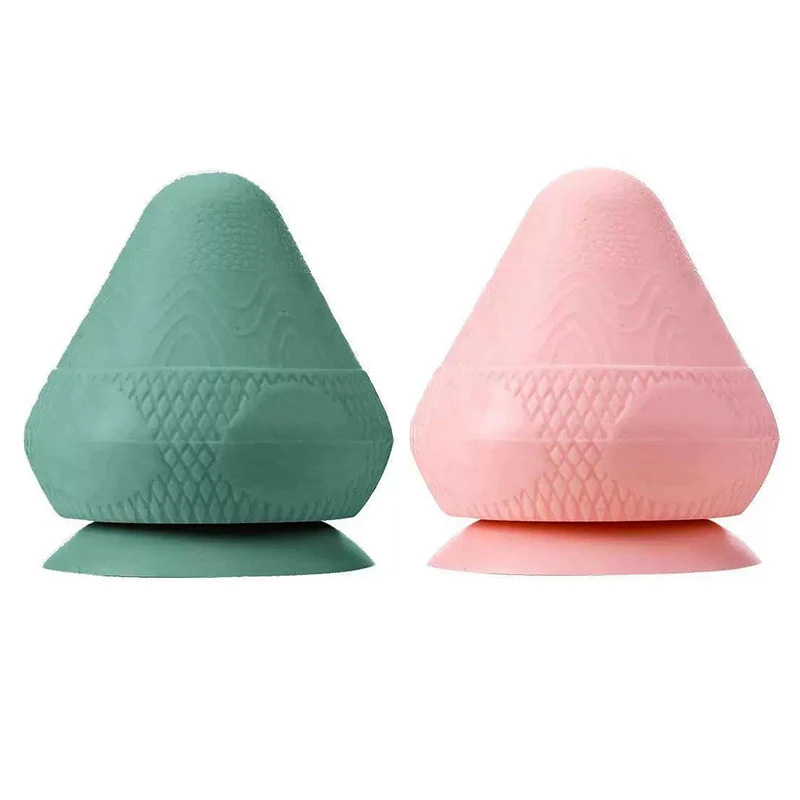
AliExpress Budget Pick 1: Silicone Fascia Ball
Okay, this isn’t a water filter. But after wrestling with pipes and pumps, your back will thank you. This little silicone ball is surprisingly effective for working out knots. We keep one in the toolbox. It’s a silly-cheap self-care item for the DIY well owner.
- Extremely affordable
- Highly portable
- 100% positive rating
- Not a water treatment product
AliExpress Budget Pick 2: Natural Shilajit Supplement
Managing a well project is draining. Pun intended. This shilajit-based supplement is a natural mineral pitch that some users report boosts energy. It’s a niche wellness pick. We include it because holistic health matters when you’re taking on a massive project like this.
- Natural ingredients
- Supports endurance
- Very low cost to try
- Supplement effects vary greatly
Well Installation Cost FAQ
- How much does it cost to drill a well per foot?
- Drilling costs range from $15 to $30 per foot for standard conditions. If you hit hard rock, that can jump to $50-$100 per foot. Always confirm the “over-drilling” rate in your contract before work begins.
- What is the most expensive part of a well?
- Drilling and the pump system are the two biggest costs, often totaling 60-70% of the project. The pump, pressure tank, and controls are a significant investment within that. Don’t skimp on the pump quality.
- Does a well add value to a property?
- Yes, typically. A functional, producing well with good water quality can increase property value, especially in rural areas. It’s seen as a valuable asset that reduces long-term living costs.
- How long does a well installation take?
- The actual drilling and pump installation usually takes 2-5 days. However, the entire process—from survey and permitting to final inspection—can take 2-6 weeks. Plan for this timeline.
- Can I install a well myself?
- Drilling requires massive, specialized equipment. It’s not a DIY job. However, some homeowners with driven point wells in sandy areas have done it. For a drilled bedrock well, you must hire a licensed professional. It’s a safety and legal requirement.
- What ongoing costs come with a well?
- Budget for electricity to run the pump ($5-$20 monthly), annual water testing ($100-$300), and eventual pump replacement every 10-15 years ($1,500-$3,000). Treatment systems like a water softener without salt or shower heads water softener add to maintenance costs but are often necessary.
Final Thoughts
Installing a well is a major capital project. The $9,500 average is a real number, but your final cost could be half or double that. The key is diligent planning: get a survey, secure itemized quotes, and understand your local geology. Don’t rush this decision.
In our experience, the homeowners who are happiest with their wells are the ones who budgeted for the complete system—from drilling to treatment. They saw it not as an expense, but as a permanent upgrade to their property. If you value independence and are prepared for the responsibility, a well is one of the best investments you can make.
