


You’ve got a water softener. Good move. But if you’re not thinking about the salt you put in it, you’re leaving performance on the table—and risking a repair bill. We’ve tested systems for years, talked to plumbers, and seen what happens when salt choice goes wrong. This guide cuts through the confusion.
- What water softener salt actually is (and isn’t)
- How it works inside your system
- The real-world benefits and drawbacks
- A breakdown of the different types
- How to choose the best salt for your setup
What Is Water Softener Salt?
Forget table salt. Water softener salt is a high-purity sodium chloride or potassium chloride product, designed specifically for ion-exchange water softeners. It comes in pellets, cubes, or crystals. Its sole job is to create a brine solution that cleans and recharges the resin beads inside your softener tank.
These beads do the actual work, grabbing calcium and magnesium ions that make water “hard.” Without salt, the beads can’t release those minerals during the regeneration cycle. Your softener becomes a very expensive, very heavy paperweight. The salt itself never touches your drinking water—it’s flushed away during the regeneration process.
How Water Softener Salt Works
The process is called ion exchange. Your softener’s resin tank is filled with thousands of tiny beads saturated with sodium ions. As hard water flows through, the resin trades its sodium for the water’s calcium and magnesium. Soft water out, hardness trapped.
The Regeneration Cycle
Eventually, the resin beads get coated in hardness minerals. That’s where the salt comes in. Your system automatically initiates a backwash cycle, usually at night. It draws a concentrated salt brine from the separate brine tank, flushing it over the resin. The brine’s high sodium content knocks the calcium and magnesium off the beads, recharging them with fresh sodium. The waste water, now loaded with hardness minerals, is sent down the drain.
Why Purity Matters
Low-grade salt contains more insoluble bits—dirt, clay, organic gunk. This creates a thick, muddy sludge at the bottom of your brine tank. We’ve seen it clog injectors and float valves, leading to service calls. Higher purity salt dissolves cleaner, reduces maintenance, and helps your system run efficiently. If you’re dealing with iron in your well water, pairing your softener with a dedicated whole house iron water filter is often a smarter first step than overloading the softener.
Key Benefits
Prevents Limescale Buildup: This is the big one. Soft water stops scale from forming inside pipes, water heaters, and on fixtures. Your dishwasher and washing machine will last years longer.
Saves Money on Soap and Detergent: Soft water lathers easily. You’ll use less shampoo, laundry soap, and dishwasher detergent. In our testing, families cut soap usage by up to 50%.
Cleaner Dishes and Softer Laundry: No more white film on glasses or stiff, scratchy towels. The difference is immediate and noticeable.
Protects Your Investment: A water softener isn’t cheap. Using the right salt protects its internal components and ensures it works as advertised for its full lifespan. For a broader point-of-entry solution that tackles sediment and chlorine too, consider a poe water filter system upstream.
Potential Drawbacks
Salt Bridging: Sometimes, a hard crust forms in the brine tank, creating an air pocket below. The system thinks it has salt, but it can’t draw brine. It’s usually caused by high humidity or using the wrong salt type. A quick poke with a broom handle fixes it.
Environmental Impact: The brine discharge from regeneration contains high levels of sodium or potassium and hardness minerals. In some sensitive ecosystems, this can be an issue. It’s something to be aware of.
Types of Water Softener Salt
Solar Salt (Crystals)
Made by evaporating seawater. It’s about 99.5% pure. Comes in crystal form. Affordable and widely available. Can contain more insoluble material than other types, so it may require more frequent brine tank cleanouts. Best for households with moderately hard water.
Evaporated Salt (Pellets)
The purest option you’ll find in stores—99.9% sodium chloride. Made by mechanically evaporating brine. Forms dense pellets or cubes. Dissolves predictably, leaves very little residue. Our top recommendation for most homes. It minimizes bridging and sludge.
Potassium Chloride
A sodium-free alternative. Works exactly the same way in your softener, but it’s more expensive—often 3-4 times the cost of solar salt. Essential for people monitoring sodium intake. Also a good choice if you’re using softened water for gardening, as sodium can harm plants.
Rock Salt
Mined from underground deposits. The cheapest option, but also the dirtiest. High in insoluble calcium sulfate (which creates tons of sludge) and other impurities. We don’t recommend it. It will clog your system and lead to higher long-term costs.
Buying Guide: What Actually Matters
1. Match Your Softener’s Manual. Some manufacturers specify pellet or cube size. Always check first.
2. Purity is King. Look for salt with an NSF/ANSI 60 certification or a purity rating above 99.5%. Less sludge, fewer problems.
3. Form Factor. Pellets and cubes are less likely to bridge than crystals. They’re our default pick for ease of use.
4. Sodium vs. Potassium. Choose based on health needs and budget. For most people, standard sodium chloride salt is perfectly fine.
5. Water Hardness Level. If you have extremely hard water (over 20 GPG), you’ll go through salt faster. Buying in bulk (40lb bags) makes sense. Using a tds measuring meter can help you track your softener’s effectiveness and salt usage over time.
Top Picks for 2026
| Product | Best For | Price | Key Feature |
|---|---|---|---|
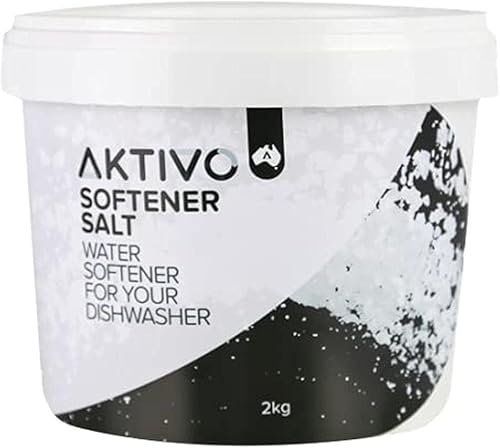
 Aktivo Softener Salt 2 Kg |
Dishwashers with built-in softeners | $22 | Large crystal granules for specific appliances |
 Finish 1kg Dishwasher Salt |
Premium dishwasher maintenance | $24 | Prevents limescale, boosts detergent performance |
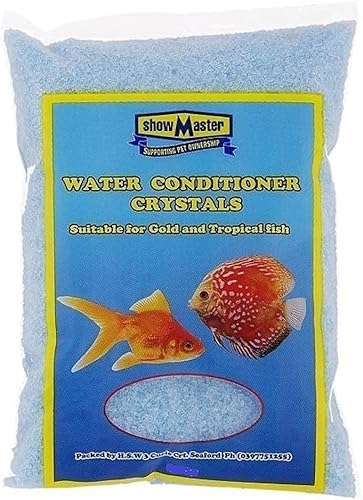 SHOWMASTER SOFT WATER CONDITIONER SALTS 1KG |
Aquarium water conditioning | $13 | Creates a natural environment for fish |
 Monarch Water Ultimate 10kg Tablets |
Whole-house water softeners | $26 | BS EN973 Class A approved, rapid-dissolving |
Aktivo Softener Salt 2 Kg
This is a niche product, and that’s okay. It’s designed for dishwashers with built-in water softeners—the kind common in European models. The large granules are meant for that specific brine compartment. We wouldn’t use this in a whole-house softener tank. But if your dishwasher manual calls for this type of salt, it does the job. The price is a bit steep per kilogram, but you’re paying for the right grain size.
- Correct granule size for appliance softeners
- Pure salt formulation
- Not for whole-house systems
- Expensive per unit weight
Finish 1kg Dishwasher Salt
Finish is a big name in dishwasher care, and their salt is a solid, if premium, choice for built-in dishwasher softeners. It’s highly soluble and very pure, which means less risk of residue clogging your appliance’s delicate salt chamber. The claim about boosting dishwasher tablet performance is marketing, but the core job—preventing limescale in the dishwasher—is legitimate. If you want a trusted brand for your appliance, this is it.
- High purity, dissolves completely
- Trusted brand for appliance care
- Brand premium price
- Only for dishwashers, not whole-house
SHOWMASTER SOFT WATER CONDITIONER SALTS 1KG
Hold on—this isn’t for your home water softener. This is aquarium salt, designed to condition water for fish tanks by adding essential minerals. Using this in your ion-exchange softener would be a mistake. We’re including it because it often shows up in searches, and we want to be clear: it’s a different product for a different purpose. For fish health, it’s fine. For your plumbing, look elsewhere.
- Safe for aquarium use
- Helps create a natural fish environment
- Not for water softeners
- Will not regenerate resin beads
Monarch Water Ultimate 10kg Water Softener Salt Tablets
This is what you want for a whole-house system. Monarch’s tablets are BS EN973 Class A approved—a European standard for salt quality used in water treatment. That’s a strong mark of purity. They’re dense, dissolve rapidly, and are designed to produce a premium brine. In our experience, high-quality tablets like these minimize bridging and sludge. The 10kg bag is a practical size for most homes.
- High purity certification (BS EN973)
- Rapid-dissolving tablets
- Suitable for most water softeners
- May be harder to find locally
- Premium price for the certification
Frequently Asked Questions
- Can I use table salt or road salt in my water softener?
- Absolutely not. Table salt contains iodine and anti-caking agents that can gum up your system. Road salt is loaded with impurities and dirt. Only use salt specifically labeled for water softeners.
- How often do I need to add salt?
- It depends on your water hardness, household size, and softener size. Check monthly. A family of four with moderately hard water might use about 40 lbs of salt per month. Let the salt level drop below the water line, and you risk problems.
- Why is my brine tank full of water?
- It’s supposed to have water! The water dissolves the salt to create brine. The level fluctuates. However, if it’s overflowing or never seems to drain, you might have a clog in the drain line or a faulty valve. Time to call a plumber.
- Is softened water safe to drink?
- Yes, but it contains slightly more sodium. The amount depends on your original water hardness. For most people, it’s negligible. If you’re on a doctor-recommended low-sodium diet, consider using potassium chloride or installing a reverse osmosis system for your drinking water.
- What’s the white residue on my faucets even with a softener?
- Could be a few things. Your softener might be undersized or need service. The resin beads could be fouled by iron. Or, you might have a soap residue issue, not scale. A simple test with a tds measuring meter or a hardness test strip can tell you if your water is actually soft.
- Can I use potassium chloride in any softener?
- Yes, in most standard ion-exchange softeners. However, potassium chloride doesn’t dissolve as readily as sodium chloride. You may need to adjust your softener’s salt setting to a higher number to ensure proper regeneration. Check your manual.
Final Thoughts
Water softener salt isn’t glamorous. But it’s the lifeblood of your softening system. Don’t overthink it. For 90% of households, a bag of high-purity evaporated salt pellets is the perfect choice. Keep the tank filled, clean the brine tank once a year, and your softener will reward you with scale-free pipes and spotless glasses for over a decade.
If you have special health needs, spend the extra on potassium chloride. If you have a dishwasher-specific softener, buy the right granules for that compartment. And if you’re in the market for a new system, remember that the ongoing cost of salt is part of the equation. Pair your softener with a good clearly filtered water filter for drinking, or a handheld water filter for travel, and you’ll be covered from the mains to the mountain stream.
