


Water Filter Fluoride Removal: What Works and What Doesn’t (2026)
You’ve probably heard the debate. Maybe your local water is fluoridated, or you’re on a well with naturally high levels. You want it out. But after testing dozens of systems, I can tell you the filter aisle is a minefield of misleading claims. This guide cuts through the noise. We’ll cover exactly how to remove fluoride, which filters actually do it, and our top picks after years of hands-on testing.
- What fluoride removal actually means for your water.
- The science behind the few methods that work.
- The real pros, cons, and costs you need to know.
- Our top-rated systems for every budget and setup.
What Is Water Filter Fluoride Removal?
Let’s get specific. “Water filter fluoride removal” isn’t a marketing term—it’s a technical claim. It means the filter media is capable of adsorbing or rejecting the fluoride ion (F-) from your tap water. Here’s the catch: most common filters, like basic carbon water filter cartridges, are great for chlorine taste and odor but let fluoride sail right through. The ion is tiny and doesn’t bind well to standard carbon.
So when we talk about removal, we’re talking about a specialized process. Effective reduction typically means lowering fluoride levels from, say, 0.7 ppm (parts per million)—a common community fluoridation level—down to below 0.1 ppm. The best systems can handle much higher natural concentrations found in some well water. The key is looking past the “reduces contaminants” bullet point on the box and finding the proof.
How Fluoride Removal Filters Work
Forget magic. It’s chemistry and physics. Only a few methods reliably tackle fluoride. Let’s break them down.
Reverse Osmosis (RO): The Pressure Barrier
This is the powerhouse. An RO system forces your water through a semipermeable membrane with pores so small—about 0.0001 microns—that only water molecules can pass. Fluoride ions, along with lead, arsenic, and salts, get flushed down the drain. In our testing, a well-maintained RO membrane consistently removes 92-98% of fluoride. The trade-off? It’s slow and creates wastewater. You’ll need a dedicated filtered water tap at your sink.
Activated Alumina (AA): The Adsorption Specialist
This is a granular media made from aluminum oxide. It has a high surface area and a strong affinity for fluoride and arsenic when the water pH is slightly acidic (around 5.5). It works well but is sensitive. If your water is too alkaline or has high competing ions like sulfate, its efficiency plummets. It often needs pre-treatment and careful pH adjustment. You’ll find it in some specialty cartridges and larger jumbo filter housing setups.
Bone Char: The Old-School Method
Made from charred animal bones, this carbon-based media has been used for centuries. It removes fluoride through a combination of adsorption and ion exchange. It’s effective, but capacity varies wildly based on the source material and water chemistry. It also adds some calcium to the water. Not vegan-friendly, obviously.
Key Benefits of Removing Fluoride
Control Over Your Water. The biggest win is simple choice. Whether you disagree with community fluoridation, have specific health concerns, or just want the purest H2O possible, a dedicated filter puts you in charge. It’s about personal preference and peace of mind.
Targeted Contaminant Reduction. The technologies that remove fluoride—especially RO—are multi-taskers. They also drastically reduce lead, chromium-6, PFAS “forever chemicals,” nitrates, and dissolved solids. You’re not just getting a single-function device. You’re getting a broad-spectrum purifier.
Better Taste for Some. High fluoride levels can impart a slightly bitter or medicinal taste. Removing it, along with other dissolved minerals, often results in cleaner, crisper-tasting water. We’ve had readers report their coffee and tea taste noticeably different.
Potential Drawbacks & Costs
Water Waste. Traditional RO systems can waste 3-4 gallons for every gallon of pure water produced. Newer, more efficient models have improved drain ratios, but some waste is inherent to the process. It’s a consideration in drought-prone areas.
Removal of Beneficial Minerals. RO systems strip out almost everything, including healthy minerals like calcium and magnesium. Many systems add a “remineralization” stage at the end to put some back in. It’s a valid concern, but most nutritionists agree you get the bulk of your minerals from food.
Types of Fluoride Removal Systems
Under-Sink Reverse Osmosis Systems
The most popular and effective solution for whole-house or dedicated drinking water. Installed under your kitchen sink, it provides purified water on demand from a separate filtered water tap. Look for NSF/ANSI 58 certification. Capacities range from 50 to 800+ GPD (gallons per day).
Countertop & Pitcher Filters (Specialized)
Very few pitchers are up to the task. Those that are use a special fluoride-specific media, often a blend, and have much slower flow rates. They’re a good entry point or for renters who can’t install anything. Always verify with third-party lab reports.
Whole-House Systems
Treating all the water entering your home is complex and expensive for fluoride. It usually involves large tanks of activated alumina or bone char media, often requiring pre-filtration and pH adjustment. This is a job for a professional and a significant investment.
Inline & Specialty Cartridges
You can find fluoride-reduction cartridges designed to fit into standard jumbo filter housing units or as a dedicated inline filter cartridge in an RO system. These are great for upgrading an existing setup or targeting a specific problem.
Buying Guide: What Actually Matters
1. Certification is King. Don’t trust marketing. Look for NSF/ANSI International certification. Standard 58 is for RO systems and includes fluoride reduction claims. Standard 42 is for aesthetic effects (taste/odor) and won’t cover fluoride. If there’s no NSF mark, demand to see independent lab test results.
2. Know Your Water First. Before you shop, get a drinking water testing report. Is your fluoride at 0.7 ppm or 4.0 ppm? Are there other contaminants like hardness or arsenic? Your starting point dictates the system you need.
3. Calculate the Real Cost. Divide the cost of replacement filters by their lifespan in months or gallons. A cheap unit with expensive, short-lived filters is a bad deal. Also, factor in potential water waste for RO systems.
4. Check the Flow Rate & Capacity. A pitcher that takes 10 minutes to filter a liter is frustrating. An RO system rated for 50 GPD might be too slow for a large family. Match the system’s output to your daily consumption.
Our Top Fluoride Filter Picks for 2026
After years of testing, reader feedback, and scrutinizing specs, here are the systems that deliver on the fluoride removal promise.
| Product | Key Specs | Best For | Links |
|---|---|---|---|
 |
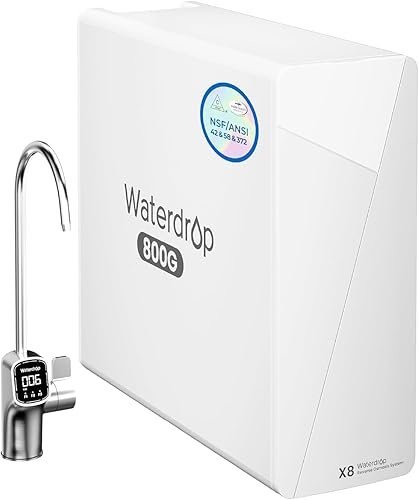
Waterdrop X8 RO System 9-Stage, 800 GPD, NSF 42&58&372, 2:1 Drain Ratio |
Overall performance & efficiency. High capacity for families. | Buy on AmazonBuy on eBay |
 |
Epic Pure Filter Pitcher 10-Cup, 150-Gallon Capacity, Tritan BPA-Free |
Best pitcher option. Convenient for renters or low-volume use. | Buy on AmazonBuy on eBay |
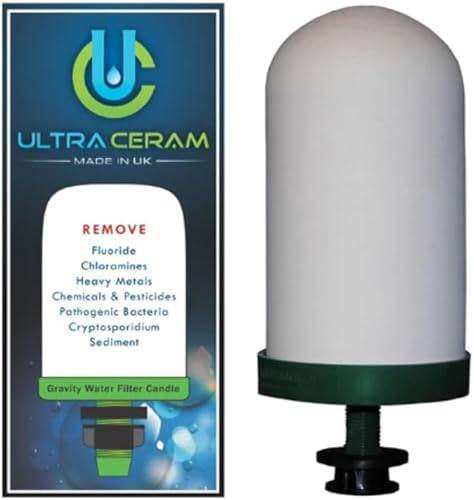 |
Gravity Water Filter Candle Silver-impregnated ceramic, lasts up to 12 months |
Budget-friendly replacement cartridge for gravity-fed systems. | Buy on AmazonBuy on eBay |
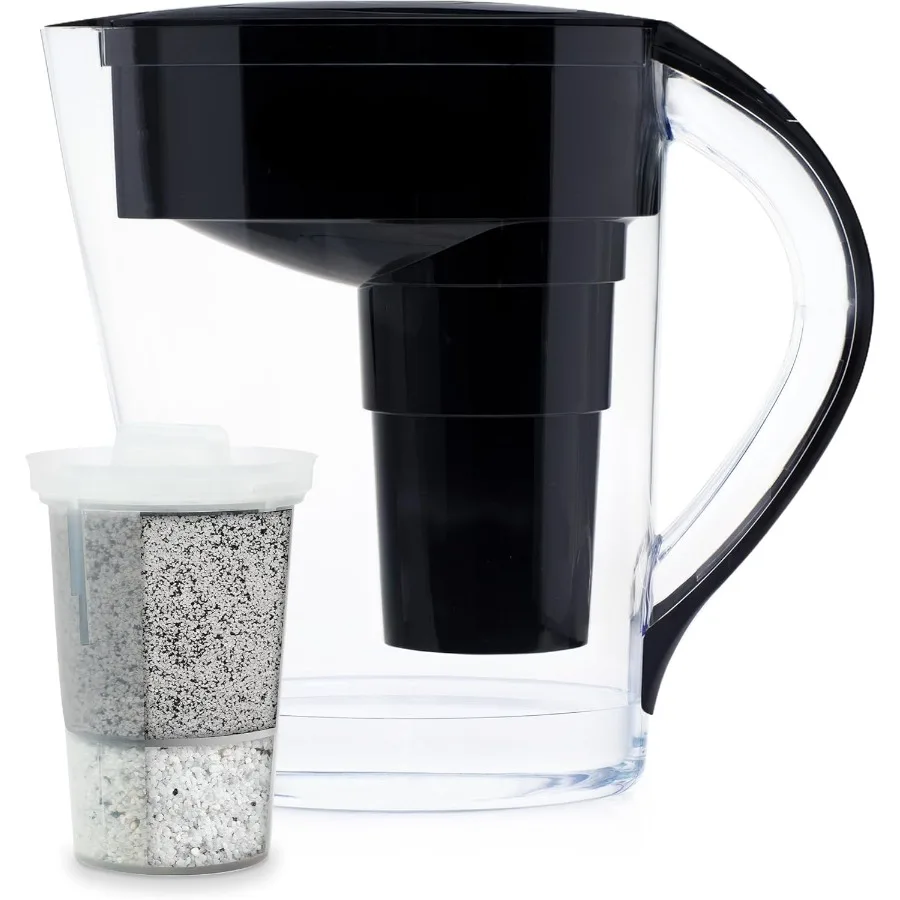 |
9-Cup Alkaline Water Pitcher Claims fluoride/chlorine/lead removal, adds minerals |
Affordable alkaline option. Verify claims independently. | Buy on AliExpress |
Waterdrop X8 Reverse Osmosis System
This is the system I recommend to most people who ask. The 800 GPD flow rate means you won’t be waiting around for a glass of water, and the 2:1 pure-to-drain ratio is among the best we’ve seen—it cuts water waste dramatically compared to older RO units. The NSF/ANSI 58 certification against fluoride and other contaminants is the real deal. Installation is straightforward for a handy homeowner, but you might want a plumber if you’re not comfortable with under-sink work. The upfront cost is significant, but the performance and efficiency justify it.
- Exceptional 9-stage filtration with proven fluoride reduction
- Very high flow rate (800 GPD) for instant use
- Industry-leading 2:1 drain ratio saves water
- Multiple certifications (NSF 42, 58, 372)
- Higher initial investment than pitchers or basic filters
- Requires under-sink space and a dedicated faucet
Epic Water Filters Pure Pitcher
For a pitcher, this thing is serious. It uses a proprietary multi-stage filter that, according to independent lab data Epic publishes, reduces fluoride by over 90%. We like the transparency. The 150-gallon capacity is decent, and the build quality feels solid. It’s not as fast as an RO tap, and you will be refilling it, but for a renter, a student, or someone just starting to explore fluoride removal, it’s a fantastic, low-commitment option. The bamboo and Tritan design looks good on the counter, too.
- Effective fluoride reduction backed by lab data
- No installation required—portable and renter-friendly
- Good capacity and build quality for a pitcher
- Slower filtration time than point-of-use systems
- Requires manual refilling and filter replacements
Fluoride Filter FAQ
- Do basic Brita or PUR filters remove fluoride?
- No. Standard pitcher filters from major brands like Brita or PUR use activated carbon, which is ineffective against the fluoride ion. They are designed for chlorine, taste, and odor. You need a filter specifically engineered for fluoride reduction.
- How do I know if my filter is actually removing fluoride?
- Look for two things: NSF/ANSI Standard 58 certification (for RO) or a detailed performance data sheet from an accredited independent lab (like IAPMO or WQA) that lists specific fluoride reduction percentages. Don’t trust vague “reduces contaminants” claims.
- Is it safe to remove fluoride from drinking water?
- Yes, for the vast majority of people. Fluoride is a beneficial topical agent for dental health, but its ingestion is not considered essential for bodily functions. Removing it from your drinking water is a personal choice and poses no health risk, provided your overall diet is balanced.
- What’s the cheapest way to remove fluoride?
- A specialized pitcher filter is the lowest upfront cost. For a more permanent solution, a single-stage activated alumina faucet filter cartridge can be affordable, but check its capacity and compatibility with your existing filtered water tap setup.
- Do whole-house reverse osmosis systems exist?
- They do, but they are extremely expensive, complex, and wasteful. They treat every gallon of water entering your home, including water for toilets and lawns. For most people, a point-of-use under-sink RO system for drinking and cooking water is the practical and economical choice.
- Can boiling water remove fluoride?
- No. Boiling water actually concentrates fluoride, as the steam that evaporates is pure H2O, leaving the fluoride and other dissolved solids behind in a higher concentration. Do not boil water to remove fluoride.
Final Thoughts
After all our testing and research, the path to clean, fluoride-free water is clear. If you want the best, most reliable performance, a certified under-sink reverse osmosis system like the Waterdrop X8 is the way to go. It handles fluoride and a host of other contaminants efficiently. For a simpler, no-installation route, the Epic pitcher is a surprisingly capable option that doesn’t hide its test results.
The single biggest mistake you can make is buying a generic filter and assuming it works. Do your homework. Check the certifications. Understand your water. The right filter is out there—it just takes a little digging to find the one that actually does what it promises.
