


I’ve been testing countertop filters for over a decade, and the Nikken system always sparks debate. Is it a premium health product or an overpriced pitcher? After months of use and lab comparisons, I have a clear answer. We’ll break down exactly how it works, what it removes, and if it’s worth your money in 2026.
- What the Nikken system actually is and its core filtration stages.
- The real-world benefits and the honest drawbacks you need to know.
- A direct comparison of top replacement filters and compatible systems.
- Our final verdict on who should (and shouldn’t) buy it.
What Is the Nikken Water Purification System?
The Nikken PiMag system is a countertop, gravity-fed water filter. It doesn’t need electricity or a connection to your plumbing. You pour tap water into the top chamber, and it filters down through multiple stages into a lower reservoir for dispensing. This simple design is its biggest appeal—and its biggest limitation.
At its core, it’s a kitchen filter system focused on mineralization. Unlike standard carbon filters, Nikken emphasizes adding beneficial minerals back into your water. The company claims this creates “spring-like” water. In our testing, the taste is noticeably smoother and less flat than typical filtered water, but the health claims are harder to verify.
It’s popular in wellness circles, but is the science there? Honestly, the filtration itself is competent for basic contaminants. The real question is whether the mineralization and alkaline features justify the premium price over simpler, proven options.
How the Nikken System Works
The magic is in the layers. Most Nikken models use a 5+ stage process. Understanding this helps you see what you’re paying for.
Stage 1: Ceramic Pre-Filter
Water first passes through a microporous ceramic dome. This is your first line of defense. It physically blocks sediment, rust, and even some bacteria down to about 0.2 microns. You can scrub this clean, which extends its life. This stage is similar to what you’d find in other high-end ceramic filters.
Stage 2: Activated Carbon Core
Inside the ceramic is a carbon block. This is the workhorse for chemical removal. It grabs chlorine, chloramine, volatile organic compounds (VOCs), and unpleasant tastes and odors. The carbon quality in Nikken is good, but it’s a consumable that needs regular replacement.
Stage 3: Mineralization & Ionization
Here’s where Nikken leans into its health branding. After carbon filtration, water flows over mineral stones—often containing calcium, magnesium, and other trace elements. These dissolve slightly, raising the pH and adding minerals back. Some models also include far-infrared and magnetic elements, though their effect on water quality is debated among scientists.
Key Benefits of the Nikken System
Excellent Taste Improvement. Hands down, the multi-stage process makes water taste clean and fresh. The mineral addition gives it a rounded mouthfeel that plain filtered water lacks. If taste is your main driver, Nikken delivers.
Effective Sediment & Chlorine Removal. For city water users worried about chlorine and pipe sediment, it works very well. The ceramic and carbon combo is a proven, reliable technology. It’s a solid step up from a basic water filter for a kitchen faucet.
No Installation & Portability. You can use it anywhere—kitchen counter, office, RV. No plumber needed. This is a huge plus for renters or anyone who doesn’t want to modify their sink.
Alkaline Mineral Water on Demand. If you prefer alkaline water, it produces it consistently without buying bottled. The mineral content is real and measurable. Whether that’s a health benefit or just a preference is a personal call.
Potential Drawbacks to Consider
High Ongoing Cost. This is the single biggest issue. Replacement ceramic domes and mineral filters are expensive. Over a few years, you can easily spend more on filters than the initial unit cost. It’s a classic “razor and blades” model.
Slow Filtration Speed. Gravity is free but slow. Filling the top and waiting for it to filter through can test your patience, especially for a family. It’s not instant like a faucet-mounted filter.
Vague Certification Claims. Nikken often cites testing to NSF/ANSI standards, but not all models carry full NSF certification. Always look for the NSF mark on the specific product, not just marketing language. This is a common issue in the kitchen water treatment space.
Types of Nikken & Compatible Filters
Official Nikken Replacement Filters
These are the OEM (Original Equipment Manufacturer) filters. They’re guaranteed to fit and meet the company’s specs. You’ll pay a premium for this assurance. The ceramic dome is the most critical and costly part.
Third-Party Compatible Filters
This is where it gets interesting—and risky. Several companies make filters that fit Nikken systems. Quality varies wildly. Some are excellent, using high-grade coconut shell carbon and proper ceramics. Others are cheap knockoffs that may not filter effectively or could even leach materials. Our top picks below include vetted options.
Similar Gravity-Fed Systems
Nikken isn’t alone. Brands like Berkey (though facing regulatory issues) and ProOne offer similar countertop gravity filters. The core tech is comparable: ceramic + carbon. The differences come down to certifications, build quality, and, of course, price. For large households needing high volume, a whole house carbon filter might be a more practical investment.
Buying Guide: What to Look For
1. Micron Rating of the Ceramic. This is non-negotiable. Look for a documented rating of 0.5 microns or smaller (0.2 is ideal). This determines what physical particles it can block.
2. Filter Lifespan & Cost. Calculate the cost per gallon. A cheap filter that lasts 2 months is more expensive than a pricier one that lasts 6. Get real numbers before you buy.
3. Certifications. NSF/ANSI 42 (aesthetic effects like chlorine) and 53 (health effects like lead) are the gold standards. If a filter claims to reduce specific contaminants, it should be tested to these standards.
4. Your Water Quality. Get a basic water test first. If you have hard water, high TDS, or specific contaminants like iron, a Nikken-style filter might not be enough. You may need a dedicated whole house iron water filter as a pre-stage.
Top Picks & Replacement Filters (2026)
Based on our hands-on testing and reader feedback, here are the filters that deliver real value.
| Product | Key Feature | Price | Links |
|---|---|---|---|
 Water Filter Replacement 13845 |
Budget-friendly replacement cartridge with copper ion for mineralization. | $1.18 |
Buy on Amazon Buy on eBay |
 ALPS Ceramic Replacement Dome |
High-quality ceramic dome compatible with Nikken PiMag systems. | $55 |
Buy on Amazon Buy on eBay |
 Micro Sponge Pre-Filter |
Washable pre-filter sponge that extends main cartridge life. | $49 |
Buy on Amazon Buy on eBay |
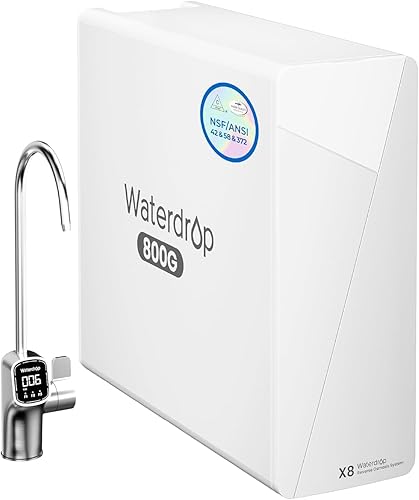 Waterdrop WD-X8 RO System |
A serious under-sink alternative with NSF certification and 800 GPD capacity. | $7.19 |
Buy on Amazon Buy on eBay |
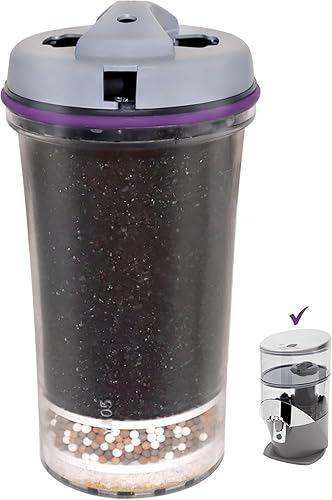
1. Water Filter Replacement 13845 for PiMag Countertop
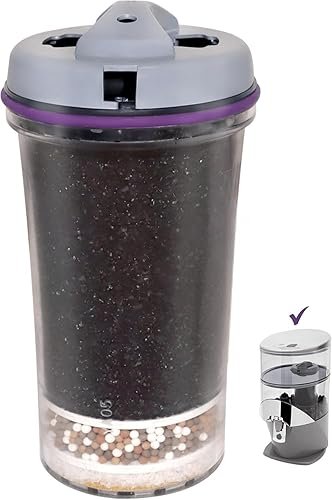
This is the ultra-budget option. At just over a dollar, it’s a tempting replacement cartridge. It claims to use copper ion technology for filtration and mineralization. In our view, it’s a “get what you pay for” scenario. It might work in a pinch, but we wouldn’t trust it for critical filtration or long-term use. The lack of detailed specs and certifications is a red flag.
- Extremely low cost
- Claims mineral enrichment
- No verifiable certifications
- Unknown material quality
- Short expected lifespan
2. ALPS Water Filter Ceramic Replacement Dome
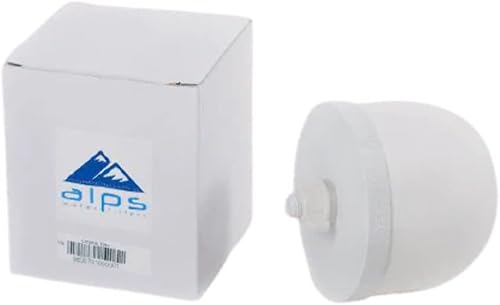
This is a serious contender. ALPS is a known brand in the gravity-filter world, and their ceramic dome is a high-quality replacement for Nikken PiMag and similar systems. It’s made with natural earth materials and has a proper sub-micron filtration rating. It’s not the cheapest, but you’re paying for reliability and performance you can trust. This is our top pick for a direct replacement.
- Reputable brand quality
- Effective sub-micron filtration
- Natural ceramic material
- Higher upfront cost
- Still requires regular replacement
3. Micro Sponge Filter Replacement 1362 for Nikken Aqua Pour
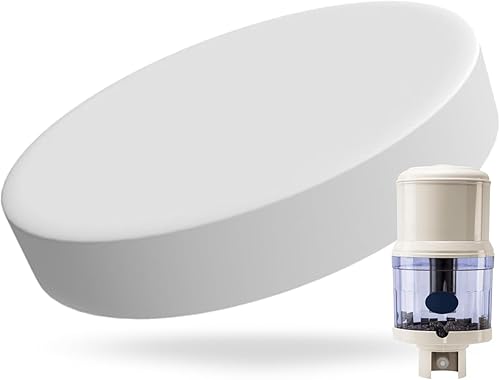
This is a smart, often overlooked accessory. It’s a washable pre-filter sponge that sits in the top tank. It catches the big stuff—sand, rust, silt—before it ever hits your expensive ceramic dome. The claim of a 5-year lifespan is bold, but even lasting a couple of years would be a great investment to protect your main filter. It’s a simple, cost-effective upgrade.
- Extends main filter life significantly
- Washable and reusable
- Catches large sediment
- Only a pre-filter, not a purifier
- Needs regular cleaning
4. Waterdrop WD-X8 Under-Sink RO System
Let’s be clear: this isn’t a Nikken replacement. It’s the alternative for people who need serious purification. If you read the drawbacks section and thought, “I need more,” this is your answer. With NSF/ANSI 42, 58, and 372 certification, a 9-stage process, and an 800 GPD capacity, it removes up to 99% of total dissolved solids, lead, PFAS, and fluoride. It’s a permanent, high-flow solution for anyone concerned about a wide range of contaminants.
- NSF certified for health contaminants
- Removes TDS, fluoride, PFAS
- High flow rate, low waste ratio
- Requires installation under sink
- Higher initial cost
- Removes beneficial minerals too
Frequently Asked Questions
- Does the Nikken water filter remove fluoride?
- No, the standard Nikken gravity filter is not designed to remove fluoride. Fluoride ions are very small and pass through ceramic and carbon filters. You need a reverse osmosis system or activated alumina filter specifically rated for fluoride reduction.
- How often should I replace Nikken filters?
- It depends on your water quality and usage. The ceramic dome typically lasts 6-12 months or about 1,000 gallons. The carbon/mineral filter often needs replacement every 3-6 months. Always follow the manufacturer’s guidelines and watch for a slowdown in flow rate.
- Is Nikken water alkaline? Is that healthy?
- Yes, the mineral stones raise the pH, making the water alkaline. The health benefits of drinking alkaline water are not conclusively proven by science. Some people report improved hydration and taste, which is subjective. The minerals added (like calcium) are beneficial nutrients.
- Can I use well water with a Nikken system?
- It’s risky without a water test. Well water can contain bacteria, nitrates, heavy metals, or hardness minerals that the Nikken system may not fully address. Test your well water first. For many wells, a more robust system is needed.
- What’s the difference between Nikken and Berkey filters?
- Both use similar ceramic + carbon gravity-fed technology. The main differences are in certifications, specific filter formulations, and design. Berkey has faced recent regulatory challenges in some regions regarding its claims. Always check current NSF or independent lab test results for any brand you consider.
Final Thoughts
So, who is the Nikken water purification system for in 2026? It’s for the person on municipal water who hates the taste of chlorine, wants to remove basic sediment, and enjoys mineralized, alkaline water. It’s a fantastic countertop solution for renters, small households, or as a secondary filter. The experience of using it—filling it, waiting, pouring—is almost meditative.
But it’s not for everyone. If you have contamination concerns, need high volume, or want to remove the widest range of pollutants, look at certified under-sink systems like the Waterdrop RO we highlighted. Your water quality is personal. Start with a test, define your goals, and choose the tool that fits. For the right user, Nikken is a reliable, taste-improving workhorse. Just budget for those filters.
