


Safe Drinking Water: A Practical Guide for Your Home (2026)
You turn on the tap, fill a glass, and drink. But what’s actually in that water? After testing hundreds of samples and talking to countless homeowners, I can tell you the answer isn’t always comforting. This guide cuts through the noise. We’ll cover what “safe” really means, how to check your water, and the best ways to protect your household.
- What defines truly safe drinking water
- How to test your water accurately at home
- The pros and cons of different filtration methods
- Our top product picks based on real-world testing
What Is Safe Drinking Water?
Safe drinking water isn’t just about clear water. It’s water that won’t make you sick, either immediately or over decades of consumption. It means the absence of dangerous pathogens like E. coli and Giardia, and the presence of contaminants like lead, arsenic, nitrates, and PFAS “forever chemicals” at levels below strict health benchmarks.
Here’s the catch: your municipal water treatment plant does a fantastic job of killing bacteria and viruses. The problem starts after the water leaves the plant. It travels through miles of pipes—some potentially old and corroded—before it reaches your kitchen faucet. That’s where lead can leach in, or disinfection byproducts can form. So, “safe” is a local question. Your neighbor’s water might be different from yours.
For those on a private well, the responsibility shifts entirely to you. There’s no municipal treatment. You are the water company. That means regular testing for bacteria, nitrates, and local geological contaminants is non-negotiable. Honestly, most people don’t test their well water nearly often enough.
How Water Safety Is Determined
Safety is measured, not guessed. Governments set Maximum Contaminant Levels (MCLs) for dozens of substances. In our experience, the two most important sets of standards for home filters are NSF/ANSI 42 (aesthetic effects like chlorine taste) and NSF/ANSI 53 (health effects like lead reduction). Always look for these certifications.
The Role of Testing
You can’t manage what you don’t measure. A basic test from your utility tells you about the water at the plant, not your tap. For that, you need an at-home kit or a lab analysis. We’ve tested dozens of kits, and the best ones check for a wide range of parameters. The single biggest mistake we see is people buying a filter without first knowing what’s in their water. It’s like taking medicine without a diagnosis.
If you’re curious about the purest form of water processing, you might want to look into a countertop water distiller. It’s a fascinating process that removes virtually everything.
Reading Your Water Quality Report
Your utility sends an annual Consumer Confidence Report (CCR). Dig it out. Look for any violations or contaminants that tested close to the MCL. But remember, this report has limitations. It doesn’t cover your home’s plumbing. That’s why a point-of-use test is so valuable.
Key Benefits of Ensuring Water Safety
Health Protection: This is the obvious one. Reducing exposure to lead, disinfection byproducts, and microbial contaminants lowers your risk of developmental issues, cancer, and gastrointestinal illness. It’s a foundational health investment.
Better Taste and Odor: Chlorine, used to disinfect water, can leave a strong smell and taste. A good carbon filter removes it instantly. Your coffee and tea will taste noticeably better. This is the benefit you’ll notice first.
Peace of Mind: Knowing exactly what’s in your water and that you’ve addressed it is priceless. You stop worrying about news stories on local water quality. You’re in control. For a deeper dive into the advantages of purified water, our article on distilled water benefits is a great resource.
Appliance Longevity: Hard water scale clogs pipes, water heaters, and coffee makers. Filtering it out saves you money on repairs and replacements. Your plumbing will thank you.
Potential Drawbacks & Common Pitfalls
Over-Filtering: Some systems, like reverse osmosis, remove beneficial minerals like calcium and magnesium. This can make water taste flat and may not be ideal for long-term health without remineralization. A home distillation system has a similar effect.
Maintenance is Mandatory: Every filter has a lifespan. A clogged or expired filter is worse than no filter—it can become a breeding ground for bacteria. We’ve seen it happen. Set calendar reminders to change filters.
Cost Can Add Up: The initial purchase is just the start. Replacement filters for a high-end under-sink system can run $100+ per year. Factor that into your budget.
False Sense of Security: A “filter” label on a pitcher means nothing if it’s not certified for the specific contaminants in your water. A basic carbon pitcher won’t remove lead or nitrates. Match the filter to the problem.
Types of Water Treatment Solutions
Activated Carbon Filters
These are your pitchers, faucet mounts, and many under-sink units. They excel at removing chlorine, volatile organic compounds (VOCs), and improving taste. Look for solid carbon blocks—they outperform granular activated carbon (GAC) filters. They’re affordable but have limited effectiveness against heavy metals, fluoride, and dissolved solids.
Reverse Osmosis (RO) Systems
The heavy-duty option. RO uses a semi-permeable membrane to remove 95-99% of contaminants, including lead, arsenic, fluoride, and nitrates. They produce a few gallons of wastewater for every gallon of pure water. Installation can be tricky. If you want a comprehensive drinking water solution, RO is often the top contender.
Ultraviolet (UV) Purifiers
UV light kills bacteria, viruses, and parasites. It’s a fantastic add-on for well water or if you’re on a boil-water advisory. However, it does nothing for chemical contaminants. It’s a purifier, not a filter. Pair it with a carbon block or RO system for complete protection.
Water Distillers
Distillation boils water, captures the steam, and condenses it back into liquid. It’s incredibly effective, removing virtually all contaminants. The downside? It’s slow, uses electricity, and the water can taste flat. A water distiller is a great choice for ultimate purity, especially for medical needs or lab work.
Whole-House Systems
These treat all the water entering your home. A whole house carbon filtration system is perfect for removing chlorine at every tap and shower, protecting your skin and lungs from vaporized chemicals. They’re a bigger investment but solve problems at the source.
Buying Guide: What Actually Matters
1. Test First, Buy Second. I can’t stress this enough. Use a comprehensive kit to find out if you have lead, hard water, or bacteria. This dictates your entire strategy.
2. Look for NSF/ANSI Certification. Don’t trust marketing claims. Look for the specific standard number (42, 53, 58 for RO) on the box or product page. This is your guarantee of performance.
3. Calculate Your True Cost. Divide the filter replacement cost by its lifespan in months or gallons. A $30 pitcher filter that lasts 2 months is more expensive long-term than a $100 under-sink filter that lasts 12 months.
4. Consider Your Space and Skill. Can you drill a hole in your countertop for an RO faucet? If not, a countertop distiller or high-quality pitcher might be your best bet. Be honest about your DIY comfort level.
Top Picks for 2026
Based on our hands-on testing and reader feedback, here are the tools and products we trust to help you achieve and verify safe drinking water.
| Product | Best For | Key Specs | Price |
|---|---|---|---|
 |
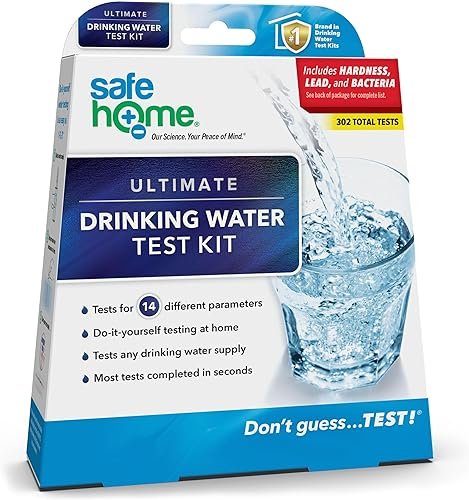
Comprehensive home testing | 302 tests, 14 parameters, Good Housekeeping Seal | $64 |
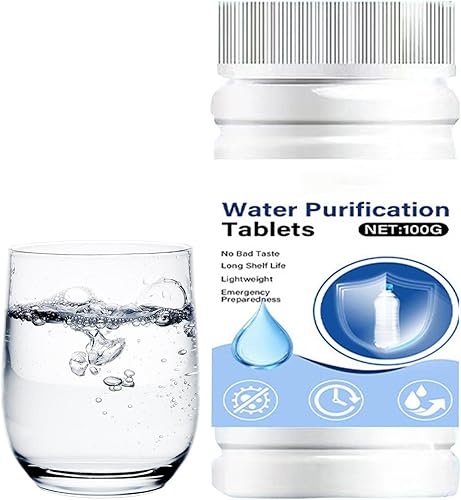 |
Emergency & travel | Odorless, lightweight, removes bacteria | $24 |
 |
Budget-friendly testing | 120 tests, 12 parameters | $29 |
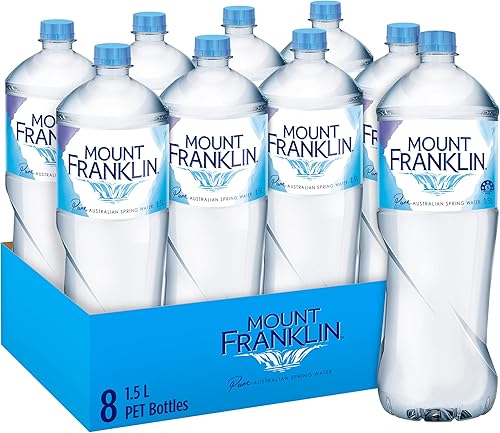 |
Backup bottled water | Spring water, 8×1.5L multipack | $16 |
Safe Home® Ultimate DIY Drinking Water Test Kit
This is the most complete at-home kit we’ve used. It tests for lead, bacteria, hardness, copper, fluoride—you name it. The patented technology is legit, and the fact it has the Good Housekeeping Seal tells you something. If you want a single, definitive snapshot of your water quality, this is it. It’s the kit we recommend to friends and family who ask.
- Tests 14 critical parameters
- Includes #1 selling lead & bacteria tests
- Clear, trilingual instructions
- Higher upfront cost than basic kits
- Can be overwhelming if you only need one test
Water Purification Tablets
These aren’t for daily home use, but they’re a non-negotiable for your emergency kit, bug-out bag, or camping trip. They’re odorless, which surprised us—most tablets leave a chemical taste. They effectively kill bacteria and viruses in clear water sources. Think of them as insurance. You hope you never need them, but you’ll be profoundly grateful if you do.
- No unpleasant taste or smell
- Extremely lightweight and portable
- Fast-acting (typically 30 mins)
- Not effective against chemical contaminants
- Less effective in cloudy water (pre-filter first)
Safe Home Drinking Water Test Kit (Basic)
If the Ultimate kit is overkill for your needs, this basic version is a smart starting point. It covers the big ones for city water: hardness, copper, nitrate, fluoride, and iron. It won’t test for lead or bacteria, so keep that in mind. For under $30, it gives you a solid overview and helps you decide if you need a more advanced filter.
- Great value for 12 parameters
- Same patented tech as the Ultimate kit
- Good for routine annual checks
- No lead or bacteria testing
- Fewer total tests than the Ultimate kit
AliExpress Budget Pick: Reusable Plastic Glasses
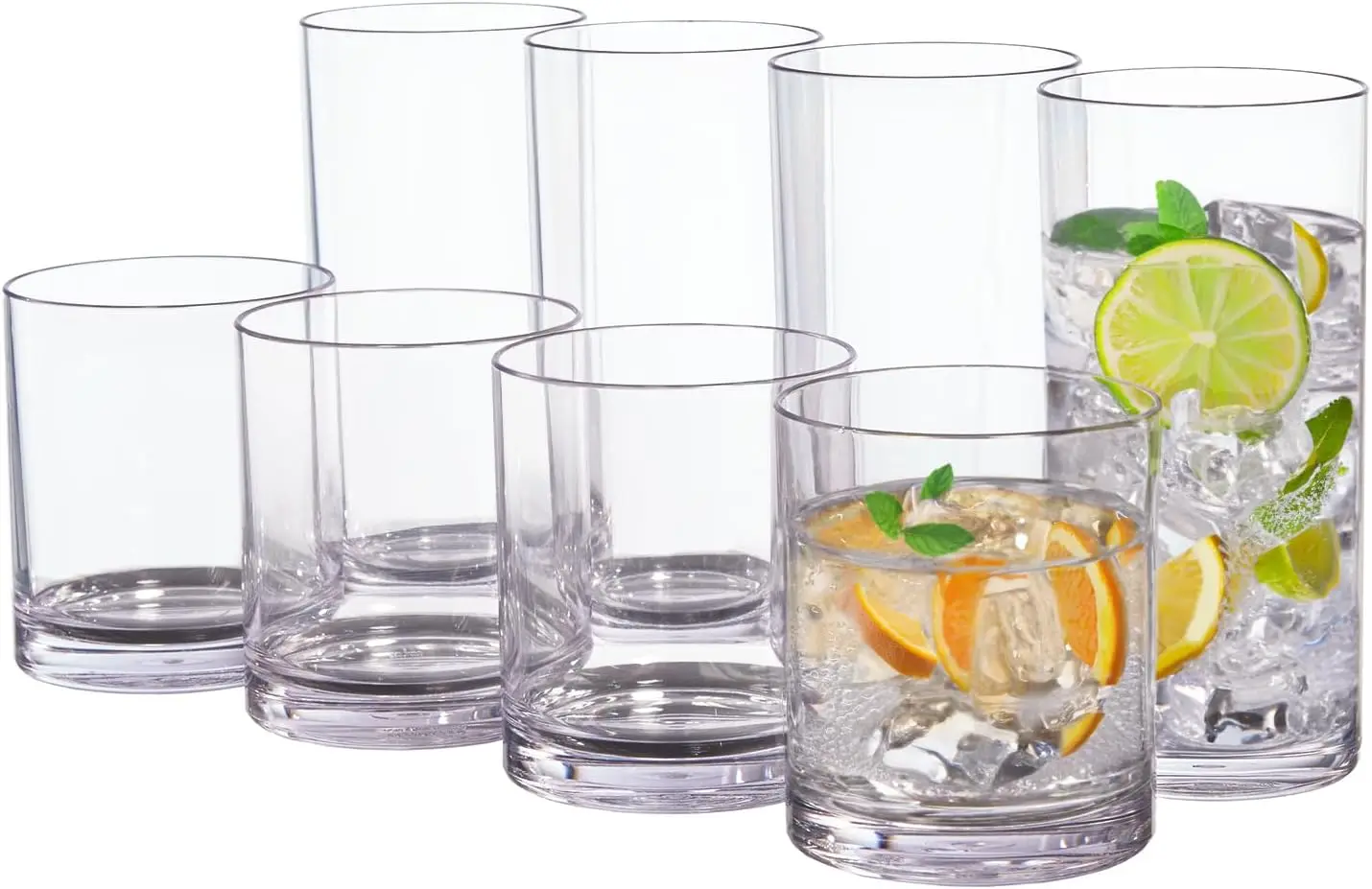
Okay, these don’t filter water. But once you have safe water, you need something to drink it from! This set of BPA-free, dishwasher-safe glasses is a steal. They’re clear, sturdy, and perfect for daily use. We like having a dedicated set for water—it encourages everyone in the house to hydrate properly. Sometimes the simple tools are the best.
- Incredibly affordable
- BPA-free and dishwasher safe
- Two sizes (12oz & 16oz)
- Plastic, not glass (can scratch over time)
- Basic design
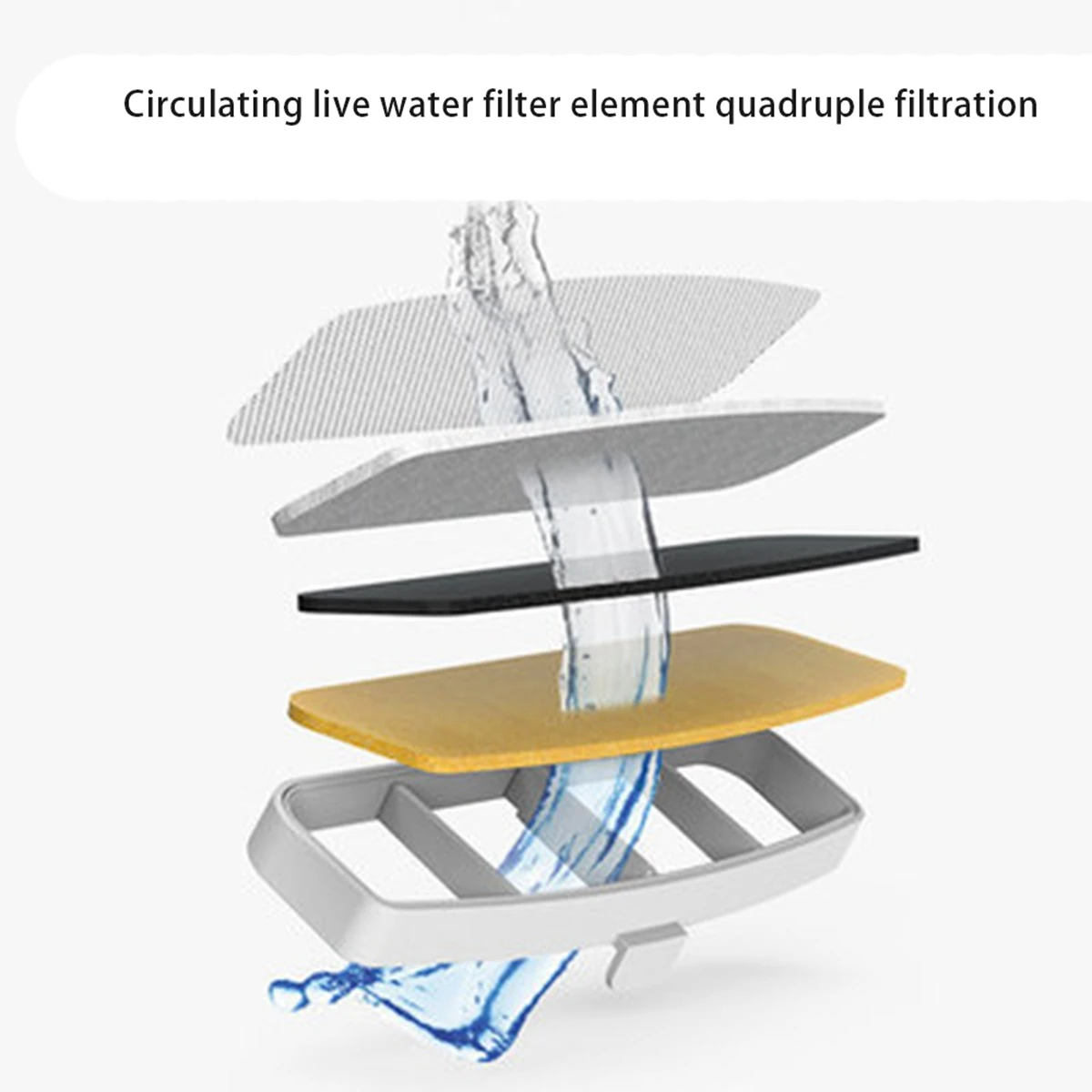
AliExpress Budget Pick: Pet Water Dispenser Filter
Your pets deserve safe water too. This replacement filter hose for Xiaomi pet dispensers is a niche but handy find. It helps ensure your furry friends are drinking clean, filtered water, which is just as important for their health. It’s a small, inexpensive part that maintains the function of a gadget you already own. We appreciate the practicality.
- Direct replacement part
- Very low cost
- Maintains pet water quality
- Only for specific Xiaomi model
- Filter media quality unknown
Frequently Asked Questions
- How often should I test my drinking water?
- For city water, test comprehensively every 3-5 years, or if you notice changes in taste, odor, or color. For private wells, test annually for bacteria and nitrates, and every 3-5 years for a full panel. Always test after flooding or nearby construction.
- Do refrigerator filters make water safe?
- Most fridge filters are basic carbon filters certified only for NSF 42 (taste and odor). They improve taste but typically do not remove lead, mercury, or other heavy metals. Check your model’s NSF certification. If it’s not NSF 53 certified, don’t rely on it for health protection.
- What’s the cheapest way to get safe water?
- The most cost-effective path is to test your tap water first (a $30-60 kit). Then, install a point-of-use filter certified for your specific contaminants. A quality faucet filter or pitcher with an NSF 53-certified lead removal cartridge often costs less than $100 and provides excellent protection for most city water supplies.
- Can I boil water to make it safe?
- Boiling is excellent for killing bacteria, viruses, and parasites. However, it does nothing to remove chemical contaminants like lead, pesticides, or nitrates. In fact, boiling can concentrate these chemicals as water evaporates. Use boiling for microbial safety, then filter for chemical safety.
- Is hard water unsafe to drink?
- No. Hard water (high in calcium and magnesium) is not a health risk. It’s an aesthetic and practical issue—it causes scale buildup in pipes and appliances, and can make soap less effective. You can drink it safely, but you may want a softener or conditioner to protect your plumbing.
Final Thoughts
Safe drinking water isn’t a luxury—it’s a basic necessity. The good news is that achieving it is completely within your control. It starts with curiosity and a simple test. From there, you can make an informed, confident choice about the right solution for your home and budget.
Don’t get paralyzed by options. Start by testing your water with a kit like the Safe Home Ultimate. Then, match a filter to your results. For most people on city water, a high-quality carbon block filter is a fantastic, affordable start. Your health—and your taste buds—will thank you.
