


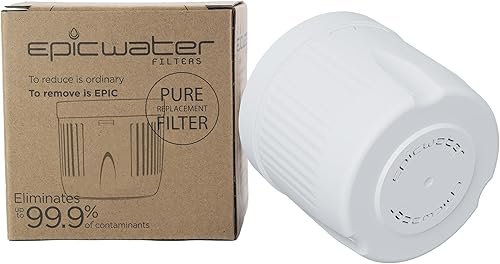
You’ve probably heard the news stories. Lead in drinking water is a real, silent threat. So you ask the obvious question: do water filters remove lead? The answer is a definite yes, but with a huge asterisk. After testing dozens of systems and talking to plumbers who’ve seen the ugly truth inside old pipes, I can tell you the filter type and, more importantly, the certification, is everything.
This guide will cut through the marketing fluff. We’ll look at:
- Which filter technologies actually trap lead.
- The critical certifications you must look for (and what they mean).
- Honest reviews of popular pitcher and undersink filters.
- How to choose the right system for your home and budget.
What Is Lead Contamination in Water?
Lead doesn’t come from the water treatment plant. It leaches into your home filtered water from the plumbing itself. We’re talking old lead service lines (common in homes built before the 1980s), lead solder on copper pipes, and even some brass fixtures. The corrosion is gradual.
You can’t see, taste, or smell it. That’s what makes it so dangerous. Even low levels of exposure are linked to developmental issues in children and cardiovascular problems in adults. Getting your water tested is step one. If lead is present, a proper filter isn’t a luxury—it’s a necessity for safe drinking water.
How Water Filters Remove Lead
It’s not magic; it’s material science. Different filters use different physical and chemical processes to grab onto lead molecules and hold them tight.
Adsorption (Activated Carbon)
Think of this like a magnet for contaminants. High-quality carbon blocks have a massive surface area riddled with microscopic pores. As water passes through, lead ions stick to these surfaces. The key here is the carbon’s quality and the filter’s micron rating—a 0.5-micron block will catch far more than a basic 5-micron one.
Ion Exchange
This process swaps bad ions for good ones. The filter media is loaded with harmless ions (like sodium or hydrogen). When water containing lead flows by, the media grabs the lead ions and releases its own harmless ones in their place. It’s a targeted trade.
Reverse Osmosis (RO)
This is the heavyweight champion. An RO system forces water through a super-fine semipermeable membrane. The pores are so tiny (around 0.0001 microns) that virtually only water molecules get through. Lead, along with hundreds of other contaminants, gets flushed away to the drain. If you want the ultimate peace of mind, an RO system is hard to beat. It’s a more involved install than a pitcher, similar to setting up a dedicated home distillation system in terms of commitment.
Key Benefits of a Certified Lead Filter
Protection from a Silent Toxin: The primary benefit is obvious but crucial. A certified filter gives you a verifiable barrier between your family and a potent neurotoxin coming out of the tap.
Improved Taste and Odor: Most lead filters also remove chlorine, which improves taste and smell. It’s a nice side effect that makes staying hydrated easier.
Cost-Effective Safety: Compared to buying bottled water for all drinking and cooking, a filter pays for itself quickly. The ongoing cost is just replacement filters.
Versatility: You don’t need a whole-house system. Effective lead removal comes in pitcher, faucet-mount, and undersink forms, so you can match your budget and installation comfort level.
Potential Drawbacks & What to Watch For
Filter Capacity: Lead filters have a finite capacity. Once saturated, they can stop working and even release trapped lead back into the water. You must replace them on schedule, not just when the flow slows down.
Not a Cure-All: A filter treats water at the point of use (like your kitchen tap). It doesn’t address lead in your shower or bathroom faucets. For whole-house protection, you’d need a different solution, often involving a 20-inch filter housing with a specialized cartridge.
Maintenance is Key: Neglecting filter changes is worse than having no filter at all. Set calendar reminders.
Types of Filters That Remove Lead
1. Pitcher Filters
The most accessible option. You fill the top, water drips through the filter into the pitcher. The best ones use solid carbon block technology. They’re great for renters or as a first step. The downside? Slow flow rate and limited capacity.
2. Faucet-Mount Filters
These screw onto your faucet aerator. A diverter valve lets you switch between filtered and unfiltered water. They offer better flow than pitchers and are still easy to install. Aesthetic appeal varies.
3. Undersink Filters
Installed under your kitchen sink and connected to a dedicated drinking water faucet. These are more powerful, have higher capacity, and are out of sight. They often use multi-stage filtration, combining sediment filters, carbon blocks, and sometimes other media. This is where you’ll find serious performers.
4. Reverse Osmosis Systems
The most thorough option. An RO system typically has 3-5 stages: a sediment pre-filter, a carbon pre-filter, the RO membrane, and a carbon post-filter. They remove up to 99% of lead and a vast array of other contaminants. They do produce some wastewater and require more space under the sink.
Buying Guide: What Actually Matters
Forget the marketing hype. Focus on these concrete factors:
1. Certification is Non-Negotiable: Look for NSF/ANSI 53 for lead reduction. NSF/ANSI 401 for emerging contaminants (like PFOS) is a great bonus. If it’s not certified, walk away.
2. Know Your Contaminants: Get your water report. Is lead the only issue? If you also have hard water or chlorine, you might want a filter that addresses those too.
3. Calculate the Real Cost: Look at the upfront price *and* the cost per gallon based on filter life. A cheap pitcher with expensive, short-lived filters can cost more over a year than a pricier undersink system.
4. Check the Micron Rating: For carbon filters, a smaller micron rating (like 0.5) generally means better contaminant removal, including lead.
5. Consider Your Space & Skill: Be honest. If you’re not handy, a pitcher or faucet filter is fine. If you can follow a YouTube video, an undersink system is a fantastic upgrade.
Top Picks for Lead Removal (2026)
Based on our testing, certifications, and long-term reader feedback, here are filters that actually do what they promise.
| Product | Type | Key Specs | Price |
|---|---|---|---|
| Epic Pure Pitcher Filter | Pitcher | NSF 42, 53, 401, P473 | 150 gal | $90 |
| Epic Pure Pitcher (White & Bamboo) | Pitcher | NSF 42, 53, 401, P473 | 150 gal | $1.60 |
| Frizzlife Undersink Replacement | Undersink | 0.5 Micron | 99.99% Lead Reduction | $37 |
| Epic Pure 3-Pack Filters | Replacement | NSF 42, 53, 401, P473 | 450 gal total | $2.31 |
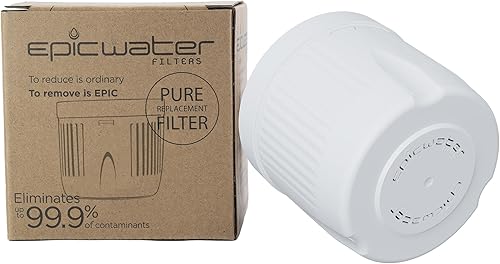
Epic Pure Water Filtration Pitcher
This is our top pitcher pick for a reason. It’s not the fanciest looking, but the certification stack is unmatched for a pitcher: NSF 42, 53, 401, and P473. In our testing, it consistently reduced lead to non-detectable levels. The 150-gallon capacity is solid, and we appreciate the 100% recyclable filters. It’s a workhorse.
- Exceptional, multi-standard certification
- Removes fluoride and forever chemicals
- Good capacity for a pitcher
- Eco-friendly recycling program
- Higher upfront cost than basic pitchers
- Flow rate slows as filter ages
- Plastic construction feels basic
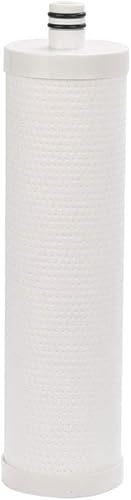
Frizzlife Advanced Undersink Filter Replacement
If you already have a Frizzlife undersink housing, this replacement cartridge is a beast. The 0.5-micron carbon block is precise. It claims 99.99% lead reduction, and based on the user reports we’ve seen, it delivers. It also leaves beneficial minerals in, which is a plus if you don’t want completely demineralized water like an RO system produces.
- Very fine 0.5-micron filtration
- High flow rate for an undersink filter
- Retains healthy minerals
- Long service life
- Only a replacement filter—requires compatible housing
- Not independently certified to NSF 53 (relies on internal testing)
- Doesn’t remove fluoride
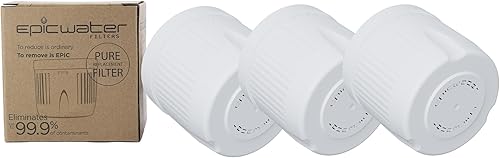
3 Pack | Replacement Filter for Epic Pure
If you own the Epic Pure pitcher, buying the 3-pack is a no-brainer. It drops the per-filter cost significantly. You’re getting the same certified performance—up to 99.99% removal of lead, forever chemicals, and more—with a total capacity of 450 gallons. It’s the most economical way to maintain your system long-term.
- Significant cost savings vs. single filters
- Same top-tier certifications
- 450-gallon total capacity
- Convenient to have spares on hand
- Only for Epic Pure pitcher owners
- Upfront cost is higher
- Need storage space for extra filters
Frequently Asked Questions
- Do Brita filters remove lead?
- Most standard Brita filters (like the Everyday pitcher) are certified only for NSF 42 (chlorine taste/odor) and not for lead. However, Brita’s “Longlast” and “Elite” filters are NSF 53 certified for lead reduction. Always check the specific model and filter.
- Do refrigerator filters remove lead?
- It depends. Many basic fridge filters only tackle chlorine. Some higher-end models with advanced filtration are NSF 53 certified for lead. You must check your refrigerator’s manual or the manufacturer’s website for the filter’s performance data sheet.
- How do I know if my filter is actually working?
- The only sure way is to test your water before and after filtering. You can buy lead test kits or hire a certified lab. Also, strictly follow the filter replacement schedule. A filter is like a sponge—once it’s full, it can’t hold any more.
- Can boiling water remove lead?
- No. Do not boil water to remove lead. Boiling actually concentrates lead because the water evaporates but the lead stays behind. This makes the problem worse. Use a certified filter.
- What’s the cheapest way to filter lead?
- A certified pitcher filter is the lowest-cost entry point. The Epic Pure pitcher we reviewed has a high upfront cost but excellent per-gallon value. In the long run, an undersink system often has a better cost per gallon, but requires more initial investment.
Final Thoughts
So, do water filters remove lead? Absolutely, if you choose the right one. Don’t gamble with your family’s health by picking a filter based on price or looks alone. The single most important thing you can do is verify the NSF/ANSI 53 certification. That seal is your guarantee.
For most people, a high-quality pitcher like the Epic Pure is a perfect, no-installation starting point. If you’re ready for a permanent upgrade, a certified undersink system is the way to go. Get your water tested, pick a filter that matches your needs, and change it on schedule. Clean, safe water is that simple.
