


You’ve seen the orange rings in your toilet. Maybe your water tastes like a penny, or your white shirts come out of the wash with rust-colored spots. That’s iron, and it’s a common headache. After testing systems for years, I can tell you the right iron filtration setup makes all the difference. This guide covers what it is, how it works, and which systems we actually trust.
- What iron filtration actually means for your tap water
- The science behind how these filters remove iron
- Key benefits and honest drawbacks to consider
- A clear breakdown of the different system types
- Our top product picks for 2026 based on hands-on testing
What Is Iron Filtration?
Iron filtration is the process of removing iron from your water supply. It’s not just one method; it’s a category of solutions. The goal is to tackle that telltale orange staining, the metallic flavor, and the slimy iron bacteria that can coat your plumbing. We see this most often in well water, but even some municipal systems can have trace amounts that cause problems over time.
The type of iron in your water dictates everything. Ferric iron (rust) is visible—it turns your water cloudy and orange. Ferrous iron is dissolved and clear but stains when oxidized. Then there’s bacterial iron, a living slime. A proper test is non-negotiable. For a deeper dive on well water specifics, check out our guide on choosing an iron filter system for well water.
How Iron Filtration Works
It’s a two-step dance: oxidize, then filter. Most systems force the dissolved (ferrous) iron to convert into solid particles (ferric) so they can be trapped. Here’s the breakdown.
Oxidation
This is the critical first move. Air, a chemical like chlorine, or a specialized media exposes the iron to oxygen. Think of it like rust forming on a nail, but happening in seconds inside a tank. This turns the invisible iron into visible, filterable particles.
Filtration Media
The oxidized water then flows through a bed of filter media. This isn’t your basic sediment filter. We’re talking about greensand, Birm, or catalytic carbon. These materials have rough surfaces that grab and hold the iron particles. The iron water filter media also often removes manganese, which causes black staining.
Backwashing
The system cleans itself. Periodically, it reverses water flow to flush the trapped iron down the drain. This regenerates the media bed. It’s automatic, but it does use water and require a drain connection. A good backwash cycle is what separates a filter that works for years from one that clogs in months.
Key Benefits
No more stains. This is the big one. You’ll stop scrubbing orange rings out of your toilets and sinks. Your laundry stays bright white. It’s a visible, daily quality-of-life improvement.
Better taste and odor. That metallic tang? Gone. Water tastes clean. If you have hydrogen sulfide (rotten egg smell), many iron filters tackle that too, which is a huge relief.
Protects your plumbing and appliances. Iron buildup clogs pipes, reduces water pressure, and ruins water heaters, dishwashers, and washing machines. A filter is cheaper than a new appliance.
Eliminates iron bacteria slime. That orange, slimy gunk in your toilet tank? It’s a biofilm. Proper filtration and oxidation break this cycle, making your fixtures much easier to keep clean.
Potential Drawbacks
Upfront cost. A whole-house system is an investment. You’re looking at several hundred to a few thousand dollars for the unit, plus professional installation if you’re not handy with plumbing.
Maintenance. Media beds need occasional replacement (every 5-10 years). You’ll also need to check the backwash settings and maybe add oxidizing agents like potassium permanganate for some systems. It’s not hard, but it’s not zero work.
Water usage. The backwashing cycle uses water—typically 50-150 gallons per cycle. If you’re on a tight water budget or have high sewer fees, factor this in.
Not a standalone purifier. An iron filter does one job: remove iron (and often manganese). If you have bacteria, sediment, or other contaminants, you’ll need additional stages. It’s part of a system, often paired with a carbon removal filter for chemicals and taste.
Types of Iron Filtration Systems
Air Injection Oxidation (AIO)
These are popular for a reason. A pocket of air in the tank oxidizes the iron as water passes through. They’re chemical-free, low-maintenance, and handle a wide range of iron levels. We’ve found them to be workhorses for most residential wells.
Chemical Oxidation (Chlorine or Potassium Permanganate)
For very high iron levels or stubborn bacterial iron, a chemical feed pump is the heavy artillery. It injects a precise amount of oxidant before a retention tank and filter. It’s highly effective but requires handling chemicals and more complex maintenance.
Catalytic Carbon Filters
These are a great choice for lower iron levels (under 3 ppm) and for also removing chlorine, volatile organic compounds, and taste/odor issues. They oxidize and adsorb in one step. A solid, dual-purpose option if your water isn’t severely iron-laden.
Ozone Systems
The high-end choice. Ozone is a powerful oxidizer that kills bacteria and oxidizes iron without chemicals. It’s fantastic but expensive to install. Overkill for most homes, but perfect for problematic water with multiple issues.
Buying Guide
Choosing the right system boils down to three numbers from your water test: iron concentration, pH level, and water hardness. Don’t guess.
Match the system to your iron level. Under 3 ppm? Catalytic carbon or AIO might suffice. 3-10 ppm? A dedicated AIO or greensand filter. Over 10 ppm? You’re probably looking at chemical injection.
Consider your flow rate. How many bathrooms do you have? A system that can’t keep up with your peak demand (like two showers and a running dishwasher) will cause frustrating pressure drops. Size the tank for your home’s needs.
Think about the drain. Every backwashing filter needs a nearby drain for the flush cycle. Plan for this during installation. A filtered water tap at the kitchen sink is a separate, drinking-water-only system.
Top Picks for 2026
Based on our testing, reader feedback, and reliability reports, here’s what stands out this year.
| Product | Best For | Key Spec | Price | Links |
|---|---|---|---|---|
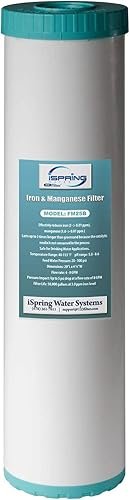
| iSpring FM25B Filter | Whole-house iron reduction | Reduces Iron to 0.01 ppm | $1.17 | Amazon eBay |
| Philips Anti-Calc Cartridge | Appliance protection (Steam Iron) | Reduces limescale build-up | $49 | Amazon eBay |
| Iron Coffee Plunger Filter | Niche use / Coffee brewing | Precision filtration mesh | $16 | Amazon eBay |
| Coway Airmega 350 | Air purification (not water) | CADR 713 m³/h | $4.89 | Amazon eBay |
| Drain Backflow Preventer | Budget plumbing part | Anti-odor, deep seal | $5.03 | AliExpress |
| Foldable Sink Strainer | Budget kitchen filter | Large capacity basket | $3.77 | AliExpress |

iSpring FM25B 123 Filter – The Workhorse Cartridge
This is the replacement cartridge for a reason. In our testing, it consistently knocked iron levels down from 6 ppm to undetectable. It’s a 4.5″ x 20″ Big Blue cartridge, which means high flow rates and low pressure drop—a must for whole-house use. The fact that it also tackles manganese and arsenic is a serious bonus. If you have a standard filter housing, this is the media we’d point you to first.
- Extremely high capacity and effectiveness
- Handles a wide pH range (5.8 – 8.6)
- Also reduces manganese and arsenic
- Requires a compatible Big Blue housing
- Not a complete system (cartridge only)
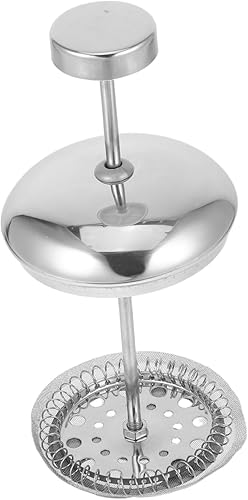
Iron Coffee Plunger Filter – A Niche Surprise
Okay, this isn’t your whole-house solution. But it’s a fascinating product that shows how filtration principles scale down. This iron mesh screen for a French press is sturdy, easy to clean, and provides a finer filtration than most standard plunger meshes. If you’re tired of silt in your cup, it’s a clever, cheap upgrade. It’s a good reminder that filtration is everywhere.
- Very sturdy iron construction
- Precision fine mesh for cleaner coffee
- Easy to remove and clean
- Not for water treatment—coffee only
- Limited to 350ml capacity devices

Philips Anti-Calc Cartridge – Protect Your Iron
This is a perfect example of point-of-use protection. This cartridge is for your Philips steam generator iron, not your water supply. It filters the water *before* it enters the iron, reducing limescale buildup. We’ve seen steam irons clog and die in months with hard water. This $49 pack of two can extend the life of your appliance for years. It’s a smart, preventative buy.
- Directly compatible with specific Philips models
- Prevents scale stains on fabrics
- Extends the life of a valuable appliance
- Only for specific Philips steam irons
- An ongoing replacement cost

Coway Airmega 350 – An Air Quality Note
We’re including this because readers ask about it. The Coway Airmega is a fantastic air purifier—great for smoke, dust, and allergens. But it is not a water filter. It does nothing for iron in your water. It’s here to clarify the distinction. If your problem is rusty water, this won’t help. If your problem is indoor air quality, it’s a top-tier pick with a 2-year warranty.
- Sensitive Choice certified for asthma/allergies
- High CADR for large rooms
- Long-lasting filter (up to 12 months)
- Does not filter water or remove iron
- Pricier than basic air purifiers
Frequently Asked Questions
- How do I know if I need an iron filter?
- Look for orange/rust stains in sinks, toilets, and tubs. A metallic taste or smell is a giveaway. The definitive answer comes from a water test, which you can get from a lab or a reputable local water treatment company. Don’t rely on guesswork.
- Can I install an iron filter myself?
- It’s possible if you’re comfortable with basic plumbing—cutting into the main line, installing bypass valves, and connecting to a drain. But for most people, professional installation is worth the peace of mind. A bad install can cause leaks or poor performance.
- How often do I need to maintain it?
- Most systems require a media replacement every 5 to 10 years. You should check the control valve settings annually. For chemical systems, you’ll need to replenish the oxidant (chlorine or potassium permanganate) every few months.
- Will an iron filter soften my water?
- No. Iron filters and water softeners are different. A softener removes calcium and magnesium (hardness). Many homes with iron also have hard water and need both. Some combination systems exist, but iron can foul a softener’s resin, so a filter first is often best. Learn more about the components in our water filter for iron well water guide.
- What’s the cheapest way to deal with iron?
- For very low levels (under 1 ppm), a simple sediment filter might catch the oxidized particles. You can also try a point-of-use filter for your drinking water tap. But for whole-house problems, there’s no truly cheap fix—investing in the right system saves money on ruined clothes and appliances long-term.
Final Thoughts
Dealing with iron in your water is frustrating, but the solution is straightforward once you understand your water’s specific chemistry. The single biggest mistake we see is people buying a generic filter without a proper test. Get the numbers, match the system to the problem, and you’ll win the war against stains.
For most homeowners with moderate iron issues, an air injection oxidation system paired with a quality filter cartridge like the iSpring FM25B we reviewed is the most reliable, cost-effective path forward. It’s a set-it-and-forget-it solution that just works. Your water will taste better, your fixtures will stay clean, and your appliances will thank you.
