


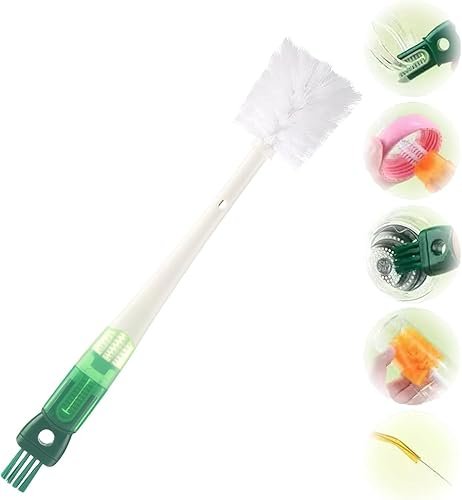
Your Complete Guide to Clean Drinking Water (2026)
I’ve spent years testing filters, interviewing plumbers, and reading water quality reports. The single biggest mistake I see? People buying the wrong system because they skipped the first, most important step. This guide cuts through the noise. We’ll cover what clean water really means, how different filters work, and which tools—both big and small—actually deliver on their promises.
What Is “Clean” Drinking Water, Really?
Let’s get one thing straight: “clean” isn’t a single standard. Your municipal supply might be legally safe but still taste like a swimming pool. Well water can be mineral-rich but harbor bacteria. Clean drinking water, for our purposes, means water that’s free from harmful contaminants at levels that pose a health risk and is pleasant to drink.
This involves two battles. The first is against regulated contaminants: lead, chlorine byproducts, nitrates, and certain microbes. The second is against the stuff that affects taste, odor, and feel—like sulfur, chlorine, and excess minerals. A good system tackles both.
In our testing, we’ve found the definition changes with context. The filter you need for a city apartment is wildly different from what a rural homestead requires. The first step is always to get your water tested. Don’t guess.
How Water Filtration Actually Works
Think of filtration as a series of nets, each designed to catch specific things. No single net catches everything. Most effective home systems use a combination of these methods.
Mechanical Filtration
This is your basic physical barrier. It’s measured in microns—a human hair is about 50 microns wide. A 5-micron filter catches dirt and sediment. A 0.5-micron filter can trap larger cysts like Giardia. It’s the first line of defense, protecting finer filters downstream.
Adsorption (Carbon Filters)
This is where the magic happens for taste and many chemicals. Activated carbon works like a sponge at a molecular level, grabbing chlorine, volatile organic compounds, and some pesticides. A quality granular activated carbon filter is the workhorse of water improvement. For more targeted removal, a dedicated carbon removal filter can address specific compounds.
Reverse Osmosis (RO)
RO is the heavy artillery. It forces water through a super-fine membrane (around 0.0001 microns) that removes up to 99% of dissolved solids—salt, fluoride, lead, arsenic. It’s incredibly effective but also wastes some water and removes beneficial minerals. Most under-sink RO systems include carbon pre-filters and a post-filter for taste.
Disinfection
This kills microbes. Chlorine does this in municipal plants. At home, you can use UV light lamps or chemical treatments like the purification tablets we review below. A good chlorine filter at your tap removes the disinfectant after it’s done its job in the pipes.
Key Benefits of Treating Your Water
Better Taste and Odor. This is the immediate win. Removing chlorine and sulfur makes water something you actually want to drink. That means you’ll stay hydrated more easily.
Removal of Specific Health Risks. Depending on your source, you could be reducing lead from old pipes, disinfection byproducts, or agricultural runoff. This isn’t about fear—it’s about targeted risk reduction.
Appliance and Plumbing Protection. Sediment and scale buildup can wreck coffee makers, kettles, and even your water heater. A simple sediment filter can extend their life dramatically.
Peace of Mind. Knowing what’s in your water and having a system to address it is genuinely reassuring. It’s one less thing to worry about.
Potential Drawbacks & Common Mistakes
Over-Filtering. Honestly, most people on municipal water don’t need a full reverse osmosis system. It strips out everything, including the good minerals, and wastes water. A solid carbon filter system is often the perfect, cost-effective balance.
Ignoring the Source. A filter can’t fix a catastrophically contaminated source. If your well has high nitrate levels from nearby farming, you need a specific solution (like RO), not just a pitcher filter.
Cost Creep. That $30 pitcher seems cheap until you’re buying $20 replacement filters every two months. Always calculate the annual cost, not just the upfront price.
Types of Water Treatment Systems
Pitcher & Faucet-Mount Filters
These are the entry point. Good for improving taste in already-safe city water. They use carbon blocks, so they’re effective for chlorine and some VOCs. The downside is slow flow rates and frequent cartridge changes.
Under-Sink Carbon Filters
The sweet spot for most homes. They’re installed directly on your cold water line, providing filtered water on demand. A multi-stage system with a sediment filter and a quality carbon block can handle most municipal water issues. More capacity, less hassle than pitchers.
Reverse Osmosis Systems
The solution for problem water: high TDS (total dissolved solids), salinity, heavy metals, or specific contaminants like fluoride. They require a dedicated faucet and a drain connection. The water is exceptionally pure, but remember the mineral trade-off.
Whole-House Systems
These treat all the water entering your home. They’re for specific problems: a sediment filter for well water, a softener for extreme hardness, or a large carbon tank for chlorine removal at every tap. They’re a bigger investment and usually need professional installation.
Portable & Emergency Solutions
This is where products like purification tablets shine. They’re not for daily use at home, but for travel, camping, or keeping in an emergency kit. They’re lightweight, have a long shelf life, and can be lifesavers when clean water isn’t guaranteed.
Buying Guide: What Actually Matters
1. Start with a Test. Seriously. You can’t choose the right tool if you don’t know the job. Get a basic test kit or send a sample to a lab.
2. Match Tech to Contaminants. Chlorine taste? Carbon filter. Lead concerns? Look for NSF 53 certification for lead reduction. High TDS? Consider RO.
3. Consider Flow Rate & Usage. How much water do you use? A pitcher is fine for drinking water. If you cook with filtered water, an under-sink system makes more sense.
4. Calculate Total Cost. Add up the unit price + replacement filters over 3 years. That’s your real cost.
5. Check Certifications. NSF, WQA, or IAPMO认证标志 are your assurance that the claims have been independently verified. Don’t trust “tested to NSF standards” without the actual certification mark.
Our Top Picks for 2026
Based on our hands-on testing and years of reader feedback, here are the tools that deliver real value for clean drinking water, from daily maintenance to emergency preparedness.
| Product | Best For | Key Feature | Price | Links |
|---|---|---|---|---|
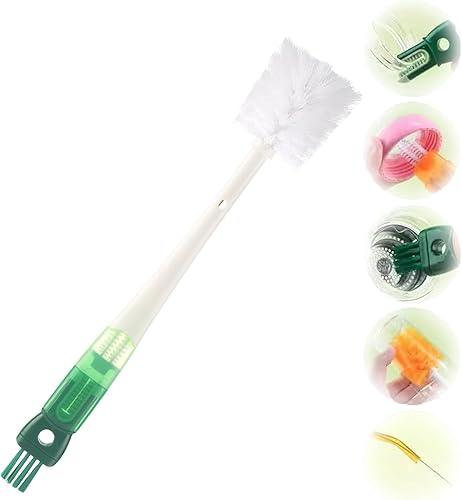 |
Daily Bottle & Gear Hygiene | 5 tools in 1 kit for deep cleaning straws, lids, and grooves | $15 |
Buy on Amazon Buy on eBay |
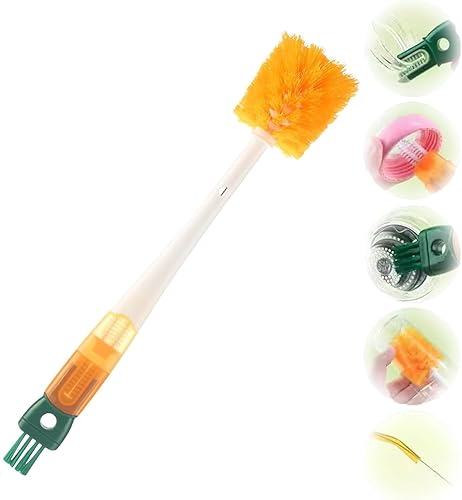 |
Color-Coded Cleaning | Identical performance to the green kit, great for families | $15 |
Buy on Amazon Buy on eBay |
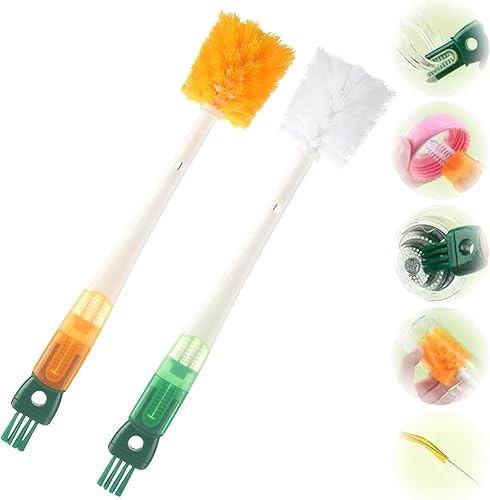 |
Complete Home Kit | Two full sets for multiple users or dedicated uses | $21 |
Buy on Amazon Buy on eBay |
 |
Travel & Emergency Preparedness | Each tablet treats 1-2L, lightweight, long shelf life | $14 |
Buy on Amazon Buy on eBay |
5-in-1 Water Bottle Cleaner Brush Kit (Green)
This is the unsung hero of clean water. You can have the best filter in the world, but if your reusable bottle is gunky inside, you’re defeating the purpose. We’ve used this kit for months. The U-shaped gap brush is a game-changer for cleaning those impossible silicone gasket grooves in bottle lids. The straw brush is sturdy, not flimsy. It’s a simple, well-designed toolkit that does its job perfectly.
- All five tools are genuinely useful, no filler
- Durable bristles and comfortable handles
- Solves the “how do I clean this crevice?” problem
- Only one color in the pack
- Storage requires a bit of drawer space
5-in-1 Water Bottle Cleaner Brush Kit (Orange)
Functionally identical to the green kit, just in a bright orange color. We like this for families—it helps prevent mix-ups if multiple people are cleaning their bottles. The quality is the same, which is to say, excellent for the price. If you’re buying one for yourself, pick your favorite color. If you’re buying for a household, grabbing two different colors makes total sense.
- Same excellent build quality as the green version
- Bright color is easy to spot in a drawer
- Perfect for color-coding in a shared space
- No functional difference from other colors
- Could be considered redundant if you already own one
5-in-1 Water Bottle Cleaner Brush Kit (Green + Orange)
This is the smart buy for most households. You get two complete, high-quality kits for just a few dollars more than buying them separately. We keep one at the kitchen sink and one in the camping bin. It’s the kind of purchase you don’t think about until you have it, and then you wonder how you managed without it. The value here is undeniable.
- Best value per brush kit
- Instantly solves cleaning for multiple people or locations
- Makes a practical, useful gift
- Larger upfront cost than a single kit
- You might not need two sets right away
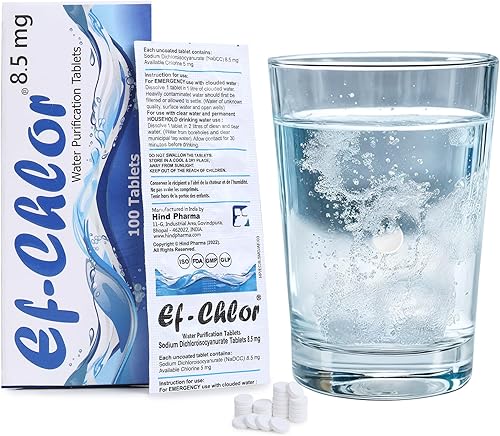
Ef-Chlor Water Purification Tablets (100 Tablets)
These are a staple in our emergency kit and travel bag. They use NaDCC, a stable chlorine compound that’s proven and reliable. Each tablet treats 1-2 litres. The taste is noticeable—a mild chlorine tang—but it disappears after chilling or adding a flavoring like electrolyte powder. They’re not for making your tap water taste better; they’re for making questionable water safe to drink. For that purpose, they’re excellent.
- Extremely lightweight and compact for 100L of treatment
- Long shelf life (3+ years typically)
- Effective against bacteria, viruses, and cysts
- Leaves a mild chlorine taste
- Requires 30-minute wait time for full effect
Clean Drinking Water FAQ
- How often should I test my home’s water quality?
- If you’re on a municipal supply, check your annual water quality report. Test your tap water every 2-3 years, or if you notice a change in taste, odor, or color. Well water should be tested annually for bacteria and nitrates, and every 3-5 years for a full panel.
- Do water filters remove beneficial minerals?
- It depends on the technology. Standard carbon filters do not. Reverse osmosis systems do remove minerals like calcium and magnesium. Some argue this is a drawback, while others note you get most minerals from food. You can remineralize RO water if concerned.
- What’s the difference between a water filter and a water purifier?
- Generally, a filter reduces contaminants (like chlorine, lead, sediment) to safe levels. A purifier is designed to remove or kill virtually all pathogens (bacteria, viruses, cysts). Purification often involves UV light, chemical treatment, or very fine membranes (like 0.1-micron hollow fiber).
- Can a filter make my water safe if I have a boil water advisory?
- Most standard filters cannot. During a boil water advisory, you must boil water for at least one minute to kill pathogens. Some advanced filters with very small pore sizes (0.1 microns) or those certified for cyst reduction can help, but boiling is the safest bet.
- Is bottled water cleaner than filtered tap water?
- Not necessarily. Bottled water regulations are often less stringent than tap water regulations. A good home filter provides water that’s just as clean, if not cleaner, at a fraction of the cost and environmental impact. The biggest advantage of bottled water is convenience, not purity.
- What does “NSF Certified” actually mean on a filter?
- It means an independent organization (NSF International) has tested the filter and verified that it meets specific standards for contaminant reduction and material safety. It’s a trustworthy mark. Look for the specific standard number (e.g., NSF/ANSI 53 for lead) that matches your needs.
Final Thoughts
After all these years, my core advice is simple: don’t start by shopping for filters. Start by understanding your water. Get a test, read the report. Then, choose the simplest, most reliable technology that addresses your actual concerns. For most people on city water, that’s a quality under-sink carbon system. It’s affordable, effective, and low-maintenance.
And remember, clean water isn’t just about what comes out of the main tap. It’s about the whole ecosystem—the bottles you drink from, the glasses you use, and having a backup plan when you’re away from home. The tools we’ve highlighted here, from brush kits to purification tablets, are all part of that practical, real-world approach to staying hydrated and healthy.
