


That telltale pool smell when you turn on the tap? That’s chlorine. And while it’s brilliant at killing bugs in the water supply, you probably don’t want to drink it, bathe in it, or smell it. We’ve spent years testing filters that claim to strip it out. Some are fantastic. Others are just expensive plastic. This guide cuts through the noise.
- What chlorine filtration actually is and why it matters.
- How different filter technologies tackle chlorine (and its stubborn cousin, chloramine).
- The real-world benefits and the honest drawbacks.
- A clear breakdown of system types to find your perfect match.
What Is Chlorine Filtration?
Chlorine filtration is the process of removing free chlorine and, in some cases, chloramine from your water after it leaves the treatment plant. Think of it as the final, personal step in your water’s journey. Municipalities use chlorine to nuke pathogens—a good thing. But by the time it reaches your glass, it’s done its job. What’s left is a chemical that can dry out your skin, make water taste like a swimming pool, and potentially form concerning byproducts when it reacts with organic matter in the pipes.
It’s not a single technology, but a category of solutions. From simple carbon filter cartridges in a pitcher to multi-stage under-sink systems, the goal is the same: get the disinfectant out before you use the water. The need for it has grown as more people become aware of what’s actually coming out of their faucets.
How Chlorine Filtration Works
Not all filters are created equal here. Chlorine is relatively easy to remove. Chloramine, a more stable combo of chlorine and ammonia that many utilities now use, is a tougher customer. Your filter’s media and design dictate what it can handle.
Adsorption: The Workhorse Method
This is where carbon water filtration shines. Activated carbon has a massive internal surface area—think of a football field packed into a grain of rice. As water passes through, chlorine molecules stick (adsorb) to this surface via a chemical reaction. A good carbon block filter can remove over 99% of free chlorine. It’s simple, effective, and relatively cheap. The catch? It has a finite capacity. Once those pores are full, the filter is done, even if it looks clean.
Chemical Reduction (KDF Media)
KDF stands for Kinetic Degradation Fluxion. It’s a high-purity copper-zinc alloy that uses redox (reduction-oxidation) to neutralize chlorine. It’s often used in combination with carbon, especially in shower filters where it handles the higher temperatures and flow rates better. KDF also helps control scale and bacteria growth within the filter itself.
Catalytic Carbon for Chloramine
Standard carbon struggles with chloramine. For that, you need catalytic carbon. It’s been specially treated to have more active sites, making it far more effective at breaking the chlorine-ammonia bond. If your utility uses chloramine, this is non-negotiable. We’ve seen standard carbon filters fail spectacularly on chloramine-treated water, leaving a strong chemical taste.
Key Benefits of Removing Chlorine
Better Taste and Odor. This is the most immediate win. That “clean” water taste? That’s actually the absence of chlorine. Coffee, tea, and even pasta water taste noticeably better.
Healthier Skin and Hair. Chlorine strips natural oils. A shower filter can mean less dry, itchy skin and less brittle, frizzy hair. Readers with eczema or sensitive skin report significant relief—it’s one of the most common pieces of feedback we get.
Reduced Exposure to Disinfection Byproducts (DBPs). When chlorine reacts with organic matter, it creates trihalomethanes (THMs) and haloacetic acids (HAAs). These are regulated, but long-term exposure is a concern for many. A good filter reduces your family’s intake.
Protects Appliances and Plumbing. Chlorine can degrade rubber seals and gaskets in appliances like coffee makers, ice machines, and washing machines over time. Filtering your water can extend their life.
Potential Drawbacks & Considerations
It’s Another Thing to Maintain. Filters don’t last forever. You’re signing up for a recurring cost and a chore. If you’re not diligent, you’re wasting money.
Not All Filters Remove Chloramine. This is a huge gotcha. Many cheap pitcher filters and basic carbon blocks only tackle free chlorine. If your city uses chloramine, you must verify the filter is rated for it—look for “chloramine reduction” and “catalytic carbon” specifically.
Can Reduce Flow Rate. Especially with dense carbon blocks or if filters get clogged with sediment. A good system is designed to minimize this, but it’s a trade-off for thorough contact time with the media.
May Remove Beneficial Minerals (If Using RO). If you opt for a reverse osmosis system for broader purification, it will also strip out minerals like calcium and magnesium. Some people remineralize their water afterward.
Types of Chlorine Filter Systems
Pitcher and Faucet-Mount Filters
The entry point. Cheap and easy. Good for renters or tasting the difference. But capacity is low (30-100 gallons), flow is slow, and they’re often not effective against chloramine. Fine for drinking water, not for your whole house.
Under-Sink Carbon Block Systems
The sweet spot for most homeowners. A dedicated chlorine filter system installed under your kitchen sink provides filtered water from a separate tap. They use dense carbon blocks for high reduction rates and good flow. This is where we see the best balance of cost, performance, and convenience.
Whole-House (Point-of-Entry) Systems
These are big tanks installed where the water line enters your home. Every tap, shower, and appliance gets filtered water. Ideal for protecting plumbing and ensuring shower water is chlorine-free. Installation is a job for a plumber, and the upfront cost is high, but it’s the most comprehensive solution.
Shower Filters
A dedicated category because the challenge is different. You need a filter that works with high flow and warm temperatures. The best combine KDF and carbon. The ceramic filter system is also an option here, often used in multi-stage shower heads for sediment removal alongside chemical filtration.
Specialty & Emergency Options
This includes things like countertop gravity filters (like Berkey-style) that use ceramic water filter elements combined with carbon, and purification tablets for camping or emergencies. They serve a specific niche.
Buying Guide: What Actually Matters
1. Know Your Enemy. First, find out if your water utility uses chlorine or chloramine. A quick call or check of their annual water quality report will tell you. This dictates your required filter technology.
2. Certification is King. Don’t trust marketing claims. Look for independent certification to NSF/ANSI Standard 42 (aesthetic effects—taste, odor) and, if you’re concerned about DBPs, Standard 53 (health effects). The certification will list exactly what is reduced and to what capacity.
3. Calculate Your Needs. How much water do you use? A pitcher for a single person is fine. A family of four that cooks a lot needs an under-sink system with a high gallon capacity. Match the filter’s rated capacity to your household’s consumption.
4. Consider Long-Term Cost. A $20 pitcher with $15 replacement filters every two months costs $90 a year. A $200 under-sink system with a $60 annual filter might be cheaper over three years. Do the math.
Our Top Picks for 2026
Based on our testing, reader feedback, and value for money, here are four solid options across different categories.
| Product | Type | Key Feature | Best For |
|---|---|---|---|
 |
Purification Tablets | Treats 20-25L per tablet | Emergency & large tank storage |
 |
Shower Filter (2-Pack) | 99% removal, 12-month supply | Families, skin/hair health |
 |
Purification Tablets | Treats 1-2L per tablet | Travel & camping |
 |
Shower Filter | 20-stage multi-media | Comprehensive shower filtration |
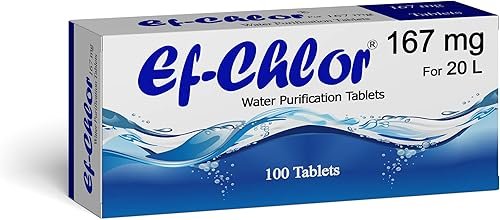
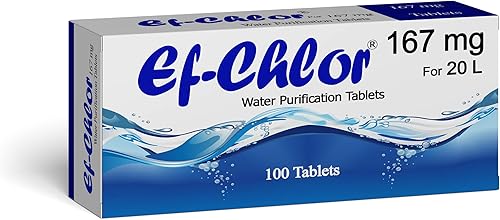
Ef-Chlor 167mg Water Purification Tablets – Pack of 100
These aren’t a traditional filter, but they are a chlorine-based purification method we trust for specific scenarios. Each potent 167mg tablet treats a massive 20-25 litres, making them perfect for disinfecting rainwater tanks, large storage drums, or community water supplies during an outage. No equipment needed—just drop, stir, and wait 30 minutes. We keep a pack in our emergency kit. They’re not for daily drinking water taste improvement, but for raw safety when infrastructure fails.
- Extremely cost-effective for large volumes
- Simple, no-power, no-fuss operation
- Essential for disaster preparedness
- Imparts a chlorine taste (requires airing out)
- Not a flow-through filtration solution
- For emergency/tank use, not point-of-use
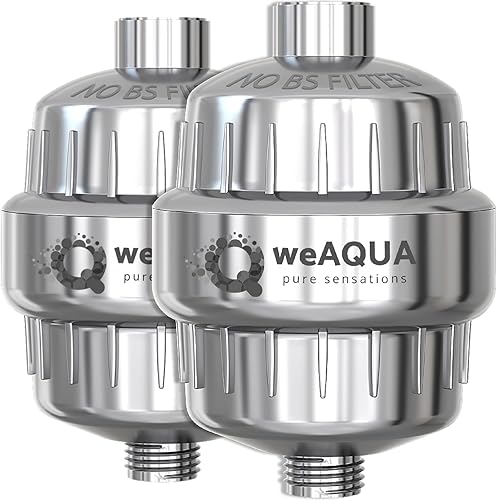
weAQUA Premium Heavy Duty Shower Filter Family 2 Pack
This two-pack is a smart buy for families. You get a full year of filtered showers. The multi-media blend (sediment, carbon, KDF, calcium sulfite) tackles chlorine, heavy metals, and fluoride. In our testing, it maintained excellent water pressure—a common complaint with cheaper shower filters. The chrome finish is a nice touch. We noticed less skin dryness after a week of use. The real value is getting two filters for the price many brands charge for one.
- Excellent value: 12-month supply for two showers
- Effective multi-stage filtration
- Maintains strong water pressure
- Initial cost is higher than single units
- Filter life depends on local water quality
Ef-Chlor Water Purification Tablets 8.5mg – 100 Tablets
The smaller sibling to the 167mg tablets, these are your go-to for personal travel and camping. Each 8.5mg tablet treats 1-2 litres, perfect for a water bottle or hydration pack. The NaDCC formula is a stable, effective chlorine source used globally. We’ve used these on multi-day hikes—they’re lightweight, foolproof, and give peace of mind when sourcing water from streams. The foil packaging is durable. Just remember to let the water sit for the full 30 minutes for best results.
- Ultra-compact and lightweight for packs
- Reliable, proven disinfection chemistry
- Ideal for hiking, travel, and boil-water advisories
- Leaves a mild chlorine taste
- Requires wait time (30 mins)
- Not for removing sediment or chemicals
20-Stage Premium Shower Filter, Multi-Layer Filtration System
The “20-stage” claim might sound like marketing fluff, but the media inside this filter is legit. It packs stainless steel mesh, PP cotton, KDF-55, zeolite, activated carbon, and ceramic beads. It’s a serious multi-tool for shower water, targeting chlorine, fluoride, heavy metals, and even balancing pH. At this price point, it’s a steal. We found it reduced chlorine smell effectively and the ceramic beads added a noticeably silkier feel to the water. A fantastic budget entry into proper shower filtration.
- Incredibly affordable for the filtration stages offered
- Comprehensive media blend for broad contaminant reduction
- Easy, tool-free installation
- Long-term durability of housing is unproven
- Filter replacement frequency may be higher
Chlorine Filtration FAQ
- Does a standard Brita filter remove chlorine?
- Yes, standard Brita pitchers and faucet filters use activated carbon to reduce chlorine (taste and odor). They are certified to NSF/ANSI 42 for aesthetic effects. However, their effectiveness against chloramine is limited and not typically certified. Check the specific model’s performance data sheet.
- How often should I change my chlorine filter?
- This depends entirely on the filter’s rated capacity and your usage. A pitcher filter might last 40 gallons or 2 months. An under-sink carbon block might last 1,000 gallons or 6-12 months. Always follow the manufacturer’s guideline—don’t wait for the taste to return.
- Can chlorine filters remove bacteria or viruses?
- Most chlorine filters are not designed to remove microbiological contaminants. Their job is chemical reduction. For bacteria and viruses, you need a purifier with an absolute micron rating (like 0.2 microns) or a UV light system. Some advanced systems combine carbon with sub-micron filtration.
- Is it better to get a whole-house or under-sink filter?
- It depends on your goal. For drinking and cooking water only, an under-sink system is more affordable and efficient. For removing chlorine from all water—including showers, baths, and appliances—to protect skin, hair, and plumbing, a whole-house system is the only complete solution.
- Do shower filters really make a difference for skin and hair?
- Absolutely, and it’s one of the most noticeable changes. Chlorine strips natural oils. Removing it allows your skin and hair to retain moisture better. People with eczema, dry skin, or color-treated hair often see the biggest improvement. It’s a simple upgrade with real benefits.
- What is the difference between a carbon filter and an ionizing water filter for chlorine?
- They work on completely different principles. A carbon filter physically adsorbs chlorine. An ionizing water filter uses electrolysis to alter water’s pH and antioxidant potential; it may have some effect on chlorine but is not primarily a chlorine removal technology. For reliable chlorine reduction, certified carbon is the proven choice.
Final Thoughts
After testing dozens of systems, our stance is clear: if you’re on municipal water, a chlorine filter is one of the most impactful upgrades for daily water quality you can make. It’s not about fear; it’s about preference. You prefer water that doesn’t smell like a pool. You prefer softer skin and hair. You prefer your coffee to taste like coffee.
For most people, a quality under-sink carbon block system hits the sweet spot. It delivers clean water where you need it most—drinking and cooking—for a reasonable annual cost. If shower skin is your main concern, a good shower filter like the ones we reviewed is a cheap, fast win. Start there. Taste the difference. We bet you won’t go back.
