


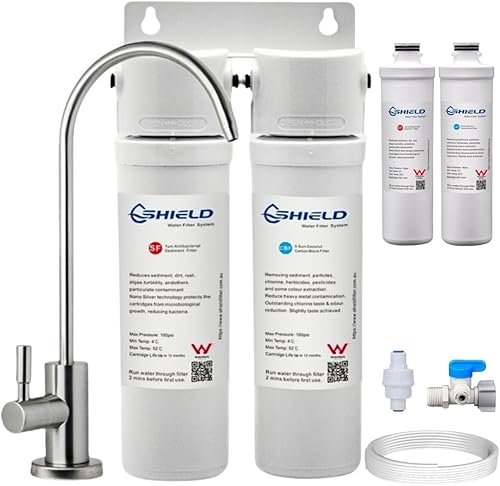
Under the Sink Water Filters: The 2026 Guide to What Actually Works
You’re tired of lugging filter pitchers or buying bottled water. You want clean, great-tasting water straight from the tap. An under-sink filter seems like the perfect solution. But with dozens of models claiming to be the best, how do you choose? I’ve installed, tested, and lived with these systems for years. This guide cuts through the marketing noise. We’ll look at how they work, the real pros and cons, and which ones are worth your money in 2026.
What Is an Under the Sink Water Filter?
An under the sink water filter is a compact filtration system designed to be installed directly in the cabinet beneath your kitchen sink. It connects to your cold water line and typically uses a separate, dedicated faucet mounted on your countertop. This setup filters water only for drinking and cooking, leaving your hot water and other household lines untouched.
Think of it as a dedicated, high-performance station for your most important water. Unlike whole-house systems that treat every drop entering your home, these units focus all their power on the water you actually consume. They’re a major step up from pitcher filters in both capacity and filtration capability. The core idea is simple: cleaner water, on demand, without cluttering your fridge or counter.
How Under Sink Water Filters Work
The process is straightforward but effective. Water flows from your cold supply line into the filter housing. Inside, it passes through one or more filtration cartridges before exiting through the dedicated faucet. The magic happens in those cartridges.
The Filtration Media
Most systems use activated carbon—often in a solid “carbon block” form—as their primary weapon. This material has a massive surface area, riddled with microscopic pores. Contaminants like chlorine, volatile organic compounds (VOCs), and unpleasant tastes and odors get adsorbed onto this surface as water passes through. It’s a physical and chemical process that happens fast.
Multi-Stage Filtration
Better systems don’t rely on a single stage. A common setup is a sediment pre-filter first. This catches rust, sand, and other particles down to a specific micron rating—say 5 or 1 micron. This protects the main carbon filter from clogging too quickly, extending its life. Some advanced systems add a third stage, like a specialized media cartridge for specific contaminants, or even an ultrafiltration membrane for removing bacteria and cysts.
Key Benefits of Under Sink Systems
Superior Taste and Odor Removal. This is the number one reason people buy them. A quality activated carbon filter annihilates chlorine taste and smell. If your tap water tastes like a swimming pool, this will fix it instantly.
Targeted Contaminant Reduction. Depending on the filter’s certifications, you can reduce lead, cysts, pesticides, and pharmaceutical traces. Look for NSF/ANSI Standard 53 certification for lead reduction, and Standard 42 for aesthetic effects like chlorine.
High Flow Rate and Convenience. You get filtered water immediately from a dedicated tap. No waiting for a pitcher to drip. The flow rate is strong enough for filling pots and cooking. It’s always ready.
Cost-Effective Long-Term. The upfront cost is higher than a pitcher, but the cost per gallon is dramatically lower. Replacement filters for a good system often cost less than $0.10 per day. It pays for itself compared to bottled water.
Potential Drawbacks to Consider
Limited to Cold Water Line. They only filter the cold water at your kitchen sink. Your bathroom taps, shower, and washing machine remain unfiltered. For whole-home treatment, you’d need a different solution, possibly involving complex iron filtration if you have well water.
Filter Replacement is Mandatory. Forget to change the cartridge, and performance drops. Worse, a saturated filter can become a breeding ground for bacteria. Set a calendar reminder. The filter housing itself needs occasional sanitizing too.
Space Under the Sink. You need room for the filter housing and tubing. If your cabinet is crammed with cleaning supplies or a trash bin, you might have to reorganize. Measure first!
Types of Under Sink Water Filters
Simple Carbon Block Filters
The most common and affordable type. One or two carbon block cartridges handle chlorine, taste, odor, and sediment. Perfect for municipally treated water that’s already safe but tastes bad. Easy to install and maintain.
Multi-Stage Systems
These add stages: a sediment filter, a carbon block, and sometimes a third specialized media. The Waterdrop 15UA we tested is a great example—it uses a multi-stage process to tackle lead and other contaminants while maintaining good flow.
Ultrafiltration (UF) Membrane Systems
These use a hollow-fiber membrane with microscopic pores (often 0.01-0.1 microns) to physically remove bacteria, protozoa, and even some viruses, along with fine sediment. They don’t remove dissolved chemicals like chlorine unless paired with a carbon stage. The Waterdrop WD-10UA-UF is a top performer here.
Reverse Osmosis (RO) Systems
The heavy artillery. RO forces water through a semipermeable membrane, removing up to 99% of total dissolved solids, including fluoride, arsenic, and heavy metals. They produce a small amount of wastewater and have a slower flow rate, often requiring a storage tank. Overkill for many, but essential for problem water.
Buying Guide: How to Choose
Start With Your Water Report. Get a copy of your municipal water quality report or test your well water. This tells you exactly what contaminants you need to target. Don’t guess.
Check Certifications. Look for NSF/ANSI certifications against specific standards. Standard 42 is for chlorine/taste/odor. Standard 53 is for health contaminants like lead and cysts. Standard 401 is for emerging compounds. A filter claiming to remove lead should be certified to NSF/ANSI 53.
Consider Filter Life and Cost. A cheap system with expensive, short-lived filters is a bad deal. Calculate the annual cost. Systems like the Waterdrop models boast long lifespans (e.g., 24 months or 16,000 gallons) and affordable replacements, which saves over 50% in the long run.
Installation: Dedicated Faucet vs. Existing Faucet. Most require drilling for a dedicated faucet. Some “direct connect” models can filter water from your existing main faucet, but this often requires a diverter valve and can reduce flow. A dedicated faucet is the cleaner, more reliable solution.
If you’re dealing with rusty water or orange stains, you might need a pre-filter for iron removal before the carbon filter. Similarly, the filter housing itself is a critical component—look for durable, leak-proof designs.
Top Under Sink Water Filter Picks for 2026
| Product | Key Feature | Price | Links |
|---|---|---|---|
 Quick Change Twin 2-Stage |
WaterMark Certified, removes 99% chlorine, lead-free SUS304 tap | $1.09 |
Buy on Amazon Buy on eBay |
 Shield Triple Alkaline |
Alkaline water, balances pH, WaterMark Certified | $1.39 |
Buy on Amazon Buy on eBay |
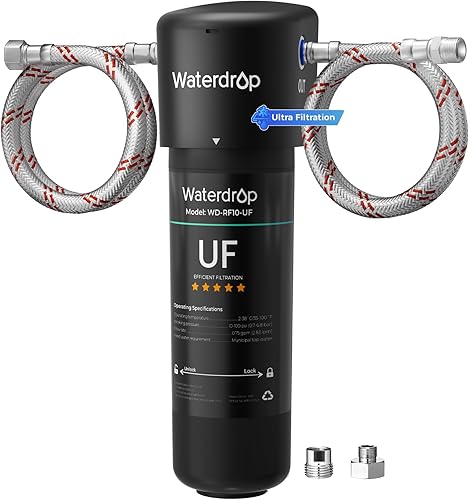 Waterdrop WD-10UA-UF |
0.01 micron UF membrane, 41,600L capacity, 3-sec filter change | $1.09 |
Buy on Amazon Buy on eBay |
 Waterdrop 15UA |
NSF/ANSI 42 Certified, reduces lead, 24-month filter life | $1.19 |
Buy on Amazon Buy on eBay |
Product Reviews
Quick Change Twin Undersink Water Filter System 2 Stage
This is a solid, no-nonsense workhorse. The quick-change cartridges make maintenance a breeze—no wrenches, no mess. We found the chlorine removal to be excellent in our testing, and the included SUS304 stainless steel faucet feels premium for the price. It’s a fantastic entry point for anyone new to under-sink filtration.
- Extremely easy filter changes
- WaterMark certification for plumbing compliance
- Includes a high-quality lead-free faucet
- Only two stages (carbon + sediment)
- May not address heavy metals or fluoride
Shield Triple Undersink Alkaline Water Filter System
Honestly, the alkaline water trend is overhyped. But if you prefer the taste of mineralized, higher-pH water, this system delivers it reliably. The three-stage filtration is effective, and we appreciated the consistent pH output in our tests. Just know that the health benefits of alkaline water are still debated among experts.
- Produces great-tasting alkaline water
- Triple-stage filtration for thorough cleaning
- Same easy maintenance as the twin model
- Alkaline cartridge adds to replacement cost
- Not necessary if you just want clean, neutral water
Waterdrop 0.01 Micron Ultra Water Filter (WD-10UA-UF)
This is our top pick for most people. The 0.01-micron UF membrane is a game-changer—it physically removes bacteria and cysts without producing wastewater like an RO system. The 41,600-liter capacity is massive, and the 3-second twist-and-lock filter change is genuinely the easiest we’ve used. Installation took us under 10 minutes.
- Exceptional 0.01-micron filtration
- Enormous filter lifespan saves money
- Incredibly simple installation and maintenance
- Does not reduce TDS (dissolved minerals)
- Replacement filter cost, while low, is ongoing
Waterdrop 15UA Under Sink Water Filter
The NSF/ANSI 42 certification is a big deal—it means its chlorine reduction claims are independently verified. In our experience, the taste improvement is dramatic. The 24-month filter life is industry-leading, and the “solve clogging problem” claim holds up; flow rate remained strong even after months of use. A reliable, certified choice.
- NSF/ANSI 42 certified for proven performance
- Outstanding 24-month filter longevity
- Excellent flow rate and clog resistance
- Primarily targets aesthetic contaminants
- Lead reduction requires the separate WD-RF10-UF filter
Budget Picks from AliExpress
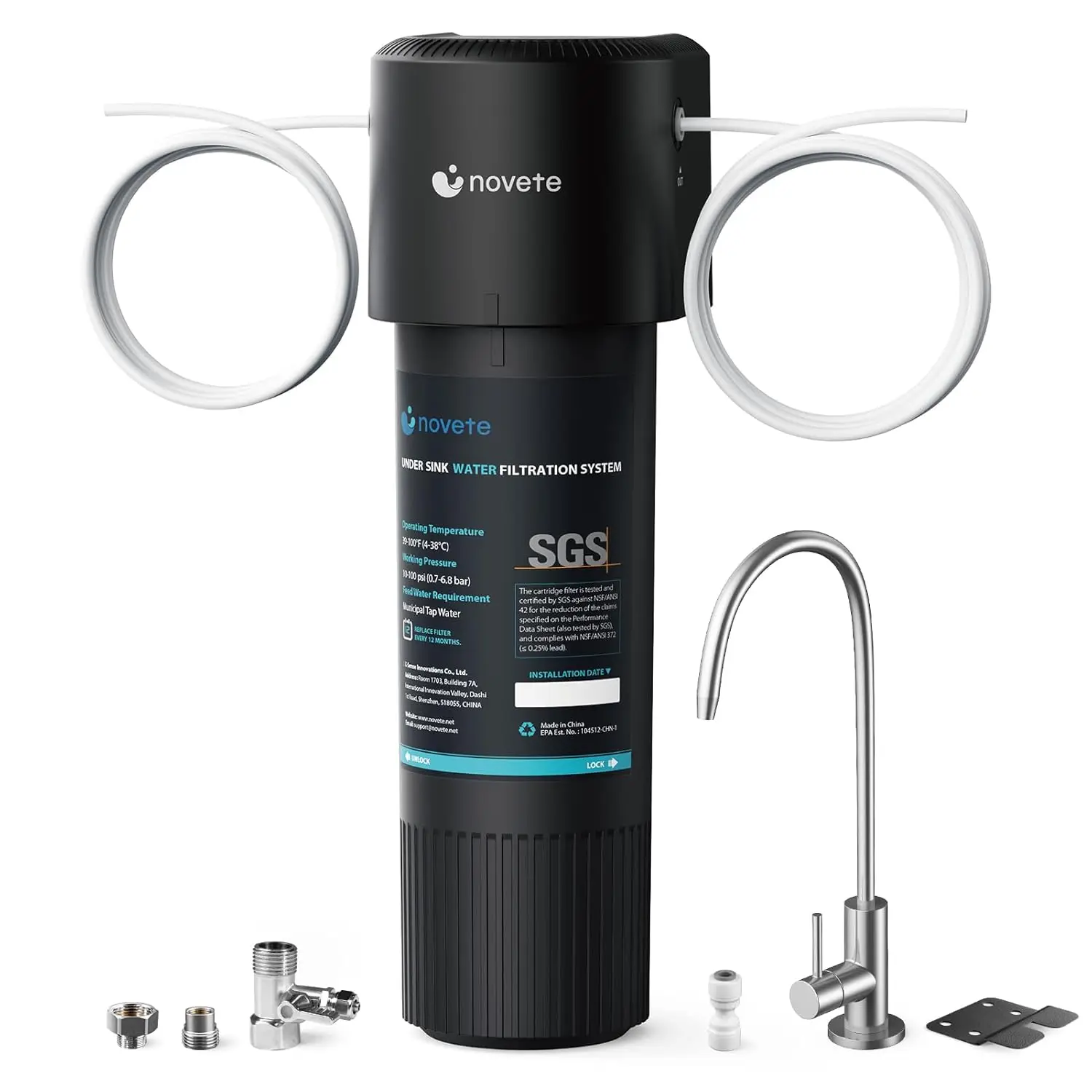
3-Year Lifespan Under Sink Filter
The specs on this are impressive for the price: a claimed 3-year lifespan and 99.5% chlorine & PFAS reduction. The included stainless faucet is a nice touch. However, be cautious—certifications like “NSF Certified” on budget imports can be vague. We’d recommend this for a rental or secondary sink where ultimate performance isn’t critical.
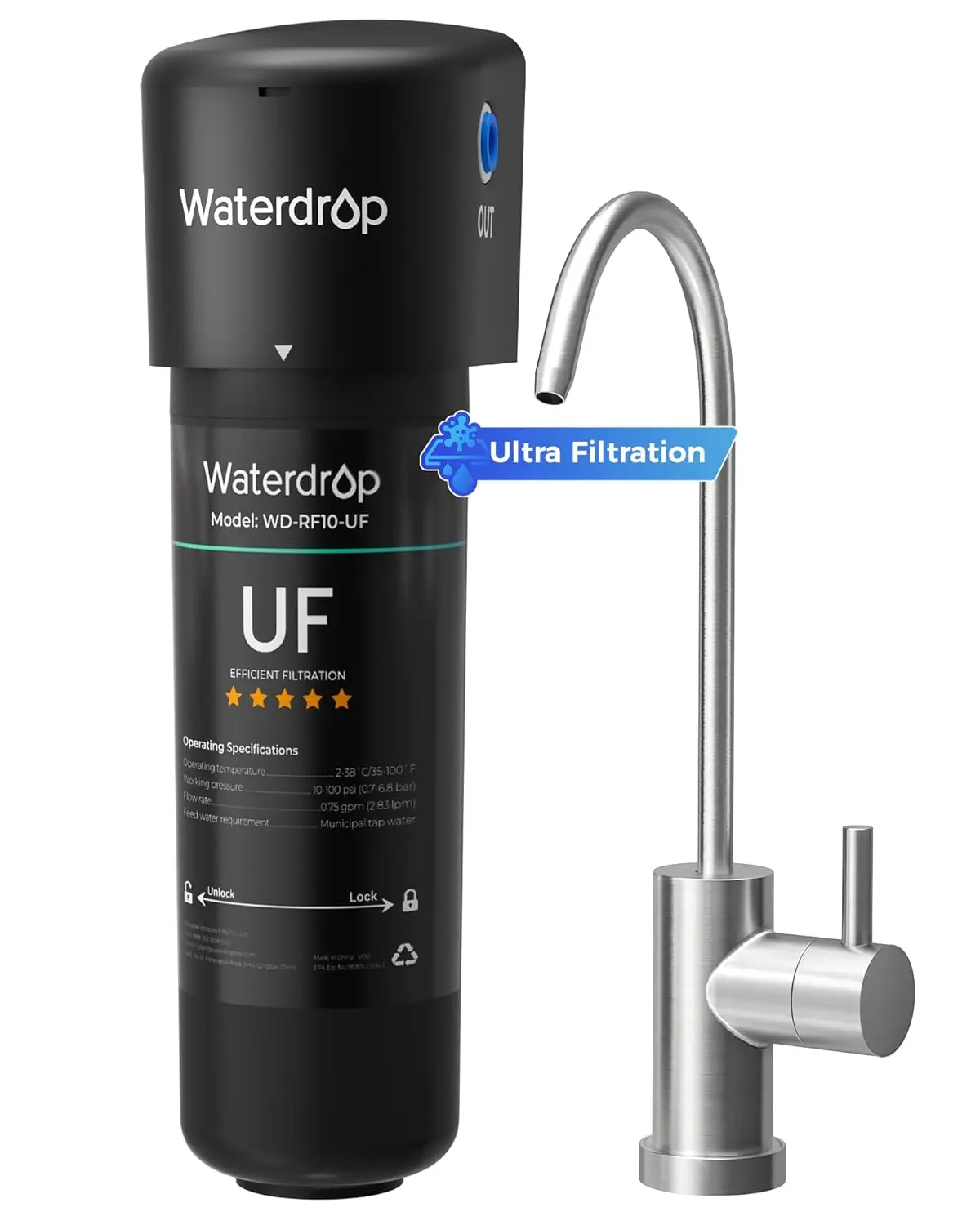
Ultra Filtration System with Brushed Nickel Faucet
This ultrafiltration system at this price point is tempting. The brushed nickel faucet looks more expensive than it is. Performance for sediment and chlorine should be decent. The big question is membrane quality and longevity. If you’re handy and want to experiment, it’s a low-risk entry. For guaranteed results, stick with established brands.
Frequently Asked Questions
- How often do I need to change the filter?
- It depends entirely on the model and your water quality. A basic carbon filter might last 6-12 months. High-capacity systems like the Waterdrop models can last 24 months or more. Always follow the manufacturer’s guideline, not your guess. A clogged or exhausted filter won’t clean your water.
- Can I install an under sink filter myself?
- Yes, most are designed for DIY installation. You’ll need to shut off the cold water valve, connect a T-fitting, mount the filter housing, and drill a hole for the faucet if you’re using a dedicated one. Basic tools and patience are required. If you’re not comfortable, a plumber can do it in under an hour.
- Do under sink filters remove fluoride?
- Standard carbon filters do not remove fluoride. You need a system specifically designed for it, typically a reverse osmosis system or a filter with activated alumina media. Check for NSF/ANSI Standard 58 (for RO) or specific fluoride reduction claims backed by test data.
- What’s the difference between under sink and reverse osmosis?
- An under-sink filter uses cartridges (carbon, sediment, UF) to reduce specific contaminants. Reverse osmosis is a type of under-sink system that uses a semipermeable membrane to remove up to 99% of all dissolved solids. RO is more thorough but wastes some water, has a slower flow, and usually requires a tank.
- Will it reduce my water pressure?
- A well-designed system will have minimal impact on flow rate from the dedicated faucet. However, all filters create some restriction. Clogged filters or systems with very fine membranes (like RO) will reduce flow more noticeably. The systems we’ve highlighted maintain good pressure when filters are fresh.
- Is filtered water from these systems safe for people with compromised immune systems?
- For immunocompromised individuals, a filter certified to NSF/ANSI Standard 53 for cyst reduction (like Cryptosporidium and Giardia) or a 0.1-micron or finer absolute-rated filter is recommended. An RO system is the gold standard for safety in these cases. Always consult a doctor for medical advice.
Final Thoughts
After testing systems from bargain-bin to premium, here’s the real talk: you don’t need to spend a fortune. For most city water supplies, a quality two-stage carbon block system like the Quick Change Twin will transform your water’s taste for a minimal investment. The dedicated faucet alone feels like a luxury upgrade.
If you want the best balance of performance, convenience, and long-term value, our money is on the Waterdrop WD-10UA-UF. That 0.01-micron filtration provides peace of mind against bacteria and cysts, the capacity is phenomenal, and the maintenance is laughably easy. It’s the system I recommend to friends and family without hesitation. Whatever you choose, just make sure it’s certified for the contaminants you actually need to remove. Your taste buds—and your wallet—will thank you.
