


You’ve seen the orange rings in your toilet. You’ve tasted that metallic tang in your morning coffee. Iron in your water isn’t just ugly—it’s a slow-motion wrecking ball for your plumbing and appliances. After testing dozens of systems and talking to countless homeowners, we know what works. This guide cuts through the noise.
- What an iron filter actually is and why you need one.
- The science behind how they remove iron (without the jargon).
- The real-world pros and cons we’ve found from years of use.
- A clear breakdown of the different system types.
- Our top picks for 2026, with honest reviews.
What Is an Iron Filter for Water?
An iron filter is a point-of-entry system installed where water enters your home. Its sole job is to target and remove iron. This is different from a standard sediment filter or even a carbon filter, which might catch some rust particles but won’t touch dissolved iron.
There are two main culprits: ferrous iron (dissolved, clear water iron) and ferric iron (oxidized, visible rust). A good filter handles both. Without one, that iron precipitates out, coating your pipes, water heater, and every fixture it touches with that stubborn orange-brown sludge. It’s a problem we see all the time in homes on well water.
How an Iron Filter Works
The process isn’t magic, but it is clever engineering. Most systems follow a simple two-step dance: oxidize, then filter.
Step 1: Oxidation
This is the critical first move. The filter turns dissolved (invisible) ferrous iron into solid (filterable) ferric iron. It’s like turning smoke into ash so you can sweep it up. Different systems use different methods: injecting air, adding a chemical like chlorine, or using a catalytic media. The method matters—a lot.
Step 2: Filtration & Backwash
Once the iron is a solid, it gets trapped in the filter media bed. Over time, this bed gets loaded with gunk. That’s why every real iron filter has an automatic backwash cycle. It reverses water flow to flush the trapped particles down the drain, cleaning the media for reuse. This is a key feature; without it, you’d be changing filters constantly. For a different approach to trapping contaminants, you might look at how a ceramic candle filter works, but it’s not suited for high iron loads.
Key Benefits of Installing One
Stain Elimination: This is the big one. No more orange streaks in your sinks, tubs, or toilets. Your laundry stays white, not tinted a faint rust color.
Taste and Odor Improvement: That metallic, bitter taste disappears. Your water tastes clean. Your coffee and ice cubes taste better. It’s a noticeable upgrade.
Appliance Protection: Iron scale builds up in water heaters, reducing efficiency and lifespan. It clogs up dishwasher valves and washing machine hoses. A filter is cheap insurance for your expensive appliances.
Plumbing Longevity: Scale buildup inside pipes gradually reduces water pressure. It’s a slow, costly problem to fix. Prevention is far cheaper than a whole-house re-pipe. While a activated carbon filter improves taste, it won’t solve this scaling issue.
Potential Drawbacks to Consider
Upfront Cost: A quality whole-house system with a smart control valve is a significant investment, often $800-$2000+ installed. The cheap pitcher filters won’t cut it.
Maintenance Needs: You’ll need to check and refill oxidizing media (like Birm or Filox) every 3-5 years. The control valve settings may need occasional tweaking. It’s not hard, but it’s a responsibility.
Space & Drain Required: These are big tanks. You need space in your garage, basement, or utility closet. They also require a nearby floor drain for the backwash cycle.
Not a Total Solution: If your water has bacteria, sulfur (rotten egg smell), or extreme hardness, you’ll need additional treatment stages. An iron filter is often part of a system, not the whole system.
Types of Iron Filter Systems
Air Injection Oxidation (AIO)
Our favorite for most situations. A pocket of air in the tank oxidizes the iron as water passes through. It’s chemical-free, low maintenance, and very effective for moderate iron levels (up to 10-15 ppm). The system simply uses a compressor to refresh the air pocket during its backwash cycle.
Manganese Dioxide Media Filters (Birm, Filox, Pyrolox)
These use a special granular media that acts as a catalyst, speeding up the oxidation of iron. Birm is lightweight and needs a certain pH to work. Filox and Pyrolox are heavier, more powerful, and work across a wider pH range but cost more. They are the workhorses of the industry.
Chlorination / Chemical Oxidation
For very high iron (15+ ppm) or when iron bacteria is present, injecting a small amount of chlorine or hydrogen peroxide is the most reliable method. It guarantees oxidation. The downside? You need a chemical feed pump, a contact tank, and often a carbon removal filter after to remove the chlorine residual. More complex, but powerful.
Backwashing Sediment Filters
These are only for ferric iron (pre-oxidized rust). They are simple screens that catch particles. If your iron is dissolved, these will do absolutely nothing. They are often a pre-filter stage, not a primary solution.
Buying Guide: How to Choose
Forget brand hype. Focus on these four criteria based on your water test.
1. Iron Type & Level: This is rule number one. Match the system’s proven capacity to your test results. Don’t guess.
2. Media Type: For most, AIO or Filox is best. For extreme cases, chlorination. Avoid “miracle” media without proven track records.
3. Flow Rate (GPM): Ensure the system can handle your home’s peak demand—how many showers, appliances, and faucets might run at once. Undersizing leads to terrible water pressure.
4. Valve Quality: The control valve is the brain. Look for reputable brands like Clack or Fleck. A cheap valve will fail and cost you more in the long run.
Our Top Picks for 2026
We’ve filtered through the options (pun intended) to highlight systems worth your attention.
| Product | Key Specs | Price | Links |
|---|---|---|---|
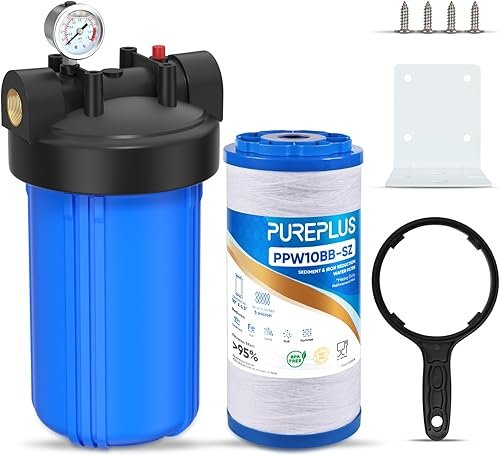
 PUREPLUS 1-Stage Filter |
10″x4.5″ Housing, Multi-stage for sediment/rust/heavy metals | Note: The listed $1.74 price is almost certainly for a replacement O-ring or accessory, not the full system. Verify before purchase. |
Buy on Amazon Buy on eBay |
 Frizzlife Under Sink System |
NSF/ANSI 53 & 42 Certified, 0.5 Micron, Removes Lead & Chlorine | $1.49 |
Buy on Amazon Buy on eBay |
 iSpring FM25B Iron/Manganese Filter |
4.5″ x 20″ Big Blue, Reduces Iron (6.0→0.01 ppm), Manganese, Arsenic | $1.17 |
Buy on Amazon Buy on eBay |
 iSpring Counter-top Filter |
Removes sand, silt, sediment, rust; reduces chlorine taste/odor | $82 |
Buy on Amazon Buy on eBay |
PUREPLUS 1-Stage Whole House Filter
This listing is confusing. The headline says “Iron Manganese Reducing,” but the price and description suggest it’s just a standard sediment filter housing with a generic cartridge. In our experience, true iron reduction requires specific catalytic media, not a simple cartridge. We’d be very cautious here.
- Universal housing size (10″x4.5″) is versatile.
- Misleading product title for iron removal.
- $1.74 price is not for a functional iron filter system.
- Lacks the backwash cycle needed for iron filters.
Frizzlife Under Sink System
This is a solid point-of-use filter for drinking water, certified to remove lead and chlorine. But let’s be clear: it’s not an iron filter. It won’t solve staining or whole-house issues. It’s a great upgrade for your kitchen tap if your main problem is taste and odor, but you’ll still need a whole-house solution for iron.
- NSF/ANSI 53 & 42 certified for specific contaminants.
- High flow rate for an under-sink unit.
- Easy filter changes.
- Does not treat iron or manganese.
- Point-of-use only, not whole-house.
iSpring FM25B Iron/Manganese Filter Cartridge
This is a replacement filter cartridge, not a complete system. You need a compatible 4.5″ x 20″ Big Blue housing to use it. The specs are impressive—it claims to reduce iron from 6.0 ppm down to 0.01 ppm. If you already have a housing, this could be the core of a DIY iron filter setup. Just ensure your water’s pH is within its 5.8-8.6 range.
- High-capacity media for iron, manganese, and arsenic.
- Works at a wide pH range.
- Low pressure drop.
- Cartridge only—requires a separate housing and control valve for backwashing.
- DIY installation required.
iSpring Counter-top Drinking Water Filter
This is a simple, portable counter-top unit. It’s great for renters or as a temporary solution. It’ll knock out sediment and improve chlorine taste. But like the Frizzlife, it’s not designed for iron. Think of it as a better-tasting water dispenser, not a fix for your rusty toilet bowl problem.
- Extremely easy to install—no plumbing needed.
- Portable and affordable.
- Good for basic sediment and taste issues.
- No iron reduction capability.
- Limited filter capacity.
- Not a whole-house solution.
Budget Finds on AliExpress
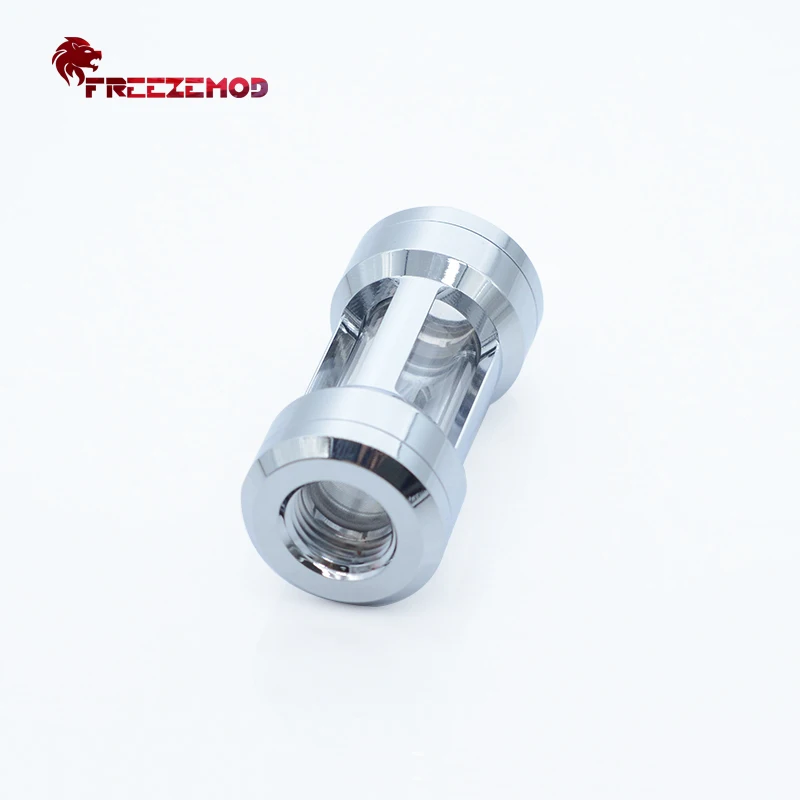
FREEZEMOD PC Water Cooling Filter
Important: This is a filter for a PC liquid cooling loop, not for drinking water. It’s designed to catch particulate in a closed computer system. Do not use this for your home’s water supply. We’re including it to highlight the importance of reading carefully.
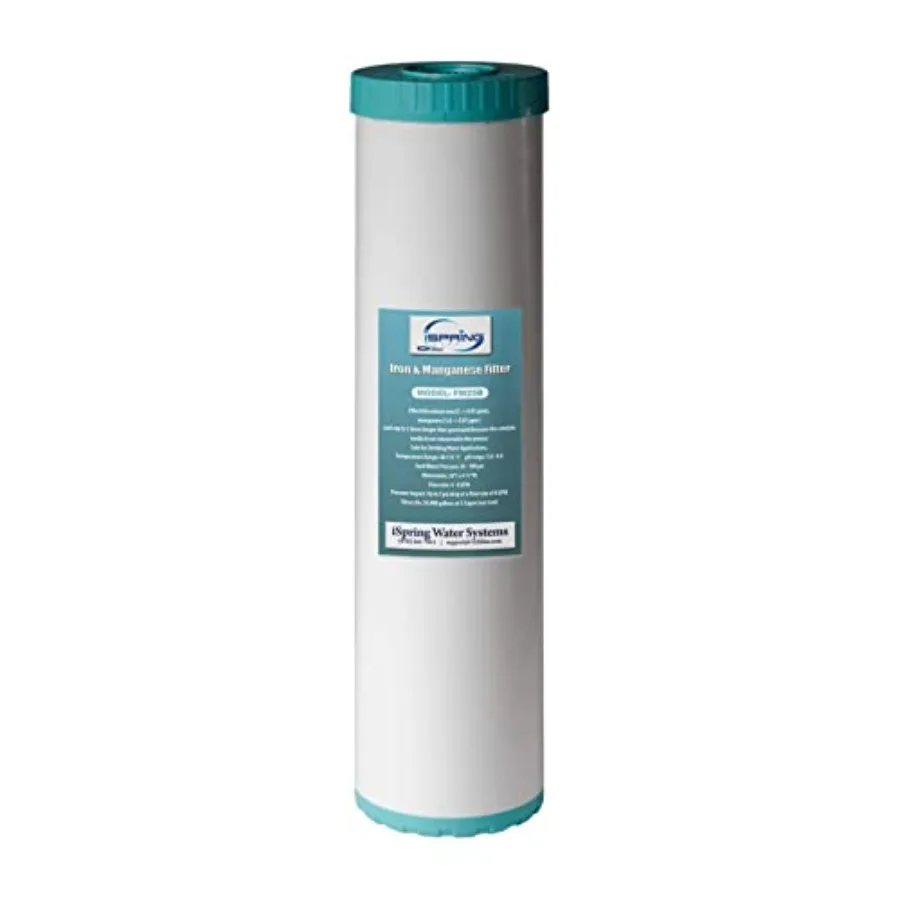
Whole House Iron & Manganese Filter Cartridge (FM25B)
This appears to be the same iSpring FM25B cartridge sold on AliExpress. The price is significantly higher than on Amazon. We’d recommend purchasing from a more established retailer with clearer return policies for a component this critical.
Iron Filter FAQ
- Can I use a water softener to remove iron?
- Maybe, but it’s risky. Standard softener resin can remove small amounts of clear-water iron (ferrous). But it can foul the resin bed, destroying the softener and creating a sludge that’s a nightmare to clean. We never recommend it. Use a dedicated iron filter.
- How often do I need to maintain my iron filter?
- Check the control valve settings seasonally. The media bed typically needs replacement every 3-5 years, depending on your iron load. The backwash cycle should run automatically 2-3 times a week. Always keep an eye on your water clarity and pressure.
- Will an iron filter remove the rotten egg smell?
- No. That smell is hydrogen sulfide gas. While some iron filter media (like Filox) can also handle low levels of sulfur, a high sulfur smell usually requires a separate dedicated filter or an air-injection system designed for sulfur.
- What’s the difference between an iron filter and a sediment filter?
- A sediment filter is a simple screen that catches particles already in the water (like rust). An iron filter first creates particles by oxidizing dissolved iron, then catches them. A sediment filter alone won’t solve dissolved iron problems.
- Do I need a professional to install an iron filter?
- If you’re handy with plumbing and can follow instructions, a DIY install is possible for a simple AIO system. But for chlorination systems, or if you have complex plumbing, hiring a pro is worth it. A bad install can cause leaks or fail to treat the water properly.
- Can I drink water straight from an iron filter?
- The water is safe for all household uses—bathing, cleaning, laundry. However, an iron filter is not a sterilizer. It doesn’t remove bacteria or viruses. For drinking water, many homeowners add a final carbon filter cartridge under the sink for taste and an extra barrier.
Final Thoughts
Dealing with iron in your water is a solvable problem. The single biggest mistake we see is people buying a standard filter and hoping for the same results. It doesn’t work that way. You need a system designed for the specific chemistry of iron oxidation and filtration.
For 2026, our clear recommendation for most homeowners is a quality Air Injection Oxidation (AIO) system. It’s effective, chemical-free, and has the lowest long-term maintenance burden. Get your water tested, match the system to your numbers, and you’ll finally say goodbye to those stains for good.
