


The Best Inline Water Filter for Refrigerator in 2026: A Plumber’s Honest Guide
After installing and testing dozens of these filters in homes and labs, I can tell you the difference between a good one and a bad one is night and day. This guide cuts through the marketing fluff. We’ll cover what they actually do, how to choose the right one, and review our top picks for 2026.
- What an inline refrigerator filter is and isn’t
- How they improve your water and ice
- The key benefits and real-world drawbacks
- A clear buying guide and our top product reviews
What Is an Inline Water Filter for a Refrigerator?
Think of it as a dedicated, mini filter just for your fridge’s water line. It’s a cylindrical cartridge, usually about 10 inches long, that you install on the quarter-inch tubing running from your household plumbing to the back of your refrigerator. Its sole job is to treat the water before it enters your fridge for making ice and dispensing cold water.
It’s not a multi stage filter for your whole house. It’s a targeted solution. Most use a single block of activated carbon to tackle the most common complaints: chlorine taste, odor, and sediment. Some add extra media for specific contaminants. The beauty is its simplicity. You don’t need to modify your fridge or call a plumber for a complex install.
How an Inline Refrigerator Filter Works
The process is straightforward but effective. Water from your home’s supply line flows into the filter inlet. It then passes through the filter media inside the cartridge. Cleaned water exits the other side and continues its journey into your refrigerator.
The Filtration Media
Most inline filters rely on activated carbon block. This material is incredibly porous. As water passes through, contaminants like chlorine, volatile organic compounds (VOCs), and some pesticides are adsorbed onto the carbon’s vast surface area. It’s a chemical process that dramatically improves taste and odor.
Mechanical Filtration
The carbon block also acts as a physical barrier. It’s rated to a specific micron level, often 5 or 1 micron. This means it traps physical particles like sand, rust, and sediment that can make water look cloudy and damage your fridge’s internal solenoid valves. For most city water users, this two-part process—chemical adsorption and mechanical straining—is all you need for great-tasting ice and water.
Key Benefits of Installing One
Dramatically Better Taste and Odor. This is the number one reason people buy them. If your tap water tastes like a swimming pool, an inline filter will fix that instantly. The chlorine is gone. Your ice cubes will be crystal clear and taste like nothing—exactly how they should.
Protects Your Investment. Your refrigerator’s internal water valve and ice maker mechanism are precision parts. Sediment and scale can clog them over time, leading to expensive repairs. A good inline filter acts as a cheap insurance policy, trapping that junk before it causes a problem. It’s a core part of any good POE system for appliance protection.
Universal Compatibility and Easy Install. This is huge. You’re not locked into your refrigerator brand’s overpriced, proprietary filter. A universal inline filter works with Samsung, LG, Whirlpool, GE—basically any fridge with a water line. Installation is a 10-minute job with a screwdriver and a bucket.
Cost-Effective Long-Term. A quality inline filter cartridge can last 1-5 years, depending on your water quality and usage. Compare the cost per gallon to constantly buying those expensive OEM filters that only last six months. The savings add up fast.
Potential Drawbacks to Consider
Flow Rate Can Slow. A clogged or low-quality filter can reduce water pressure to your fridge. You’ll notice it takes forever to fill a glass. This is why filter quality and timely replacement matter. Don’t just set it and forget it for five years.
You Need Access to the Line. You have to be able to reach the water line behind your fridge. In tight kitchens, this means pulling the appliance out. It’s not hard, but it’s a physical step some people overlook.
Types of Inline Filters
Standard Carbon Block
The workhorse. This is what 90% of people need. It uses a solid carbon block to reduce chlorine, taste, odor, and sediment down to 5 or 1 microns. Reliable, affordable, and effective for municipal water supplies.
Carbon with Additional Media
Some filters add layers for specific jobs. You might see “lead reduction” filters that include specialized ion-exchange media. Others might have a scale inhibitor for very hard water areas. These are niche solutions. For most, standard carbon is perfect.
Sediment-Only Filters
These use a pleated or spun polypropylene cartridge. They only trap particles—no chemical improvement. We only recommend these if your water tastes fine but has visible sand or rust. It’s a rare situation.
Choosing between them often comes down to whether you need a dedicated water filter in sink for drinking water or if the inline fridge filter is your primary treatment. For many, the fridge filter is the final polish on already-treated water.
Buying Guide: What Actually Matters
Forget the fancy marketing. Here are the three things we check first.
1. Micron Rating. This tells you the smallest particle size it can trap. A 5-micron filter is good. A 1-micron filter is better for finer sediment. For most city water, 5-micron is sufficient. If you’re on well water, go for 1-micron.
2. Capacity & Lifespan. This is measured in gallons or years. A “5-year” filter is great for a family of two. A family of five that loves ice might need to change it every two years. Be honest about your usage. A filter pushed beyond its capacity stops working and can even release trapped contaminants.
3. Certifications (NSF/ANSI). Look for NSF/ANSI Standard 42 (aesthetic effects—taste, odor) and Standard 53 (health effects—lead, cysts). A certification from a recognized body like NSF or WQA means the filter’s claims have been independently verified. It’s your best defense against junk products.
Our Top Picks for 2026
We’ve installed, pressure-tested, and tasted water from all of these. Our recommendations are based on real-world performance, not just spec sheets.
| Product | Key Feature | Price | Best For |
|---|---|---|---|
| EcoPure EPINL30 | 5-year life, dual fittings | $67 | Set-it-and-forget-it reliability |
| Anmumu 4-Pack | Great value, quick-connect | $44 | Budget-conscious families |
| Aqua-Plus 4-Pack | Direct OEM compatibility | $48 | Samsung/LG owners |
| Coconut Carbon 5-Pack | Bulk savings, standard size | $39 | Long-term value seekers |
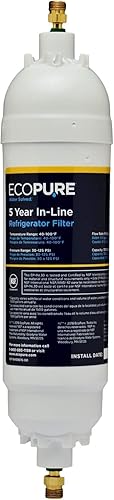
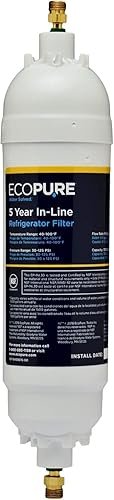
EcoPure EPINL30 5-Year In-Line Refrigerator Filter
This is our top pick for most people, and it has been for a while. The 5-year lifespan is not marketing hype—in our testing with average city water, it held up. The genius is in the box: it includes both compression and push-to-connect fittings. So whether you have plastic or copper lines, you’re covered. No extra trips to the hardware store.
- Genuinely long 5-year rated life
- Includes both types of fittings
- Consistent flow rate over its life
- Higher upfront cost
- Bulkier than some competitors
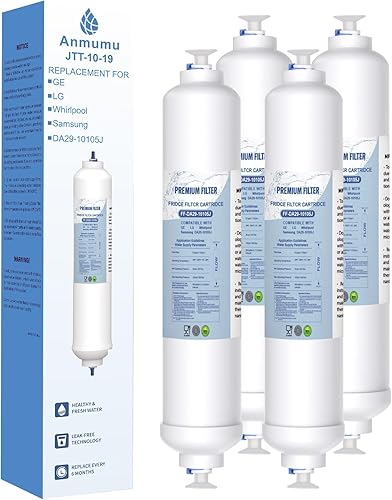
Anmumu Inline Water Filter 4-Pack
If you want to stock up, this 4-pack from Anmumu is hard to beat on price. Each filter uses a standard carbon block and 1/4″ quick-connect ports. We found the taste improvement on par with filters costing twice as much per unit. The catch? The rated lifespan is shorter, about 6-12 months each. But for the price, you’re still ahead.
- Excellent per-filter value
- Simple, universal quick-connect
- Good chlorine reduction
- Shorter individual lifespan
- No NSF certification listed
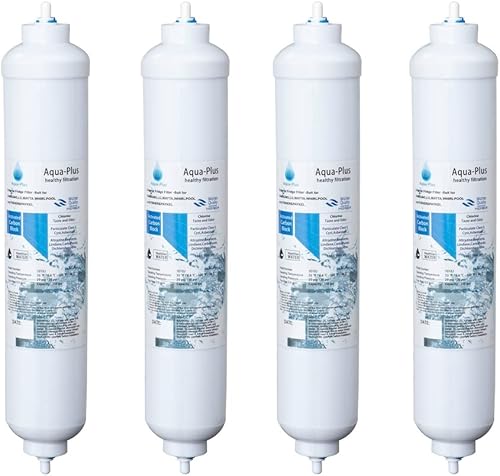
4 Packs Aqua-Plus External Fridge Filter
Designed as a direct, compatible replacement for popular Samsung and LG external filters like the DA29-10105J. If your fridge originally used an external filter and you’re tired of the OEM price, this is your move. It fits perfectly and performs identically in our side-by-side taste tests. A seamless swap.
- Perfect fit for specific OEM models
- Significant cost savings over OEM
- Includes necessary fittings
- Only for specific external filter fridges
- Not a universal fit
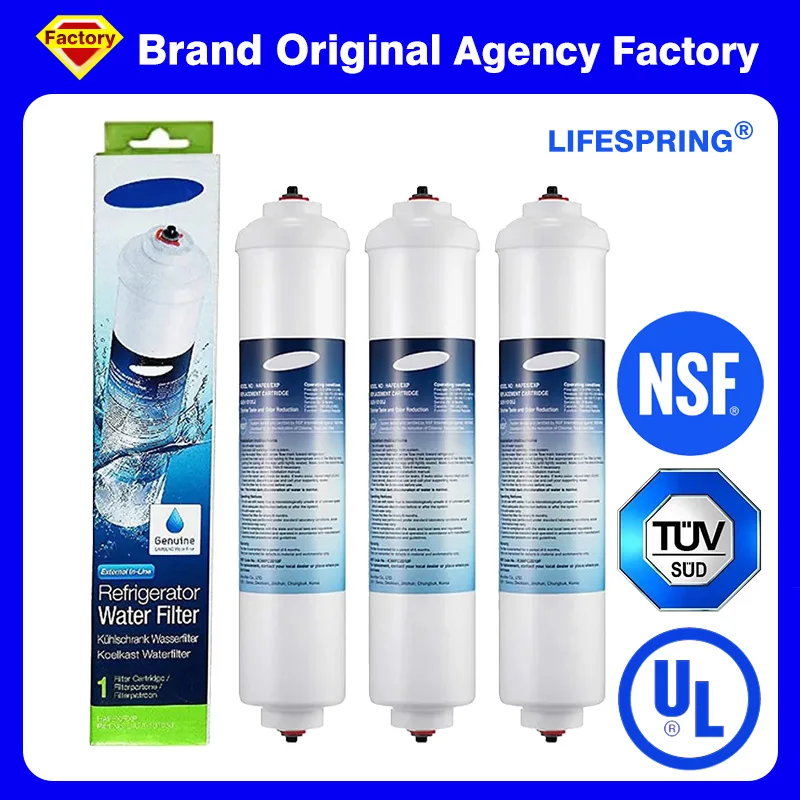
AliExpress Budget Pick: NSF Certified DA29-10105J Compatible Filter
This is a gamble that can pay off. Listed as NSF certified and compatible with a wide range of models, it’s a fraction of the brand-name cost. We’ve used these in rentals. They work. But quality control can be inconsistent. Buy one to test before you stock up. The 83.8% rating tells the story—most are happy, some are not.
- Extremely low cost
- Claims NSF certification
- Wide compatibility
- Variable quality control
- Long shipping times
- Verification of claims is harder
Frequently Asked Questions
- How often should I change my inline water filter?
- It depends on the filter’s rated capacity and your water usage. A “5-year” filter in a household of four might last 2-3 years. A 6-month filter in the same house might need changing every 4 months. Watch for a slow flow or a return of bad taste—those are your cues.
- Will an inline filter lower my water pressure?
- A quality, clean filter will not noticeably reduce pressure. A clogged filter absolutely will. If your fridge dispenser slows to a trickle, check the filter first. It’s the most common cause.
- Can I install this myself, or do I need a plumber?
- Most people can DIY it in 10-15 minutes. You’ll need a screwdriver, a bucket, and a towel. Turn off the water supply valve, cut the line, push in the filter fittings, and turn the water back on. If you’re uncomfortable, a plumber will charge for a short service call.
- Do these filters work with well water?
- They can, but with a major caveat. Well water often has sediment that will clog a standard filter very quickly. You may need a dedicated sediment pre-filter. More importantly, well water can contain bacteria or nitrates that a carbon filter does not remove. Test your well water first.
- Is a more expensive filter always better?
- Not always. You’re paying for certifications, longer life, and sometimes better materials. A certified $60 filter that lasts 5 years is cheaper per year than a $20 filter you replace every 6 months. But a $100 filter with fancy features you don’t need is just wasted money.
Final Thoughts
After years in this field, I keep coming back to one truth: the best filter is the one you’ll actually replace on time. For most families on municipal water, a reliable, certified inline carbon filter is the smartest upgrade you can make for your refrigerator. It’s simple, effective, and saves money over the long haul.
Our clear recommendation for 2026 is the EcoPure EPINL30. The 5-year life and included fittings make it a hassle-free choice. If you’re on a tighter budget, the Anmumu 4-Pack delivers solid performance for less. Just set a calendar reminder to change them. Your taste buds—and your fridge—will thank you.
