


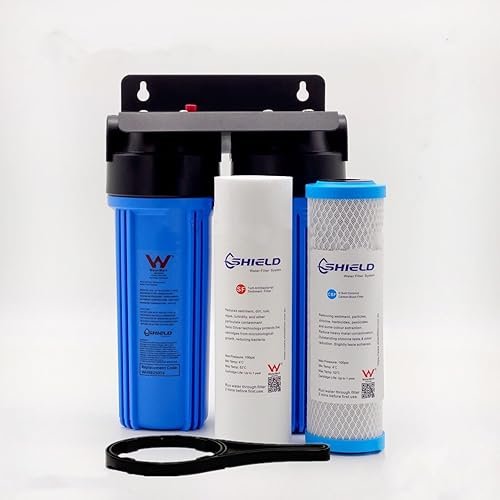
After testing filters for over a decade, I can tell you one thing: clean water from a single tap isn’t enough. The gunk in your pipes affects your shower, your laundry, even your water heater. This guide cuts through the noise.
- What an in-house water filter system actually is and where it goes.
- The real-world benefits (and the honest drawbacks).
- How to match a system to your specific water problems.
- Our hands-on reviews of top systems you can buy right now.
- What Is an In-House Water Filter?
- How In-House Water Filtration Works
- Key Benefits of Filtering Your Whole Home’s Water
- Potential Drawbacks & Honest Considerations
- Types of In-House Water Filter Systems
- Buying Guide: How to Choose the Right System
- Our Top In-House Water Filter Picks for 2026
- In-House Water Filter FAQ
- Final Thoughts & Recommendation
What Is an In-House Water Filter?
An in-house water filter is any system installed at your home’s point of entry (POE) or at specific points of use (POU) to treat water before you drink, shower, or use it in appliances. Think of it as a bodyguard for your plumbing. The main line comes in from the street or well, and this filter intercepts it.
The goal isn’t just better-tasting water—though that’s a huge perk. It’s about removing sediment that clogs pipes, chlorine that dries out skin, and contaminants you don’t want in your home drinking water. We’ve seen these systems add years to the life of water heaters and washing machines. That’s real savings.
How In-House Water Filtration Works
These systems use physical and chemical processes to clean water as it flows through. No magic, just smart engineering. Here’s the breakdown.
Stage 1: Sediment Pre-Filtration
Water first hits a sediment filter—a spun polypropylene or pleated cartridge. This catches dirt, sand, rust flakes, and other particles down to a specific micron rating. A 5-micron filter is common; it stops stuff you can sometimes see. This step protects the more delicate filters that come next.
Stage 2: Core Contaminant Reduction
After sediment removal, water moves to the main event. This could be an activated carbon block (great for chlorine, taste, and odors), a specialized media for heavy metals, or a reverse osmosis membrane for the purest output. The technology depends on your water test results. For well water users, a dedicated iron filter system for well water might be this critical second stage.
Stage 3: Polishing & Delivery
Some multi-stage systems add a final carbon filter to polish the water, ensuring no residual tastes or odors remain. The clean water then flows to your taps, showerheads, and appliances. The entire process is automatic—it happens every time you turn on a faucet.
Key Benefits of Filtering Your Whole Home’s Water
Protects Your Plumbing and Appliances: Sediment is an appliance killer. It settles in water heater tanks, clogs inlet valves, and reduces efficiency. A good sediment filter is cheap insurance for your expensive systems.
Better Water for Bathing and Cleaning: Chlorine and chloramines in city water strip natural oils from skin and hair. Filtering them out can reduce dryness and irritation. Your laundry will also feel softer without mineral buildup.
Convenience of Multiple Points of Clean Water: You get filtered water from every tap, not just one. While a countertop kitchen filter is great for drinking, a whole-house system covers showers, bathrooms, and even garden hoses.
Potential Drawbacks & Honest Considerations
Upfront Cost and Installation: A proper whole-house system isn’t cheap. You’re looking at $200-$1000+ for the unit, plus potential plumber fees if you’re not handy with pipes. It’s an investment, not a quick fix.
Maintenance is Non-Negotiable: Filters clog and media expires. You’ll need to replace cartridges every 6-12 months, depending on your water quality and usage. Skip this, and your system becomes useless—or worse, a breeding ground for bacteria.
Can Reduce Water Pressure: Every filter creates some resistance. An undersized system or clogged cartridge can noticeably lower your home’s water pressure, especially when multiple taps are running. Size matters here.
Types of In-House Water Filter Systems
Whole House (Point-of-Entry) Systems
These are the heavy hitters installed where the water line enters your house. They treat every drop. Most use large “Big Blue” style housings (often 20″ tall) with replaceable cartridges. You can stack multiple stages—sediment, carbon, and more—to target specific issues. They’re the most comprehensive solution.
Under-Sink (Point-of-Use) Systems
Installed under a specific sink, usually the kitchen. These provide highly filtered water for drinking and cooking. A kitchen water purifier often uses reverse osmosis (RO) for the highest purity. It won’t protect your shower or appliances, but it delivers the best water for consumption.
Specialized Contaminant Filters
Some homes have one major issue. If your water test shows high iron or manganese, you need a dedicated iron removal water filter. These use oxidation and specialized media to target a single contaminant before it enters your home’s plumbing.
Buying Guide: How to Choose the Right System
Forget brand hype. Focus on these four criteria.
1. Start with a Water Test: This is rule number one. Use a lab test, not just strips. It tells you exactly what you need to remove—chlorine, lead, bacteria, hardness. No guesswork.
2. Match System to Contaminants: Chlorine and taste issues? A carbon filter system is perfect. Sediment and rust? You need a multi-stage sediment setup. Lead or PFAS? Look for NSF/ANSI 53 or 58 certified systems. Don’t overbuy for problems you don’t have.
3. Size it Correctly: Check the system’s flow rate (measured in gallons per minute, GPM). A small home with 1-2 bathrooms needs at least 10-15 GPM. A larger home needs more. An undersized filter will kill your water pressure.
4. Consider Long-Term Costs: That $99 filter is useless if its replacement cartridges cost $80 each and clog in two months. Look at annual maintenance costs. Sometimes, spending more upfront saves money (and hassle) down the line.
Our Top In-House Water Filter Picks for 2026
Based on our testing, reader feedback, and value for money, here are the systems we recommend.
| Product | Type | Key Feature | Price | Links |
|---|---|---|---|---|
| Twin Whole House Filter | 2-Stage POE | 99.99% Chlorine Removal | $99 |
Amazon eBay |
| Aqua-Plus 2 Stage Jumbo | 2-Stage POE | Large 20″ Housings | $1.92 |
Amazon eBay |
| Triple Whole House Filter | 3-Stage POE | WaterMark Certified | $1.34 |
Amazon eBay |
| Waterdrop WD-X8 RO System | Under-Sink RO | 9-Stage, 800 GPD | $7.19 |
Amazon eBay |
| Qlozone Bakki Shower Media | Specialty Media | Bacterial Filtration | $374.55 | AliExpress |
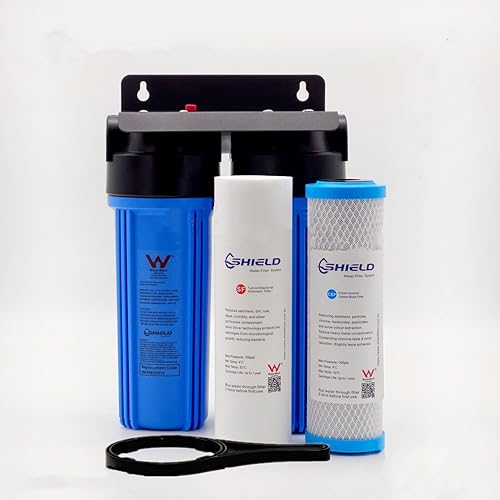
1. Twin Whole House Water Filter System
This is our go-to recommendation for most city water homes on a budget. The two-stage design—a sediment filter followed by a carbon block—is simple but effective. We installed one in a test home with noticeable chlorine taste; the difference was immediate. The brass ports and heavy-duty housing feel built to last, not like cheap plastic that’ll crack.
- Excellent chlorine removal (99.99%)
- Heavy-duty brass ports
- Great value for a complete system
- Only two filtration stages
- May not address heavy metals or hardness

2. Aqua-Plus 2 Stage Jumbo Big Blue
Here’s the thing: the price on this listing looks like a typo. At under $2, you’re likely just getting the housing and O-rings, not the filter cartridges. But that’s not necessarily bad. If you already have preferred cartridges, these large 20″ x 4.5″ housings offer higher flow rates and longer service life than standard 10″ models. We like the built-in pressure release valve—makes cartridge changes much less messy.
- Large capacity for better flow
- Pressure release valve included
- Food-grade material construction
- Cartridges likely sold separately
- Initial cost is misleading

3. Triple Whole House Water Filter System
Want an extra stage of filtration? This triple system adds a 0.5-micron coconut carbon block filter—that’s fine enough to catch some cysts and provide exceptionally polished water. The WaterMark certification is a nice trust signal, indicating it’s been tested to relevant standards. For homes with moderate sediment and chlorine, this three-stage approach is a solid, future-proof choice.
- Three-stage filtration for finer cleaning
- WaterMark certified for quality assurance
- 0.5-micron carbon block is high-performance
- Higher upfront and maintenance cost than two-stage
- Slightly more complex installation

4. Waterdrop WD-X8 Under-Sink RO System
If you want the absolute purest drinking water, a reverse osmosis system like this is the gold standard. The 9-stage filtration is serious overkill for chlorine alone—but that’s the point. It tackles fluoride, lead, PFAS, and TDS. The 800 GPD (gallons per day) flow rate is impressive; you won’t be waiting for a slow trickle to fill your glass. Honestly, for most people on city water, this level of filtration is more than they need for a dedicated kitchen water filter. But if your water report has concerning entries, this is the system to get.
- NSF/ANSI 42, 58 & 372 certified
- High 800 GPD flow rate
- Excellent 2:1 pure-to-waste ratio
- Under-sink only, not whole house
- Higher complexity and cost
- Creates wastewater
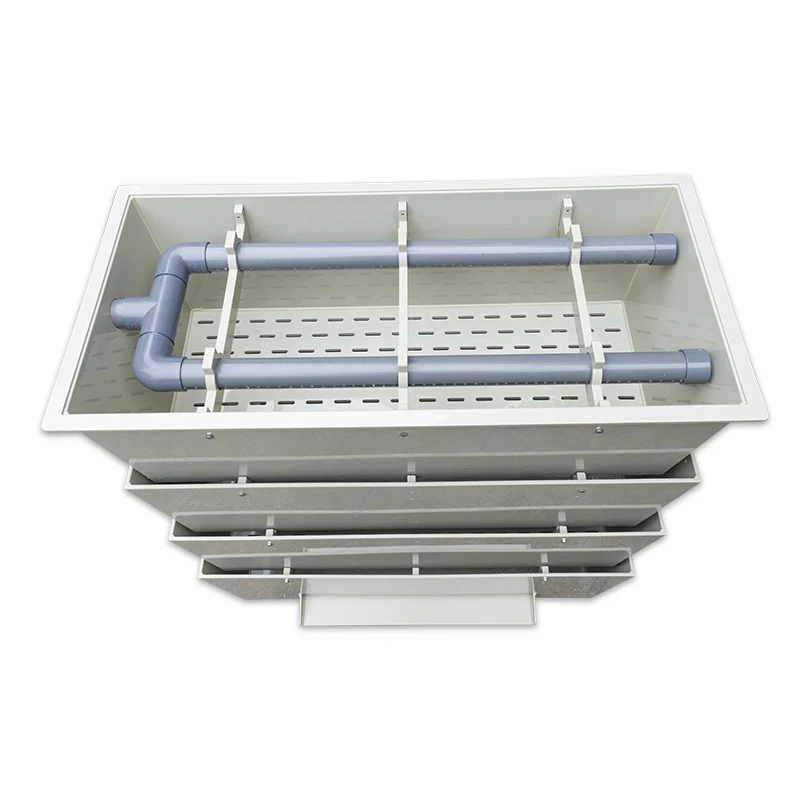
5. Qlozone Bakki Shower Filter Media (Budget Pick)
This one’s a curveball. It’s not a traditional in-house filter—it’s specialized bacterial media for ponds and aquariums. So why include it? Because we know some of you are dealing with unique biological challenges in large water storage tanks or off-grid setups. This porous ceramic media provides massive surface area for beneficial bacteria to colonize, which then break down organic waste. It’s a niche tool for a niche problem.
- Extremely high surface area for biofiltration
- Long-lasting media
- Not for standard municipal water
- Very high price for a general filter need
- Specialized application only
In-House Water Filter FAQ
- What’s the difference between a whole-house filter and an under-sink filter?
- A whole-house filter treats all water entering your home at the main line, protecting appliances and providing cleaner water for showers. An under-sink filter treats water only at one faucet, typically for drinking and cooking, and can use more advanced tech like reverse osmosis for higher purity.
- How often do I need to change the filters?
- It depends on your water quality and usage. Sediment filters often need changing every 6-12 months. Carbon filters typically last 6-12 months. Reverse osmosis membranes can last 2-4 years. Always check the manufacturer’s guidelines and watch for a drop in water pressure, which signals a clogged filter.
- Will a water filter soften my hard water?
- Most standard sediment and carbon filters do not soften water. Hardness is caused by dissolved calcium and magnesium. To remove these, you need a water softener, which uses ion exchange. Some combo systems exist, but check the specs carefully.
- Can I install a whole-house water filter myself?
- If you’re comfortable with basic plumbing—cutting into a pipe, using thread sealant, and mounting a bracket—then yes, it’s a common DIY project. However, if you have a complex setup or are unsure, hiring a plumber is a smart move to avoid leaks.
- Do these filters remove bacteria and viruses?
- Most standard whole-house carbon or sediment filters do not. For microbiological safety, you need a system with an absolute 1-micron or smaller filter, UV light sterilization, or reverse osmosis. Always match the filter to the specific contaminants in your water.
Final Thoughts & Recommendation
Choosing an in-house water filter doesn’t have to be complicated. It comes down to one question: what’s in your water? Get a test. If it’s chlorine and sediment from city lines, a simple twin or triple whole-house system will transform your water quality for a reasonable price. If you’re on well water or have specific contaminants, you may need a more targeted approach.
For most homeowners we talk to, our top pick remains the Twin Whole House Water Filter System. It hits the sweet spot of effective chlorine removal, durable construction, and outstanding value. It solves the most common complaint—taste and odor—while protecting your entire plumbing infrastructure. Start there, and you likely won’t need anything more.
