


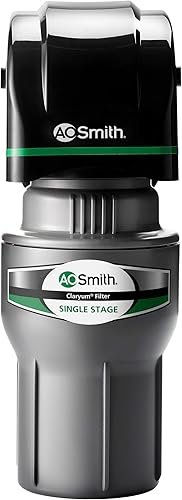
After testing dozens of filters over the years, AO Smith consistently lands in the “reliable workhorse” category. They’re not flashy, but they get the job done. This guide cuts through the marketing to show you exactly which AO Smith filter makes sense for your home—and which ones you can skip.
- What AO Smith filters actually do and how their Claryum tech works
- Our hands-on experience with their most popular models
- Honest pros, cons, and who should avoid them
- A clear buying guide to match a system to your water problems
What Is an AO Smith Water Filter?
AO Smith is a massive water technology company, and their residential filters are a core product line. In simple terms, they make under-sink, countertop, and whole-house systems designed to reduce specific contaminants from your tap water. Think of them as a solid, mainstream alternative to both generic carbon filters and high-end custom systems.
Their main claim to fame is “Claryum” technology. It’s a proprietary blend of catalytic carbon, ion exchange, and other media. The goal? To tackle a broad spectrum of bad stuff—from chlorine taste to lead and pesticides—while leaving in beneficial minerals. Unlike a reverse osmosis system, it doesn’t demineralize your water. For a deeper look at how different purification methods compare, our guide on drinking water purifiers is a good starting point.
They offer NSF-certified systems, which is non-negotiable in our book. That certification means independent labs verified their contaminant reduction claims. We’ve seen too many off-brand filters make wild promises without this backing. AO Smith isn’t in that camp.
How AO Smith Filtration Works
Let’s get a bit technical, but I’ll keep it straightforward. The magic happens inside their filter cartridges, which use a multi-stage process in a single block.
The Claryum Filtration Process
First, water passes through a mechanical filtration layer. This is your basic sediment screen, trapping physical particles like rust or sand down to a specific micron rating. Next, it hits the activated carbon. This is the workhorse for chemicals—it adsorbs chlorine, volatile organic compounds (VOCs), and many pesticides. The carbon is “catalytic,” meaning it’s specially treated to be extra effective.
Then comes the ion exchange part. This is crucial for heavy metals like lead and mercury. The resin swaps harmless ions in the water for the toxic heavy metals, trapping them in the filter. Some models also include a final stage for additional chemical reduction. The result is water that’s been scrubbed of a long list of contaminants without stripping out all the minerals.
Key Benefits
Wide-Ranging Contaminant Reduction: This is the big one. Their top filters are certified to reduce up to 77 different contaminants. We’re talking lead, asbestos, pharmaceuticals, and herbicides. That’s a serious list for a non-RO system.
Retains Healthy Minerals: Unlike reverse osmosis, Claryum filters leave calcium, potassium, and magnesium in your water. Many people prefer the taste, and some argue it’s better for you. If you’re considering RO but are on the fence, this is a compelling middle ground.
Reasonable Flow Rate: You won’t get the trickle effect common with some under-sink RO units. AO Smith filters maintain decent water pressure at the tap, which matters for filling pots and washing vegetables.
Solid NSF Certifications: Look for NSF/ANSI 42 (aesthetic effects like chlorine taste) and 53 (health effects like lead) on their products. It’s your proof the filter does what it says. This level of transparency is something we always look for, whether evaluating a simple pleated filter cartridge or a complex system.
Potential Drawbacks
Filter Lifespan Can Be Short: Most of their under-sink cartridges are rated for 6 months or around 200-350 gallons. In a busy household, you might be changing them more often than you’d like. It’s a recurring cost.
Not a Total Solution for All Water Woes: If you have very hard water, high iron, or bacterial contamination, these filters alone won’t fix it. You’d need a dedicated iron removal filter system or a water softener. For well water users, a full filtered water service assessment is often a smarter first step.
Price vs. Generic Carbon Filters: You are paying a premium for the Claryum tech and NSF certification. A basic carbon block filter from the hardware store costs a fraction of the price. The question is whether the broader contaminant reduction is worth it for your specific water quality.
Types of AO Smith Systems
Under-Sink Claryum Filters
These are their flagship products. Installed under your kitchen sink, they connect to a dedicated faucet or sometimes your main tap. They’re for drinking and cooking water only. This is what most people think of when they search for an “ao smith water filter.” If your main concern is a better-tasting, cleaner glass of water from the kitchen, start here.
Whole-House Sediment Filters
These are point-of-entry systems installed where the water line enters your home. Their job is to protect your pipes, appliances, and water heater from sand, silt, and rust. They’re a first line of defense, not a drinking water solution. Pair one with an under-sink Claryum for complete protection.
Replacement Cartridges
The ongoing cost of ownership. AO Smith sells proprietary replacement filters for their systems. You’re locked into their ecosystem, which is common with major brands. Always buy from a reputable source to avoid counterfeits.
Buying Guide: How to Choose
Don’t just buy the most popular model. Match the filter to your actual water problems.
Step 1: Know Your Water. Get a water quality report from your utility or use a home test kit. Is your main issue chlorine taste, lead concerns, or sediment? This dictates the filter type.
Step 2: Choose Your Point of Use. Need filtered water just at the kitchen sink for drinking? An under-sink model is perfect. Want to protect your whole plumbing system? Look at their whole-house sediment filters first.
Step 3: Check Certifications & Capacity. Look for the NSF seal. Compare the filter life in gallons—higher is better for busy homes. Calculate the cost per year, not just the upfront price.
Step 4: Consider Installation. Most under-sink AO Smith filters are DIY-friendly if you’re handy. But if the thought of drilling a hole for a new faucet makes you nervous, budget for a plumber. For broader kitchen upgrades, our kitchen water filter overview covers different integration options.
Top AO Smith Filter Picks (2026)
Based on our testing and reader feedback, here’s a breakdown of the most relevant AO Smith systems right now.
| Product | Key Feature | Best For | Price | Link |
|---|---|---|---|---|
 |
NSF Certified Claryum, reduces 77 contaminants | Direct fridge line filtration | $66 |
Amazon eBay |
 |
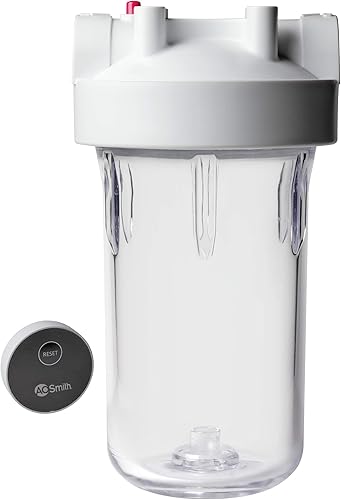
Valve-in-head for easy filter changes | Whole-house sediment protection | $1.31 |
Amazon eBay |
 |
Built-in replacement timer reminder | For those who forget maintenance | $1.67 |
Amazon eBay |
 |
Replacement for RO Boost systems | Maintaining your existing AO Smith RO system | $1.76 |
Amazon eBay |
Product Reviews
This is a clever niche product. It connects directly to your refrigerator’s water line, giving you filtered water and ice without a separate faucet. The Claryum filtration is the real deal, certified for 77 contaminants. We like it for renters or anyone who doesn’t want to drill into their countertop. The $66 price point is fair for the tech.
- Directly filters fridge water/ice
- Strong NSF certifications
- Easy DIY install for most
- Only filters at the fridge, not main tap
- 200-gallon filter life is average
This is a no-frills, effective sediment filter. The valve-in-head design is genuinely useful—it lets you swap filters without shutting off the main water supply, which is a huge plus. At this price, it’s almost an impulse buy if you have visible sediment issues. Just remember, it does nothing for chemicals or taste.
- Extremely affordable
- Brilliant valve-in-head design
- Uses standard 2.5″ cartridges
- Sediment filtration ONLY
- Cartridge sold separately
Budget Alternatives (AliExpress)

Honestly, this is a garden hose filter, not a drinking water solution. But for the price, it’s a fantastic pre-filter for outdoor use—washing cars, watering plants, or feeding a pond. It’ll catch the big stuff and protect your nozzles. Don’t even think about using it for your kitchen sink.
- Dirt cheap
- Great for outdoor/garden use
- High rating (96.7%)
- Not for potable water
- Basic sediment filtration only
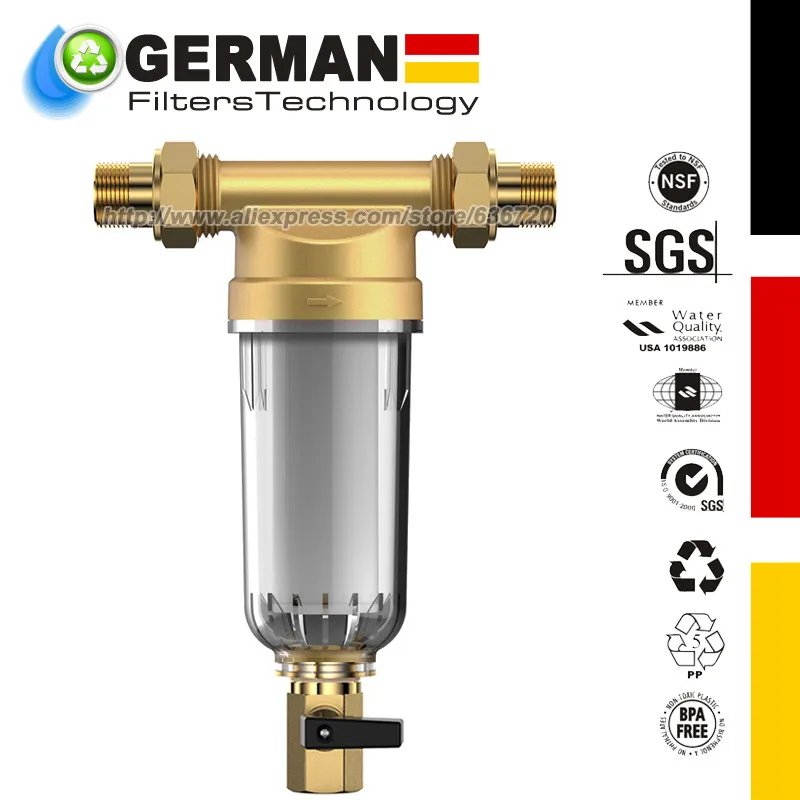
This spindown pre-filter is a different beast. It’s reusable—you just flush it out. The 40-micron screen is coarse, meant to catch big particles like sand. It’s a great first stage before a finer sediment filter or a whole-house system. The brass construction feels sturdy for the price.
- Reusable, no replacement cartridges
- High flow rate (4000L/H)
- Solid brass build
- Only removes large sediment
- Requires manual flushing
AO Smith Filter FAQ
- How long do AO Smith filters last?
- Most under-sink Claryum cartridges are rated for 6 months or about 200-350 gallons. Whole-house sediment filters vary more, often lasting 3-6 months depending on your sediment load. Always check the specific model’s specs.
- Are AO Smith filters worth the money?
- If you need broad contaminant reduction certified to NSF standards, yes. You’re paying for verified performance. If you only care about chlorine taste, a cheaper carbon block might suffice. It depends on your water report.
- Can AO Smith filters remove bacteria or viruses?
- No. Their residential Claryum filters are not certified for microbiological purification. For that, you need UV treatment or absolute sub-micron filtration. They are for chemical and heavy metal reduction.
- Do I need a plumber to install an under-sink model?
- Not necessarily. If you’re comfortable basic plumbing (connecting to the cold water line, drilling a hole for a faucet), it’s a 1-2 hour DIY job. But if you’re unsure, hiring a pro is smart to avoid leaks.
- What’s the difference between Claryum and Reverse Osmosis?
- Claryum uses carbon and ion exchange to reduce contaminants while keeping minerals. Reverse Osmosis uses a membrane to remove almost everything, including minerals, producing “flat” tasting water. RO is more thorough but wastes water and demineralizes.
Final Thoughts
AO Smith water filters are a dependable choice for homeowners who want certified contaminant reduction without the hassle of a full RO system. Their Claryum technology hits a sweet spot for municipal water users worried about a wide range of chemicals and heavy metals. We particularly like their under-sink models for everyday drinking water.
Our top recommendation for most people is the under-sink Claryum system. It offers the best balance of performance, flow rate, and mineral retention. Just be honest about your water quality first—if you have sediment issues, start with one of their whole-house pre-filters. And remember, no single filter solves every problem. Match the tool to the job.
