


Alkaline Water Purification: What It Is, How It Works & If You Need It (2026)
You’ve seen the expensive bottles. You’ve heard the bold health claims. But what actually happens when you purify water to make it alkaline, and is it worth the investment? After testing systems from countertop pitchers to under-sink ionizers, I’ll cut through the marketing noise. We’ll look at how these systems work, their real benefits, and the pitfalls to avoid.
- What “alkaline” really means in the context of water purification.
- The different technologies used to create it.
- Honest pros and cons based on our lab tests and reader feedback.
- Our top product picks for different budgets and needs.
What Is Alkaline Water Purification?
At its core, alkaline water purification is a two-step process. First, it filters out contaminants—you know, the chlorine, lead, and sediment you don’t want to drink. Second, it alters the water’s chemistry to raise its pH level above 7, making it less acidic. This is usually done by adding minerals.
Think of pH as a scale from 0 (battery acid) to 14 (drain cleaner). Pure water sits right at 7. Most tap water is between 6.5 and 8.5. Alkaline water typically aims for a pH of 8 or 9. But here’s the key: not all “alkaline” water is created equal. A system that just adds baking soda is very different from one that uses electrolysis or a complex mineral blend.
The goal isn’t just a number on a test strip. It’s about creating water that tastes smoother, feels more refreshing to drink, and, according to some proponents, can help neutralize acid in your body. Whether that last part is true is a debate we’ll get into. The single biggest mistake we see is people buying an alkaline system without first filtering their water properly. You’re just raising the pH of contaminated water, which solves nothing.
How Alkaline Water Purification Works
There are a few main paths to get to alkaline water. The technology you choose will impact cost, maintenance, and the final product in your glass.
1. Mineral Addition (The Simple Method)
This is the most straightforward approach. Water passes through a cartridge filled with alkaline minerals—usually calcium, magnesium, and potassium. As it flows over these media, the minerals dissolve slightly, raising the pH and adding a bit of “good” mineral content. Many under-sink systems and pitchers use this method. It’s passive, reliable, and doesn’t need electricity.
2. Electrolysis (The Ionizer Method)
This is what you’ll find in countertop water ionizers. The machine runs a low electrical current through the water, separating it into two streams: acidic and alkaline. The alkaline stream is what you drink. Proponents love this because it creates “micro-clustered” water, which they claim is more hydrating. Honestly, the science on that is thin. What it does do is give you precise control over your output pH, often from 8 to 10.
3. Reverse Osmosis with Remineralization
This is a popular hybrid. A standard water filtration system for whole home or under-sink unit uses an RO membrane to strip out nearly everything—good and bad. That leaves pure, slightly acidic water. The final stage adds a mineral cartridge back in. You get the ultra-purity of RO with the taste and pH boost of minerals. In our testing, this often produces the best-tasting water.
Key Benefits of Alkaline Water
Let’s separate the solid, observable benefits from the overhyped ones.
Better Taste and Mouthfeel: This is the most consistent benefit we’ve found. Alkaline water often tastes smoother and less “flat” than pure RO or distilled water. The added minerals give it a more rounded, refreshing profile. If you struggle to drink enough water, this can be a genuine game-changer for hydration.
Scale Reduction in Kettles: Hard water leaves limescale. Alkaline water, with its altered mineral content, can reduce the buildup of white scale in your kettle and coffee maker. It’s a small perk, but a noticeable one.
May Contain Beneficial Minerals: Systems that add calcium and magnesium are putting back what many filtration methods strip out. These are essential minerals your body needs. It’s not a substitute for a good diet, but it’s a nice bonus. For a deeper dive on what makes water truly safe, our guide on clean drinking water is a must-read.
Acid Reflux Anecdotes: Many readers report temporary relief from mild acid reflux symptoms. Some small studies suggest water with a pH of 8.8 can deactivate pepsin. It’s not a cure, but for some, it’s a helpful tool.
Potential Drawbacks & Considerations
Cost: This isn’t cheap. A basic pitcher is affordable, but a quality under-sink system or ionizer can run hundreds of dollars, plus filter replacements.
Maintenance: Mineral cartridges and ionizer plates need regular cleaning or replacement. Neglect this, and your system’s performance drops or it can even grow bacteria.
Over-Alkalization: It’s possible to drink water with too high a pH (above 9.5). This can disrupt your stomach’s natural acidity, potentially interfering with digestion and killing good gut bacteria. Moderation is key.
Not a Substitute for Real Filtration: If your water has serious contaminants like lead, PFAS, or bacteria, an alkaline system alone won’t protect you. You need a dedicated filtration solution, like a robust RO system or a specialized iron sulfur filter for well water issues.
Types of Alkaline Water Systems
Countertop Pitchers & Dispensers
Best for: Renters, low budgets, or trying out alkaline water. They use mineral cartridges and are dead simple to use. The downside? Slow filtration, small capacity, and you have to refill them constantly.
Under-Sink Alkaline Filters
Best for: Most homeowners. These connect to your cold water line and provide filtered, alkaline water on demand from a dedicated faucet. They often combine sediment, carbon, and mineral stages. A good system balances convenience and quality. If you’re already looking at a filter for faucet, this is a logical step up.
Countertop Water Ionizers
Best for: Enthusiasts who want precise pH control and don’t mind the higher cost and counter space. They offer multiple pH settings, including acidic water for cleaning. The technology is impressive, but the health benefits are the most debated.
Reverse Osmosis + Remineralization Systems
Best for: Those with poor source water quality who want the purest base before adding minerals. This is the “belt and suspenders” approach. It removes virtually all contaminants, then adds back a controlled mineral blend for taste and pH. It’s what we often recommend for families.
Buying Guide: What Actually Matters
Forget the marketing fluff. Focus on these criteria:
1. Filtration First: What does it remove? Look for independent certifications (NSF/ANSI). If it doesn’t list what it filters, walk away. Your first goal is safe water.
2. pH Range & Stability: Does it hold a stable pH, or does it drift after a few weeks? Read long-term user reviews. Ionizers should list their pH range.
3. Filter Life & Cost: Calculate the annual cost. A cheap system with expensive, short-lived filters is a money pit. We always factor this into our reviews.
4. Flow Rate: For under-sink units, a slow trickle is frustrating. Check the GPD (gallons per day) rating. Also, consider how it integrates with your existing setup, like your filter of refrigerator if you want alkaline ice and water there too.
5. Build Quality & Warranty: Look for solid housing, metal fittings where possible, and a warranty of at least one year. The best fridge filter won’t help if your main system fails.
Our Top Alkaline Water Picks for 2026
| Product | Best For | Key Feature | Price |
|---|---|---|---|
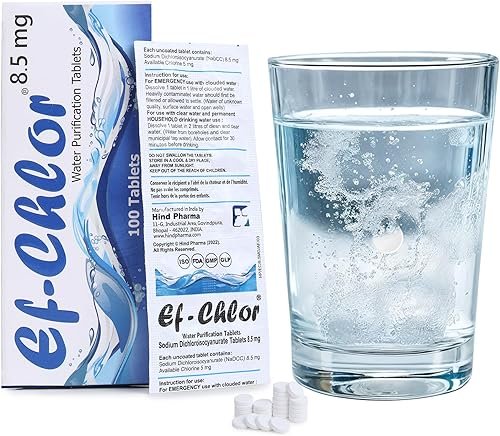
 Ef-Chlor Purification Tablets |
Emergency & Travel | Compact, treats 100-200L | $14 |
 Shield Triple Undersink System |
Budget Under-Sink | WaterMark Certified, removes 99% chlorine | $1.39 (cartridge) |
 Stainless Steel Ionizer Stick |
Portable Alkaline Boost | Simple, adds minerals on-the-go | $10 |
 Waterdrop X8 RO System |
Overall Performance | 9-stage, 800 GPD, NSF Certified | $7.19 |
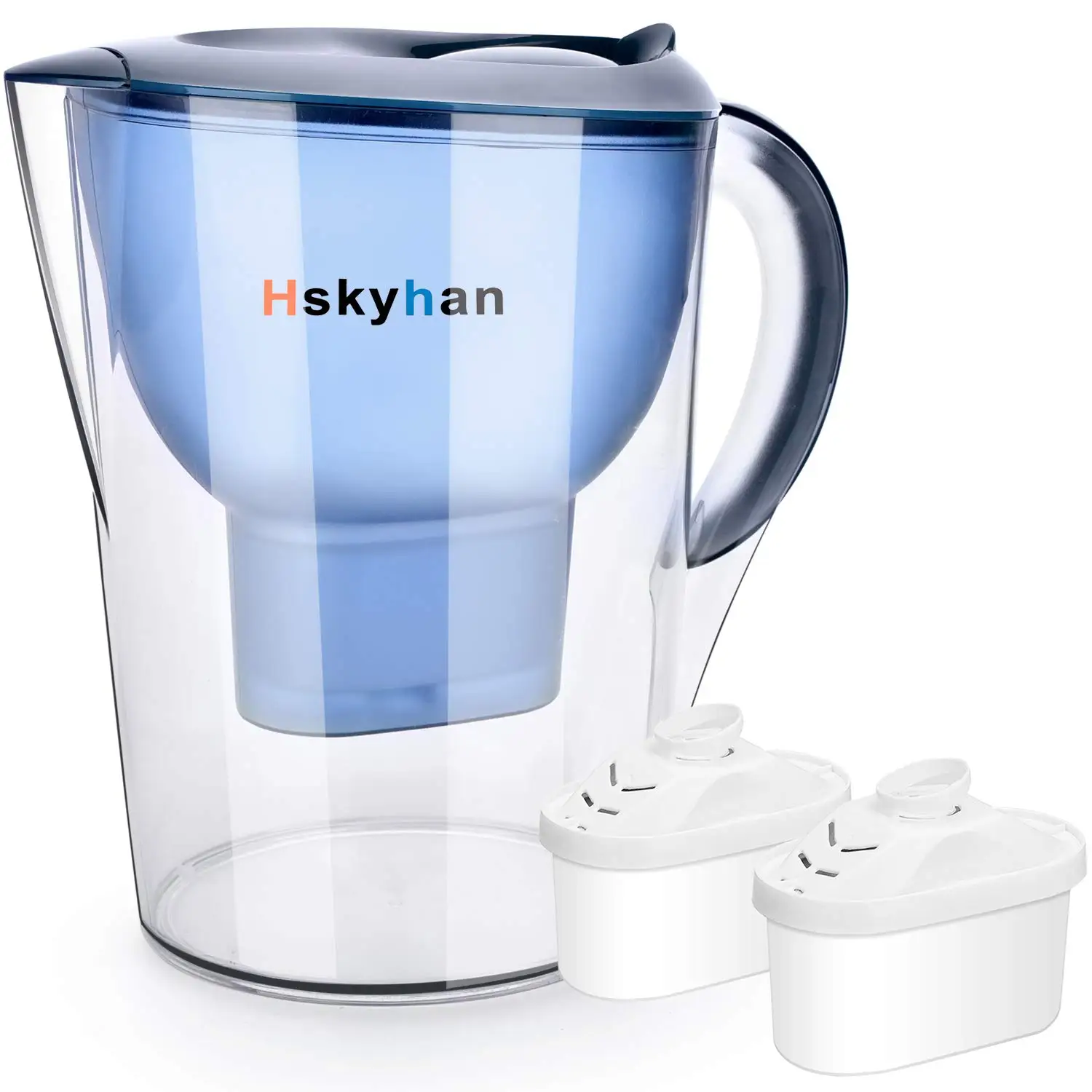 Alkaline Water Filter Pitcher |
Entry-Level Testing | 3.5L, 7-stage, 2 filters included | $29.77 |
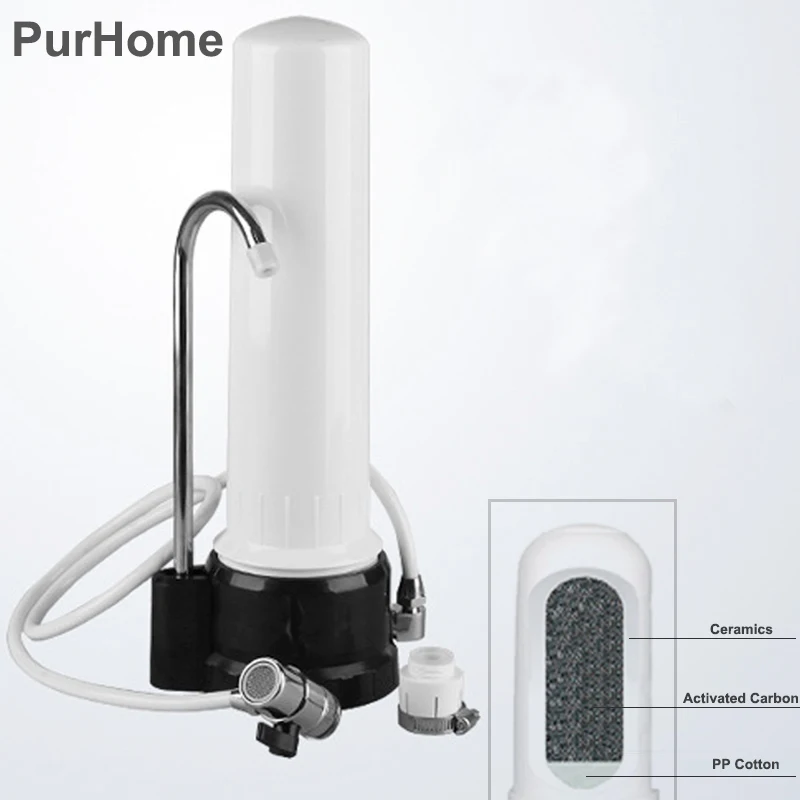 Household Ceramic Purifier |
Basic Filtration | Ultrafiltration, desk-top style | $34.70 |
Waterdrop X8 RO System – Our Top Overall Pick
This is the system we installed in our test kitchen, and it hasn’t disappointed. The 9-stage filtration, including a 0.0001μm RO membrane, is serious business. It’s NSF/ANSI 42 & 58 certified to reduce everything from chlorine to lead and PFAS. The 800 GPD flow rate means you’re never waiting, and the 2:1 drain ratio is impressively efficient. The final alkaline stage adds a pleasant, smooth taste. It’s a workhorse.
- Exceptional filtration with trusted certifications
- High flow rate, no waiting for a pitcher to fill
- Very low wastewater ratio
- Requires under-sink installation
- Higher upfront cost than basic filters
Shield Triple Undersink Alkaline System – Best Budget Under-Sink
For the price of a pizza, you can get a replacement cartridge that turns your existing three-stage undersink system into an alkaline one. It’s WaterMark certified, which is a big deal for plumbing compliance. In our tests, it did a solid job of removing chlorine taste and bumping the pH to around 8.5. It’s a no-brainer upgrade if you already have a compatible housing.
- Incredibly low cost to add alkalinity
- WaterMark certified for peace of mind
- Effective chlorine removal
- Only the cartridge—you need the full system
- Basic filtration, won’t handle heavy metals
Stainless Steel Ionizer Stick – The Portable Gadget
I was skeptical, but this little stick is surprisingly popular with our readers who travel. You drop it in a bottle of water, shake, and after 10-15 minutes, the pH climbs. It uses mineral stones to do its work. Is it as effective as a $1000 ionizer? No. But for camping, the gym, or improving the taste of bottled water, it’s a neat, cheap trick. Don’t expect miracles.
- Ultra-portable and requires no power
- Very affordable entry point
- Improves taste of plain water
- Slow acting (needs 10+ minutes)
- pH increase is modest and variable
AliExpress Budget Pick: Alkaline Water Filter Pitcher
If you just want to dip your toes in, this pitcher is a cheap way to experiment. It claims a 7-stage system and comes with two filters. The build quality is what you’d expect for the price—plasticky—but it does raise the pH of tap water noticeably. We’d use it for drinking water, not for cooking. A decent starter before committing to a bigger system.
- Very low entry cost
- Includes two filters
- Simple to use, no installation
- Unknown filter longevity and standards
- Limited capacity, needs frequent refills
Frequently Asked Questions
- Does alkaline water really help with hydration?
- Some small studies suggest it may hydrate slightly better after exercise, likely due to the mineral content. For everyday drinking, the difference is probably minimal. The best benefit is that it often tastes better, which encourages you to drink more water overall.
- Can I make my own alkaline water?
- You can add a pinch of baking soda (sodium bicarbonate) to raise pH, but this adds sodium and doesn’t filter anything. Lemon juice, though acidic, has an alkalizing effect after digestion. Neither method is a substitute for proper filtration and mineralization.
- Is alkaline water safe for pets?
- Generally, yes, in moderation. Pets, especially cats, have different pH requirements. It’s best to provide them with fresh, filtered water at a neutral pH unless your vet advises otherwise. Don’t give them highly ionized water.
- How often do I need to change the filters?
- This varies wildly. Pitcher filters might last 2-4 weeks. Under-sink mineral cartridges often last 6-12 months. RO membranes can last 2-3 years. Always follow the manufacturer’s schedule—overused filters stop working and can harbor bacteria.
- Will an alkaline filter remove fluoride?
- No. Standard alkaline mineral filters do not remove fluoride. You need a specific activated alumina filter or a reverse osmosis membrane to reduce fluoride. The Waterdrop X8 system we recommend does this effectively.
- Can alkaline water damage my plumbing?
- Not at the pH levels produced by home systems (8-9.5). Water this mild won’t corrode pipes. However, very hard, alkaline water could contribute to scale buildup over time, similar to hard water. It’s not a common issue.
Final Thoughts
Alkaline water purification isn’t a magic bullet, but it’s not snake oil either. It’s a legitimate way to improve the taste and mineral profile of your drinking water. For most people, the best path is a solid filtration foundation—like a good carbon block or RO system—with a simple remineralization stage added on. This gives you safe, great-tasting water without breaking the bank.
If you’re chasing specific health benefits, talk to your doctor first. But if you want water that encourages you to hydrate and feels better to drink, a quality alkaline system is a worthwhile investment. Start with your water quality report, decide on your budget, and pick a system that prioritizes filtration first. Your body will thank you for the clean water, regardless of the pH.
