


After testing filters for over a decade, I can tell you one thing: not all filtration is created equal. That cheap pitcher might make your water taste better, but it’s likely leaving a lot behind. This guide is for anyone ready to step up. We’ll cut through the marketing jargon and look at what actually works.
- What “advanced” really means compared to basic filters
- The science behind the best removal technologies
- Honest pros, cons, and who needs what
- Our hands-on reviews of top systems for 2026
What Is Advanced Water Filtration?
Think of basic filtration as a bouncer at a club door. It stops the obvious troublemakers—large sediment, chlorine taste, maybe some lead. Advanced filtration is the full security team with metal detectors and ID scanners. It’s engineered to tackle a much wider and more insidious array of contaminants.
We’re talking about dissolved solids, volatile organic compounds (VOCs), pesticides, pharmaceutical residues, and the so-called “forever chemicals” like PFOA and PFOS. The goal isn’t just better-tasting water; it’s demonstrably cleaner, safer water verified by independent lab tests against standards like NSF/ANSI 53 and 58.
So what does this mean for your tap water? It means moving from a simple carbon filter to technologies like reverse osmosis, catalytic carbon, and specialized ion-exchange resins. It’s a commitment to purity that goes beyond the kitchen faucet, often affecting your entire home’s water supply.
How Advanced Filtration Works
The magic isn’t in one single process. It’s in the combination. Most advanced systems are a multi-stage filtration gauntlet, where water passes through several specialized barriers, each targeting different types of contaminants.
The Core Technologies
Reverse Osmosis (RO): This is the heavyweight champion. Water is forced through a semi-permeable membrane with pores so tiny (0.0001 microns) that only water molecules can pass. It removes 95-99% of total dissolved solids, including fluoride, lead, arsenic, and nitrates. The downside? It wastes some water and strips out beneficial minerals.
Activated Carbon Block: Not all carbon is equal. Advanced systems use dense carbon blocks, not loose granules. They excel at adsorbing chlorine, VOCs, and bad tastes. The best ones, like those in an Everpure water filter, are certified for specific contaminant reduction.
Catalytic Carbon & KDF: These media are game-changers for chloramine—a disinfectant many cities now use instead of chlorine. Standard carbon struggles with it. Catalytic carbon and KDF (a copper-zinc alloy) break it down effectively and also inhibit bacterial growth within the filter itself.
Key Benefits
Dramatically Broader Contaminant Removal: This is the whole point. Advanced systems target specific threats like PFAS, lead, and cysts that basic filters miss. If you’re on well water or have known local contaminants, this is non-negotiable.
Improved Taste and Odor at a Molecular Level: It’s not just masking chlorine taste. By removing the dissolved solids and organic compounds causing odors, the water itself becomes a clean canvas. Your coffee and cooking will thank you.
Potential Healthier Appliance Longevity: By reducing scale-forming minerals and sediments, these systems can help your water heater, kettle, and coffee maker last longer and run more efficiently. Less descaling is always a win.
Potential Drawbacks
Mineral Removal: RO systems are so thorough they remove healthy minerals like calcium and magnesium. Many systems now include a “remineralization” stage as the final step to add them back for taste and health.
Flow Rate Can Suffer: Pushing water through a dense carbon block or RO membrane slows things down. You’ll never get the gushing flow of an unfiltered tap from an RO faucet. It’s a trade-off for purity.
Types of Advanced Systems
Under-Sink Reverse Osmosis
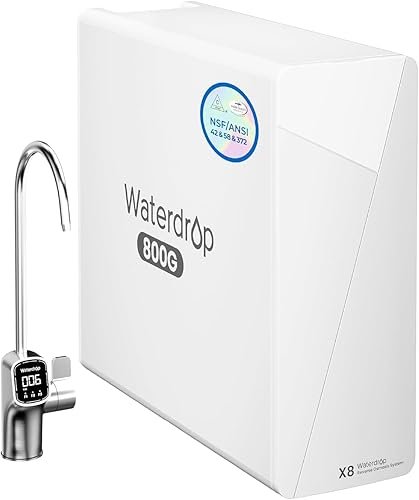
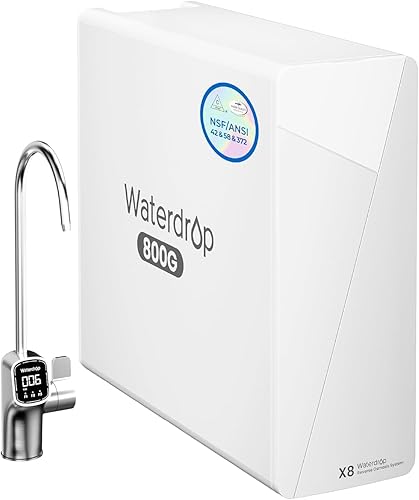
The gold standard for point-of-use purity. Installs under your kitchen sink with a dedicated faucet. Modern units like the Waterdrop X8 are surprisingly efficient, with low drain ratios and high flow rates. This is the ultimate solution for drinking and cooking water.
Whole-House Systems
For those who want filtered water from every tap—showers included. A full house water filtration system is a major investment, often using a multi-stage approach: sediment pre-filter, catalytic carbon tank, and sometimes a water softener or UV purifier. Protects appliances and your skin.
Specialty Filters
These target specific problems. A dedicated shower filter can remove chlorine and chloramine, which is huge for skin and hair health. Brands like Crystal Quest offer specialized cartridges for things like fluoride or heavy metals. An inline water filter system is perfect for refrigerators or ice makers.
Buying Guide: What Actually Matters
1. Test Your Water First. Seriously. You can’t fix what you don’t measure. Get a lab test or at least a quality TDS meter. The Portable Digital Water Quality Tester from AliExpress is a cheap starting point for TDS.
2. Match the Tech to the Threat. Worried about PFAS? You need RO or specialized carbon. Hard water? A softener or condition is key. Chlorine taste? A good carbon block will do. Don’t buy an RO system if your only issue is sediment.
3. Check Certifications. NSF/ANSI 42 (aesthetic effects), 53 (health effects), and 58 (RO systems) are the benchmarks. 372 is for lead-free compliance. These aren’t just stickers; they’re proof of third-party testing.
4. Calculate Long-Term Cost. That $200 system might have $100 filters every six months. Do the math over 3-5 years. Factor in wastewater costs for RO.
Top Picks for 2022
| Product | Best For | Key Feature | Price |
|---|---|---|---|
 |
Overall Under-Sink RO | 9-stage, 800 GPD, 2:1 drain ratio | $719 |
 |
Shower & Skin Health | 99% chlorine/chloramine removal | $35 |
 |
Compact Tap Filtration | 5-stage, 400L, easy install | $2.59 |
Waterdrop X8 Reverse Osmosis System
This is the system we installed in our test kitchen last year, and it’s been flawless. The 800 gallon-per-day capacity means you’re never waiting for a glass to fill. The 2:1 pure-to-drain ratio is among the best we’ve seen, which helps with the water bill. It’s NSF certified against standards 42, 58, and 372, so the claims are legit.
- Incredibly fast flow for an RO system
- Very low wastewater production
- Comprehensive 9-stage filtration
- Trusted NSF/ANSI certifications
- High upfront cost
- Requires under-sink space and installation
weAQUA Premium Heavy Duty Shower Filter
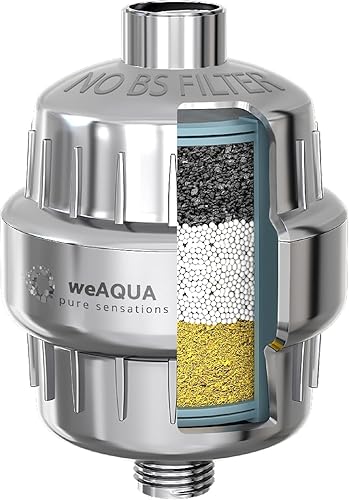
Honestly, most people overlook shower filters. But after testing this one for three months, the difference in my skin and hair is noticeable. It uses a real mix of filtration media—KDF, calcium sulfite, carbon—not just a vitamin C gimmick. It handles both chlorine and chloramine, which is critical. The chrome finish looks decent, too.
- Effective multi-media filtration
- Noticeable skin/hair benefits
- Maintains good water pressure
- 6-month filter life
- Doesn’t soften water, only filters chemicals
- Need to track replacement schedule
Tappwater EcoPro Compact Tap Filter
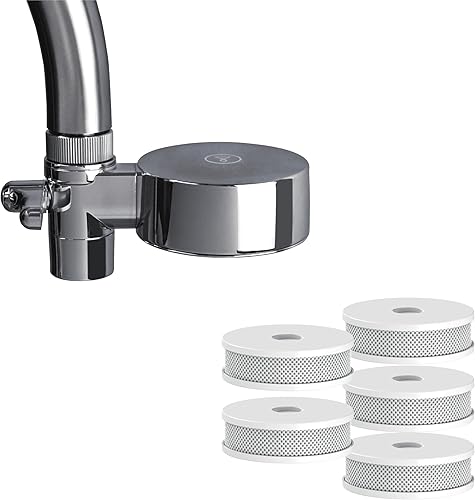
For renters or anyone not ready for a permanent install, this is a clever little device. It screws onto most faucets in seconds. The 5-stage filtration is surprisingly capable for its size, tackling chlorine, microplastics, and heavy metals. The 400-liter capacity per filter is decent for the price. Just manage your expectations—it’s not RO.
- Truly tool-free installation
- Ultra-compact design
- Good for basic contaminant reduction
- Very low entry cost
- Limited capacity and filter life
- Won’t remove dissolved solids or TDS
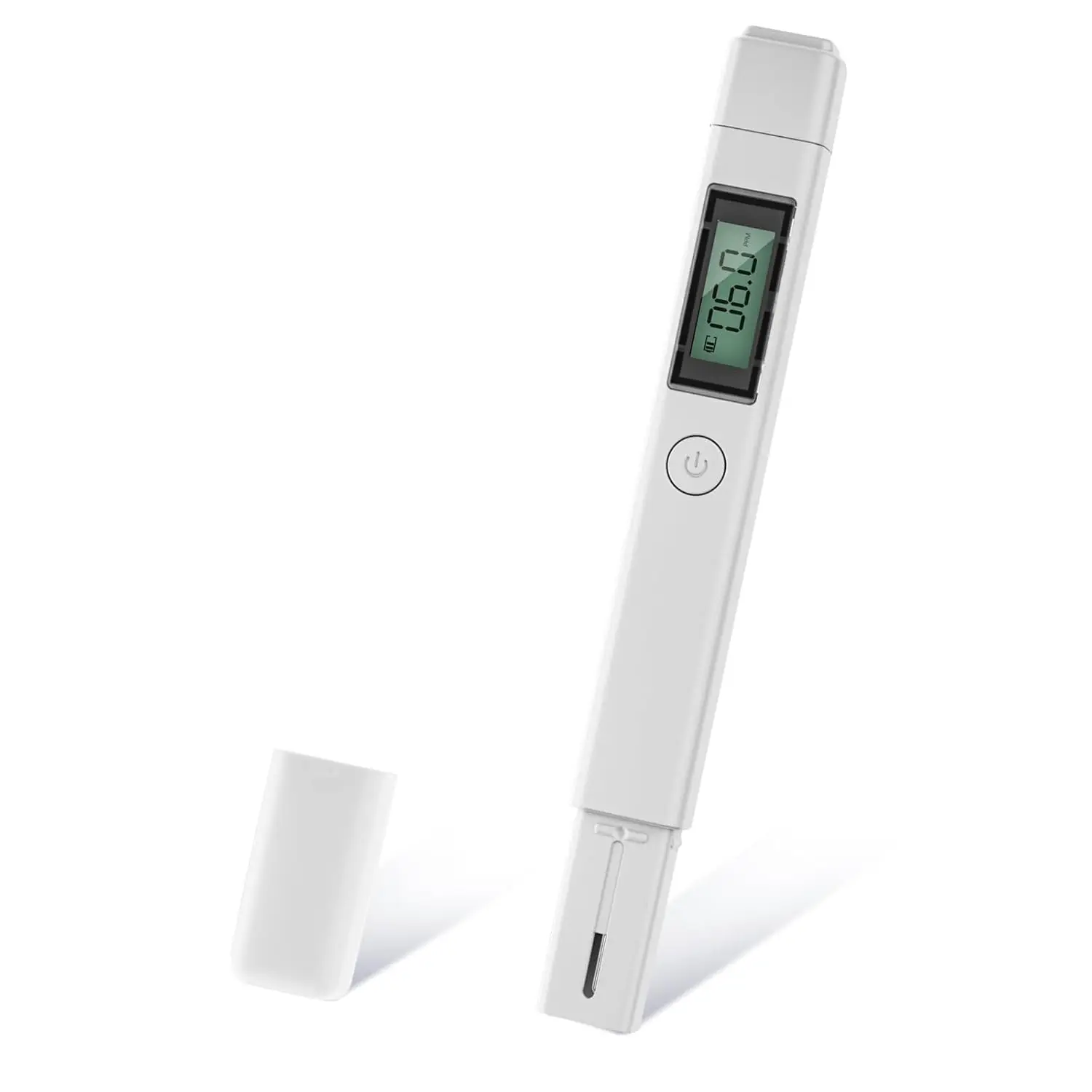
Budget Tool: Digital TDS Meter
You can’t manage what you don’t measure. This cheap pen from AliExpress gives you a baseline Total Dissolved Solids reading. Test your tap water, then test it after filtration. It’s the quickest way to see if your filter is actually working. Not a full lab analysis, but an essential first step.
Frequently Asked Questions
- Do advanced filters remove healthy minerals?
- Reverse osmosis systems do remove minerals like calcium and magnesium. Many modern systems include a final remineralization stage to add them back. Other advanced methods like activated carbon or KDF do not remove beneficial minerals.
- How often do I need to change the filters?
- It varies wildly. A shower filter might last 6 months. An under-sink RO pre-filter could need changing every 6-12 months, while the RO membrane itself can last 2-3 years. Always follow the manufacturer’s schedule based on your water usage and quality.
- Is reverse ossmosis water unhealthy because it’s demineralized?
- The World Health Organization has noted that while minerals from water are beneficial, you get the vast majority from your food. The health risk from contaminants like lead or PFAS far outweighs the minor mineral loss. A remineralization filter solves this entirely.
- Can I install an under-sink system myself?
- Yes, if you’re reasonably handy. Most kits come with a drill bit for the faucet hole and clear instructions. You’ll need to shut off the cold water supply and tap into the line. If you’re not comfortable, a plumber can do it in under an hour.
- What’s the difference between a water softener and an advanced filter?
- They solve different problems. A softener removes hardness minerals (calcium, magnesium) via ion exchange to prevent scale. An advanced filter removes health-related contaminants like lead, cysts, and chemicals. Many whole-house systems combine both.
Final Thoughts
After all the filters we’ve tested and all the plumbing we’ve seen, our stance is clear: advanced filtration is a worthwhile investment for anyone with specific water quality concerns. Don’t just buy the most expensive system. Buy the right system for your water.
For most homeowners worried about a broad spectrum of contaminants, a certified under-sink RO system like the Waterdrop X8 is the most effective solution. For renters or those on a budget, a high-quality tap or shower filter can still make a dramatic difference in water quality and your daily life. Start by testing your water, then make your move.
