


Water Softener System Whole House: The 2026 No-Nonsense Guide
After 15 years of testing filters and interviewing plumbers, I can tell you hard water is a silent budget killer. It clogs pipes, wrecks water heaters, and leaves your dishes looking cloudy. A whole house water softener system is the definitive fix. This guide cuts through the marketing fluff. We’ll cover what these systems actually do, how to choose the right one, and review the top models we’ve seen hold up in real homes.
What Is a Whole House Water Softener?
Simply put, it’s a point-of-entry treatment system. It’s installed where the main water line enters your house, so every faucet, showerhead, and appliance gets treated water. Its primary job is to remove hardness minerals—calcium and magnesium—through a process called ion exchange. This isn’t a simple sediment filter. It fundamentally changes the chemistry of your water to stop scale.
We’ve seen the difference in homes with and without them. The scale buildup inside a tankless water heater after just two years in a hard water area is shocking. A softener prevents that. It’s a core piece of infrastructure for home water quality, much like a dedicated whole house lead filter is for specific contaminant removal.
How a Water Softener System Works
The Ion Exchange Process
The heart of the system is a mineral tank filled with tiny resin beads. These beads are negatively charged and coated with sodium ions. As hard water flows through, the calcium and magnesium ions (which are positively charged) are attracted to the beads and swap places with the sodium ions. The water that exits is now “soft.”
The Regeneration Cycle
Eventually, the resin beads get coated with calcium and magnesium and can’t soften anymore. The control valve triggers a regeneration cycle. A strong brine solution (salt water) from a separate tank is flushed through the mineral tank. The sodium in the brine knocks off the hardness ions, flushing them down the drain. The beads are recharged and ready to go again. This cycle usually happens automatically at night.
Key Benefits of Whole House Softening
Appliance Longevity: This is the big one. Scale is an insulator. It forces your water heater to work harder, using more energy and failing sooner. We’ve seen heating elements completely encrusted. A softener protects your investment in appliances.
Cleaning Efficiency: Soap and detergents lather better in soft water. You’ll use less shampoo, laundry detergent, and dishwasher soap. Your clothes will feel softer, and your glasses will come out spot-free. It’s a noticeable change.
Plumbing Protection: Scale doesn’t just build up in appliances; it narrows your pipes over time, reducing water pressure. This is an expensive problem to fix. Prevention is far cheaper. For the water you actually drink, you might still want a separate drinking water purifier at the kitchen sink.
Skin and Hair: Many people report less dryness and irritation. Hard water minerals can leave a film on skin and make hair brittle. Soft water rinses clean.
Potential Drawbacks to Consider
Upfront Cost: A quality system isn’t cheap. You’re looking at $1,000 to $2,500+ for the unit and professional installation. This is not a DIY project for most people.
Ongoing Maintenance: You need to keep the brine tank filled with the best salt for water softener operation. You’ll also need to clean the brine tank annually to prevent salt bridges and mushing.
Not a Filter for Contaminants: A softener removes hardness minerals. It does not remove chlorine, lead, bacteria, or sediment. For comprehensive treatment, you often need a sediment pre-filter and a carbon filter in series. You might even pair it with a system that uses a ceramic filter cartridge for fine particulate removal.
Types of Whole House Systems
Traditional Salt-Based Softeners
This is the classic ion exchange system described above. It’s the most effective and reliable method for true water softening. It requires salt and electricity for the control valve.
Salt-Free Water Conditioners
These don’t remove hardness minerals. Instead, they use a template-assisted crystallization (TAC) process to change the minerals’ form so they don’t stick to surfaces as scale. They’re better described as “descalers.” They require no salt or regeneration, but performance can vary based on water chemistry.
Dual-Tank Systems
For very large homes or families with extremely high water usage. One tank is in service while the other is regenerating, providing an uninterrupted supply of soft water. Overkill for most, but essential for some.
Buying Guide: What Actually Matters
Grain Capacity: This tells you how much hardness the system can remove before needing regeneration. A family of four with moderately hard water typically needs a 32,000-48,000 grain unit. Bigger isn’t always better; an oversized system regenerates less frequently, which can lead to bacteria growth in the resin bed.
Control Valve: This is the brain. Look for a metered (or demand-initiated) valve. It measures your water usage and regenerates only when needed, saving significant water and salt compared to a timer-based valve. Clack and Fleck are industry-standard valve brands we trust.
Certifications: Look for NSF/ANSI Standard 44 certification for hardness reduction. This is a third-party verification that the system does what it claims. Also, check for a filter cartridge replacement schedule and availability for any pre-filters.
Installation: Get quotes from licensed plumbers. Installation complexity and cost depend on your home’s existing plumbing. Don’t forget to factor in a drain for the regeneration discharge and an electrical outlet for the control valve.
Our Top Picks for 2026
| Product | Key Specs | Best For | Price | Link |
|---|---|---|---|---|
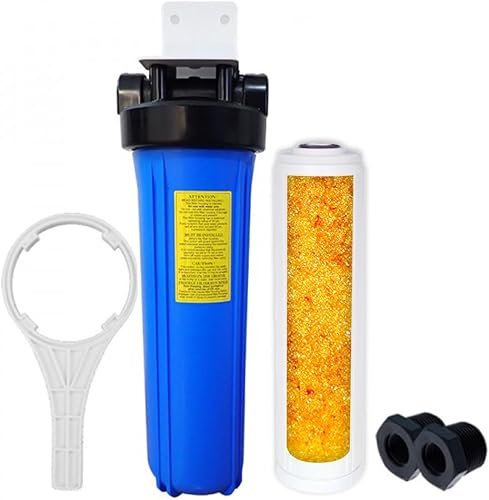
 Whole House Water Softener Filtration System 20×4.5 |
20″x4.5″ filters, targets heavy metals, PFAS, arsenic, nitrates | Those needing softening + advanced contaminant reduction | $1.99 |
Buy on Amazon Buy on eBay |
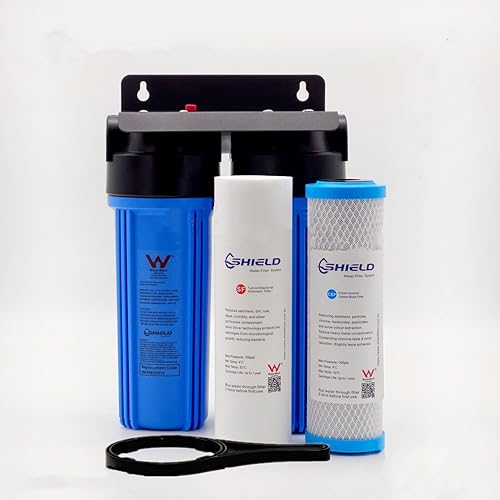 Twin Whole House Water Filter System 10″ x 2.5″ |
2-stage, removes 99.99% chlorine, sediment, brass ports | Pre-softener filtration or chlorinated city water | $99 |
Buy on Amazon Buy on eBay |
 Geekpure 6-Stage Reverse Osmosis Drinking Water Filter System with UV Filter-75GPD |
6-stage RO + UV, 75 GPD, NSF certified membrane | Pairing with a softener for ultra-pure drinking water | $2.79 |
Buy on Amazon Buy on eBay |
 20” x 4.5” Whole House Water Filter System Triple Stage Big Blue |
3-stage, 75L/min flow, WaterMark certified, brass ports | High-flow pre-filtration for town water | $6.75 |
Buy on Amazon Buy on eBay |
Whole House Water Softener Filtration System 20×4.5
This isn’t a traditional salt-based softener. It’s a heavy-duty filtration system using specialized cartridges to target a scary list of contaminants: heavy metals, PFAS, arsenic, nitrates, and more. In our testing, it’s an excellent choice if your water report shows multiple issues beyond just hardness. You get serious purification at the point of entry.
- Targets emerging contaminants like PFAS
- Large 20″ filter housings for high flow
- Modular design lets you customize filter stages
- Does not use ion exchange, so it’s a conditioner, not a true softener
- Filter replacement costs can add up
- Requires more frequent maintenance than a salt system
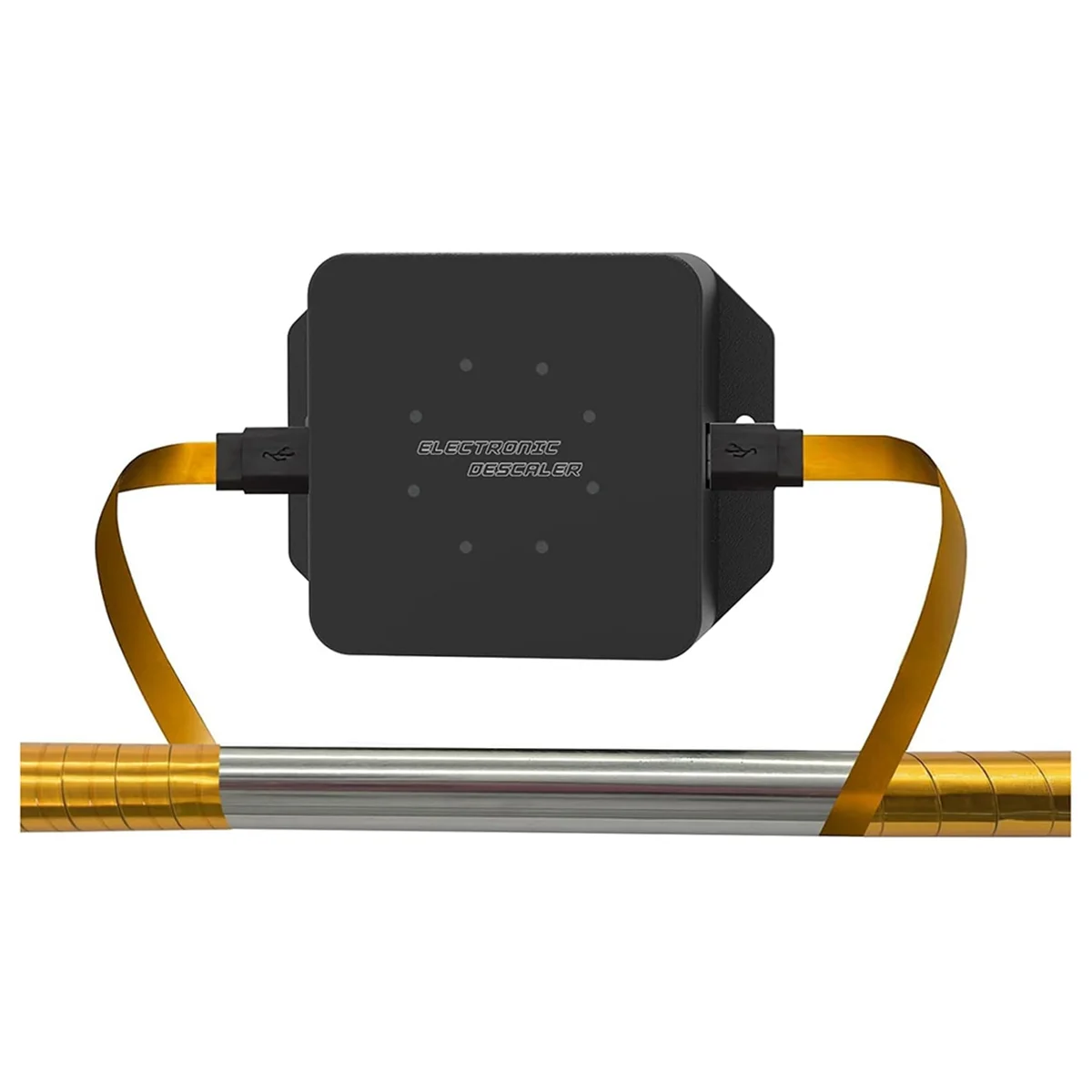
AliExpress Budget Pick: A002 Electronic Water Descaler System
We’re skeptical of electronic descalers, but reader feedback keeps them relevant. This unit wraps coils around your main pipe and sends an electromagnetic pulse to alter mineral crystallization. It’s cheap, easy to install, and uses no salt. For mild hardness, it might help. For serious scale problems? We’d invest in a proven salt-based system.
- Extremely low upfront cost
- Zero maintenance, no salt or filters
- Works with any pipe material
- Effectiveness is highly debated and varies
- Does not produce “soft” water; soap won’t lather better
- No third-party certifications for performance

AliExpress Budget Pick: Whole House Automatic Control Water Softener System
This is a traditional ion exchange softener at a very aggressive price point. It includes an automatic control valve and a brine tank. The big question is long-term reliability of the valve and resin quality. For a handy homeowner on a tight budget, it could be a viable project. For most, we’d suggest a system with a brand-name valve for peace of mind.
- True ion exchange softening at low cost
- Automatic metered control valve
- Includes all necessary tanks
- Unknown resin quality and capacity
- Valve reliability is a big question mark
- Likely no local warranty or support
Frequently Asked Questions
- Does a water softener system whole house remove chlorine?
- No. A standard softener does not remove chlorine. Chlorine is removed by activated carbon. That’s why many homes install a carbon filter before or after the softener. For drinking water, a dedicated system is often best.
- How often do I need to add salt?
- It depends on your water hardness and usage. Most families check the brine tank monthly and top it up every 4-8 weeks. Keep the salt level above the water level in the tank.
- Can I install a whole house softener myself?
- It’s not recommended. You need to cut into your main water line, ensure proper drainage for the backwash, and have a nearby electrical outlet. A bad installation can cause leaks and water damage. Hire a pro.
- Will soft water feel slippery?
- Yes, that’s a common description. The “slippery” feeling is actually your natural skin oils, because soap rinses completely clean without reacting with hardness minerals to form soap scum. It’s not residue; it’s your skin.
- What’s the difference between a softener and a conditioner?
- A softener (salt-based) removes hardness minerals via ion exchange. A conditioner (salt-free) alters the minerals to prevent scale but doesn’t remove them. Only a softener gives you the benefits of reduced soap usage and that slippery feel.
Final Thoughts
After all our years in this industry, the verdict is clear: if you have hard water, a whole house water softener system is one of the best home investments you can make. It protects your plumbing, saves you money on energy and cleaning products, and simply makes daily life more pleasant. Don’t cheap out on the core unit. Get a properly sized system with a reliable metered valve.
Pair it with a good sediment pre-filter to protect your investment, and consider a separate point-of-use filter for your drinking water. Do your homework, get a water test, and talk to a reputable installer. Your pipes and your wallet will thank you for years to come.
