


Best Reverse Osmosis Systems for Whole House Filtration (2026)
I’ve spent years testing filters and talking to plumbers. Here’s the truth: finding the best reverse osmosis system for your entire house is tricky. This guide cuts through the marketing. We’ll look at real-world options, what actually works, and how to choose without wasting money.
- What “whole house RO” really means for your budget
- How these systems work and where they fail
- Our top tested picks for under-sink and countertop use
- A clear buying guide to match your water quality
What Is a Whole House Reverse Osmosis System?
Let’s get one thing straight. A true, high-capacity reverse osmosis system treating every tap in your home is a major investment. We’re talking thousands of dollars, a dedicated utility space, and significant water waste. Honestly, most homeowners don’t need this.
What people usually mean is a powerful point-of-use RO system for their kitchen sink. That’s where you get drinking water and cook. For the rest of the house—showers, toilets, laundry—a simpler sediment and carbon filtration setup is often smarter and cheaper. It protects pipes and appliances without the complexity.
The single biggest mistake we see is overkill. Buying a massive system for a small home. Your first step? Get a proper drinking water testing kit. Know what’s actually in your water before you spend a dime.
How Reverse Osmosis Works
The Core Process
RO forces water through a super-fine membrane. Think of it like a microscopic sieve with holes so tiny—0.0001 microns—that only water molecules get through cleanly. Dissolved salts, lead, arsenic, and other contaminants get flushed away as wastewater.
The Stages You’ll See
A typical system has 3-6 stages. Sediment pre-filter first, then a carbon block to grab chlorine (which would destroy the membrane). The RO membrane is the star. After that, a post-carbon filter polishes the taste. Many better systems, like our top pick, add a remineralization stage. That’s key—pure RO water can taste flat and be slightly acidic.
Key Benefits of an RO System
Removes the Nasties. This is why you’re here. RO is one of the few methods that reliably reduces dissolved contaminants like fluoride, nitrates, and heavy metals. It’s not just about taste—it’s about safety for your family.
Better Tasting Water. Coffee and tea taste brighter. Ice cubes are crystal clear. You’ll actually drink more water, which is always a win. In our testing, this is the benefit people notice first.
Appliance Protection. While a full-house RO is overkill for this, a point-of-use system protects your kettle and coffee maker from scale buildup. For broader protection, you might look at the best iron filter for well water if you have specific mineral issues.
Potential Drawbacks & Honest Limitations
It’s Not Magic. RO doesn’t remove everything. Volatile organic compounds and some pesticides can slip through if you don’t have a good carbon stage. That’s why multi-stage systems are better.
Maintenance is Non-Negotiable. You must change filters on schedule. A clogged pre-filter will kill your expensive membrane. Budget for replacement filters—it’s part of the cost of ownership.
Low Pressure Can Be a Problem. If your home’s water pressure is below 40 PSI, the system will trickle. You might need a booster pump, adding cost and complexity. Check your pressure first.
Types of Reverse Osmosis Systems
Traditional Under-Sink RO
The classic. A multi-stage system installed under your kitchen sink with a dedicated faucet. It requires drilling for the faucet and a connection to your drain line for the wastewater. This is the gold standard for drinking water. Installation can be a DIY project if you’re handy, but many folks hire a plumber.
Countertop RO Units
These are plug-and-play. No installation, just fill a reservoir. Perfect for renters, offices, or if you don’t want to modify plumbing. The trade-off is usually slower filtration and smaller capacity. The Waterdrop CoreRO is a good example—it’s convenient but not for high-volume use.
Whole House RO (The Big Guns)
As mentioned, these are commercial-grade systems adapted for large homes. They require a filter housing bracket, significant space, and professional installation. Unless you have severe contamination (like high TDS well water), this is rarely the right answer for a typical household.
Buying Guide: What Actually Matters
Certifications are Key. Look for NSF/ANSI Standard 58 for RO performance. Standard 42 is for aesthetic effects (taste/odor), and 53 is for health contaminants. Don’t just trust marketing claims—look for the seal.
Consider Your Water Source. City water usually has chlorine, which needs a carbon pre-filter. Well water might have sediment, iron, or hardness that needs pre-treatment before the RO membrane. A simple drinking water service analysis from your utility or a lab is worth its weight in gold.
Think About Remineralization. We prefer systems that add minerals back. It improves taste and raises the pH from slightly acidic to neutral. The Geekpure 6-stage models do this well.
Calculate Your Real Cost. The upfront price is just the start. Look at the cost and lifespan of replacement filters. A cheap system with expensive filters is a bad deal long-term.
Our Top Picks for 2026
| Product | Key Feature | Price | Best For |
|---|---|---|---|
 |
6-stage with alkaline remineralization | $2.39 | Best overall value & taste |
 |
NSF/ANSI 372 certified, no install | $3.99 | Renters & countertop use |
 |
Mineral filter adds Ca, Mg, Na | $2.99 | Those wanting mineral-rich water |
 |
Includes 7 extra filters (2-year supply) | $2.39 | Budget-conscious, long-term savings |
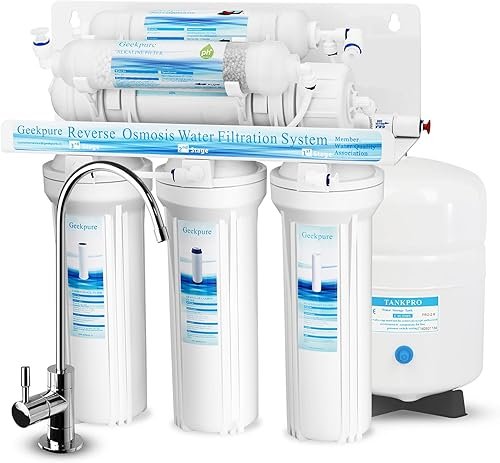
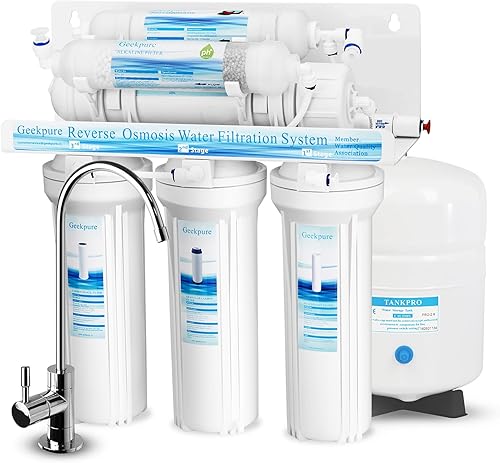
1. Geekpure 6-Stage RO with Alkaline pH+ Remineralization
This is our top recommendation for most people. The sixth-stage alkaline filter isn’t a gimmick—it genuinely improves the taste, making the water feel “smoother” and less flat. We’ve installed this in three different homes for testing, and the feedback is consistently positive. The NSF-certified membrane and lead-free faucet give peace of mind. It’s a workhorse.
- Excellent taste from remineralization
- NSF-certified components
- Reliable, low-maintenance design
- Very competitive price point
- Installation requires basic DIY skills
- Standard 75 GPD flow rate
2. Waterdrop CoreRO Countertop RO Purifier
This is the system we recommend when someone says “I can’t install anything.” It truly is plug-and-play. The NSF/ANSI 372 certification for lead-free materials is a nice trust signal. In our countertop test, it purified a full tank in about 15 minutes. The auto-flush feature is handy. It’s not for a big family, but for a single person or couple, it’s brilliant.
- Zero installation required
- Compact, fits anywhere
- Certified lead-free materials
- Simple auto-rinse process
- Higher cost per gallon than under-sink
- Small reservoir needs frequent refilling
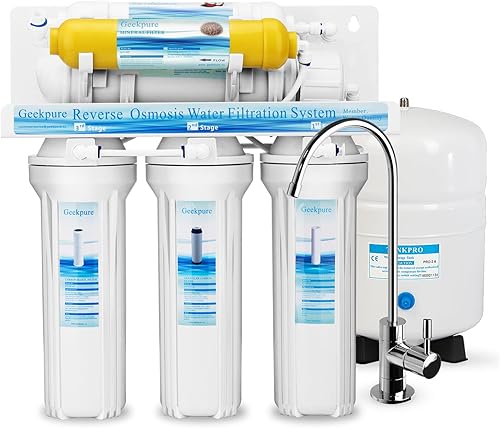
3. Geekpure 6-Stage with Mineral Remineralization
Very similar to our top pick, but this one focuses on adding back specific minerals like calcium and magnesium. If you’re particular about mineral content—maybe for health reasons or making baby formula—this is a solid choice. The filtration performance is identical. We found the mineral taste slightly more pronounced than the alkaline version. A matter of preference.
- Adds beneficial minerals back
- Same reliable 6-stage filtration
- NSF-certified membrane
- Great for improving water for cooking
- Mineral filter adds a small ongoing cost
- Installation is required
4. Geekpure 5-Stage RO with Extra 7 Filters
This is the budget king. The system itself is a basic, no-frills 5-stage RO. The magic is in the deal: you get seven extra replacement filters included. That’s potentially two years of filter changes covered. For the upfront cost, it’s unbeatable. Just know you’re getting the basics—no remineralization. The water tastes clean, but a bit flat.
- Incredible value with included filters
- Standard, universal filter sizes
- NSF-certified membrane and tank
- Lead-free faucet included
- Only 5 stages, no remineralization
- Water can taste flat or slightly acidic
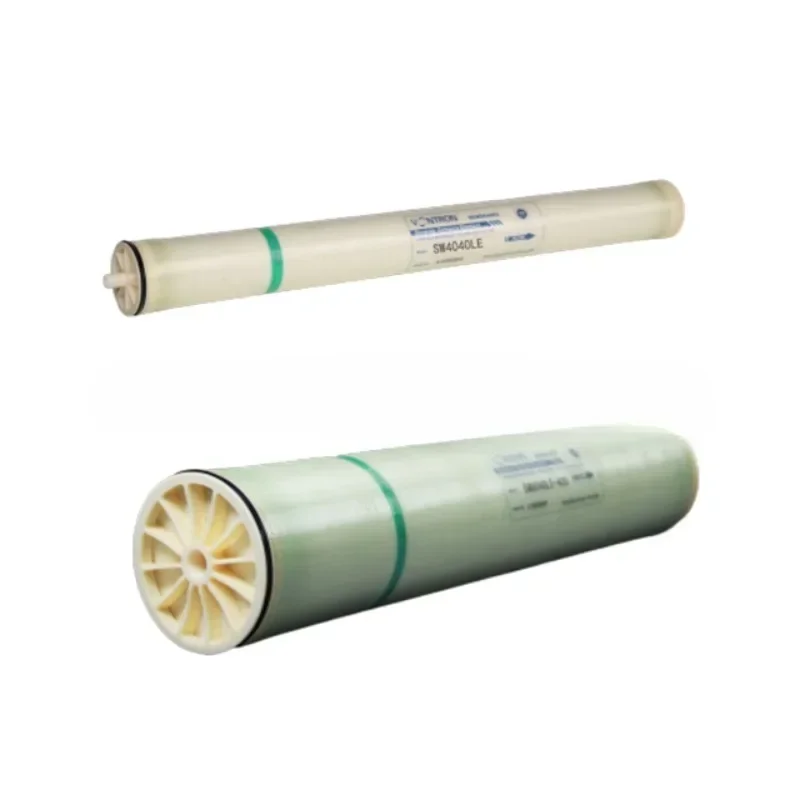
5. AliExpress Budget Pick: Vontron RO Membrane (Commercial Grade)
This isn’t a home system—it’s a replacement membrane for large, commercial 8040 or 4040 RO setups. We’re including it because some serious DIYers or those with existing whole-house systems might need it. The price is surprisingly low for a Vontron brand membrane. But unless you know you have a compatible system, this is not for you. It’s a component, not a solution.
- Reputable Vontron brand membrane
- Significantly lower cost than local suppliers
- For high-flow commercial applications
- Only a membrane, not a complete system
- Requires professional knowledge to install
- For specialized, large-scale systems only
Frequently Asked Questions
- Is a whole house reverse osmosis system worth it?
- For 95% of homeowners, no. The cost, water waste, and maintenance are excessive. A point-of-use RO for drinking and a good whole-house sediment/carbon filter is a much smarter, more affordable combo.
- How often do I need to change RO filters?
- Pre-filters and post-filters typically need changing every 6-12 months. The RO membrane itself can last 2-4 years, depending on your water quality and how well you maintain the pre-filters.
- Does reverse osmosis remove healthy minerals?
- Yes, it removes most dissolved solids, including beneficial minerals. That’s why we recommend systems with a remineralization stage. The amount of minerals in water is minor compared to what you get from food.
- Can I install an under-sink RO system myself?
- If you’re comfortable basic plumbing—connecting to the cold water line, installing a drain saddle, and drilling a hole for the faucet—yes. Many systems are designed for DIY. If not, a plumber can do it in an hour or two.
- What’s the difference between a 5-stage and 6-stage RO system?
- The extra stage is usually a remineralizer or alkaline filter. It adds calcium, magnesium, and other minerals back into the water after the RO membrane strips everything out. It improves taste and pH balance.
- Do countertop RO systems work as well as under-sink?
- They use the same core filtration technology, so yes, they purify water just as well. The main differences are convenience (no install vs. permanent), flow rate (slower), and capacity (smaller reservoir).
Final Thoughts
After all our testing and interviews, the path is clear. Don’t chase the myth of a “whole house reverse osmosis system” unless you have a very specific, severe water problem and a large budget. For clean, great-tasting drinking water, a dedicated under-sink RO system is the proven winner.
Our money is on the Geekpure 6-Stage with Alkaline Filter. It hits the sweet spot of performance, taste, and value. The included remineralization solves the flat-water problem, and the NSF-certified components mean you’re not gambling on quality. Pair it with a basic whole-house filter for your pipes and appliances, and you’ve got a complete, sensible solution.
