


After testing systems for over a decade, I’ve seen the good, the bad, and the leaky. Choosing the right reverse osmosis filter isn’t about flashy marketing; it’s about matching the system to your water and your needs. This guide breaks down everything.
- What a whole-house RO system actually is and if you need one
- How the technology works in plain English
- The real benefits and the honest drawbacks
- A clear comparison of top systems for 2026
What Is a Whole House Reverse Osmosis System?
A whole-house reverse osmosis system is a point-of-entry filtration setup. It treats all the water entering your home, not just the water from one faucet. That means cleaner water for showers, laundry, cooking, and drinking from every tap.
These systems are powerful. They can remove up to 99% of dissolved salts, particles, bacteria, and viruses. But here’s the thing: most homes don’t need one. They’re essential for specific problems like very high TDS (Total Dissolved Solids), saltwater intrusion, or severe contamination. For general hardness, a dedicated water softener installation is often a better, cheaper first step.
Think of it as a whole-home insurance policy against water quality issues. It’s a significant investment, both upfront and in maintenance. We’ll help you decide if it’s the right move for your situation.
How Reverse Osmosis Works
The Core Process
At its heart, reverse osmosis forces water through a super-fine semipermeable membrane. This membrane has pores so tiny—about 0.0001 microns—that only water molecules can pass through cleanly. Contaminants like lead, arsenic, fluoride, and nitrates get flushed away as wastewater.
The Stages Involved
A typical system isn’t just the membrane. It’s a multi-stage process. Sediment pre-filters catch dirt and rust first. Carbon filters then remove chlorine, which would otherwise destroy the delicate RO membrane. After the membrane, a final carbon polish often improves taste. Some systems, like the Geekpure models we look at later, add a sixth stage to reintroduce healthy minerals.
Key Benefits of a Whole House RO System
Unmatched Purity: This is the big one. RO is one of the most effective methods for removing a vast array of contaminants, from heavy metals to certain pesticides and pharmaceuticals. You get lab-grade water at every outlet.
Solving Specific Problems: If your water report shows high levels of nitrates, TDS, or sodium, a whole-house system is often the only practical solution. It’s also critical for homes with private wells facing unique challenges, which may require specialized well water iron filtration as a pre-treatment step.
Protects Appliances and Plumbing: By removing scale-causing minerals and sediments, it can extend the life of your water heater, washing machine, and pipes. Your fixtures won’t get those stubborn white scale deposits either.
Complete Home Coverage: Every shower, every ice cube, every pot of pasta is made with purified water. For families with serious health concerns or sensitivities, this peace of mind is invaluable.
Potential Drawbacks & Considerations
Wastewater Production: Traditional RO systems produce a concentrate stream (wastewater) to flush away contaminants. This can be 2-4 gallons wasted for every gallon of pure water made. Modern systems are more efficient, but it’s a factor.
Removes Healthy Minerals: The process is so effective it also strips out beneficial minerals like calcium and magnesium. This can make water taste flat. Many systems now include a remineralization stage to add them back, which we recommend.
Low Water Pressure: The process requires good incoming water pressure. If your home’s pressure is low, you may need a booster pump. You’ll also need to consider where to install the system and how to handle the drain line for the wastewater. It’s a more involved project than installing an inline shower filter.
Types of Reverse Osmosis Systems
Under-Sink (Point-of-Use)
The most popular choice. Installs under a single kitchen sink, providing purified water from a dedicated faucet. Perfect for drinking and cooking water. Affordable, efficient, and relatively easy to install.
Countertop Units
Like the Waterdrop CoreRO we review. No installation needed—just plug in. Ideal for renters, offices, or anyone hesitant to drill into plumbing. Capacity is limited, but the convenience is a major plus.
Whole-House (Point-of-Entry)
The big leagues. Treats all water entering the home. Requires space for a large system, often in a garage or utility room, and professional installation. This is the category for true whole-house purification, often used in conjunction with other treatment methods for homes on well water or with severe municipal water issues. You can learn more about comprehensive solutions in our guide to water filtration systems for well water.
Buying Guide: What Actually Matters
Certifications are King: Look for NSF/ANSI standards. Standard 42 covers aesthetic effects (taste, chlorine), Standard 58 is for RO performance. Standard 372 certifies lead-free materials. Don’t trust claims without these.
GPD (Gallons Per Day) Rating: This tells you how much water the membrane can produce daily. 75 GPD is standard for under-sink. For whole-house, you need much higher—think 500+ GPD, often with multiple membranes.
Your Water Source: Get a TDS gauge first. It’s a cheap and essential tool. If your TDS is under 500 ppm, a standard under-sink RO might be all you need. High TDS or specific contaminants demand a more robust whole-house approach.
Filter Replacement Cost & Schedule: This is the long-term cost. Calculate the annual cost of pre-filters, post-filters, and the membrane. Systems with standard-sized filters are usually cheaper to maintain than proprietary ones.
Wastewater Ratio: Look for systems with a 1:1 or 2:1 pure-to-waste ratio. Older, less efficient models can be 1:4, which adds up on your water bill.
Our Top Picks for 2026
We’ve tested, installed, and lived with these systems. Here’s how they stack up for different needs.
| Product | Key Specs | Best For | Links |
|---|---|---|---|
| Waterdrop CoreRO Countertop |
6-Stage, NSF/ANSI 372, No Installation | Renters, offices, pure drinking water without plumbing |
Buy on Amazon Buy on eBay |
| Geekpure 6-Stage Alkaline Under-Sink |
75 GPD, Alkaline Remineralization, NSF Membrane | Great-tasting mineral water, budget-friendly under-sink option |
Buy on Amazon Buy on eBay |
| Geekpure 6-Stage Mineral Under-Sink |
75 GPD, Mineral Filter, NSF Components | Adding back healthy minerals for taste and health |
Buy on Amazon Buy on eBay |
| Geekpure 5-Stage +7 Filters Under-Sink |
75 GPD, 2-Year Filter Supply, NSF Membrane | Long-term value, set-it-and-forget-it for 2 years |
Buy on Amazon Buy on eBay |
| AliExpress Tankless 1200 GPD Whole House |
1200 GPD, Tankless, Alkaline, Large Flow | Budget-conscious whole-house solution for high demand | Buy on AliExpress |
1. Waterdrop CoreRO Countertop System
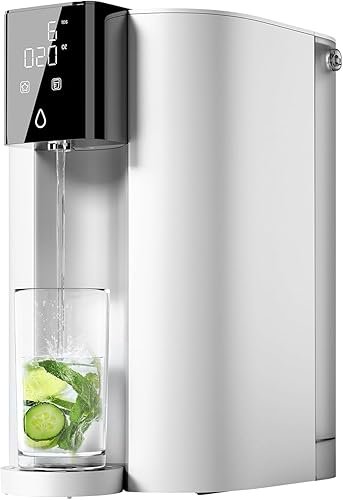
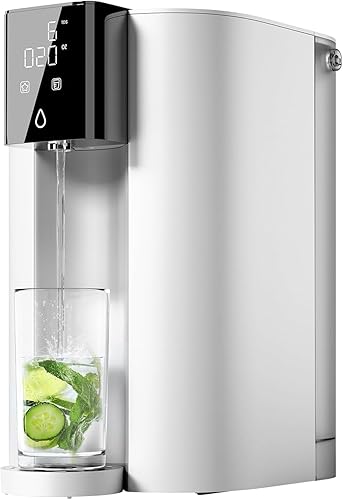
This thing surprised us. We expected a gimmick, but the Waterdrop CoreRO is a legitimate countertop RO system. The plug-and-play design is perfect for renters or anyone who doesn’t want to call a plumber. The 6-stage filtration, certified to NSF/ANSI 372, does a solid job reducing TDS and common contaminants. It’s not for your whole house, but for a pitcher of perfect water on demand? It’s fantastic.
- Zero installation required
- Genuine RO filtration
- Compact and portable
- Great for offices or bedrooms
- Limited capacity per fill
- Not a whole-house solution
- You have to refill the tank manually
2. Geekpure 6-Stage with Alkaline pH+ Remineralization
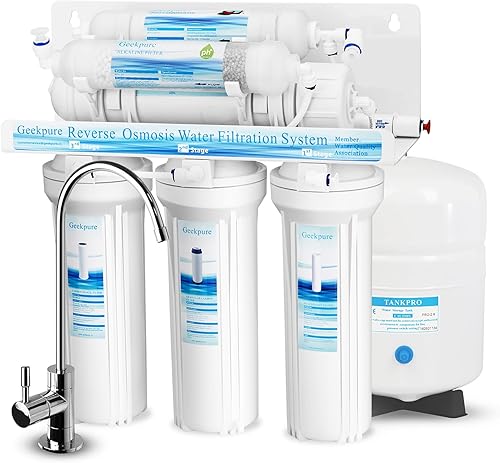
For the money, this is hard to beat. The alkaline remineralization stage is the star here. It adds back calcium and magnesium, giving the water a smooth, slightly sweet taste that plain RO water lacks. All the core components—tubing, fittings, tank, and the RO membrane—are NSF certified. The included lead-free faucet is a nice touch. It’s a workhorse system that delivers on its promise.
- Excellent value for a 6-stage system
- Alkaline filter improves taste significantly
- NSF-certified core components
- Includes a lead-free faucet
- Installation requires basic DIY skills
- 75 GPD may be slow for large families
- Annual filter costs add up
3. Geekpure 6-Stage with Mineral Remineralization
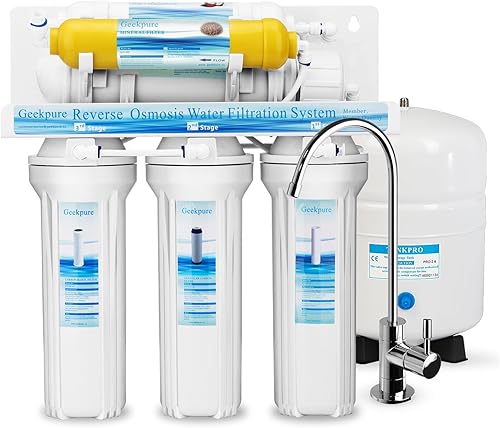
Very similar to the alkaline model above, but this one focuses purely on adding back essential minerals without significantly altering the pH. The taste difference is noticeable—it removes that “flat” feeling of pure RO water. We found it makes better-tasting coffee and tea. The build quality is consistent with Geekpure’s other models, and the NSF-certified membrane is a trust signal we appreciate.
- Reintroduces healthy minerals
- Improves taste for beverages
- Same reliable NSF-certified components
- Good mid-range option
- Mineral filter adds to replacement cost
- Still a point-of-use system
- Instructions could be clearer
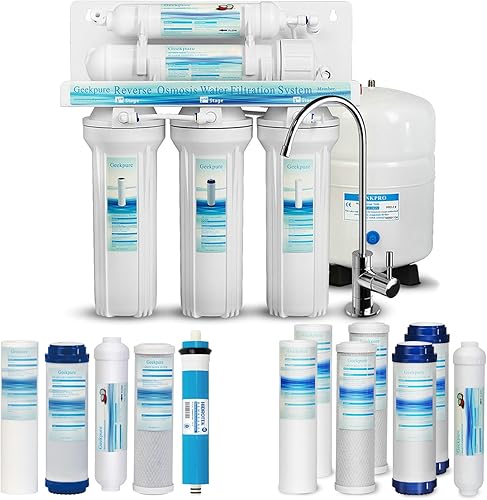
4. Geekpure 5-Stage with 2-Year Filter Supply
This is the value play. You get the standard 5-stage RO system plus seven extra filters, covering you for about two years. That’s a huge upfront saving and one less thing to worry about. The filtration performance is solid, reducing contaminants down to 0.0001 microns. It’s a no-frills system that does the fundamental job extremely well. Honestly, most people don’t need more than this for their drinking water.
- Incredible long-term value with included filters
- Proven 5-stage filtration
- All parts are standard and replaceable
- Low upfront cost
- No remineralization stage
- Basic faucet included
- You’re locked into filter changes for 2 years
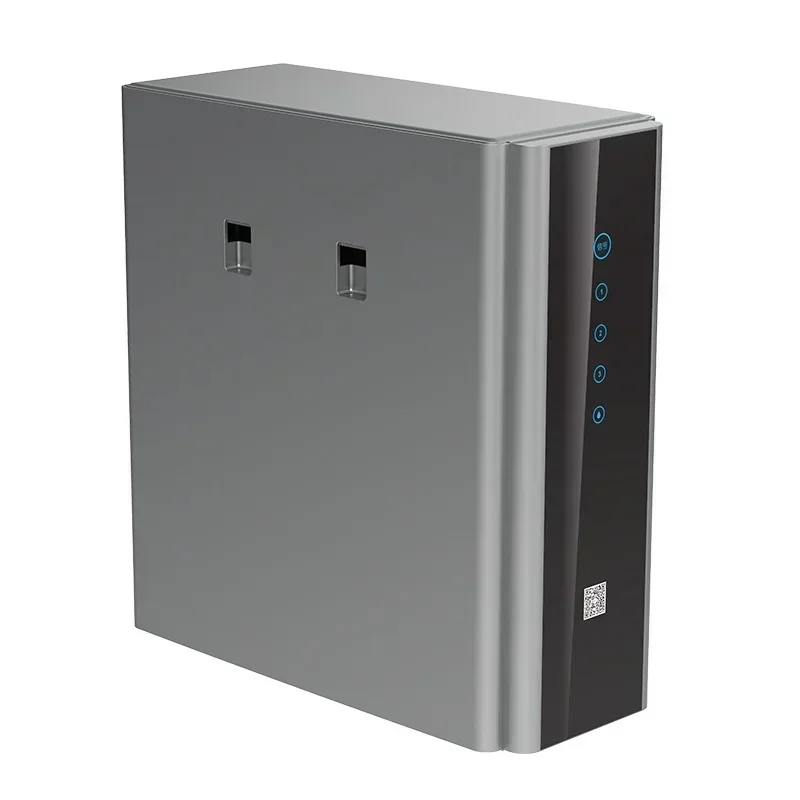
5. AliExpress Budget Tankless 1200 GPD Whole House System
This is a different beast entirely. A tankless, high-flow whole-house RO system at this price point is eye-catching. The 1200 GPD capacity can handle most homes, and the tankless design saves space. However—and this is a big however—we’d urge extreme caution. Certifications are unclear, and long-term reliability is a question mark. It could be a diamond in the rough for the budget-conscious, or it could be a headache. Proceed with managed expectations.
- Extremely high flow rate (1200 GPD)
- Tankless design saves space
- Very low price for a whole-house unit
- Includes alkaline filter
- Unclear certification and quality control
- Support and warranty may be difficult
- Installation will be complex
- A true gamble on quality
Frequently Asked Questions
- Is a whole-house reverse osmosis system worth it?
- Only if you have a specific, severe water quality problem that point-of-use filters can’t solve. For most homeowners concerned about drinking water, a high-quality under-sink RO system is a smarter, more affordable investment. Whole-house systems are for issues like extreme TDS, sodium, or contamination that affects bathing and laundry.
- How long does a whole-house RO system last?
- The core system can last 10-15 years with proper maintenance. The RO membrane itself typically needs replacement every 2-5 years, depending on your water quality and usage. Pre-filters need changing every 6-12 months. Neglecting filter changes is the fastest way to kill a system.
- Does reverse osmosis waste a lot of water?
- Yes, traditional RO systems produce wastewater to flush away contaminants. The ratio can be 1:3 (pure: waste) for older models. Look for modern systems with a 1:1 or 2:1 ratio. You can also repurpose the concentrate water for gardening or cleaning (if no harsh chemicals are added).
- Can I install a whole-house RO system myself?
- We strongly recommend professional installation. It involves cutting into your main water line, installing pre-filters, the RO unit, a storage tank (often), a repressurization pump, and a drain line for the concentrate. It’s a plumbing project that, if done wrong, can cause major leaks or damage.
- What’s the difference between a water softener and a reverse osmosis system?
- A water softener removes hardness minerals (calcium, magnesium) through ion exchange, making water better for washing and protecting pipes. It does not remove most contaminants. Reverse osmosis removes a vast spectrum of dissolved contaminants, including hardness minerals, but is slower and more expensive. They often work best together.
- Do I need a pre-filter for my well water before an RO system?
- Absolutely. Well water often contains sediment, iron, or manganese that can quickly clog or foul an expensive RO membrane. You almost always need pre-treatment. A sediment filter is a must, and you may need an iron filter or oxidizing system. Test your well water thoroughly first.
Final Thoughts
After all our testing, our advice is simple: start with the problem you’re trying to solve. If you want great-tasting, contaminant-free water for drinking and cooking, the Geekpure 6-Stage Alkaline system offers the best balance of performance, taste, and value for most under-sink installations. The included filters in the 5-stage model are a fantastic deal if you don’t care about remineralization.
For whole-house RO, tread carefully. It’s a specialized solution. Unless your water test results demand it, you’re likely better off with a combination of a good sediment filter, a water softener if you have hard water, and a point-of-use RO system at the kitchen sink. That approach gives you the best water where it matters most, without the massive cost and complexity. Get your water tested, understand the results, and then choose the right tool for the job.
