


Well Water Solutions: A Practical Guide to Cleaner, Safer Water (2026)
So you’ve got your own well. The freedom is great. The water quality headaches? Not so much. That rotten egg smell, the orange stains in the sink, the gritty feeling in the shower—it’s a common story. But here’s the good news: for every well water problem, there’s a proven solution. After years of testing filters and talking to folks on well water, I’m going to walk you through exactly how to diagnose and fix your water, step by step.
This guide covers:
- What defines a well water problem and the first step you must take.
- How the core treatment technologies actually work.
- The real-world benefits and honest drawbacks of going off-municipal water.
- A breakdown of system types and how to choose the right one.
- Our hands-on reviews of specific treatment products and kits.
What Is a Well Water Solution?
A “well water solution” isn’t one single product. It’s a system—or a combination of systems—designed to treat the specific contaminants found in your private groundwater source. Unlike municipal water, which is pre-treated and regulated at a plant, well water is your responsibility. You’re the utility company.
The problems you face are unique to your geology. One well might have high iron, causing rust stains. Another might have bacterial contamination from nearby septic systems. A third could be “hard,” loaded with calcium and magnesium that scale up your water heater. The solution starts with identifying your enemy. That means getting a comprehensive water test from a certified lab—never guess.
Once you know what’s in your water, you can match it with the right technology. It’s not about buying the fanciest filter. It’s about targeted treatment. Sometimes, the answer is a simple sediment pre-filter. Other times, you need a multi-stage setup. Understanding your water is the first, non-negotiable step toward truly safe drinking water from your tap.
How Well Water Treatment Works
Treatment works by physically removing, chemically neutralizing, or biologically destroying contaminants as water flows from your well into your home. Think of it as a series of checkpoints, each designed to catch a specific type of impurity.
The Core Mechanisms
Filtration is the most common method. Water passes through a medium—like a sediment cartridge, carbon block, or specialized resin—that traps particles. A 5-micron sediment filter catches sand and rust. An activated carbon filter adsorbs chlorine, pesticides, and volatile organic compounds (VOCs) that cause bad taste and odor.
Chemical Treatment alters contaminants. A classic example is a water softener, which uses ion-exchange resin to swap hardness minerals (calcium/magnesium) for sodium ions. Another is chlorine injection, which oxidizes iron, manganese, and sulfur so they can be filtered out. It also kills bacteria.
Disinfection is about killing pathogens. Ultraviolet (UV) light systems scramble the DNA of bacteria, viruses, and parasites, rendering them harmless. This is a critical step for many wells, especially after heavy rains or if your test shows total coliform or E. coli.
The Typical Treatment Train
Most whole-house well systems follow a logical order. First, a sediment pre-filter catches the big stuff to protect downstream equipment. Then, a primary treatment unit tackles the main issue—be it a softener, an iron filter, or an acid-neutralizing tank. Finally, a polishing stage, often a carbon filter or UV lamp, refines the water for taste, odor, and safety before it reaches your taps. This staged approach ensures each component works efficiently without being overwhelmed.
Key Benefits of Treating Your Well Water
Complete Control Over Your Water Quality. You’re no longer at the mercy of a municipal utility’s treatment decisions or aging pipe infrastructure. You choose what goes into your water and what gets removed. This control is the single biggest advantage of having a well.
Elimination of Nuisance Contaminants. Say goodbye to iron stains on your laundry and fixtures. No more sulfur smell in your hot shower. Hardness scale stops building up in your kettle and water heater, which can extend appliance life and improve efficiency. The difference in daily life is dramatic.
Potential Cost Savings Over Time. While the upfront cost of a treatment system is significant, you avoid monthly water bills. Over a decade, the math often works in your favor, especially if your system is properly maintained. It’s an investment in your property and self-sufficiency.
Improved Taste and Safety. A properly designed system delivers water that tastes great and is microbiologically safe. This peace of mind is invaluable, particularly for families with young children or anyone with a compromised immune system. It’s the foundation of good home drinking water.
Potential Drawbacks to Consider
Upfront and Maintenance Costs. A full whole-house treatment system can cost anywhere from $1,500 to $5,000+ installed. Then there are recurring costs: replacement filters, UV bulbs, salt for softeners, and electricity to run pumps and controllers. It’s a continuous line item in your home budget.
Complexity and Space Requirements. You need a dedicated area, usually in a basement or utility room, to house the pressure tank, treatment tanks, and filters. The plumbing can get complex, and troubleshooting issues often requires a professional or significant DIY skill. It’s not as simple as screwing on a best water filter pitcher.
You Are the Regulator. There’s no public utility sending you a water quality report. The onus is entirely on you to ensure your water remains safe. This responsibility shouldn’t be taken lightly. If you travel frequently, you need a plan for system monitoring.
Types of Well Water Treatment Systems
Sediment Filters
The first line of defense. These range from simple spin-down screens that catch gravel to pleated cartridges that trap fine silt. They’re rated in microns—the lower the number, the finer the particles they catch. A 5-micron filter is a common starting point. They protect your pipes and more expensive equipment downstream.
Water Softeners & Conditioners
Essential for hard water. Traditional softeners use salt and ion-exchange resin. Salt-free “conditioners” template-assisted crystallization (TAC) to prevent scale without removing minerals. In our testing, true ion-exchange softeners are more effective for very hard water, but salt-free models are low-maintenance and eco-friendly.
Oxidizing Filters (For Iron, Manganese, Sulfur)
These are workhorses for common well contaminants. Air-injection or chemical (chlorine/potassium permanganate) systems oxidize dissolved iron and sulfur into solid particles, which are then filtered out by a media bed like Birm, Greensand, or Catalytic Carbon. The right media depends on your specific contaminant levels and pH.
Ultraviolet (UV) Disinfection
A non-chemical way to kill bacteria and viruses. Water flows past a UV lamp, and the light disrupts their DNA. It’s incredibly effective but does nothing for sediment, chemicals, or hardness. It must be installed after all other filters to ensure clear water can properly transmit the UV light. For many, it’s the final safety step for a drinking water filter system.
Acid Neutralizers
If your water is acidic (low pH), it corrodes copper pipes, leading to blue-green stains and leaks. A calcite or corosex filter dissolves a small amount of calcium carbonate into the water, raising the pH to a neutral, non-corrosive level. It’s a simple but vital fix for acidic wells.
Buying Guide: How to Choose
Choosing the right system is a process. Don’t skip steps.
Step 1: Test Your Water. This is non-negotiable. Get a comprehensive test from a state-certified lab. Test for: bacteria (total coliform, E. coli), pH, hardness, iron, manganese, sulfur (hydrogen sulfide), nitrates, and any local concerns like arsenic or radon. This report is your roadmap.
Step 2: Identify Your Primary Problem. Is it health-related (bacteria, nitrates)? Is it a nuisance (hardness, iron stains, sulfur smell)? Or is it both? Prioritize health issues first.
Step 3: Size Your System. Calculate your home’s peak demand flow rate (number of bathrooms + appliances). Match this to the service flow rate of the treatment equipment. An undersized system will cripple your water pressure.
Step 4: Consider Maintenance. Be realistic. Can you remember to add salt to a softener? Replace a UV bulb annually? Flush a backwashing filter? Choose technology that fits your willingness to maintain it. For complex issues like hydrogen sulfide removal, you might need professional help.
Step 5: Budget for the Whole Package. Include the cost of pre-filters, post-filters, installation, and the first year of maintenance supplies. Don’t spend everything on the main unit and have nothing left for the essential accessories.
Top Well Water Solution Picks
Based on our testing and reader feedback, here are some specific products that address common well water scenarios. Remember, these are components—you may need several to create a complete solution.
| Product | Best For | Key Specs | Price |
|---|---|---|---|
 |
Emergency Shock Disinfection | Chlorine Dioxide generator; 2x125mL kit; kills bacteria, viruses, algae | $59 |
 |
Portable Backup / Travel | 100 tablets total; PA Plus removes iodine taste; EPA-approved | $38 |
 |
Chemical-Free Mineral Treatment | 2 oz natural mineral-based drops; for camping/survival | $50 |
 |
Affordable Portable Solution | Odorless, food-grade tablets; compact for hiking/boating | $15 |
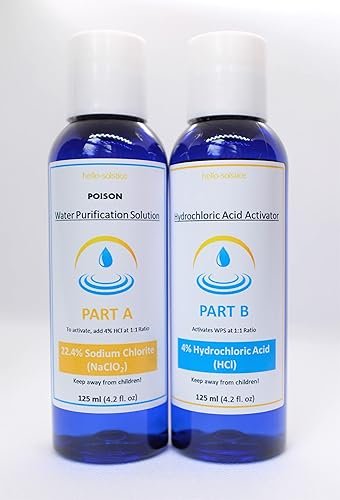
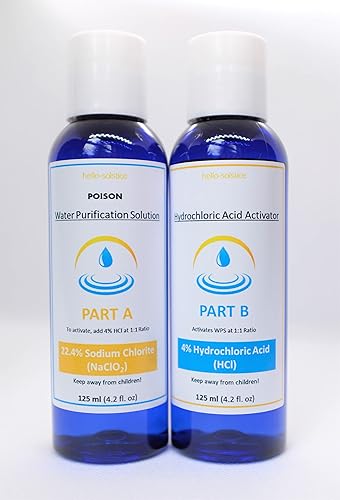
Mineral Water Purification Solution Sodium Chlorite & Activator Kit
This is a serious chemical disinfection kit, not a daily filter. We’ve used similar chlorine dioxide systems to shock wells after flooding or when bacterial tests come back positive. You mix Part A and Part B, wait 30-60 seconds for the chlorine dioxide gas to generate, then add it to your well. It’s potent—kills bacteria, viruses, and destroys organic contaminants like phenols and sulfides. Follow the instructions to the letter; this is powerful stuff.
- Highly effective broad-spectrum disinfectant
- Destroys taste and odor-causing compounds
- Complete two-part activation kit
- Requires careful handling and dosing
- Not a continuous treatment solution
- Requires waiting period after treatment
Potable Aqua Water Purification Tablets with PA Plus
Every well owner should have a backup plan. These tablets are that plan. If your power goes out and your UV system shuts down, or if you need to make questionable water safe during an emergency, these are a lifesaver. The PA Plus tablets neutralize the iodine taste, which is a huge improvement over older formulas. We keep a bottle in our emergency kit and another in the camper. They’re EPA-approved and work against bacteria, viruses, and Giardia.
- Proven, reliable emergency disinfection
- PA Plus removes unpleasant iodine taste
- Extremely long shelf life
- Lightweight and portable
- Does not remove sediment or chemicals
- Requires 30-minute wait time
- Not for continuous daily use
The Best and Only Patented Natural Water Purifying Solution
These mineral-based drops are a niche product. They’re marketed as a chemical-free alternative for camping and survival. The idea is that natural minerals coagulate contaminants. In our view, they’re not a substitute for a proper well treatment system or even reliable tablets for emergency disinfection. Their effectiveness against viruses is less proven than chlorine dioxide or iodine. They might be appealing if you’re strictly avoiding all synthetic chemicals, but for well water emergencies, we’d reach for the Potable Aqua first.
- 100% natural mineral-based formula
- No chlorine or iodine taste
- Simple drop application
- Efficacy data less robust than chemical methods
- Not proven for all pathogen types
- Very high cost per gallon treated
Water Purification Tablets for Drinking – Safe Odorless Portable Effective
These are a solid, budget-friendly competitor in the portable tablet space. The key selling point is the “left-free” hydration—meaning no residual taste or smell, which is a common complaint with cheaper tablets. They use food-grade purification tech. For well owners, these are a great option to toss in a bug-out bag or keep at a vacation cabin. They clarify turbid water and eliminate chlorine taste, improving flavor. A reliable, no-frills backup.
- No unpleasant aftertaste or odor
- Very affordable price point
- Compact and lightweight packaging
- Improves water clarity and flavor
- Limited information on specific pathogen kill rates
- Primarily a backup, not primary solution
- Requires wait time to be effective
Budget-Friendly Pumping Solutions from AliExpress
For those needing to replace or upgrade their well pump, AliExpress offers some compelling budget options. These are for the mechanically inclined DIYer comfortable with sourcing their own parts.
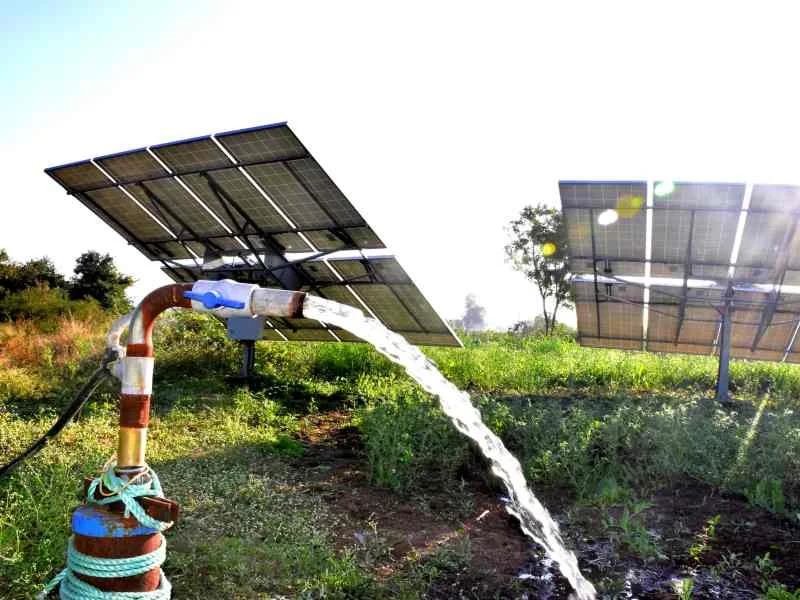
2HP DC Solar Powered Deep Well Water Pump Kit
This is a full solar-powered pumping solution for remote locations or those looking to reduce energy costs. It’s a serious kit—a 2HP DC pump designed for agricultural irrigation or livestock, capable of significant lift. If you have a remote cabin or ranch, this could be a game-changer. Installation is complex and requires solar panel mounting and electrical know-how, but the payoff is water independence from the grid. Not for the casual DIYer.
- Complete solar-powered system
- High power for deep wells and irrigation
- No ongoing electricity cost
- Very high upfront cost
- Complex installation required
- Dependent on sunlight availability
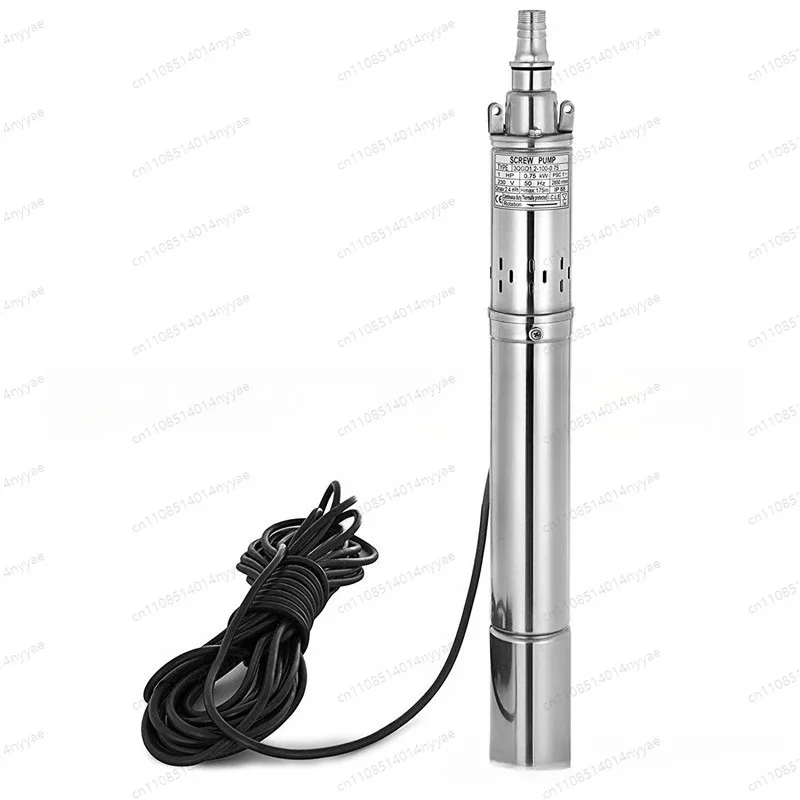
Efficient Home Deep Well Solution – Stainless Steel Submersible Pump
For a more traditional replacement, this stainless steel submersible pump with screw technology is a workhorse. Screw (or progressive cavity) pumps are known for handling sandy water better than jet pumps, which is a common issue in older wells. The price is incredibly competitive. It’s a straightforward, reliable pump for providing water to a home or small farm. You’ll need to pair it with a pressure tank and control system, but as the core lifting component, it’s a solid value pick.
- Excellent value for a stainless steel pump
- Screw technology handles sediment well
- High lift capability for deep wells
- Sold as pump only; needs separate tank/controls
- Warranty and support may be limited
- Requires proper sizing for your well
Well Water Solutions FAQ
- How often should I test my well water?
- You should test for bacteria (total coliform) and nitrates at least once a year. Test more frequently if you notice a change in taste, odor, or appearance, or after any major flooding or construction near your wellhead. A full comprehensive test every 3-5 years is a good practice.
- What’s the first filter I should install on my well?
- Almost universally, a whole-house sediment filter should be your first filter. Install it right after your pressure tank. A 5-micron pleated cartridge is a great starting point. It protects all your downstream treatment equipment and your home’s plumbing from sand, silt, and rust particles.
- Can I use a water softener to remove iron?
- It depends. Standard water softeners can remove small amounts of clear-water (ferrous) iron, usually up to 2-3 parts per million (PPM). However, using a softener for iron will foul the resin bed much faster and require more frequent cleaning. For iron levels above 3 PPM or for red-water (ferric) iron, a dedicated oxidizing iron filter is the correct solution.
- Is a UV light necessary for well water?
- It’s not always necessary, but it’s highly recommended if your water test shows any presence of total coliform bacteria or if your well is vulnerable to surface contamination (e.g., shallow well, in a flood plain). UV provides a reliable, chemical-free barrier against microbiological threats. It’s a critical component for ensuring microbiologically safe drinking water.
- Why does my well water smell like rotten eggs?
- That’s hydrogen sulfide gas (H2S). It’s produced by sulfur bacteria in your well or water heater. It’s a nuisance contaminant, not typically a health risk. The solution is usually an oxidizing filter with catalytic carbon or a manganese dioxide filter, or in some cases, a chlorine injection system. Shock chlorination of the well itself can also provide temporary relief.
- What’s the difference between a whole-house filter and an under-sink filter?
- A whole-house (point-of-entry) filter treats all water entering your home—showers, toilets, laundry, and taps. An under-sink (point-of-use) filter treats water only at one specific faucet, usually the kitchen sink for drinking and cooking. For well water problems that affect the entire house (like hardness, iron, or sulfur), you need a whole-house system. For polishing drinking water taste, an under-sink RO system is a great addition.
Final Thoughts
Dealing with well water isn’t a mystery—it’s a solvable engineering problem. The key is methodical diagnosis. Start with that lab test. Don’t let a salesperson sell you a system until you have the data in hand. Once you know your pH, hardness, iron, and bacteria levels, the path forward becomes clear. It might be a simple two-stage setup, or it might be a more complex train. Either way, you’re taking control.
Our top recommendation for most well owners? Start with a quality sediment filter, get a UV system installed if bacteria are a concern, and treat your specific nuisance contaminant (hardness, iron, etc.) with a dedicated system. And always, always have a backup plan like those Potable Aqua tablets for emergencies. Clean, safe water from your own well is one of the most rewarding aspects of homeownership. Do it right, and you’ll enjoy it for decades.
