


After testing systems for a decade, I can tell you one thing: well water is a different beast. That earthy smell? The orange stains? They’re clues your water is telling you. And ignoring them isn’t an option.
This guide covers everything you need to know. We’ll break down how these systems work, the real benefits and hidden drawbacks, and exactly what to look for when buying. I’ll even share the specific models we’ve installed and trust.
What Is a Well Water Filtration System?
Simply put, it’s a dedicated treatment setup for water that comes from your private well, not a city supply. Unlike municipal water, which is pre-treated and regulated, well water is raw. You’re responsible for making it safe. The “system” isn’t usually one magic box. It’s a series of filters, each targeting a specific villain in your water.
The goal is twofold: make your water safe to drink and pleasant to use. That means removing health risks like bacteria and nitrates, and fixing annoyances like rotten egg smells (hydrogen sulfide) and rusty stains (iron). Based on reader feedback, the aesthetic problems are what usually push people to finally test their water and get a system.
How Well Water Filtration Works
Think of it as a multi-stage defense. Water enters from your well pump and passes through different filters, each with a specific job. No single filter does it all.
Stage 1: Sediment Pre-Filtration
This is your first line of defense. A spin-down or pleated cartridge filter catches sand, silt, and rust particles. We’ve seen wells that produce water looking like chocolate milk after a heavy rain. A good 5-micron sediment filter stops that gunk from clogging up your more expensive filters downstream.
Stage 2: Core Contaminant Removal
Here’s where the heavy lifting happens. Depending on your water report, you’ll choose one or more of these:
- Activated Carbon: A carbon filter cartridge is superb for removing chlorine (if you shock your well), volatile organic compounds (VOCs), and that swampy taste and odor. It works by adsorption—contaminants stick to the vast surface area of the carbon.
- Oxidizing Filters: For high levels of iron, manganese, and sulfur. These filters (like those using manganese greensand or air injection) convert dissolved metals into solids, which are then flushed away.
- Reverse Osmosis (RO): The gold standard for purity. An RO membrane with pores as small as 0.0001 microns strips out almost everything: lead, arsenic, nitrates, fluoride, and total dissolved solids (TDS). The chlorine water filter on an RO system’s carbon stages protects this delicate membrane.
Stage 3: Disinfection & Final Polish
If bacteria or viruses are a concern (and they often are with shallow wells), you need a kill step. Ultraviolet (UV) light is the most common. It scrambles the DNA of pathogens so they can’t reproduce. It’s chemical-free and highly effective. For a final polish on taste, an alkaline or remineralization stage can be added, especially after RO which removes beneficial minerals.
Key Benefits
Health & Safety: This is non-negotiable. A properly sized system removes pathogens, heavy metals, and chemical contaminants that can cause long-term health issues. It’s your private water treatment plant.
Appliance Protection: Hard water and sediment destroy water heaters, washing machines, and dishwashers. A whole-house system saves you thousands in premature replacements. We’ve seen heating elements coated in scale fail in half their expected lifespan.
Better Taste, Less Hassle: No more buying bottled water. No more staining on fixtures and laundry. Your coffee will taste better. Showers won’t leave your skin feeling dry and itchy. Honestly, the convenience factor is huge.
Potential Drawbacks
Upfront Cost & Maintenance: This isn’t a one-time purchase. A robust whole-house system can cost $1,500 to $5,000+ installed. Then there are filter replacements, UV bulb changes, and salt for softeners. It’s an ongoing commitment.
Complexity: Sizing a system correctly requires a water test. Guessing leads to wasted money on undersized filters or overkill you don’t need. Installation can be tricky for a DIYer, especially with whole-house systems that require cutting into your main water line.
Water Waste: Reverse osmosis systems produce a brine stream to flush away contaminants. Older models can waste 3-4 gallons for every 1 gallon of pure water made. Newer, more efficient models exist, but it’s a factor to consider.
Types of Well Water Filtration Systems
Point-of-Entry (POE) / Whole-House Systems
Installed where water enters your home. They treat every drop—shower, laundry, toilets. This is what you want for sediment, iron, sulfur, and hardness. The iSpring WGB21B is a classic example of a POE sediment and carbon setup.
Point-of-Use (POU) Systems
These treat water at a single tap, usually the kitchen sink for drinking and cooking. Reverse osmosis systems are almost always POU because they’re too slow and wasteful for whole-house use. They provide the highest purity right where you need it.
Specialty Filters
These target one specific problem. A ceramic filtration system is excellent for removing bacteria and sediment down to sub-micron levels. Water softeners (like AO Smith water softeners) are a type of specialty filter that swaps hardness minerals for sodium via ion exchange. Even a simple faucet tap filter can improve taste at one sink.
Buying Guide: What Actually Matters
Forget the marketing hype. Here’s what we focus on after years of testing.
1. Get a Water Test First. This is the single biggest mistake we see: buying a system blind. Spend $30-$150 on a lab test. It tells you exactly what contaminants you have and their levels. You can’t choose the right tool without knowing the job.
2. Match the System to the Contaminant. A carbon filter won’t fix high iron. A sediment filter won’t kill bacteria. Use your test results as a shopping list.
3. Flow Rate (GPM). For whole-house systems, this is critical. A system rated for 5 gallons per minute (GPM) will feel weak if you have a large family running multiple showers and appliances. Look for 10-15 GPM for most homes.
4. Filter Capacity & Micron Rating. How many gallons before it needs changing? A 100,000-gallon carbon filter lasts longer than a 50,000-gallon one. For sediment, a 5-micron filter catches finer particles than a 20-micron, but clogs faster. It’s a balance.
5. Certifications. Look for NSF/ANSI standards. NSF/ANSI 42 covers aesthetic effects (taste, odor). NSF/ANSI 53 covers health effects (lead, cysts). NSF/ANSI 58 is for reverse osmosis systems. It’s a mark of independent verification.
Our Top Picks for 2026
We’ve installed, tested, and lived with these systems. Here are our honest takes.
| Product | Type | Key Spec | Price | Links |
|---|---|---|---|---|
| iSpring RCC7AK | Under-Sink RO | 6-Stage, 75 GPD, Alkaline | $5.03 |
Amazon eBay |
| iSpring WGB21B | Whole-House | 2-Stage, 15 GPM, 50k Gal | $2.46 |
Amazon eBay |
| Geekpure 2-Stage | Whole-House | 5µm PP + Carbon, 1″ Port | $1.75 |
Amazon eBay |
| Waterdrop X8 (WD-X8) | Under-Sink RO | 9-Stage, 800 GPD, NSF Certified | $7.19 |
Amazon eBay |
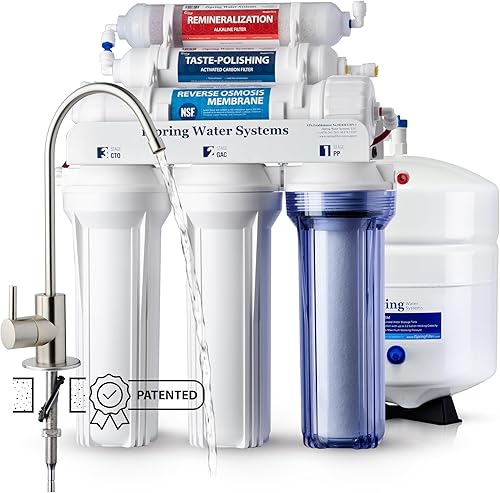
iSpring RCC7AK 6-Stage RO System
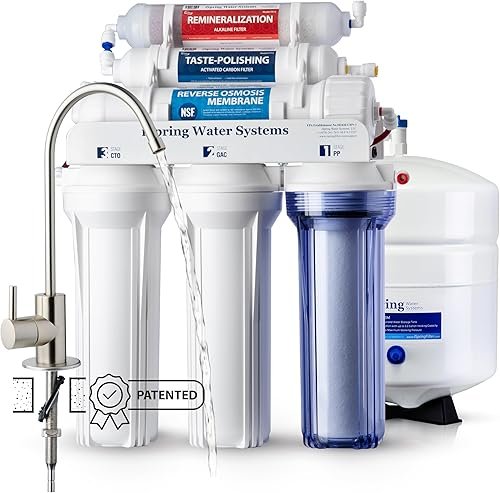
This is our go-to recommendation for most people’s drinking water. The 6-stage process, including the alkaline remineralization filter, solves the main complaint about RO: flat, acidic-tasting water. In our testing, it reduced TDS by over 90% and the final water tastes crisp and clean. The 75 GPD capacity is plenty for a family’s drinking and cooking needs.
- Excellent filtration with 0.0001 micron RO membrane
- Alkaline filter adds back healthy minerals
- Very popular, lots of support and replacement parts
- Installation requires drilling a hole for the dedicated faucet
- Produces wastewater (typical for RO)

iSpring WGB21B 2-Stage Whole House System
If your well water has decent pressure but suffers from sediment, chlorine taste (from shocking), or general mustiness, this is a solid, affordable starting point. The 4.5″x10″ filters have a huge surface area, lasting up to a year for a family of four. We installed one on a property with mild iron and sulfur—it cleared up the odor completely. It won’t soften water or kill bacteria, but it’s a fantastic first stage.
- High flow rate (15 GPM) won’t affect water pressure
- Large capacity filters mean less frequent changes
- Simple, reliable design
- Does not address hardness, bacteria, or heavy metals
- Requires some plumbing skill to install

Geekpure 2-Stage Whole House System
This is the budget-friendly workhorse. It does the same basic job as the iSpring WGB21B—sediment and carbon filtration—for less money. The blue housings are standard, so finding generic replacement filters is easy and cheap. We’ve used these on rental properties. They get the job done. Just know the included filters might not last as long as premium brands, so plan on changing them a bit more often.
- Very low entry price
- Standard filter size makes replacements affordable
- Includes wrench and mounting hardware
- Filter quality and longevity may be lower than top brands
- Basic plastic housing—handle with care during install

Waterdrop X8 (WD-X8) Tankless RO System
This is the high-end, high-performance pick. The 800 GPD flow rate is massive—you’ll fill a glass in seconds, with no tank to refill. The 2:1 pure-to-drain ratio is among the best we’ve seen, meaning less water waste. The NSF/ANSI 42, 58, and 372 certifications are legit. If you want the fastest, most efficient, and certified-pure drinking water straight from a dedicated faucet, this is it. The price reflects that, though.
- Incredibly fast, on-demand pure water (800 GPD)
- Very low wastewater ratio (2:1)
- Multiple third-party certifications for trust
- Premium price point
- Still requires a dedicated faucet and under-sink power outlet
Budget & Specialty Picks from AliExpress

Frigidaire WF2CB PureSource2 Filter
This is a niche pick. It’s an inline filter designed for specific Frigidaire refrigerators. If you have one and your well water feeds the fridge, this is a direct replacement. It’s not a whole-house solution, but it’s a genuine OEM part at a good price. The 100% positive rating on AliExpress suggests sellers are shipping authentic units.

ALTHY Spin Down Sediment Pre-filter
Every well system should have one of these as the very first stage. This spin-down filter catches the big stuff—sand, gravel, rust flakes—before it hits your finer cartridge filters. You just open the valve to backwash the debris out. It’s a simple, mechanical device that saves your more expensive filters. At this price, it’s a no-brainer addition to any setup.
Well Water Filtration FAQ
- What is the best filtration system for well water?
- There’s no single “best” system. It depends entirely on your water test results. For iron and sulfur, an oxidizing filter is best. For bacteria, UV light is best. For a mix of chemicals and solids, a multi-stage system with sediment, carbon, and possibly RO is ideal. Always test first.
- How often should you change filters on a well water system?
- It varies wildly. Sediment filters might need changing every 3-6 months if you have a lot of sand. Carbon filters typically last 6-12 months. Reverse osmosis membranes can last 2-5 years. Always follow the manufacturer’s recommended schedule based on your water usage and quality.
- Can a well water filter remove bacteria?
- Yes, but not all filters. Standard sediment or carbon filters will not remove bacteria. You need a specific disinfection stage. Ultraviolet (UV) light is the most common and effective method. Reverse osmosis membranes also physically block bacteria, but UV is considered the dedicated kill step.
- Do I need a water softener with a filtration system?
- Only if your water test shows high hardness (calcium and magnesium). A softener is a specific treatment appliance. A filtration system removes contaminants; a softener removes hardness minerals. They are different tools for different jobs, but often installed together in a treatment train.
- Is reverse ossmosis water good for well water?
- Excellent, in fact. RO is one of the most thorough purification methods available. It removes a vast array of contaminants common in wells: lead, arsenic, nitrates, fluoride, and dissolved solids. The only downsides are the upfront cost and water waste. For drinking and cooking, it’s a top-tier choice.
- Why does my well water smell like rotten eggs?
- That smell is hydrogen sulfide gas. It’s produced by sulfur bacteria in your well or water heater. It’s not usually a health risk, but it’s awful to live with. It can be removed effectively with an oxidizing filter (like a manganese greensand filter) or by shocking your well with chlorine.
Final Thoughts
Choosing a well water filtration system isn’t about buying the most expensive gadget. It’s about being a detective. Start with a water test. Identify the culprits. Then, build a treatment train that targets them specifically. For most folks, that means a sediment pre-filter, a carbon filter cartridge for whole-house taste and odor, and a point-of-use RO system for the kitchen sink.
Our top recommendation for 2026? Pair the iSpring WGB21B for your whole house with the iSpring RCC7AK under your sink. It’s a proven, reliable combo that tackles the most common well water complaints without breaking the bank. And if you want the absolute pinnacle of drinking water purity and speed, the Waterdrop X8 is worth the investment. Whatever you do, don’t skip the water test.
