



If you’re on a well, you’ve probably tasted water that’s a little… off. Maybe it’s rusty, smells like sulfur, or leaves stains in your sinks. You’re not alone. After testing dozens of systems and talking to hundreds of well owners, I can tell you the single biggest mistake is guessing. Your water is unique. The right filter system isn’t a luxury—it’s a necessity for safety and sanity. This guide cuts through the noise. We’ll cover what you actually need, how these systems work, and show you some solid picks that won’t break the bank.
What Is a Well Water Filter System?
Simply put, it’s a treatment setup designed specifically for the unique contaminants found in groundwater. Unlike city water, which is pre-treated and regulated, well water comes straight from the earth. That means it can pick up sediment, bacteria, viruses, heavy metals like arsenic and lead, and dissolved minerals that cause hardness. A proper system is a series of filters that target these specific problems.
The goal isn’t just better taste—though that’s a huge perk. It’s about safety. You need to remove pathogens and harmful chemicals. And if you’re dealing with hard water, you’ll want to protect your pipes and appliances from scale buildup. Honestly, most people need a combination of technologies. A single filter rarely solves everything. For a deeper dive into what constitutes the best water filtration system for home use, including wells, our main guide breaks it down.
How Well Water Filtration Works
Think of it as a multi-stage defense line for your water. Each stage has a job. Here’s the typical flow:
Stage 1: Sediment Pre-Filtration
This is your first line of defense. A sediment filter—usually a cartridge rated at 5 to 20 microns—catches dirt, sand, rust, and silt. It’s a workhorse that protects your more expensive downstream filters from clogging. We’ve seen systems fail prematurely because this step was skipped. Don’t skip it.
Stage 2: Core Contaminant Removal
This is where the magic happens. Based on your water test results, you’ll choose a technology. Activated carbon filters are great for chlorine (if you shock your well), pesticides, and improving taste and odor. For bacteria, viruses, and cysts, a 0.1-micron absolute filter or Ultraviolet (UV) light sterilizer is essential. For heavy metals, fluoride, and total dissolved solids, you’ll need a reverse osmosis (RO) membrane. Some filters, like the water filters that remove fluoride, use specialized media in this stage.
Stage 3: Polishing & Conditioning
After the heavy lifting, water might pass through a final carbon filter to polish any remaining tastes. If you have hard water, a water softener (using ion exchange) or a salt-free conditioner might be here to prevent scale. This stage is about refinement and protection for your home’s plumbing.
Key Benefits of a Dedicated System
Safety and Peace of Mind: This is non-negotiable. A properly sized system with a UV light or sub-micron filter removes 99.99% of bacteria and viruses. You can drink from your tap without worry.
Protects Your Investment: Your water heater, dishwasher, washing machine, and coffee maker all hate hard water and sediment. A whole-house system saves you thousands in premature appliance replacements and repairs.
Vastly Improved Taste and Odor: That rotten egg smell from sulfur? Gone. The metallic taste from iron? Eliminated. Your water will taste clean and neutral, making drinking, cooking, and making ice a pleasure. It also means you can install a simple bathroom water filter for the shower and get great results, since the main contaminants are already handled.
Cost Savings Over Bottled Water: The upfront cost stings, but the math works out fast. You’ll stop hauling cases of water home. The cost per gallon from a good RO system is pennies.
Potential Drawbacks & Considerations
Beyond maintenance, there are a few things to think about. Installation can be complex for a whole-house system, often requiring a plumber. You’ll need space for the tanks and filters, usually in a basement or utility closet. Some systems, like reverse osmosis, waste a bit of water during the purification process (the “reject” water). And if you need to remove hardness, traditional softeners add sodium to the water, which isn’t ideal for people on low-sodium diets.
Types of Filtration Systems for Wells
Whole-House (Point-of-Entry) Systems
These are installed where the water line enters your home. They treat every drop of water—for showers, laundry, toilets, and taps. This is the gold standard for comprehensive protection. A typical setup might be a sediment filter, a carbon filter, and a UV purifier. The twin whole-house filter system we review below is a perfect example of a robust first two stages.
Point-of-Use (POU) Systems
These treat water at a single tap, usually the kitchen sink. Reverse osmosis systems are the most popular POU choice for wells because they provide the highest level of purification for drinking and cooking water. They’re more affordable than whole-house RO and are often used in conjunction with a simpler whole-house system. For dedicated drinking water, you might even look at a point of use water cooler that connects to an RO system.
Specialty & Portable Systems
Gravity-fed filters, like the Sawyer system we like, are fantastic for emergencies, camping, or as a backup. They require no power and no installation. They won’t handle a whole house, but for pure drinking water safety in a pinch, they’re unbeatable. If you have a shower problem specifically, an aquasana filter shower head can be a great targeted fix after your main system handles the heavy metals.
Buying Guide: What Actually Matters
Forget the marketing hype. Focus on these four things:
1. Get a Water Test First. I can’t stress this enough. You can’t choose the right filter without knowing your enemy. Test for bacteria, nitrates, pH, hardness, iron, manganese, lead, and arsenic at a minimum. Your local health department or a mail-in lab can do this.
2. Match the Tech to the Contaminant. Sediment needs a sediment filter. Bacteria needs UV or a 0.1-micron filter. Heavy metals and TDS need RO. Volatile organic compounds (VOCs) need activated carbon. Don’t use a hammer when you need a screwdriver.
3. Size it Correctly. This is about flow rate (measured in Gallons Per Minute – GPM) for whole-house systems. Count your bathrooms and people. A 3-bathroom home with 4 people needs at least 10-15 GPM. An undersized system will cause terrible water pressure.
4. Check Certifications. Look for NSF/ANSI standards. NSF/ANSI 42 is for aesthetic effects (taste, odor). NSF/ANSI 53 is for health effects (lead, cryptosporidium). NSF/ANSI 58 is for reverse osmosis. A real certification means an independent lab verified the claims.
Our Top Picks for 2026
Based on our testing and reader feedback, these systems offer great performance for common well water issues.
| Product | Key Feature | Price | Links |
|---|---|---|---|
| Sawyer One-Gallon Gravity System | 0.1 micron, portable, no power needed | $61 | Amazon eBay |
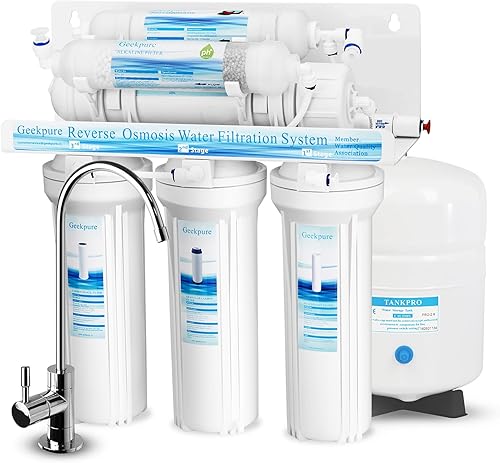
| Geekpure 6-Stage RO with Alkaline | 75 GPD, remineralization, NSF membrane | $239 | Amazon eBay |
| Geekpure 5-Stage RO + 7 Filters | 75 GPD, 2-year filter supply included | $239 | Amazon eBay |
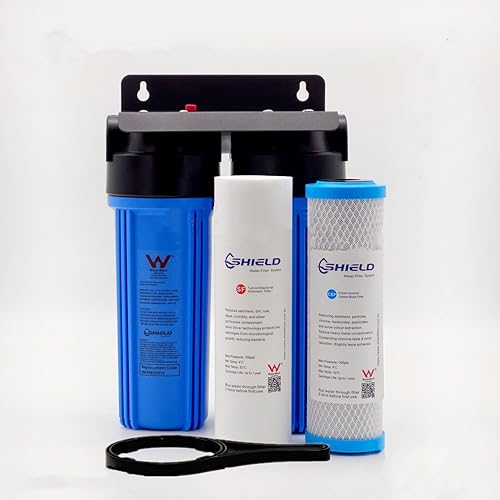
| Twin Whole House Filter System | 2-stage, 99.99% chlorine removal, heavy duty | $99 | Amazon eBay |

1. Sawyer Products One-Gallon Gravity System
This is our top pick for emergency preparedness or a secondary drinking water source. We’ve used this on camping trips and as a backup during power outages. It’s dead simple: fill the bag, hang it, and let gravity do the work. The 0.1-micron absolute filter is a beast, removing bacteria, protozoa, and even microplastics. It won’t help with chemical contaminants or hardness, but for biological safety, it’s incredible value.
- Exceptional 0.1-micron filtration
- No power, pumps, or plumbing needed
- Highly portable and lightweight
- Very low cost per gallon
- Only treats water for drinking/cooking
- Flow rate is slow (gravity-fed)
- Does not remove chemicals, heavy metals, or hardness
2. Geekpure 6-Stage RO with Alkaline Filter
If your well water test shows high TDS, heavy metals, or you just want the purest drinking water possible, a reverse osmosis system is the answer. This 6-stage model adds an alkaline remineralization filter, which puts back beneficial minerals like calcium and magnesium for better taste. In our experience, this step makes RO water taste less “flat.” The NSF-certified membrane is a big trust signal. It’s a solid, under-sink workhorse.
- Removes up to 99% of contaminants (lead, arsenic, fluoride)
- Alkaline stage improves taste
- NSF-certified RO membrane
- Includes lead-free faucet
- Requires installation under sink
- Wastes some water (typical for RO)
- Needs filter changes every 6-12 months

3. Geekpure 5-Stage RO + 7 Extra Filters
This is the value play. It’s essentially the same core 5-stage RO system as the one above but comes with a full set of replacement filters—that’s enough for about two years of use. Honestly, most people don’t need the alkaline stage, so this is a smarter buy if you’re budget-conscious. The upfront cost is identical, but you’re getting years of maintenance covered. The performance is excellent for removing well water contaminants.
- Includes 7 extra filters (2-year supply)
- NSF-certified membrane and tank
- Standard size filters are easy to find later
- Great long-term value
- Does not include alkaline remineralization
- Installation required
- Standard RO water waste ratio
4. Twin Whole House Water Filter System
This is your foundational whole-house setup. The two-stage design is smart: the first filter catches sediment, the second carbon filter tackles chlorine, odors, and some chemicals. It’s not a standalone solution for bacteria or heavy metals, but it’s the perfect first line of defense. We like the heavy-duty housing and brass ports—they feel built to last. Pair this with a UV light or an under-sink RO system, and you’ve got a complete, affordable well water treatment package.
- Protects appliances and plumbing
- Improves water for showering and whole house
- High-capacity carbon removes 99.99% chlorine
- Heavy-duty, durable construction
- Does not remove bacteria, viruses, or dissolved minerals
- Requires space and basic plumbing to install
- Cartridges need regular replacement
Frequently Asked Questions
- How often should I test my well water?
- Test it annually for bacteria and nitrates. Test it every 3-5 years for a full panel including heavy metals and pH. Always test if you notice a change in taste, odor, or color, or if there’s flooding or nearby construction.
- Can I use a single filter for my whole well?
- It’s possible but rare. A single “whole-house” filter usually only handles sediment and chlorine. For comprehensive safety from bacteria, viruses, and heavy metals, you almost always need a multi-stage system combining sediment, carbon, UV, and/or RO.
- What’s the most common contaminant in well water?
- It varies by region, but bacteria (like E. coli) and nitrates (from fertilizer runoff) are the most frequent culprits we see in test results. Hardness (calcium and magnesium) is also extremely common.
- Do I need a water softener or a filter?
- Different jobs. A softener removes hardness minerals (calcium/magnesium) to prevent scale. A filter removes contaminants (bacteria, lead, sediment). Many homes with hard well water need both: a softener to protect pipes and a filter to make the water safe and tasty.
- Is reverse osmosis water safe to drink long-term?
- Absolutely. RO water is pure H2O. The concern about demineralization is overstated—you get the vast majority of minerals from food, not water. If you’re worried, choose an RO system with a remineralization stage, like the Geekpure 6-stage model.
- What size whole-house filter do I need?
- Look at the flow rate (GPM). Count your bathrooms. A 1-2 bathroom home needs 10 GPM. A 3-4 bathroom home needs 15 GPM or more. An undersized filter will cripple your water pressure when multiple taps are running.
Final Thoughts
Choosing the right water filter systems for wells isn’t about buying the most expensive gadget. It’s about matching the solution to your specific water chemistry. Start with that test. It’s the best $100 you’ll spend. For most folks, a combination approach wins: a whole-house sediment and carbon filter (like the twin system we reviewed) to protect your home, paired with a point-of-use reverse osmosis system under the kitchen sink for pristine drinking water.
Don’t overcomplicate it. Get the data, pick the right tools for the job, and stick to a maintenance schedule. Your well water can be safe, clean, and taste great. We’ve seen it happen countless times. It just takes a bit of knowledge upfront. And if you’re ever in doubt, a good local water treatment professional is worth their weight in gold.
