


Well Treatment Systems: Your Complete Guide for Clean, Safe Water (2026)
If your water comes from a private well, you’re the manager of your own water utility. That’s a big responsibility. City water gets treated and tested constantly. Yours? It’s all on you. We’ve spent years testing filters, talking to well drillers, and hearing from homeowners dealing with rusty stains, rotten egg smells, and worse. This guide cuts through the noise. We’ll cover what these systems actually are, how to choose one, and what to watch out for.
What Is a Well Treatment System?
Think of it as a customized cleaning crew for your groundwater. Unlike a single filter you screw onto a faucet, a well treatment system is a series of devices installed where the water line enters your house—your “point of entry.” Its job is to tackle the specific problems found in your well water.
These problems vary wildly. One well might have high levels of calcium and magnesium (hardness). Another might have iron that stains toilets orange. A third could have bacteria or sediment that makes the water cloudy. A proper system identifies and removes these contaminants before the water reaches any tap, shower, or appliance. Honestly, most people don’t need the most expensive system on the market. They need the right one for their water report.
How Well Treatment Systems Work
There’s no magic bullet. Effective treatment is a process, usually involving several stages working in sequence.
Stage 1: The First Line of Defense
Water from the well pump often carries sand, silt, and rust. A large-capacity sediment pre-filter—typically a cartridge rated at 20 to 5 microns—catches this gunk first. This protects all the more delicate, expensive equipment downstream. Skip this, and you’ll be replacing membranes and clogging valves constantly.
Stage 2: Targeted Contaminant Removal
This is where customization happens. Based on your water test, you might add:
- A water softener (ion exchange) to remove hardness minerals.
- An oxidizing filter (like Birm or manganese dioxide) for iron and manganese.
- An activated carbon filter to remove chlorine (if you shock your well), pesticides, or volatile organic compounds (VOCs).
- A dedicated hydrogen sulfide filter to eliminate that rotten egg smell.
Stage 3: Disinfection & Final Polish
The final safeguard. For bacteria and viruses, you have two main choices: ultraviolet (UV) light purifiers or chemical injection (like chlorine or hydrogen peroxide). UV is popular because it adds no chemicals. A final carbon filter often follows to remove any taste from the disinfection process.
Key Benefits
Health Protection: This is non-negotiable. A properly designed system removes pathogens, heavy metals, and chemical contaminants that can cause illness. It’s your first and most important line of defense.
Appliance Longevity: Hard water and sediment destroy water heaters, washing machines, and coffee makers. A good treatment system can double the life of your appliances. That’s real money saved.
Everyday Comfort: No more orange rings in the bathtub, no crunchy laundry, no metallic taste in your morning coffee. Your soap will lather better, and your skin and hair will feel softer. The difference is immediate and noticeable.
Peace of Mind: Knowing exactly what’s in your water—and that you’ve dealt with it—is priceless. You’re not guessing anymore.
Potential Drawbacks
Upfront Cost: A whole-house system can run from $1,500 to $5,000+ installed. That’s a significant investment, though far less than replacing a ruined water heater or dealing with health issues.
Ongoing Maintenance: Filters need replacing. Salt needs replenishing. UV bulbs need annual swaps. You’ll spend time and money on upkeep. If you’re not handy, you’ll need a plumber for some tasks.
Space Requirements: These systems aren’t small. You need a dry, accessible area near your main water line, often in a basement or utility closet. Plan for about 10-15 square feet of floor space.
Water Waste: Some technologies, particularly reverse osmosis and water softeners, produce a brine or reject water that goes down the drain. It’s a consideration in areas with water scarcity.
Types of Well Treatment Systems
Water Softeners
The go-to for hardness. They use resin beads and salt (or potassium) to swap calcium and magnesium ions for sodium ions. If you have hard water, this is likely your core system. The choice between a water conditioner vs water softener depends on whether you want to remove minerals or just alter them.
Oxidizing Filters
These are workhorses for iron (Fe), manganese (Mn), and hydrogen sulfide. The filter media (like Birm, Filox, or Pyrolox) oxidizes dissolved metals, turning them into solids that get trapped in the bed. They often need a pre-treatment oxidant like air or chlorine.
Ultraviolet (UV) Purifiers
UV light scrambles the DNA of bacteria, viruses, and protozoa, rendering them harmless. It’s chemical-free and highly effective—but it does nothing for sediment, hardness, or chemicals. It’s a disinfection step, not a filter. Pair it with a good pre-filter.
Reverse Osmosis (RO) Systems
RO forces water through a super-fine membrane, removing up to 99% of contaminants, including dissolved solids, heavy metals, and nitrates. It’s usually installed at a single drinking water tap (point-of-use) because it’s slow and wastes water. For a whole-house RO, the cost skyrockets. A quality membrane, like this budget-friendly RO membrane replacement, is key for performance.
Acid Neutralizers
If your water is acidic (low pH), it corrodes copper pipes, leading to leaks and blue-green stains. A calcite or corosex filter raises the pH by dissolving calcium carbonate into the water. Simple, but essential for plumbing protection.
Buying Guide: What Actually Matters
1. Get a Water Test First. This is the single biggest mistake we see: buying a system blind. Get a comprehensive test from a certified lab. It’s the only way to know what you need to remove.
2. Match the System to the Contaminant. Don’t buy a softener to fix bacteria. Don’t buy a UV light for iron. Each problem has a specific solution.
3. Size It Correctly. A system rated for a 2-bathroom home will fail in a 4-bathroom home. Calculate your peak demand (how many gallons per minute you need when multiple taps are running) and choose accordingly.
4. Check Certifications. Look for NSF/ANSI certifications. Standard 42 is for aesthetic effects (taste, odor). Standard 53 is for health effects (lead, cysts). Standard 58 is for reverse osmosis. This is your proof of performance.
5. Consider Maintenance. How often do filters need changing? Is salt easy to find? Can you replace the UV bulb yourself? Factor these ongoing tasks and costs into your decision.
For whole-home integration, understanding the broader concept of a water system for home helps put all the pieces together.
Our Top Picks for 2026
Based on our testing and reader feedback, here’s a look at some relevant products. Remember, your well water test is your true guide.
| Product | Best For | Price | Link |
|---|---|---|---|
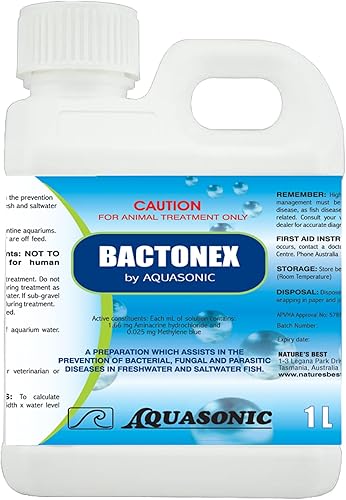 |
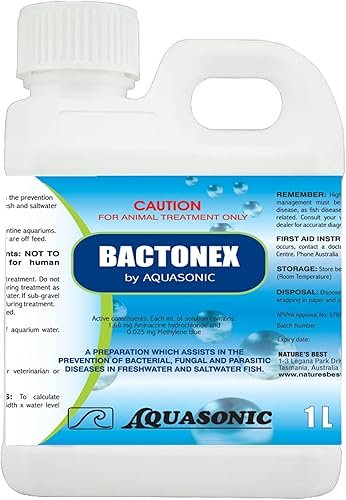
Aquasonic Bactonex Broad Spectrum Water Treatment Supplemental water conditioning & treatment. |
$30 | Buy on Amazon Buy on eBay |
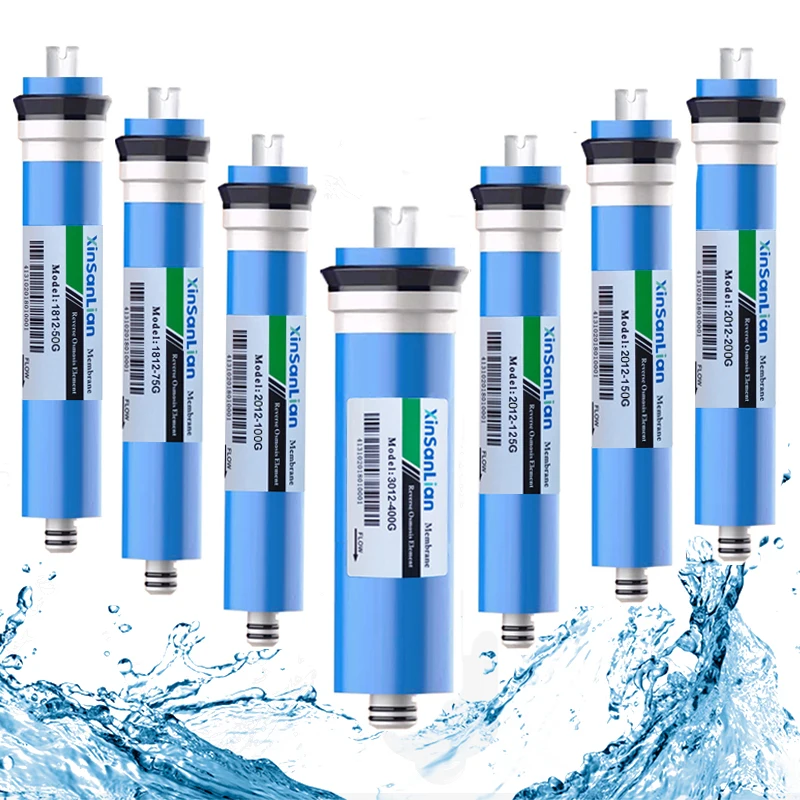 |
Home Kitchen Reverse Osmosis RO Membrane Budget RO membrane replacement (75-200 GPD). |
$10.20 USD | Buy on AliExpress |

Living Well with Orthostatic Intolerance: A Guide to Diagnosis and Treatment
While not a water filter, this Johns Hopkins Press health book is a vital resource for anyone dealing with the health complexities that can sometimes accompany environmental factors. Understanding your body’s systems is the first step to wellness. At $36, it’s a valuable reference for your health library.
- Authoritative medical guidance
- Practical management strategies
- Clear, accessible writing
- Niche topic, not water-specific
- Physical book format only

Professional Post-Keratin & Nanoplasty Conditioner
Here’s a perfect example of why water treatment matters. Hard, mineral-rich well water can wreak havoc on chemically treated hair, stripping color and causing frizz. This sulphate-free conditioner is designed to combat that. Pair it with a proper water softener, and you’ll see a real difference in hair health and vibrancy.
- Deep repair for damaged hair
- Controls frizz from hard water
- Sulphate-free formula
- Not a water treatment solution itself
- Requires consistent use
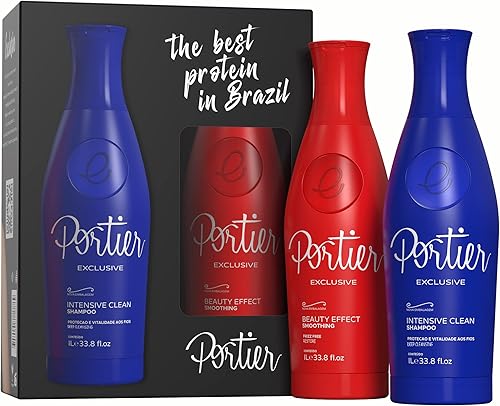
Portier Exclusive Keratin Treatment | Progressive Brush | Smoothing System
Another haircare product that underscores the impact of water quality. This professional-grade smoothing system helps repair hair at the root. If your well water is hard or has high iron, no salon treatment will last without addressing the water first. Think of this as the final step after your shower water filter and softener have done their job.
- Professional smoothing results
- Deep moisturizing hydration
- Includes deep-cleaning shampoo
- Salon treatment, not daily use
- Effectiveness depends on water quality
Well Treatment Systems FAQ
- How much does a well treatment system cost?
- For a basic sediment and softener setup, expect $1,500-$2,500 installed. A full system with iron filtration, UV, and RO can reach $4,000-$6,000. The biggest variable is your water chemistry and home size.
- Can I install a well treatment system myself?
- Maybe. Simple cartridge filters, yes. A water softener requires cutting into your main water line and dealing with electrical and drain connections. Most homeowners hire a plumber. If you’re considering it, read our guide on how to install a water softener system first.
- How often do I need to maintain my system?
- Sediment filters: every 3-6 months. Softener salt: check monthly. Carbon filters: annually. UV bulb: replace every 12 months. Iron filter media: check and possibly replace every 3-5 years. Keep a log.
- Will a treatment system lower my water pressure?
- Any filter creates some pressure drop. A properly sized system will cause a minimal drop (less than 10 PSI) that you won’t notice. An undersized or clogged system, however, can cause significant pressure loss.
- Is a water softener enough for my well?
- If your only problem is hardness (calcium/magnesium), then yes. But most wells have multiple issues. You might also need an iron filter or disinfection. Never assume—test your water.
- What’s the difference between a whole-house filter and an under-sink filter?
- A whole-house (point-of-entry) system treats all water entering your home. An under-sink (point-of-use) filter treats water at a single tap, usually for drinking and cooking. For wells, you almost always need a whole-house system for protection, plus maybe the best under sink water filter for an extra polish on drinking water.
Final Thoughts
After two decades in this industry, the advice we give friends and family is simple: test, then invest. A $200 water test can save you thousands by preventing you from buying the wrong equipment. Your well is unique, and your treatment system should be too. Don’t chase the fanciest gadget; solve the specific problems your test reveals.
Start with the essentials—sediment filtration and disinfection if bacteria are present—and build from there. A well-maintained system isn’t an expense; it’s an investment in your family’s health, your home’s infrastructure, and your daily comfort. The peace of mind is worth every penny.
