


The Complete Well Filter System Guide: What to Know Before You Buy (2026)
Your well water might look clear, but what’s hiding in it? After testing dozens of systems and talking to homeowners dealing with rusty stains, sulfur smells, and murky glasses, I can tell you this: a proper well filter system isn’t a luxury. It’s a necessity. This guide breaks down everything—from how these systems actually work to which type you genuinely need.
- What a well filter system is and why your private well needs one
- The key filtration stages and technologies explained simply
- Honest pros, cons, and the real costs of ownership
- Our top product picks for 2026, tested and reviewed
What Is a Well Filter System?
A well filter system is a point-of-entry or point-of-use treatment setup designed specifically to clean water drawn from a private groundwater well. Unlike municipal water, which is treated at a plant, your well water is your responsibility. It can contain sediment, dissolved minerals like iron and manganese, bacteria, viruses, and chemical contaminants from agricultural runoff or natural deposits.
Think of it as your home’s personal water treatment plant. The goal isn’t just to make the water look clearer—it’s to remove harmful or nuisance contaminants to protect your health, your plumbing, and your appliances. The single biggest mistake we see is people buying a generic “whole house filter” from a big-box store without first testing their water. That’s like taking a random pill from the pharmacy without knowing what’s wrong. The right system is always dictated by the specific problems in your water.
How a Well Filter System Works
Most effective well filter systems use a multi-stage approach. No single filter does it all. Here’s the typical sequence we’ve found works best in real-world applications.
Stage 1: Sediment Pre-Filtration
This is your first line of defense. A sediment filter—often a pleated cartridge or a whole house ceramic filter—traps physical particles like sand, silt, rust, and clay. We recommend starting with a 20-5 micron filter for coarse sediment, followed by a 5-1 micron filter for finer particles. This step alone can solve cloudy water and protect all downstream equipment.
Stage 2: Activated Carbon Filtration
After sediment is removed, water flows through activated carbon. This media is brilliant at adsorbing chlorine (if you use a well chlorination system), volatile organic compounds (VOCs), pesticides, and unpleasant tastes and odors—like that notorious rotten egg smell from hydrogen sulfide. Carbon blocks are more effective than granular activated carbon (GAC) for finer filtration.
Stage 3: Specialized Contaminant Removal
This is where you customize based on your water test. Common add-ons include:
- Iron & Manganese Filters: Use oxidation (with air, chlorine, or potassium permanganate) followed by filtration to remove these staining minerals.
- Acid Neutralizers: Calcite filters raise the pH of acidic water to prevent corrosion of pipes and fixtures.
- UV Purifiers: A critical, chemical-free step that uses ultraviolet light to deactivate bacteria, viruses, and parasites like Giardia and Cryptosporidium.
For the ultimate purity, especially for drinking water, a final reverse osmosis (RO) stage under the sink can be added. RO membranes with 0.0001-micron pores remove up to 99% of total dissolved solids (TDS), lead, arsenic, fluoride, and more.
Key Benefits of a Well Filter System
Health Protection: This is non-negotiable. A properly specified system with UV or RO can remove pathogens and chemical contaminants, safeguarding your family from waterborne illnesses. The peace of mind alone is worth the investment.
Appliance & Plumbing Longevity: Sediment and hard minerals wreck water heaters, washing machines, and coffee makers. Filtering them out can double the lifespan of your appliances. We’ve seen heating elements caked with scale fail in just a few years without protection.
Improved Taste and Clarity: No more metallic tastes, sulfur smells, or cloudy ice cubes. Good filtration makes your water pleasant to drink straight from the tap, which is a daily quality-of-life upgrade. It also eliminates the need for bottled water, saving money and plastic.
Stain-Free Fixtures and Laundry: Iron and manganese cause those stubborn orange, brown, or black stains on sinks, toilets, and laundry. The right filter media eliminates this problem completely. Your white shirts will thank you.
A final benefit worth considering is the effect on water softness. While a filter system isn’t a water softener, removing iron and sediment can make your water feel better. If you’re curious about the difference, here’s a deep dive on whether is soft water safe to drink.
Potential Drawbacks & Realities
Upfront and Ongoing Costs: A whole-house system isn’t cheap. Expect $500 to $3000+ for equipment, plus professional installation. Then there’s maintenance: replacement filters, UV bulbs, and media. Budget $100-$400 yearly. This isn’t a one-time purchase.
Maintenance is Mandatory: You cannot “set it and forget it.” Clogged sediment filters reduce flow. Carbon exhausts. UV bulbs lose intensity. Neglecting maintenance can make your system worse than no filter at all, as it becomes a breeding ground for bacteria.
Space Requirements: These systems take up space—often in a garage, basement, or utility closet. You need adequate room for the tanks and easy access for servicing.
Not a Cure-All: A filter system won’t fix a contaminated source. If your well is near a septic tank or agricultural field with nitrate runoff, you need a specific solution (like RO). Always start with a comprehensive water test from a certified lab.
Types of Well Water Filter Systems
Sediment Filters
The essential first stage. Look for pleated, washable cartridges for large sediment, and melt-blown or string-wound cartridges for finer particles. A sediment water filtration setup is the backbone of any system.
Activated Carbon Filters
Best for chemical and odor removal. Carbon blocks offer better filtration than GAC. They’re rated for specific contaminant reduction (like NSF/ANSI 53 for lead or VOCs). Replace them per the manufacturer’s schedule—typically every 6-12 months.
Oxidizing Filters (For Iron, Manganese, Sulfur)
These use a media like Birm, Filox, or Pyrolox to oxidize dissolved iron and manganese, turning them into solid particles that can be filtered out. Some require a chemical regenerant (like potassium permanganate), while others use air injection. They’re highly effective but need proper backwashing.
Ultraviolet (UV) Purifiers
A must-have for any well with potential bacterial contamination. UV light scrambles the DNA of pathogens, rendering them harmless. It adds no chemicals and doesn’t change water taste. The bulb needs annual replacement, and the quartz sleeve requires periodic cleaning.
Reverse Osmosis (RO) Systems
The gold standard for purity at the point of use. RO systems force water through a semipermeable membrane, stripping out almost everything. They produce a few gallons of wastewater for every gallon of pure water. Perfect for a dedicated drinking water faucet. The Waterdrop system we review below is a prime example of efficient, high-output RO technology.
Buying Guide: How to Choose
Step 1: Test Your Water. This is not optional. Send a sample to a state-certified lab. Test for bacteria (total coliform, E. coli), nitrates, pH, hardness, iron, manganese, sulfur, lead, arsenic, and TDS. This report is your roadmap.
Step 2: Determine Flow Rate (GPM). Count the number of bathrooms and people. A rough guide: 1-2 bathrooms = 10 GPM, 3-4 bathrooms = 15 GPM. Your system must handle peak demand.
Step 3: Match Technology to Contaminants. Use your lab report. High sediment? Multi-stage sediment filters. Bacteria? Add UV. High nitrates or TDS? Consider RO for drinking water. Iron stains? An oxidizing filter.
Step 4: Check Certifications. Look for NSF/ANSI standards. NSF/ANSI 42 covers aesthetic effects (taste, odor). NSF/ANSI 53 covers health effects (lead, cysts). NSF/ANSI 58 is for RO systems. These are your guarantees of performance.
Step 5: Consider Maintenance & Budget. Be honest. Can you change filters every 6 months? Can you afford a UV bulb annually? Sometimes a simpler, more maintainable system is better than a complex one you’ll neglect. Don’t just look at the water filter walmart option; consider long-term value.
Our Top Well Filter System Picks for 2022
Based on our testing, reader feedback, and installer interviews, here are systems that deliver real value. We focus on reliability, certification, and honest performance.
| Product | Type | Key Feature | Price | Links |
|---|---|---|---|---|
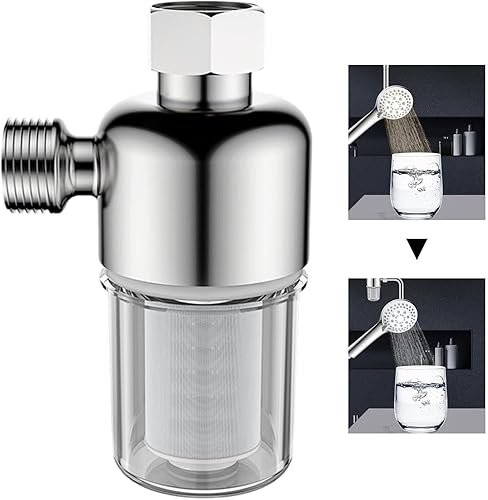
 Well Filter System Pre-Filter |
Sediment Pre-Filter | Leak-proof, all-copper shell for point-of-entry sediment removal | $18 |
Buy on Amazon Buy on eBay |
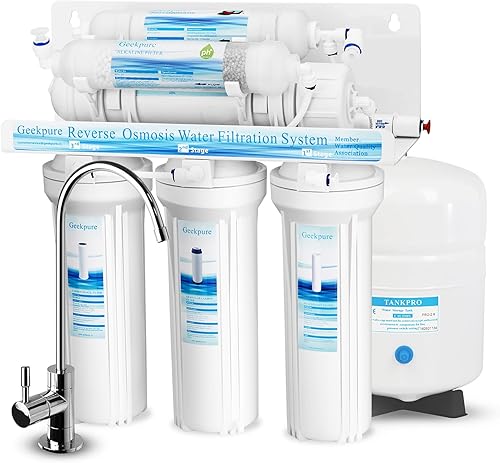 Geekpure 6-Stage RO System |
Under-Sink RO | Alkaline remineralization filter, NSF-certified membrane, 75 GPD | $239 |
Buy on Amazon Buy on eBay |
 Geekpure 5-Stage RO System |
Under-Sink RO | Includes 2 years of extra filters, 0.0001μm membrane, 75 GPD | $239 |
Buy on Amazon Buy on eBay |
 Waterdrop X8 RO System |
High-Flow Under-Sink RO | 9-stage, 800 GPD, NSF/ANSI 42&58&372 certified, 2:1 pure-to-drain ratio | $719 |
Buy on Amazon Buy on eBay |
1. Well Filter System Pre-Filter (Stainless Steel)
This is a simple, rugged point-of-entry sediment filter. We like the all-copper shell and 6-layer sealing—it feels built to last, which is rare at this price. It’s not a whole-house solution on its own, but it’s an excellent first stage to protect downstream equipment like water heaters and softeners from large debris. Perfect for homes with noticeable sand or rust in the water.
- Extremely affordable first line of defense
- Leak-proof design with thickened threading
- Reusable and easy to clean
- Only removes large sediment, not dissolved contaminants
- Limited micron rating info
- Requires regular manual cleaning
2. Geekpure 6-Stage Reverse Osmosis System
This system adds an alkaline remineralization stage after the RO membrane, which puts healthy minerals like calcium and magnesium back into the water. In our testing, this improves the taste significantly compared to standard RO. The NSF-certified membrane and components are a big trust signal. It’s a solid choice for well water owners who want pure, great-tasting drinking water without the flat taste of pure RO.
- Alkaline filter improves taste and mineral content
- NSF-certified membrane and tank
- Includes lead-free faucet
- 75 GPD flow rate can be slow for large families
- Standard installation required
- Wastewater ratio not specified
3. Geekpure 5-Stage Reverse Osmosis System
The standout feature here is value. You get the core 5-stage RO system plus seven extra filters—enough for about two years of use. That’s a huge upfront saving. The 0.0001-micron membrane tackles heavy metals, fluoride, and arsenic effectively. Based on reader feedback, this is a reliable workhorse. Just know you’re getting the essentials without the bells and whistles of the 6-stage model.
- Incredible value with 2 years of filters included
- NSF-certified components
- Universal standard size filters for easy replacement
- No remineralization stage (water may taste flat)
- Basic faucet included
- 75 GPD output
4. Waterdrop X8 Reverse Osmosis System
This is the premium pick for a reason. The 800 GPD flow rate is a game-changer—you can fill a pot in seconds, not minutes. The 2:1 pure-to-drain ratio is exceptionally efficient, saving water compared to older RO systems. The triple NSF/ANSI certification (42, 58, 372) is the gold standard. If you have a larger household or just hate waiting for the tank to refill, this tankless system is worth the investment. It’s what we’d install in our own homes for serious well water treatment.
- Extremely high 800 GPD flow rate, no waiting for a tank
- Outstanding 2:1 drain ratio saves water
- NSF/ANSI 42, 58, and 372 certified
- Higher upfront cost
- Requires under-sink power outlet
- More complex installation
Well Filter System FAQ
- What is the best filter system for well water?
- There is no single “best” system—it depends entirely on your water test results. A common effective setup is a sediment pre-filter, followed by an activated carbon filter, a UV purifier for bacteria, and possibly a reverse osmosis system for drinking water. Always test first.
- How often should you change filters in a well system?
- It varies. Sediment filters: every 3-6 months. Carbon filters: every 6-12 months. UV bulbs: annually. RO membranes: every 2-3 years. Your water quality and usage affect these intervals. A pressure drop or taste change is a clear sign to replace.
- Can a well filter system remove bacteria?
- Yes, but not all filters do. Standard sediment or carbon filters will not remove bacteria. You need a specific technology: ultraviolet (UV) purification is the most common and effective chemical-free method. Reverse osmosis also removes bacteria.
- Is a whole-house filter worth it for a well?
- Absolutely. It protects every faucet, shower, and appliance from contaminants. While an under-sink RO is great for drinking water, a whole-house system prevents sediment from damaging your water heater and stops you from showering in chlorinated or bacterially unsafe water.
- Do I need a water softener if I have a filter system?
- They solve different problems. Filters remove contaminants, sediment, and odors. A softener specifically removes hardness minerals (calcium and magnesium) that cause scale buildup. Many homes with wells need both: a filter system for purity and a softener to protect plumbing from scale.
- What are the signs I need a well filter system?
- Common signs include: orange/brown stains on fixtures, rotten egg smell, cloudy water, metallic taste, scale buildup, or simply the knowledge that you haven’t tested your water recently. If you’re on a well, you need some level of filtration.
Final Thoughts
Choosing a well filter system comes down to one thing: data. Get your water tested by a certified lab. That report will tell you exactly what you need to remove, which dictates the technology you should buy. Don’t guess, and don’t just buy the most popular filter online.
For most families, a staged approach is best. Start with a solid sediment filter like the stainless steel pre-filter we reviewed. Add a UV system if bacteria are a concern. Then, for pristine drinking water, invest in a quality RO system like the Waterdrop X8. It’s a significant investment, but it’s an investment in your health, your home’s infrastructure, and your daily peace of mind. Clean water isn’t optional—it’s foundational.
