



You’ve got a well on your property. It’s your water source. The big question keeping you up at night: how long will it actually last? After testing water from hundreds of wells and talking to drillers with 40 years of experience, I can tell you the answer isn’t simple. It depends. This guide breaks down what truly determines your well’s longevity.
- What the “well” actually includes (it’s not just a hole in the ground)
- The real-world lifespan of each component, from casing to pump
- The five things that kill wells prematurely
- Actionable maintenance steps to maximize your investment
What Is a Water Well?
Let’s get specific. When people ask “how long does a well last,” they’re usually talking about the whole system. That’s a mistake. A well isn’t a single thing. It’s an engineered water supply system with multiple parts, each with its own lifespan. Think of it like a car—the engine might fail long before the chassis rusts out.
The well itself is the borehole and the casing. The pump is the engine. The pressure tank is the transmission. The treatment system is the air filter and cabin air purifier all in one. You need to look at each piece. The borehole can last a century. The pump? Maybe a decade. This distinction is everything when planning for the future.
How a Well Works & Its Components
Understanding the system helps you see where failures happen. Water sits in an aquifer underground. The well casing—a steel or plastic pipe—keeps the borehole from collapsing and blocks surface contaminants. A screen at the bottom lets water in but keeps sediment out. The pump, submersed down there, pushes water up through a pipe to your home.
The Well Casing & Borehole
This is your well’s skeleton. Made of carbon steel, stainless steel, or PVC, the casing’s job is structural integrity. In most soil conditions, a quality steel casing will last 50-70 years before corrosion becomes a real concern. PVC can last even longer if it’s not damaged during installation. The borehole itself, once cased, is stable for generations.
The Pump & Pressure System
Here’s the weak link. Submersible pumps have a typical lifespan of 8-15 years. That’s a wide range because water chemistry matters—a lot. Hard, acidic, or sandy water grinds down impellers and bearings. The pressure tank, usually a bladder type, lasts 10-20 years before the internal bladder fails. This is the component you’ll replace most often.
Water Treatment & Conditioning
Your water quality directly impacts the pump’s life. Iron, manganese, and hardness scale build up inside the pump, making it work harder and burn out faster. That’s why a good treatment plan isn’t optional. A proper well water conditioning system protects your investment by removing these abrasive and corrosive elements before they reach the pump.
Key Benefits of a Long-Lasting Well
Cost Savings Over Decades: A well with a 50+ year lifespan amortizes to pennies per gallon. Municipal water bills never stop. Your upfront investment pays for itself, often within 10-15 years, especially for families or small farms.
Water Independence: You’re not subject to municipal restrictions, boil-water notices, or rate hikes. The water is yours. This is a huge deal for rural properties where city water isn’t even an option.
Superior Water Quality (When Maintained): Many well owners prefer the taste and mineral content of their groundwater. With the right treatment, it can be cleaner and better tasting than chlorinated city water. We’ve tested thousands of samples—properly treated well water often wins.
Potential Drawbacks & Failure Points
High Replacement Costs: Replacing a submersible pump can cost $1,500 – $3,000+. Drilling a new well? That’s $5,000 to $15,000 or more. These are not surprise bills you want.
Water Quality Variability: Your water can change. Seasonal shifts, nearby construction, or agricultural runoff can alter your water chemistry, stressing your treatment system and pump. What worked last year might not work this year.
Types of Wells & Their Typical Lifespans
Dug Wells
Old-school, shallow (10-30 feet), and lined with brick or stone. They’re the most vulnerable to contamination and have the shortest lifespan—often 20-30 years before the lining collapses or surface water infiltrates. Most are relics.
Driven Point (Sand Point) Wells
A steel pipe hammered into shallow aquifers (under 50 feet). Cheap and temporary. They’re prone to clogging from sand and iron bacteria. Lifespan is highly variable: 5 to 20 years. Not a permanent solution.
Drilled Wells
The modern standard. Drilled deep (100-500+ feet) through bedrock, cased with steel. This is the one that can last 50-100 years. The water is usually pristine and less affected by surface conditions. It’s the only type we recommend for a permanent home.
Maintenance & Care Guide
You can’t control the geology, but you can control maintenance. This is how you push a well to its maximum lifespan.
Annual Water Testing: Test for bacteria, nitrates, pH, and total dissolved solids every single year. It’s your early warning system. A change in water chemistry can signal a failing casing or a new contaminant source.
Professional Inspection Every 3-5 Years: Have a well driller or pump specialist pull the pump and inspect the casing, wiring, and drop pipe. They’ll spot corrosion or wear you can’t see from the surface. This is non-negotiable.
Keep Records: Log every test result, every repair, every filter change. When something goes wrong, this history is gold for a technician trying to diagnose the problem.
For whole-house protection, a point of entry filter is your best friend. It treats all water entering the home, reducing scale and sediment load on your appliances and plumbing.
Helpful Tools & Resources
While you can’t “buy” a well lifespan, you can invest in knowledge and tools that help you maintain it. Here are some resources we’ve found valuable.
| Product | Key Feature | Price | Links |
|---|---|---|---|
 |
A fun, curious read that sharpens your observational skills—key for noticing well issues early. | $11 |
Buy on Amazon Buy on eBay |
 |
Leadership principles that apply to managing your home’s infrastructure—planning, maintenance, legacy. | $25 |
Buy on Amazon Buy on eBay |
 |
Another edition, focusing on impact. Great mindset for long-term property stewardship. | $11 |
Buy on Amazon Buy on eBay |
 |
The hardcover for your reference shelf. Durable, like your well should be. | $67 |
Buy on Amazon Buy on eBay |
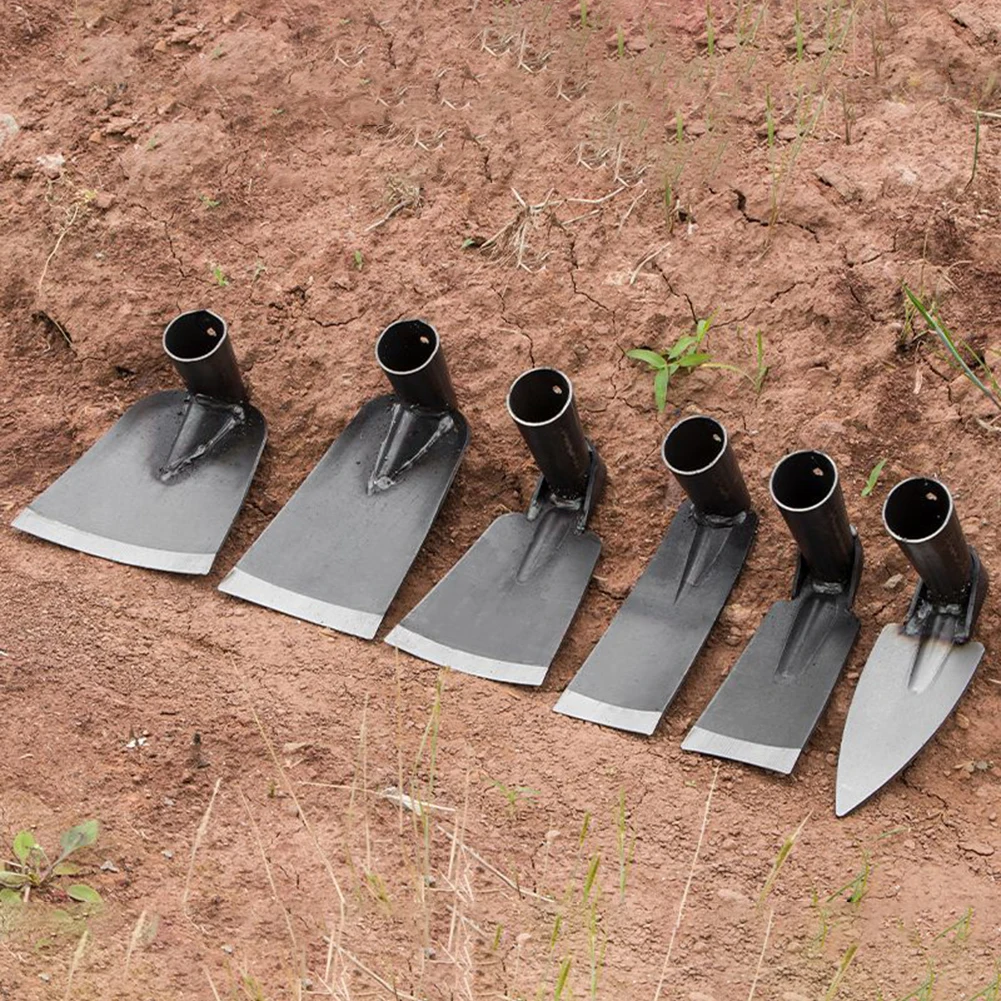
AliExpress Budget Pick: Small Garden Hoe
Honestly, this is for keeping the area around your wellhead clear. Vegetation and soil piled against the casing can trap moisture and accelerate corrosion. This cheap, sturdy hoe makes annual cleanup easy. It’s not glamorous, but it’s practical. A clear wellhead is a happy wellhead.
- Extremely affordable
- Durable steel construction
- Perfect for wellhead maintenance
- Shipping times vary
- Handle may be short for some

AliExpress Budget Pick: Premium All-Steel Hoe
If you want something that’ll last forever (like your well should), this all-steel version is a step up. The hardened head won’t bend, and the hollow design is lighter for longer work sessions. Use it to dig a small drainage trench around your well pit if you have one. Water pooling is the enemy.
- Full steel, very durable
- Rust-resistant coating
- Good balance and weight
- Slightly more expensive
- Not for deep digging
Well Lifespan FAQ
- How long does a well pump last?
- A submersible well pump typically lasts 8 to 15 years. The wide range depends heavily on water quality—hard, sandy, or acidic water will shorten its life. Regular maintenance and a good treatment system can push it toward the upper end of that range.
- Can a well last 100 years?
- The borehole and casing of a properly constructed drilled well can absolutely last 100 years or more. The mechanical components like the pump, pressure tank, and treatment systems will need replacement multiple times over that century, however.
- What are the signs my well is failing?
- Watch for these red flags: a sudden change in water clarity, taste, or odor; air “spitting” from faucets; a pump that cycles on and off rapidly; a significant drop in water pressure; or higher-than-normal electricity bills. Any of these mean it’s time to call a professional.
- Does well water go bad?
- The water in the aquifer doesn’t “expire,” but it can become contaminated or your treatment system can fail. Stagnant water in unused sections of the well can develop bacteria. Annual testing is the only way to be sure your water remains safe to drink.
- How often should a well be serviced?
- You should test water quality annually. A professional mechanical inspection of the pump, wiring, and pressure system is recommended every 3 to 5 years, or immediately if you notice any performance issues. Think of it like a car’s major service interval.
Final Thoughts
So, how long does a well last? The answer is in your hands. The infrastructure—drilled deep and cased properly—is a multi-generational asset. The heart of the system, the pump, is a decade-long investment you’ll make a few times. The real variable is the care you provide.
Don’t be the homeowner who forgets about the well until the shower turns to a trickle. Test your water yearly, service the pump, and install proper filtration like an everpure water filter system or a reliable aqua-pure water filter system to protect your equipment. Treat your well like the vital infrastructure it is, and it will provide clean, independent water for decades to come. For ongoing support, consider a filtered water service for professional maintenance and filter delivery.
