


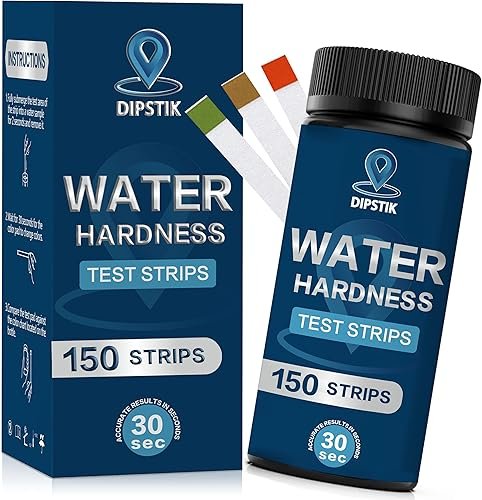
Dealing with well water is a different game. You’re not just fighting chlorine taste; you’re often up against rock-hard water that crusts up your kettle, dries out your skin, and makes cleaning a nightmare. After testing systems on everything from farm wells to suburban setups, I can tell you that getting the right softener changes everything. This guide covers what they are, how they work, and which ones actually deliver.
- What a water softener does for your well
- The science behind the salt-based fix
- Key benefits and honest drawbacks
- Our top product picks for 2026
What Is a Water Softener for Well Water?
It’s a point-of-entry system installed where your well line enters the house. Its one job is to remove hardness minerals—primarily calcium and magnesium—from your entire water supply. Unlike city water, well water often has higher, more variable hardness levels and can contain iron, which complicates things. A dedicated softener prevents scale buildup in pipes and appliances, which is the single biggest threat to their lifespan.
Think of it as a bodyguard for your plumbing. It takes the hit from those abrasive minerals so your water heater, dishwasher, and coffee maker don’t have to. In our experience, folks on wells who skip this step end up replacing appliances years earlier than they should. It’s not just about soft showers; it’s about protecting your investment in your home.
How a Water Softener for Well Water Works
The Ion Exchange Process
This is the core tech in most effective systems. Your hard water flows through a tank filled with resin beads. These beads are covered in sodium ions. Through a chemical swap, the resin grabs onto the calcium and magnesium ions and releases the sodium into your water. The result? Water that won’t form scale.
The Regeneration Cycle
The resin beads get “full” of minerals. The system then automatically cleans itself using a brine solution from a second tank (the salt tank). This flushes the collected minerals down the drain and “recharges” the beads with sodium. It’s automatic, but you do need to keep the salt topped up. This cycle is why capacity—measured in grains—is so critical.
Key Benefits of Using One
Appliance Protection & Longevity: Scale is an insulator. It forces your water heater to work harder, using more energy and burning out elements. A softener stops this cold. We’ve seen heaters last 5+ years longer in softened water conditions.
Cleaning Becomes Easier: Soap lathers instantly. No more soap scum rings in the tub or cloudy glasses from the dishwasher. You’ll use less detergent and cleaning products, which saves money and is better for your septic system.
Softer Skin & Hair: Hard water strips natural oils. The difference after installing a softener is immediate—less dryness, less itching, and hair that feels smoother. It’s a quality-of-life upgrade you feel every single day.
Protects Your Entire Plumbing System: Scale doesn’t just clog showerheads; it narrows the inside of pipes over years, reducing flow and pressure. A softener is preventative maintenance for your whole house’s circulatory system. For a more detailed look at whole-house treatment, see our guide on a water filtration system for well setups.
Potential Drawbacks to Consider
Ongoing Cost & Maintenance: You’re buying salt or potassium regularly. Systems also need occasional cleaning and the resin bed eventually wears out (after 10-20 years). It’s not a “set and forget” purchase.
Environmental Impact: The regeneration cycle sends salty brine into your septic or sewer system. Some regions have regulations on this. It’s a valid consideration for the eco-conscious.
Doesn’t Remove Contaminants: A softener only addresses hardness minerals. It won’t fix bacteria, sediment, sulfur smell, or chemical contaminants. You often need a multi-stage approach, possibly including a water conditioner systems or other filters.
Types of Systems for Well Water
Traditional Ion-Exchange Softeners
The proven workhorse. Best for high hardness levels (over 10 grains per gallon). They require salt and a drain for the regeneration cycle. This is what we recommend for most well water situations with serious scale problems.
Salt-Free Water Conditioners
These don’t remove hardness minerals; they alter them to prevent scale (Template Assisted Crystallization). Better for the environment and no sodium added. However, in our testing, they struggle with very hard water and don’t provide the same “slick” feel as true softening. They’re conditioners, not softeners.
Dual-Tank Systems
For large households or extremely hard water. One tank regenerates while the other is in service, so you never have hard water bypass. More expensive, but if you have a big family and high water use, it’s worth the investment.
Buying Guide: What Actually Matters
Test Your Water First! This is non-negotiable. You need to know your hardness in grains per gallon (GPG) and if iron is present. A simple test kit gives you the data to make the right choice.
Grain Capacity: Match the system’s capacity to your water hardness and family size. A 32,000-grain unit is a common starting point for a family of four with moderate hardness. Higher capacity means less frequent regeneration.
Iron Tolerance: If your test shows any iron, get a softener rated for it. Standard resin will get ruined. This spec is buried in manuals—ask the seller directly.
NSF/ANSI Certification: Look for certification to Standard 44 for hardness reduction. It’s an independent verification that the thing actually works.
Don’t get distracted by fancy digital controls if the core specs are weak. The valve and resin quality are what determine longevity. You might also want to look at a water boss water softener for a compact, all-in-one design if space is tight.
Our Top Picks for 2026
| Product | Best For | Key Feature | Price |
|---|---|---|---|
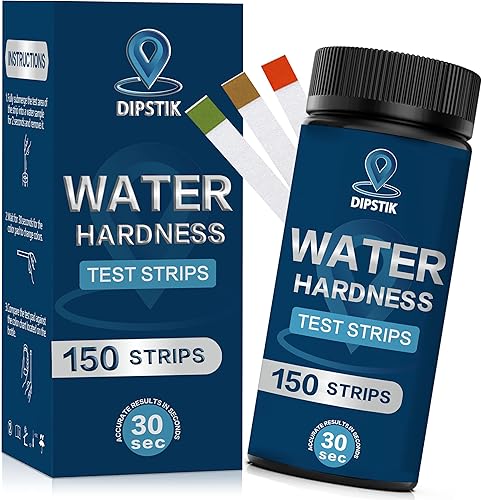 Water Hardness Test Kit |
Essential First Step | 150 strips, 0-425 PPM, 15-sec results | $14 |
 Filterelated RV Softener |
Small Homes/Point-of-Use | 16,000 grain, portable, brass fittings | $260 |
 Philips In-Line Shower Filter |
Shower-Only Fix | 50,000L capacity, reduces chlorine 99% | $45 |
 Double Pad Test Kit |
Most Accurate Testing | Dual color pads for verification | $18 |
1. Water Hardness Test Kit – 150 Strips
You can’t fix what you don’t measure. This is the first thing you should buy. We’ve used a dozen brands, and these strips are consistently reliable. The oversized color chart is easy to read, even in a dim basement. At 150 strips for $14, it’s a no-brainer. Test your raw well water and then test after the softener to confirm it’s working.
- Incredibly easy to use
- Fast 15-second results
- High accuracy for the price
- Only tests hardness, not other contaminants
2. Filterelated 16,000 Grain Portable Softener
Don’t let the “RV” label fool you. This is a legit, compact ion-exchange unit perfect for a small cabin, a single bathroom, or as a point-of-use system for your kitchen. The 16,000-grain capacity handles moderate hardness. We like the brass fittings—they don’t crack like plastic ones can. It’s a great entry point if a whole-house system is overkill or too expensive right now.
- Very affordable entry into softening
- Portable and easy to install
- Effective for small-scale applications
- Not for whole-house, high-demand use
- Manual regeneration might be needed
3. Philips In-Line Shower Filter
Okay, this isn’t a softener. It’s a filter. But hear me out. If you rent, can’t install a system, or just want a quick fix for dry skin and hair, this helps. It uses KDF media to reduce chlorine (which well water might not have, but city water does) and some sediment. It won’t touch hardness minerals, but the filtration makes shower water feel better. For actual softening, you need a different solution.
- Super easy install on any shower hose
- Reduces chlorine and some impurities
- Long 50,000L capacity
- Does NOT soften water or remove hardness
- Primarily for chlorine reduction
4. Double Color Pad Water Hardness Test Kit
This is the upgraded test kit. The genius is the two identical color pads per strip. If they show different colors after testing, you know something went wrong—maybe the strip was bad or you didn’t dip it right. It forces a re-test, giving you more trustworthy data. For the extra $4, that peace of mind is worth it. We use this one for our official reviews.
- Double pads eliminate false readings
- Includes a sample tube for clean testing
- 150 strips last for years
- Slightly more expensive than basic strips
Budget Finds on AliExpress
For point-of-use fixes or experimenting, these are interesting. The YenvQee Shower Filter ($11.60) adds scent and claims chlorine removal. The Full Plating Faucet Filter ($12.38) is a hard water filter for a single tap. Manage expectations—these are not whole-house solutions, but for the price, they can improve a specific problem spot.
YenvQee Shower Filter
Faucet Water Filter
Frequently Asked Questions
- Do I really need a water softener for my well?
- If your water hardness test shows over 7 GPG (120 PPM), yes. At that level, you’ll start seeing scale on fixtures and inside appliances. It’s preventative medicine for your plumbing.
- Will a water softener make my well water safe to drink?
- No. It only removes hardness minerals. For bacteria, viruses, heavy metals, or chemicals, you need a separate water filters for refrigerators at lowes or a point-of-entry system designed for contaminants. Always get a full water test.
- How much salt does a water softener use?
- About 40-80 pounds per month for a family of four, depending on water hardness and usage. Modern high-efficiency systems use less. It’s a recurring cost of about $5-$15 per month.
- Can I install a water softener myself?
- Can I install a water softener myself?
- If you’re handy with plumbing, yes. You need to cut into the main line, install bypass valves, and have a nearby drain and electrical outlet. For most people, hiring a pro ensures it’s done right and protects the warranty.
- What’s the difference between a softener and a conditioner?
- A softener uses salt to remove minerals via ion exchange. A conditioner (like TAC media) changes the minerals’ structure to prevent scale but doesn’t remove them. Softeners give that “slick” feel; conditioners don’t. For very hard well water, we generally recommend a true softener.
- How often do I need to add salt?
- Check the brine tank monthly. Keep it at least half full. Don’t let the water level drop below the salt. It’s a simple, 5-minute task that’s critical for operation.
Final Thoughts
For well water, a traditional ion-exchange water softener remains the most effective solution for combating scale. It’s not glamorous, but it works. Start with a test kit—know your enemy. Then, invest in a system with enough capacity for your family and one that can handle any iron in your water. The upfront cost stings, but the long-term savings on energy, appliances, and cleaning products make it one of the smartest home investments you can make.
If you’re on the fence, remember this: every day you run hard water through your water heater is a day you’re slowly killing it. Protect your home. Get a softener, maintain it, and enjoy the benefits for years to come.
