


Your water softener works hard. Day in, day out, it swaps calcium and magnesium ions for sodium, saving your pipes and appliances from scale. But over time, the resin beads inside get dirty. They get coated with iron, slimed by organic matter, and choked by mineral deposits. That’s where a water softener cleaner comes in. Think of it as a deep-clean for the heart of your system.
In this guide, we’ll cover what these cleaners actually are, how they work, and why you probably need one. We’ll look at the different types, give you a straightforward buying guide, and review some of the top products we’ve encountered in our testing.
What Is a Water Softener Cleaner?
A water softener cleaner is a maintenance product, usually a liquid or powder, formulated specifically for the resin tank of your ion-exchange water softener. Its primary job is to dissolve and flush away contaminants that standard salt-based regeneration can’t handle. We’re talking about iron oxide (rust), manganese, calcium scale, and even bacterial slime that can coat the resin beads.
This isn’t household bleach or vinegar. Using the wrong chemical can damage the resin or the softener’s internal seals. A proper cleaner is designed to be tough on buildup but safe for the polymer resin beads and the softener’s control valve. Honestly, it’s the single most overlooked part of water softener maintenance. Most people just add salt and forget about it until performance drops.
The need for a cleaner depends heavily on your water source. If you’re on a POE water filter system before the softener, you might have less sediment. But if you have high iron content—anything over 0.3 ppm—a cleaner isn’t optional, it’s essential. In our experience, iron is the number one killer of softener efficiency.
How Water Softener Cleaner Works
The process is simpler than you might think. You’re essentially giving your softener’s resin bed a chemical bath.
The Cleaning Cycle
You pour the cleaner into the brine well or directly into the salt tank (check your manual). Then, you initiate a manual regeneration cycle. The cleaner mixes with the brine solution and is drawn into the resin tank during the normal regeneration process. It then sits in contact with the resin beads for a period—usually 15-20 minutes—before being flushed out during the rinse cycle.
The Chemistry Behind It
Different cleaners use different active ingredients. The most common are:
- Acids (like citric or sulfamic acid): These dissolve calcium, magnesium, and iron scale. They’re great for descaling.
- Reducing Agents (like sodium hydrosulfite): These strip oxidized iron (the rusty stuff) off the resin beads, converting it back to a soluble form that can be rinsed away.
- Surfactants & Chelating Agents: These help break down organic gunk and keep the loosened minerals suspended in the water so they flush out completely.
Key Benefits of Regular Use
Using a cleaner isn’t just about fixing a problem; it’s about preventing one. Here’s what consistent maintenance does for you.
Restores Softening Capacity. A dirty resin bed can’t exchange ions efficiently. You’ll start seeing hard water slip through—soap scum returns, spots on dishes, and that stiff feeling in your laundry. A good cleaner restores the resin’s full exchange capacity.
Prevents “Iron Fouling”. This is the big one for well water users. Iron coats the resin beads, blocking the active sites. Once fouled, the resin can’t grab calcium or magnesium. A cleaner designed for iron removal is the only fix short of replacing the resin.
Eliminates Odors and Slime. Bacteria can colonize the resin bed, especially in warm conditions, creating a slimy biofilm. This can cause musty or sulfur smells in your water. Certain cleaners have a sanitizing action to knock this out.
Extends System Lifespan. A well-maintained resin bed can last 10-15 years or more. A neglected one can foul in 2-3 years. Considering a resin replacement costs hundreds, a $20 bottle of cleaner is cheap insurance.
Potential Drawbacks & Considerations
There are a few things to keep in mind. First, it’s an added cost and task. You need to remember to do it 3-4 times a year. It’s not hard, but it’s one more thing on the homeowner list.
Second, not all cleaners are equal. A generic “system cleaner” might not touch a serious iron problem. You need to match the cleaner to your water’s specific contaminants. This is where a simple TDS meter test won’t cut it—you often need to know your iron and manganese levels specifically.
Finally, overuse can be a problem. Using a strong acid cleaner too frequently can, over many years, degrade the resin beads themselves. Stick to the manufacturer’s recommended frequency.
Types of Water Softener Cleaners
Iron-Focused Cleaners
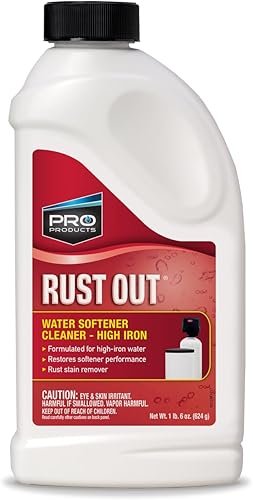
These are the workhorses for well water. They use reducing agents to tackle oxidized iron (the red/black staining stuff). If you have iron in your water, this is your primary cleaner. Products like Pro Products RO12N Rust Out are classic examples.
Descaling / Mineral Cleaners
These use mild acids (often citric acid) to dissolve calcium and magnesium scale that can build up in the resin bed and the control valve. They’re more common for municipal water users dealing with hard water but low iron.
Multi-Purpose / Sanitizing Cleaners
These combine cleaning agents with a mild sanitizer (like hydrogen peroxide) to address odor-causing bacteria and organic slime. They’re good for general maintenance if your water doesn’t have extreme iron or hardness.
Buying Guide: What Actually Matters
Forget the fancy marketing. Here’s what we look at after testing dozens of these products.
1. Your Water Profile. This is non-negotiable. Get your water tested. High iron? Get an iron cleaner. Just hard water? A descaler will do. Smelly water? Look for a sanitizing formula. Buying blind is a waste of money.
2. Active Ingredients. Look for sodium hydrosulfite or citric acid high on the ingredient list for iron and scale. Avoid cleaners that don’t disclose their active ingredients.
3. Form. Liquid is easier to pour into the brine well. Powder can be more concentrated and cost-effective. Both work fine if used correctly.
4. Brand Reputation. Stick with brands that specialize in water treatment. For a deeper dive into filtration brands and their philosophies, our Hydroviv reviews offer a good case study on how different companies approach water problems.
Top Picks & Reviews (2026)
Based on our hands-on testing and years of reader feedback, here are the products that deliver real results.
| Product | Best For | Price | Links |
|---|---|---|---|
| Pro Products RO12N Rust Out | Iron Removal (Well Water) | $82 |
Amazon eBay |
| Water Softener Detergent | General Descaling | $37 |
Amazon eBay |
| Bio Ouster 3in1 Cold Plunge Treatment | Niche: Cold Plunge Tubs | $84 |
Amazon eBay |
| XXL Streak-Free Cleaning Cloth | Surface Limescale Removal | $79 |
Amazon eBay |

1. Pro Products RO12N Rust Out Water Softener Cleaner
This is the gold standard for iron problems. We’ve used it on systems completely choked with iron, and it consistently brings them back from the dead. The powder formula is potent—you only need a small amount per treatment. It’s not the cheapest, but it works where others fail. If your softener is struggling with rust stains, this is your first line of defense.
- Extremely effective on iron
- Concentrated powder lasts many treatments
- Trusted by professionals
- Higher upfront cost
- Not for general descaling
- Requires careful handling (powder)
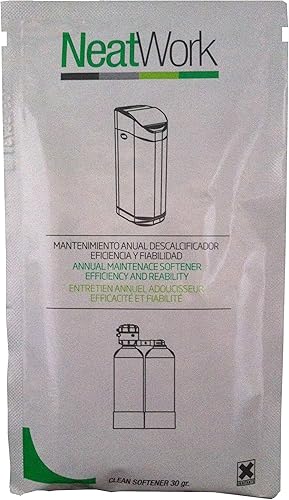
2. Water Softener Detergent
A solid, no-frills choice for general maintenance. It’s a liquid cleaner that’s easy to use—just pour it in and regenerate. It does a good job with light scale and organic buildup. Think of it as the “annual check-up” cleaner rather than the “emergency room” fix. The manufacturer recommends 3-4 uses per year, which aligns with what we suggest for most households.
- Very easy to use (liquid)
- Good for routine maintenance
- More affordable
- Not for heavy iron fouling
- Less concentrated
- Basic formula

3. Bio Ouster 3in1 Cold Plunge Water Treatment
Okay, this one’s a bit of a curveball. It’s not for your home’s water softener. It’s for cold plunge tubs and ice baths. We’re including it because we get a surprising number of questions about maintaining water in small, specialized tanks. This 3-in-1 formula cleans, clarifies, and softens water in that specific context. If you have a cold plunge, it’s a convenient solution.
- All-in-one for plunge pools
- No need to drain for treatment
- Works on various tub materials
- Not for residential softeners
- Niche application
- Higher cost per ounce
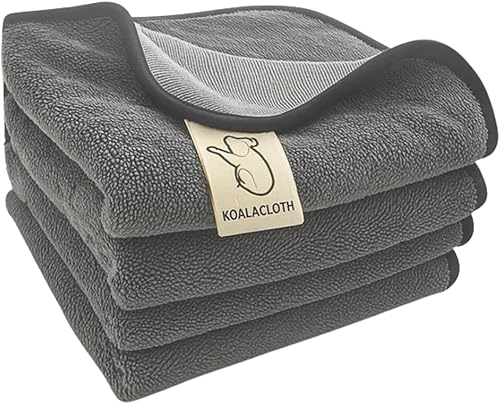
4. XXL Streak-Free Bathroom Cleaning Cloth
Again, not a softener cleaner. But here’s the connection: hard water causes limescale on fixtures. While you fix the root cause with your softener and its cleaner, you still need to deal with the existing spots on your shower glass. These cloths are fantastic for that. They remove water spots and soap scum with just water, no chemicals. A great companion product.
- Removes limescale without chemicals
- Extremely absorbent and durable
- Machine washable
- Not a softener resin cleaner
- For surface cleaning only
- Requires manual effort
Budget-Friendly Alternatives (AliExpress)
Looking for deals on related water care items? We found these highly-rated oral irrigators on AliExpress. While not for your softener, they’re a good example of how water pressure technology is used in personal care.
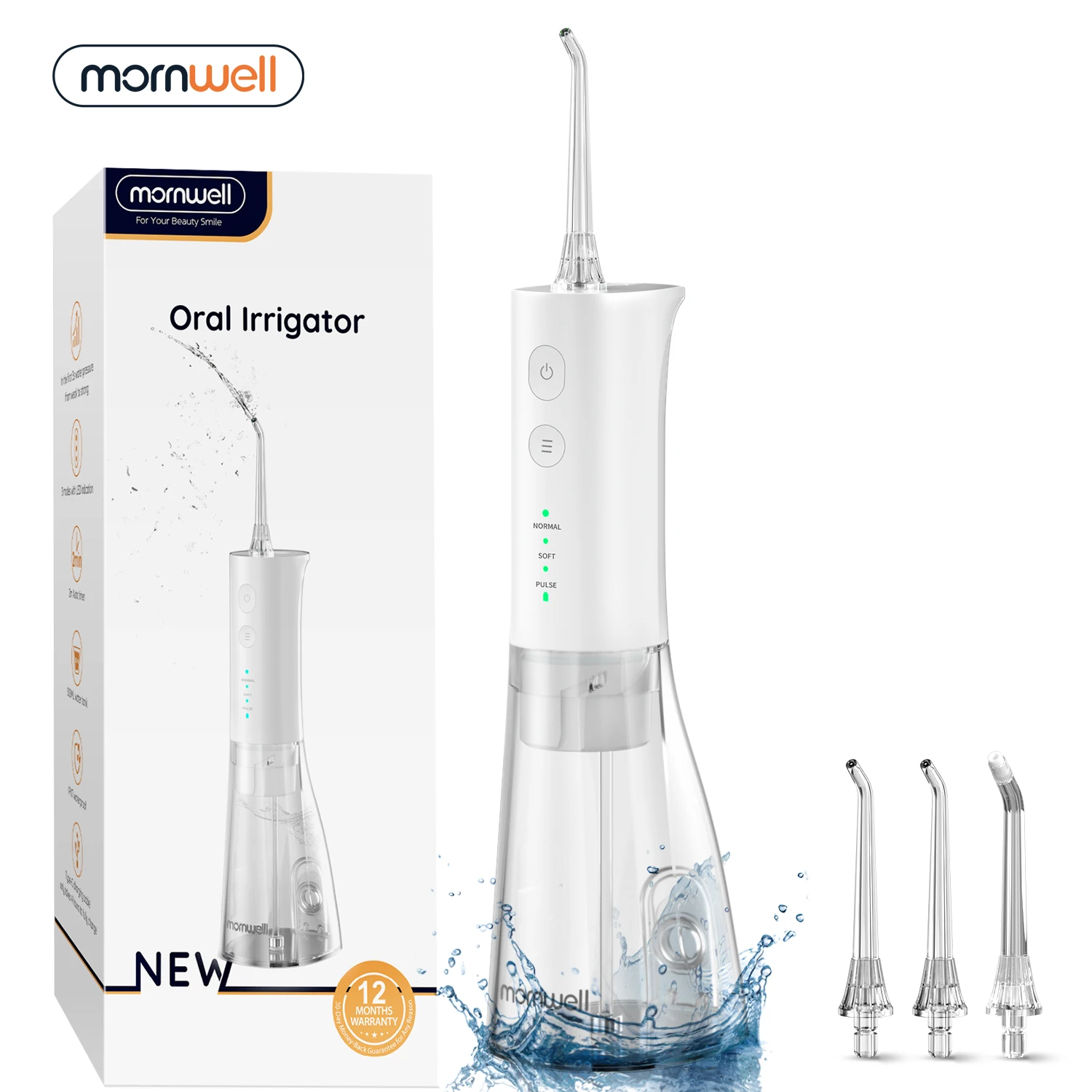
AliExpress Pick 1: Portable Water Flosser
A compact, USB-rechargeable water flosser with a 95.1% positive rating. It’s a handy gadget that uses focused water pressure for cleaning—showing the versatility of water jet technology.
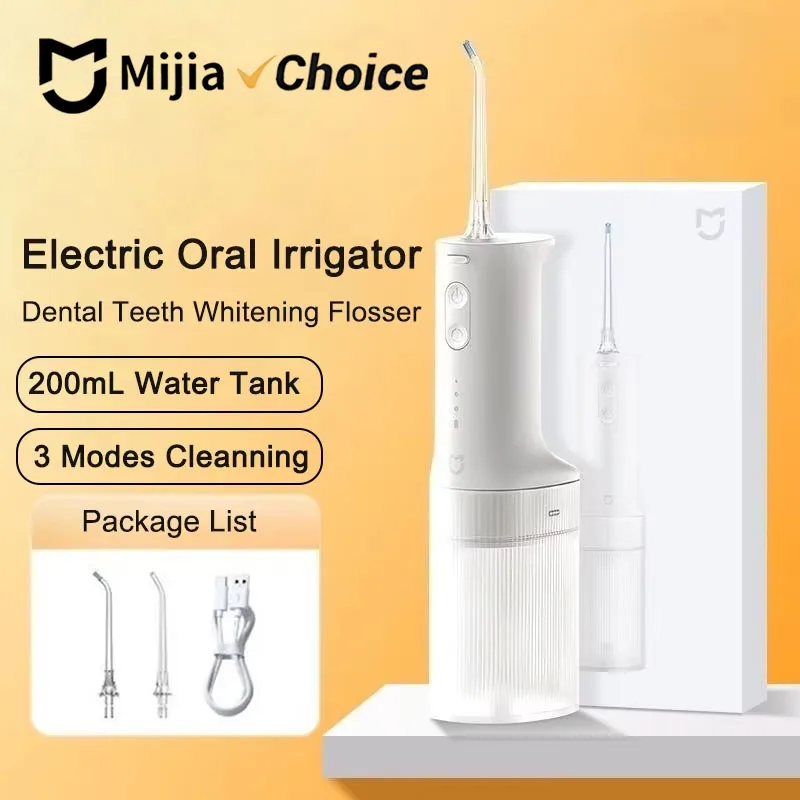
AliExpress Pick 2: Mijia Portable Oral Irrigator
From Xiaomi’s ecosystem, this irrigator has a stellar 97.5% rating. It’s a quality piece of kit for dental hygiene, again leveraging controlled water streams for cleaning.
Frequently Asked Questions
- Can I use vinegar to clean my water softener?
- We don’t recommend it. While vinegar is a mild acid, it’s not formulated for resin beds. It can leave an odor, may not dissolve iron effectively, and could potentially damage seals with repeated use. A purpose-built cleaner is safer and more effective.
- How do I know if my water softener needs cleaning?
- Look for these signs: your water feels hard again (soap won’t lather), you see rusty or black specks in the water, the softener uses more salt than usual, or you notice a drop in water pressure. If it’s been over a year, it’s time.
- Will a cleaner fix my smelly water softener?
- It can, if the smell is from bacteria in the resin tank. Look for a cleaner with a sanitizing action. However, if the smell is in your source water (like hydrogen sulfide), you’ll need a different treatment method, possibly a bottleless water cooler with carbon filtration for drinking water.
- Can I use a water softener cleaner in my dishwasher or washing machine?
- Absolutely not. These are concentrated chemicals designed for a specific resin bed. Using them in appliances will damage them and could be hazardous. For appliances, use a dedicated dishwasher or washing machine cleaner.
- What’s the difference between a water softener cleaner and a resin bed cleaner?
- In most cases, they’re the same thing. The terms are used interchangeably. “Resin bed cleaner” is just a more specific way of describing the product’s target.
- Do I need to remove the salt before adding the cleaner?
- No. You add the cleaner to the brine well or on top of the salt. It will dissolve and mix with the brine during the next regeneration cycle. Just make sure you have enough salt in the tank for a proper brine rinse.
Final Thoughts
Maintaining your water softener isn’t glamorous, but it’s critical. A water softener cleaner is a cheap, effective tool to protect a significant investment. Don’t wait for your water to turn hard or your resin to foul. Set a calendar reminder. Treat it like changing your furnace filter—a small, regular task that prevents big, expensive problems.
For most folks on city water, a general cleaner like the Water Softener Detergent used quarterly will keep things running smoothly. If you’re on well water with iron, don’t gamble—get the Pro Products Rust Out. And remember, the best system is a complete one. A softener handles scale, but for truly clean drinking water, consider pairing it with a dedicated 7 stage filtration system for the kitchen tap.
