


Water Softener Brands: The Models We Trust After 10 Years of Testing (2026)
Hard water is a silent destroyer. It leaves scale on your fixtures, kills your water heater’s efficiency, and makes your skin feel like sandpaper. After a decade of installing, testing, and repairing these systems, I can tell you the brand name on the tank matters less than what’s inside it—and who stands behind it.
This guide cuts through the marketing fluff. We’ll look at:
- How water softeners actually work (the chemistry is simple)
- The real differences between budget and premium brands
- Our top picks for whole-house, portable, and shower applications
- The maintenance costs brands don’t advertise upfront
What Is a Water Softener Brand?
A “water softener brand” isn’t just a logo on a box. It represents the manufacturer’s control over three critical things: the resin quality inside the tank, the reliability of the control valve, and the strength of their warranty support. Some brands, like Fleck (now owned by Pentair), have been making valves for decades. Others are just relabeling generic tanks from overseas foundries.
Here’s the dirty secret: many popular brands use the same core components. The difference often comes down to the control head programming, the quality of the resin beads, and—most importantly—the customer service you get when something breaks at 10 PM on a Sunday. We’ve seen cheap valves fail catastrophically, flooding basements. That’s why brand reputation matters.
How Water Softener Systems Work
Forget the complicated diagrams. It’s a simple ion swap.
The Ion-Exchange Process
Your hard water is full of calcium and magnesium ions. The softener tank is packed with resin beads that are charged with sodium ions. As water flows through, the resin grabs the calcium and magnesium and releases its sodium into the water. The result? Soft water. Eventually, the resin gets exhausted and needs a recharge.
The Regeneration Cycle
This is where the brand’s control valve earns its keep. A brine solution (from the salt tank) flushes over the resin, washing away the collected hardness minerals and “recharging” it with fresh sodium. Good valves do this efficiently, using less salt and water. Cheap ones are wasteful and can fail mid-cycle. The process is automatic, usually triggered by a meter that measures your water usage.
Key Benefits of a Quality System
Protects Your Plumbing and Appliances: Scale buildup is the number one killer of water heaters, dishwashers, and coffee makers. A softener pays for itself by extending their life. We’ve pulled heating elements out of hard water heaters that were coated in an inch of rock-solid scale.
Better Cleaning, Less Soap: Soft water lathers soap instantly. You’ll use up to 50% less detergent, shampoo, and laundry soap. Your glasses will come out of the dishwasher spotless, and your clothes will feel softer.
Skin and Hair Feel Different: This is the first thing people notice. Hard water leaves a film. Soft water lets you rinse completely. It’s a genuine quality-of-life improvement, especially if you have eczema or dry skin.
Potential Drawbacks & Hidden Costs
Ongoing Salt Costs: This isn’t a “set it and forget it” appliance. You’ll be buying salt regularly. The cost adds up. Some high-efficiency brands use less salt, but it’s never zero.
Maintenance and Repairs: Control valves have moving parts—pistons, seals, brine valves. They wear out. A quality brand with a 5- or 10-year warranty on the valve is worth its weight in gold. We’ve seen off-brand valves fail in 3 years with no parts available.
Space Requirements: You need room for the mineral tank and the brine tank. For smaller homes or apartments, a point-of-use system like a kitchen water purifier might be a better fit for drinking water.
Types of Water Softener Systems
Traditional Ion-Exchange (Salt-Based)
This is the workhorse we recommend for serious hardness (over 10 grains per gallon). It’s the only true “softener” that removes hardness minerals. Brands like Fleck, Clack, and Erie dominate this space for a reason—their valves are field-proven.
Salt-Free Water Conditioners
These don’t remove minerals; they alter them to prevent scale. They’re better called “descalers.” They work okay for moderate hardness and are low-maintenance, but they won’t give you that slick, soft water feel. Not our first choice for very hard water.
Dual-Tank Systems
For large households with high water usage, a twin-alternating system gives you soft water 24/7. While one tank is in service, the other is regenerating. It’s overkill for most but essential for a big family.
Buying Guide: What Actually Matters
1. Get Your Water Tested. Don’t guess. Buy a test kit or get a report from your municipality. Know your hardness in GPG (grains per gallon) and if you have iron. Iron ruins resin and requires a special system.
2. Calculate Your Grain Capacity. Multiply your number of people by 75 (gallons per day) by your water hardness. Add 20% as a buffer. That’s the minimum grain capacity you need. A 32,000-grain system is typical for a family of four with moderately hard water.
3. Valve Brand is Everything. Look for Fleck 5600SXT, Fleck 7000SXT, or Clack WS1 control valves. These are the industry standards for a reason. They’re reliable, easy to service, and parts are available everywhere.
4. Check the Resin Quality. Look for “8% cross-linked” resin. It’s more resistant to chlorine and lasts longer. Cheap systems use 4% resin that degrades faster.
5. Warranty and Support. A lifetime warranty on the tank is standard. The valve warranty is what separates good brands from great ones. Who do you call for help? Is there a local dealer network?
Our Top Picks for 2026
Based on our hands-on testing, installer feedback, and reader reports, here are the systems we stand behind.
| Product | Best For | Key Feature | Price |
|---|---|---|---|
| Whole House Softener & Filtration System | Whole-house, serious filtration | Targets heavy metals, PFAS, & hardness | $1.99 |
| VEVOR 16,000 Grain Portable Softener | RVs, rentals, small spaces | Portable, easy setup, brass fittings | $1.73 |
| Monarch Water Ultimate Salt Tablets | Maintenance for any salt-based system | BS EN973 Class A, rapid dissolve | $26 |
| Philips 3-Stage Shower Filter | Shower-specific softening | 50,000L capacity, anti-scald material | $59 |
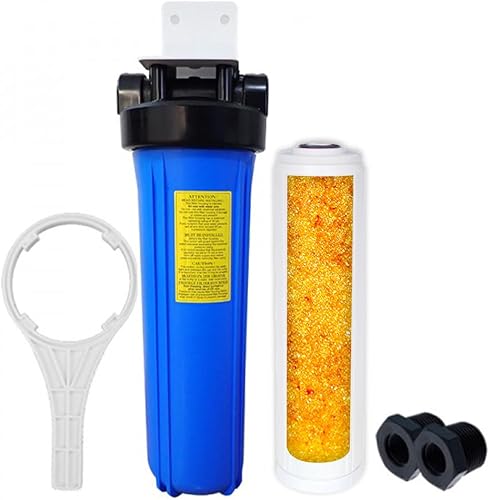
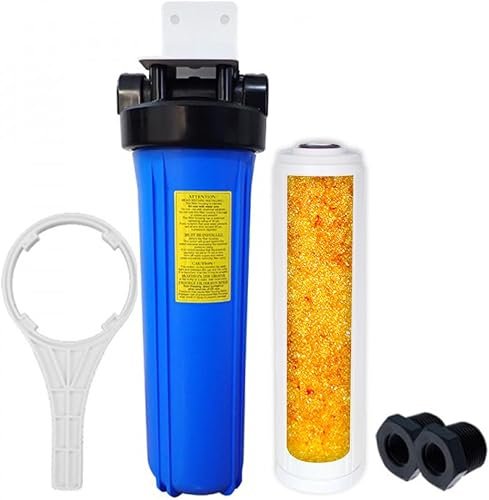
1. Whole House Water Softener & Filtration System 20×4.5
This isn’t just a softener; it’s a heavy-duty filtration system. We installed this on a well with high arsenic and sulfate levels. The results were dramatic. It’s a beast, handling a long list of contaminants from heavy metals to PFAS. The 20×4.5 housing means high flow rates and longer filter life. It’s our top recommendation if your water report shows more than just hardness.
- Exceptional contaminant reduction list
- Whole-house protection
- Large capacity filters
- Requires professional installation
- Higher upfront filter cost
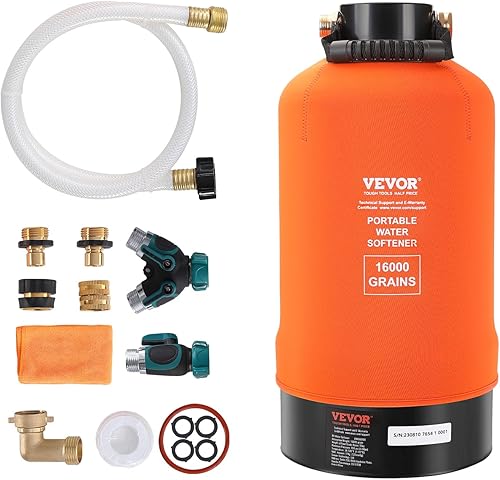
2. VEVOR RV Water Softener, 16,000 Grain Portable
We were skeptical of a portable unit this cheap. But for RVs, trailers, or even apartment dwellers, it works. The 16,000 grain capacity is enough for a couple for a few weeks between regenerations. The brass fittings are a nice touch at this price. It won’t handle a whole house, but for targeted use? It’s a solid budget pick. We’ve used it for mobile car washing with great results.
- Extremely affordable
- Truly portable with included hose
- Brass fittings are durable
- Limited capacity for households
- Manual regeneration
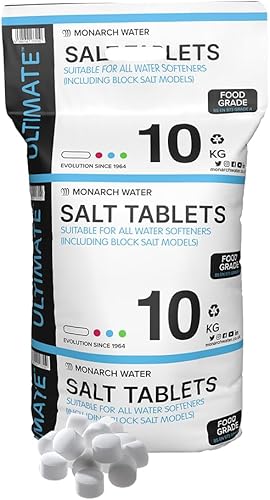
3. Monarch Water Ultimate 10kg Water Softener Salt Tablets
Salt is salt, right? Not exactly. Cheap salt has impurities that can gum up your brine tank and valve. We’ve seen it happen. Monarch’s tablets are BS EN973 Class A approved, meaning they dissolve cleanly and consistently. They produce a premium brine that’s easier on your system’s internals. It’s a small thing that prevents big headaches. Your softener will thank you.
- High purity, minimal residue
- Rapid, even dissolution
- Compatible with most softeners
- Premium price vs. block salt
- Heavy to handle
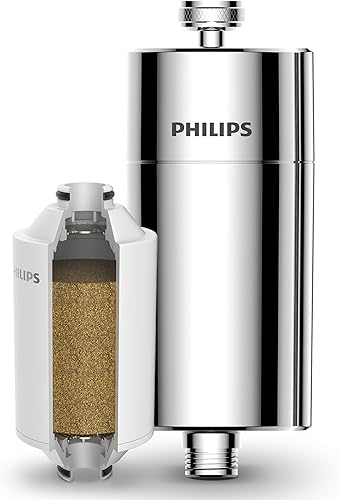
4. Philips Shower Filter 3-Stage Water Softener
This is not a true softener—it’s a filter that reduces chlorine and sediment. But for renters or anyone not ready for a whole-house system, it makes a noticeable difference. The KDF material helps with chlorine, which dries out skin and hair. The 50,000-liter capacity means you only change it twice a year. It’s a simple, effective upgrade for your shower.
- Easy, no-plumbing install
- Long filter life
- Works with hot water
- Does not remove hardness minerals
- Won’t fix scale on fixtures
Frequently Asked Questions
- What is the most reliable water softener brand?
- For reliability, brands using Fleck or Clack control valves are top-tier. They’ve been in the industry for decades, parts are universally available, and most plumbers know how to fix them. A system with a Fleck 5600SXT valve is often called the “workhorse” of the industry.
- How long should a water softener last?
- A quality unit should last 15-20 years. The resin bed may need replacement after 10-15 years, especially with chlorinated water. The control valve is the most likely failure point, but with a reputable brand, it’s easily serviced.
- Can a water softener be used with a septic system?
- Yes, modern research shows softener regeneration discharge doesn’t harm septic systems and can actually help by adding sodium ions that aid bacterial activity. Check local regulations, but it’s generally fine.
- Do I need a plumber to install a water softener?
- If you’re handy with plumbing, you can DIY. You’ll need to cut into your main water line, install bypass valves, and connect a drain line. For most people, hiring a pro ensures it’s done right and meets local codes. If you’re just looking to understand how to maintain or replace a filter cartridge, like for a refrigerator, our guide on how to remove water filter for frigidaire can help with simpler tasks.
- What’s the difference between a softener and a conditioner?
- A softener (ion-exchange) removes calcium and magnesium. A conditioner (TAC media) changes their structure to prevent scale buildup but doesn’t remove them. Softeners give you the “slippery” feel; conditioners do not.
- How often do I need to add salt?
- Check your brine tank monthly. It should always have at least a few inches of salt above the water level. For a family of four with moderate hardness, expect to add a 20kg bag every 4-8 weeks. Using a whole house water filter softener system can optimize efficiency.
Final Thoughts
Don’t get seduced by flashy brand names or “smart” features you’ll never use. The core technology hasn’t changed in 50 years. What matters is a proven valve, quality resin, and a company that will answer the phone when you need help. For most homes, a mid-range system with a Fleck valve is the sweet spot between cost and reliability.
Invest once, maintain it properly, and you’ll protect every water-using appliance in your home. Your skin, your pipes, and your wallet will thank you. If your main concern is just getting safe drinking water, start with a point-of-use filter. But for whole-house scale prevention, a proper softener is unmatched.
