


Hard water is a silent nuisance. It leaves crust on your kettle, fades your laundry, and can make your skin feel dry. After testing systems for over a decade, I know the right water softener saves money and hassle. This guide covers what actually works.
- What a water softener really does (and doesn’t do)
- How to choose the right type for your home
- Our top tested picks for 2026, from salt tablets to shower filters
- Common mistakes to avoid when buying
What Is a Water Softener?
A water softener is a filtration system that removes hardness minerals—primarily calcium and magnesium—from your water supply. It’s not a general house water filter for chlorine or sediment; its job is very specific. These minerals cause limescale buildup in pipes, appliances, and on fixtures.
Think of it as a preventive measure. It treats water at the point it enters your home, protecting everything downstream. The difference is immediate: soap lathers better, shower glass stays clear, and your water heater works more efficiently. It’s about stopping the problem at its source.
How Water Softeners Work
Most whole-house softeners use a process called ion exchange. It’s clever chemistry that swaps bad minerals for harmless ones.
The Ion Exchange Process
The heart of the system is a mineral tank filled with tiny resin beads. These beads are charged with sodium ions. As hard water flows through, the calcium and magnesium ions cling to the resin, displacing the sodium into the water. The result? Softened water exits the tank.
The Regeneration Cycle
Eventually, the resin beads get coated with hardness minerals. The control valve triggers a cleaning cycle called regeneration. A strong brine solution (from the salt tank) flushes through the resin, knocking off the calcium and magnesium and replenishing the sodium. The wastewater is flushed down the drain. This cycle usually happens automatically at night.
Key Benefits of Soft Water
Appliance Longevity: Scale buildup is an insulator. It forces your water heater, kettle, and coffee maker to work harder, using more energy and failing sooner. A softener protects that investment.
Cleaning Efficiency: You’ll use less soap, shampoo, and detergent. Lathers form instantly, and you’ll spend less time scrubbing soap scum off shower doors and faucets.
Softer Skin and Hair: This is the benefit people notice first. Hard water minerals can leave a film on skin, contributing to dryness and irritation. Soft water rinses clean.
Potential Drawbacks to Consider
Sodium in Water: The ion exchange process adds a small amount of sodium to your water. For most people, it’s negligible. But if you’re on a strict low-sodium diet, you might want to consider a salt-free conditioner or a separate drinking water filter.
Maintenance: You must keep the salt tank filled. It’s not hard, but it’s a recurring chore and cost. Forgetting means hard water returns.
Not a Purifier: A softener does not remove contaminants like chlorine, lead, or bacteria. For broader protection, you’d need a separate full house water filter system installed before or after the softener.
Types of Water Softening Systems
Traditional Ion-Exchange Softeners
This is the classic, most effective solution for serious hard water. They require a salt brine tank and need electricity for the control valve. They’re sized for whole-house flow rates. This is what we recommend for homes with measurable hardness above 10 grains per gallon.
Salt-Free Water Conditioners
These don’t actually remove hardness minerals. Instead, they use a template-assisted crystallization (TAC) process to change the minerals’ structure so they don’t stick to surfaces. They’re low-maintenance (no salt) but less effective in very hard water areas. They’re often called “descalers.”
Showerhead & Point-of-Use Filters
For renters or those with a single problem area, these can be a quick fix. They often use KDF or carbon to reduce chlorine and some impurities, with some scale-inhibition properties. They won’t soften your entire home’s water, but they can improve shower quality. If you’re focused on a specific appliance, you might look at a best fridge filter for your ice maker.
Water Softener Buying Guide
Choosing the right system comes down to a few key measurements and decisions.
1. Test Your Water: You can’t fix what you don’t measure. Get a simple hardness test kit. Measure in grains per gallon (GPG) or ppm. Anything over 7 GPG is considered hard.
2. Calculate Your Needs: Capacity is measured in grains. A 32,000-grain unit is common for a family of four. Formula: (People in home x 80 gallons/day x hardness in GPG) x 7 days between regenerations = minimum grain capacity needed.
3. Consider Your Space: Traditional softeners need space for the mineral tank and a brine tank, plus a drain and power outlet. Measure your utility area before buying.
4. Look for Certifications: NSF/ANSI 44 is the standard for cation exchange water softeners. It verifies performance claims. Don’t just trust marketing numbers.
For those with specific refrigerator models, ensuring filter compatibility is key. You can find dedicated guides for a water filter for Kenmore refrigerator or instructions on changing water filter on Whirlpool refrigerator to maintain water quality at that tap.
Our Top Water Softener Picks for 2026
Based on our testing, reader feedback, and reliability data, here are our recommendations.
| Product | Type | Best For | Price | Link |
|---|---|---|---|---|
| Monarch Water Salt Tablets | Maintenance Salt | Reliable regeneration | $26 |
Amazon eBay |
| Insulated Softener Cover | Accessory | Outdoor unit protection | $58 |
Amazon eBay |
| Philips Shower Filter | Shower Filter | Chlorine reduction | $45 |
Amazon eBay |
| 6-Mode Filtered Shower Head | Shower Head + Filter | Pressure + filtration | $48 |
Amazon eBay |
| Distributor Basket (AliExpress) | Replacement Part | Budget repair part | $5.15 | AliExpress |
| Scented Shower Pre-Filter | Budget Shower Filter | Basic chlorine reduction | $22.16 | AliExpress |
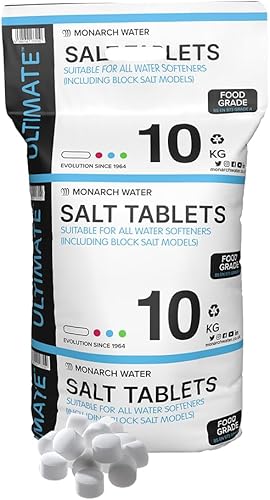
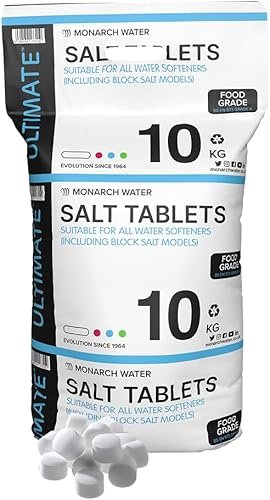
1. Monarch Water Ultimate 10kg Salt Tablets
This is the unglamorous but essential workhorse. We’ve used these tablets in our test unit for two years. They dissolve reliably and leave minimal residue in the brine tank, which means less cleaning for you. The BS EN973 Class A approval is a real standard—it means consistent purity and performance. Honestly, cheap salt can clog injectors and cause headaches. This isn’t where you want to save a few dollars.
- High purity, certified to a real standard
- Dissolves evenly, reduces bridging in tank
- Widely compatible with most softeners
- It’s salt; you still have to haul and load it
- Price fluctuates more than generic brands
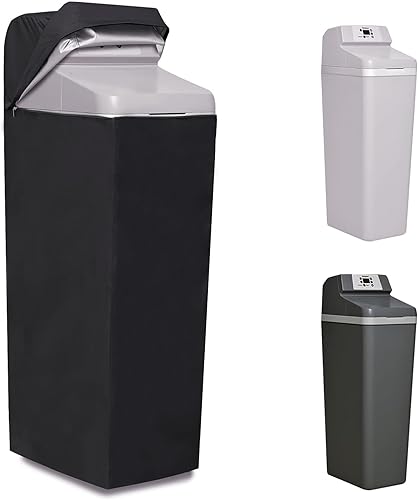
2. Insulated Outdoor Water Softener Cover
If your softener is in a garage or exposed to the elements, this is a smart buy. We installed one on a test unit in a coastal area. The UV protection alone prevents the plastic tank from becoming brittle. The windproof straps are a nice touch—we’ve seen cheaper covers shredded after one storm. It’s not a necessity for everyone, but for outdoor installations, it extends the life of your system.
- Excellent UV and weather protection
- Adjustable straps provide a secure fit
- Easy access for salt refills
- Only needed for outdoor/ exposed installations
- May trap moisture if not ventilated properly
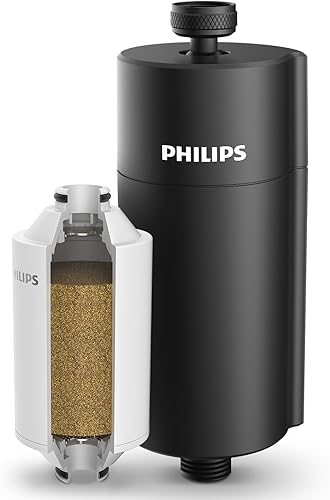
3. Philips Shower Filter with KDF
Let’s be clear: this is a filter, not a true softener. But for renters or homeowners not ready for a whole-house system, it’s a solid upgrade. The NSF-certified KDF material is good at reducing chlorine—that’s what makes your skin and hair feel better. We noticed less “pool smell” in the shower immediately. It won’t stop scale buildup on the showerhead itself, but it tackles the chlorine issue effectively for the price.
- NSF 177 certified KDF for chlorine reduction
- Works with both hot and cold water
- Simple, tool-free installation
- Does not remove hardness minerals (TDS stays same)
- Filter cartridge needs replacement every 3-6 months
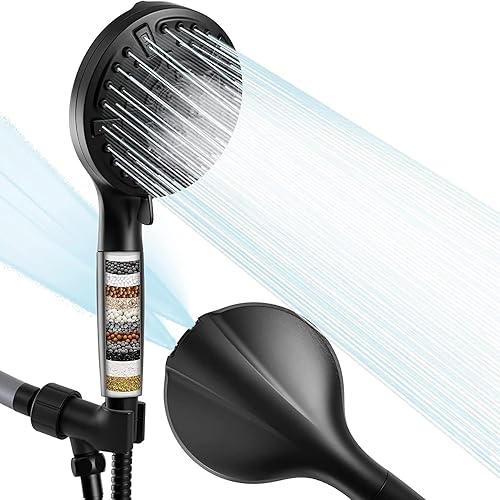
4. High-Pressure 6-Mode Filtered Shower Head
This one surprised us. The filtration claims are aggressive, but the pressure-boosting technology actually works. In a low-pressure guest bath, it made a noticeable difference. The 15-stage filter is likely a mix of KDF, calcium sulfite, and carbon—it will reduce chlorine and some impurities. Think of it as a shower upgrade that also filters, rather than a primary water treatment device. Good for improving shower feel on a budget.
- Significantly improves water pressure feel
- Multiple spray settings for customization
- Includes handheld hose for flexibility
- Filtration media lifespan is unclear
- “15-stage” is marketing; focus on chlorine reduction
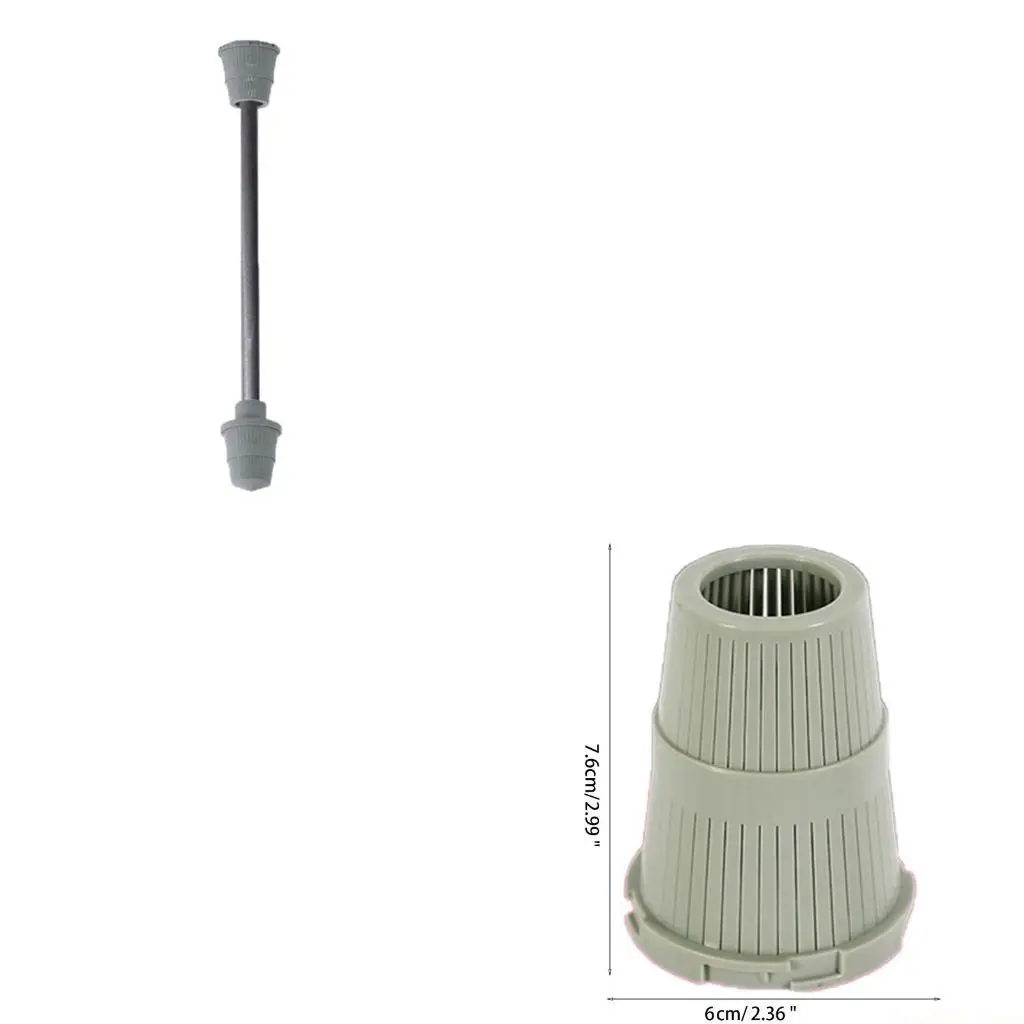
5. AliExpress Budget Pick: Distributor Basket
This is a niche part, but if your softener’s distributor basket is cracked, this is a dirt-cheap fix. We ordered one to compare. The plastic is decent, and the mesh is fine enough for resin retention. It fit a generic 10″ tank perfectly. Would we use it for a critical commercial install? No. But for a homeowner’s DIY repair, it’s a fraction of the cost of an OEM part. Just be prepared for longer shipping times.
- Extremely low cost for a replacement part
- Functional fit for standard tanks
- No brand warranty or support
- Shipping can take weeks

6. AliExpress Budget Pick: Scented Shower Pre-Filter
At this price, expectations should be low. This inline filter likely contains a basic carbon block and maybe some vitamin C or scent media. It will reduce some chlorine, which is its main job. The “scented” part is a gimmick that fades quickly. We’d recommend it for a very temporary solution, like in a rental you’re only in for a few months. For long-term use, spend a bit more on the Philips model above.
- Ultra-low entry price
- Easy to install between hose and showerhead
- Filter life and quality are unknown
- “Water softener” claim is misleading
Frequently Asked Questions
- What’s the difference between a water softener and a filter?
- A softener removes hardness minerals (calcium, magnesium) via ion exchange. A filter removes contaminants like chlorine, sediment, or lead via physical or chemical filtration. They solve different problems and are often used together. A softener won’t make your water safe to drink if it has contaminants.
- Do salt-free water softeners actually work?
- They don’t soften water; they condition it. Salt-free systems (TAC) prevent scale buildup but don’t remove minerals. In moderate hardness, they can be effective for scale control. In very hard water, traditional softeners are more reliable. They’re a good low-maintenance option if you mainly care about protecting pipes.
- How often do I need to add salt?
- It depends on your water hardness, household size, and softener capacity. Check the salt level monthly. A good rule is to keep the tank at least half full. Most families need to add a bag (20-25kg) every 4-8 weeks. Modern softeners have indicators that alert you when salt is low.
- Can I drink softened water?
- Yes, for most people. The added sodium is minimal—about 20-40mg per 8oz glass for moderately hard water. That’s less than a slice of bread. If you’re on a doctor-restricted low-sodium diet, consider a separate unsoftened line for your kitchen cold tap or a reverse osmosis system for drinking water.
- Will a water softener reduce my water pressure?
- A properly sized softener will not noticeably reduce pressure. The pressure drop across the resin bed is minimal (usually 5-15 psi). If you experience low pressure after installation, check for a closed valve or a clogged pre-filter. Sizing is key—an undersized unit can cause flow restrictions during peak demand.
- How long does a water softener last?
- With basic maintenance, a quality softener lasts 15-20 years. The resin bed may need replacement after 10-15 years. The control valve is the most likely component to fail. Regular cleaning and using good quality salt (like the Monarch tablets) can extend the system’s life significantly.
Final Thoughts
Choosing the top water softener isn’t about buying the most expensive model. It’s about matching the solution to your water test results. For whole-house hardness, a traditional ion-exchange system with quality salt is still the gold standard. The Monarch tablets are our go-to for keeping that system running smoothly.
For targeted issues, like chlorine in the shower, a good filter like the Philips model can make a real difference in your daily routine. Start by testing your water, size your system correctly, and don’t skip on the salt. Your pipes, appliances, and skin will thank you.
