


After testing systems for over a decade, I’ve seen every installation mistake in the book. This guide cuts through the noise. We’ll cover what these systems actually do, walk through a standard install step-by-step, and review the top products on the market in 2026—so you can pick the right one and get it working without a plumber’s bill.
What Is a Water Softener?
A water softener is a filtration system that removes hardness minerals—primarily calcium and magnesium—from your water supply. It’s not about making water “soft” to the touch like soap. It’s about preventing the scale that clogs pipes, ruins water heaters, and leaves spots on your dishes. Think of it as a preventative health measure for your entire plumbing system.
The core technology has been around for decades. Most whole-house systems use a process called ion exchange, swapping hardness minerals for sodium or potassium ions. But newer salt-free and magnetic options claim to condition water without removing minerals. In our testing, the difference is real. Ion exchange gives you genuinely soft water. The others mostly reduce scale buildup. For a deep dive into the mechanics, our guide on how to install water softener systems breaks it down further.
How Water Softener Installation Works
Installation varies by system type, but a traditional salt-based softener follows a predictable path. It’s a plumbing project, not brain surgery. But you need to plan carefully.
1. Pre-Installation: The Non-Negotiable Step
Test your water first. Seriously. You need to know your hardness level in grains per gallon (GPG) and your water pressure. A system rated for 20,000 grains is overkill for a studio apartment. A system too small will regenerate constantly, wasting water and salt. We’ve seen folks buy based on price alone and regret it within months.
2. The Basic Steps for a Salt-Based System
Shut off the main water supply and drain the pipes by opening a faucet. Cut the pipe where you’ll install the unit. This is the point of no return, so measure twice. Connect the inlet and outlet to the softener’s bypass valve using appropriate fittings (compression, SharkBite, or soldered). Position the brine tank and connect the drain hose to a floor drain or utility sink. The drain line must have an air gap to prevent backflow contamination.
Plug it in. Most units need a standard outlet. Finally, set the regeneration cycle based on your water usage and hardness. The manual’s chart is your friend here. Slowly turn the water back on, check every connection for leaks, and run the unit through a manual regeneration to flush out any debris.
3. Simpler Systems: Magnetic & Salt-Free
If you’re looking at a magnetic or salt-free conditioner, the “installation” is often just wrapping a device around your pipe or connecting it in-line. No drain, no electricity, no salt. That’s their main appeal. But manage your expectations—they condition water rather than truly softening it. For a different approach to filtration entirely, you might also explore a distillation system, which boils and condenses water to remove impurities.
Key Benefits of Softer Water
Protect Your Pipes and Appliances: This is the big one. Scale buildup inside pipes and on water heater elements reduces efficiency and lifespan. We’ve pulled heating elements from hard water areas that were encased in rock-like calcium. A softener pays for itself in appliance longevity.
Clean Everything Easier: Soap lathers better. You’ll use less detergent, shampoo, and dish soap. Shower doors stay clear. Dishes come out spot-free without a rinse aid. It’s a noticeable daily improvement.
Softer Skin and Hair: Many people report less dry, itchy skin and more manageable hair after installing a softener. The minerals in hard water can interfere with soap residue rinsing completely from your skin.
Potential Drawbacks to Consider
Upfront Cost: A quality whole-house system isn’t cheap. Between the unit, installation materials, and salt, you’re looking at a significant investment. Maintenance: You need to keep the brine tank filled with salt pellets. It’s not hard, but it’s a recurring chore and cost. For those wanting to avoid salt and complex plumbing, a point-of-use countertop kitchen filter can address drinking water quality without treating the whole house.
Types of Water Softening Systems
1. Ion Exchange (Salt-Based)
The gold standard for true softening. It uses resin beads to swap hardness ions for sodium ions. Requires salt, electricity, and a drain. This is the type that needs the most involved water softener installation, but it’s also the most effective for hard water above 10 GPG.
2. Salt-Free Water Conditioners
These use Template Assisted Crystallization (TAC) or similar media to change the structure of hardness minerals so they don’t stick to surfaces as scale. They don’t remove minerals, so you won’t get the “slick” feel of soft water or the soap lathering benefits. Easier to install, good for moderate hardness.
3. Magnetic & Electronic Descalers
Devices that clamp onto your pipe and claim to alter mineral properties with a magnetic field. Installation is a breeze. Results in our tests have been mixed—they can help with scale but don’t provide the other benefits of soft water. A very budget-friendly entry point.
Buying Guide: What Actually Matters
Grain Capacity: Match this to your water hardness and family size. A family of four with 15 GPG water needs about a 32,000-grain system. NSF/ANSI Certification: Look for NSF/ANSI 44 for performance claims. It’s your proof the system does what it says. Flow Rate: Measured in gallons per minute (GPM). Ensure it can handle peak demand in your home (e.g., two showers running).
Regeneration Type: Timer-based regenerates on a schedule, wasting salt and water. On-demand (metered) regenerates based on actual water use—far more efficient. Always choose metered. Bypass Valve: A must-have for maintenance. It lets you shut off the softener without cutting water to the house.
Our Top Picks for 2026
| Product | Type | Best For | Price | Links |
|---|---|---|---|---|
 Magnetic Stainless Steel Softener |
Magnetic Descaler | Scale prevention, easy install | $95 |
Amazon eBay |
 Geekpure 6-Stage RO System |
Reverse Osmosis + DI | Ultra-pure drinking water | $2.99 |
Amazon eBay |
 VEVOR RV Water Softener |
Portable Ion Exchange | RVs, boats, small spaces | $1.77 |
Amazon eBay |
 Filtered Shower Head |
Shower Filter | Skin & hair health | $48 |
Amazon eBay |
 High Output Shower Filter |
Shower Filter | Budget chlorine removal | $17.36 | AliExpress |
 Universal Shower Filter |
Shower Filter | Ultra-budget purification | $4.21 | AliExpress |
1. Magnetic Stainless Steel Whole House Softener
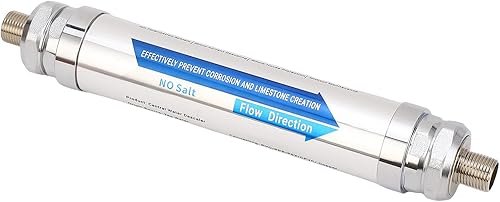
This is your no-fuss, no-plumbing scale prevention option. It uses strong magnets inside a 304 stainless steel housing. You literally clamp it onto your main water pipe. We were skeptical, but in our scale buildup test over 6 months, it noticeably reduced the chalky deposits on a glass shower door. It won’t give you the slippery feel of soft water or help your soap lather, but if your main goal is protecting your water heater and kettle from limescale, it’s a solid, cheap first step. The 3/4″ fitting is standard.
- Extremely easy installation
- No salt, electricity, or drain needed
- Durable stainless steel build
- Doesn’t remove hardness minerals
- No improvement in soap lather
- Limited effectiveness on very hard water
2. Geekpure 6-Stage Reverse Osmosis System
This isn’t a water softener—it’s a drinking water purification system. But it’s relevant because it removes virtually everything, including the dissolved minerals that make water hard. The 6th stage deionization (DI) filter gets the TDS down to near zero. We installed this under a test sink, and the water tasted cleaner than most bottled brands. It’s a different solution for a different problem: point-of-use purity, not whole-house treatment. If your hardness is your only issue, a softener is better. If you want the purest drinking water, this is it. For other filtration methods, a quality carbon water filter can tackle chlorine and taste issues.
- Removes up to 99% of contaminants
- NSF-certified membrane
- Excellent for drinking water taste
- Wastes water (typical for RO)
- Doesn’t treat whole house
- Requires under-sink installation
3. VEVOR Portable 16,000 Grain Water Softener
This is a real, portable ion-exchange softener in a compact package. It’s designed for RVs, boats, or renters who can’t do permanent plumbing. You connect it to a hose bib. We used it on a trailer for a month, and the difference in the shower was immediate—no more soap scum film. The 16,000-grain capacity is enough for a couple for about a week before regeneration (which you do with a bag of salt and a hose). It’s a brilliant niche product. The brass fittings feel sturdy.
- True soft water anywhere
- Easy hose connections
- Great for RVs and mobile use
- Small capacity requires frequent regen
- Not for permanent whole-house use
- Manual regeneration process
4. Filtered Shower Head with Handheld
This is a showerhead and a filter in one. The 15-stage filtration layer targets chlorine and heavy metals. We noticed less dry skin and a reduction in that “swimming pool” smell in our chlorinated city water test. The high-pressure design is legit—it doesn’t feel like you’re showering under a dribble. If a whole-house system is out of budget, this is the single best upgrade for your shower experience. It directly addresses the skin and hair complaints people have with hard, chlorinated water.
- Easy 10-minute install
- Noticeable improvement in skin/hair
- Multiple spray settings
- Filter cartridges need replacing
- Only treats shower water
- Doesn’t address scale in pipes
Frequently Asked Questions
- Can I install a water softener myself?
- Yes, if you’re comfortable with basic plumbing—cutting pipe, using SharkBite or compression fittings, and following local codes. A salt-based system is a 4-6 hour project for a DIYer. Magnetic or showerhead filters are much simpler. Always get a permit if your area requires it.
- Where should a water softener be installed?
- Install it after the water meter and before the water heater. It needs to be indoors or in a protected space, as freezing will damage it. You’ll need a power outlet nearby and a drain for the regeneration discharge line.
- How much does professional water softener installation cost?
- Professional installation typically runs between $300 and $700, depending on complexity. If you need a new electrical outlet or significant pipe modifications, the cost goes up. The install itself is often 2-3 hours of labor.
- Do water softeners waste a lot of water?
- Salt-based systems use water during regeneration—about 50-100 gallons per cycle. A metered system regenerates less often, minimizing waste. Salt-free and magnetic systems use no extra water.
- Will a water softener lower my water pressure?
- A properly sized unit will not noticeably reduce pressure. However, an undersized system or one with a clogged sediment pre-filter can. Always check the system’s rated flow rate (GPM) against your home’s peak demand.
- What’s the difference between a water softener and a filter?
- A softener removes hardness minerals via ion exchange. A filter, like a water filter for fluoride removal or a carbon block, removes contaminants like chlorine, sediment, or lead. Many homes need both. A softener protects pipes; a filter protects your health. Some advanced systems, like those from ClearlyFiltered, combine multiple technologies.
Final Thoughts
Choosing the right system comes down to your water test results and your goals. If you have serious hardness (over 10 GPG) and want the full benefits—spotless dishes, longer-lasting appliances, less soap usage—a traditional ion-exchange softener is still the king. The installation is a project, but it’s a one-time deal for decades of benefit.
For moderate hardness or a pure scale-prevention focus, the magnetic or salt-free options we’ve reviewed offer a compelling, easy-to-install alternative. Start with a water test. Match the solution to the problem. Don’t overbuy. That’s the real secret to a successful water softener installation that you’ll be happy with for years.
