


The No-Nonsense Guide to Water Sediment Filters (2026)
You turn on the tap and the water looks clear. But is it really clean? After testing filters for over a decade, I can tell you that what you can’t see—tiny suspended particles—causes a surprising amount of damage. This guide breaks down everything you need to know about choosing and using a sediment filter. We’ll cover what they are, how they work, the different types, and which ones are actually worth your money in 2026.
- What a sediment filter is and why you probably need one.
- How these filters physically clean your water.
- The key benefits beyond just cleaner-looking water.
- The honest downsides and maintenance realities.
- A comparison of the main types on the market.
- Our top product picks after hands-on testing.
What Is a Water Sediment Filter?
Let’s get specific. A water sediment filter is a mechanical barrier. It doesn’t use chemicals or change water’s composition. Its one job is to physically拦截 particles above a certain size. We’re talking about dirt, sand, rust flakes from old pipes, silt, and even some organic matter.
Think of your water supply like a river. After a storm, it runs brown with debris. Your municipal treatment plant does a great job cleaning most of that out. But on its journey to your house, water can pick up new grit from aging water mains or your own plumbing. That’s where a sediment filter comes in. It’s the final guard at your property line. For homeowners on well water, it’s non-negotiable—the first and most critical step.
These filters are a core component of a poe system, or point of entry system, treating all water entering your home. They protect everything: your water heater, washing machine, and any finer filtration stages you have installed.
How a Sediment Filter Works
The principle is simple, but the engineering is clever. Water is forced through a filter medium with tiny openings. Particles too big to pass through get trapped. Clean water flows out the other side. The magic is in the details of that medium.
The Micron Rating: Your Key Metric
This is the most important number. A micron is a micrometer, one-thousandth of a millimeter. A human hair is about 70 microns wide. Sediment filters are rated by the smallest particle they can trap. A 5-micron filter catches anything 5 microns or larger. A 20-micron filter is “coarser,” letting smaller particles through.
Depth vs. Surface Filtration
Not all filters trap particles the same way. Surface filters are like a screen door—a single layer with holes. They’re easy to clean but clog quickly. Depth filters are more common. They’re thick, fibrous mats (like spun polypropylene) that trap particles throughout their entire thickness. This gives them a much higher dirt-holding capacity, so they last longer between changes.
The way a filter is constructed also matters. A “gradient density” design is brilliant. It’s tighter on the inside and looser on the outside. Big particles get caught near the surface, while smaller ones are trapped deeper inside. This uses the whole filter, not just the outer skin, extending its life significantly.
Key Benefits of Installing One
Why bother? The single biggest reason is protection. But the benefits stack up quickly.
Protects Your Appliances and Plumbing. Grit is abrasive. It wears down washing machine valves, clogs faucet aerators, and settles in your water heater, reducing efficiency. A sediment filter stops this wear and tear cold. It’s cheap insurance for expensive appliances.
Extends the Life of Finer Filters. If you have a reverse osmosis system or a carbon block filter, sediment will ruin it fast. The carbon block’s pores will clog, and the RO membrane will foul. A sediment pre-filter takes the workload off these more expensive components, saving you real money.
Improves Water Clarity and Feel. While sediment itself might not be a health hazard, it makes water look cloudy. It can also create a gritty feeling. Filtering it out gives you crystal-clear water from every tap.
Essential for Well Water. If you’re on a well, sediment isn’t a maybe—it’s a guarantee. Sand, silt, and colloidal clay are constant companions. A robust sediment filter is the first, mandatory stage of any well water treatment plan.
Potential Drawbacks to Consider
They Require Maintenance. A clogged filter is a useless filter. You’ll need to replace cartridges or clean reusable screens on a schedule. Ignore it, and you’ll see water pressure drop dramatically. It’s a recurring task.
Choosing the Wrong Micron Rating is Common. Go too fine, too fast, and you’ll be changing filters every week. It’s a balance between filtration needs and practical maintenance. We’ve seen homeowners install a 1-micron filter on very silty water and get frustrated. A staged approach works best.
Types of Sediment Filters
Not all sediment filters are created equal. Your choice depends on your water quality, budget, and tolerance for maintenance.
Spun Polypropylene Cartridges
The most common and affordable type. These are the classic “blue” or “white” cartridges you see in big blue housings. They’re depth filters with a gradient density. Great for general use. They’re disposable, so you toss them when clogged. Lifespan varies wildly—from a month to six months—based on your water’s sediment load.
Pleated Cartridges
These use a folded, fabric-like material. The pleats create a huge surface area, which means they hold more dirt and last longer than spun poly for the same micron rating. They’re often cleanable and reusable a few times, which is a nice perk. They cost more upfront but can be more economical over time.
Spin-Down or Screen Filters
These are for the big stuff. A cylindrical stainless steel screen (often 50-100 microns) sits in a clear housing. You can see the debris accumulate. When it’s full, you open a valve and flush the debris out—no cartridge to replace. They’re perfect as a first-stage pre-filter to catch rocks and sand before they hit your finer cartridges. The iSpring model we review below is a classic example.
Multi-Stage Systems
Often, the best solution is a combination. A common setup is a spin-down filter (100 micron) → a sediment cartridge (20 micron) → a final sediment or carbon cartridge (5 micron). This gradient filtration system, as iSpring calls it, dramatically extends the life of each component. It’s how the pros do it.
Buying Guide: What Actually Matters
Forget the marketing hype. Focus on these concrete factors.
1. Micron Rating. Assess your water. City water with minor rust? A 5-10 micron cartridge is fine. Well water with sand? Start with a 50-micron spin-down filter, then a 5-micron cartridge. You can always test by letting a gallon of water settle in a white bucket overnight.
2. Flow Rate (GPM). The filter must handle your home’s peak demand. A 1″ port is standard for whole-house systems. Undersink filters need less flow. Check the specs—don’t starve your shower.
3. Filter Size & Housing. The 20″ x 4.5″ “Big Blue” is the residential workhorse. It offers great capacity and flow. Smaller 10″ housings are for point-of-use or low-flow applications. Make sure any replacement cartridge you buy fits your housing.
4. Certifications. Look for NSF/ANSI 42 (for material safety) or NSF/ANSI 61 (for drinking water system components). It’s not mandatory, but it’s a sign of a reputable manufacturer. Some filters, like the Waterdrop RO system we mention, carry NSF/ANSI 58 certification for reduction claims.
5. Maintenance Reality. Be honest with yourself. If you won’t change a cartridge every 3 months, consider a cleanable pleated filter or a flushable spin-down unit. The best filter is one that’s maintained properly.
This initial sediment stage is a foundational part of comprehensive poe filtration, setting up every other treatment step for success.
Our Top Sediment Filter Picks for 2026
We’ve installed, tested, and lived with these systems. Here’s our honest take.
| Product | Type | Key Feature | Best For |
|---|---|---|---|
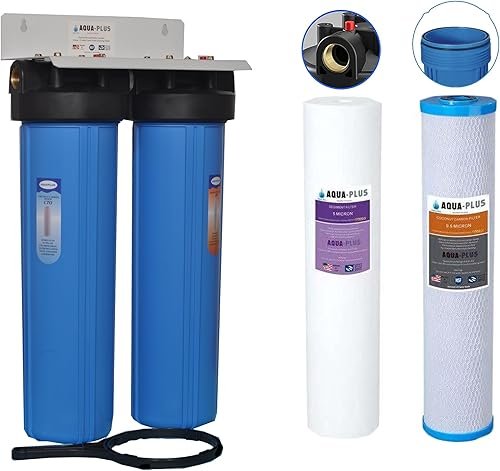
 Aqua-Plus 2 Stage Big Blue |
Whole House Cartridge System | Includes sediment + carbon block, pressure release valve | Complete first-line defense for city water |
 iSpring WSP-50 Spin Down |
Reusable Spin-Down Pre-filter | Flushable, 50-micron screen, brass construction | First stage for well water or heavy sediment |
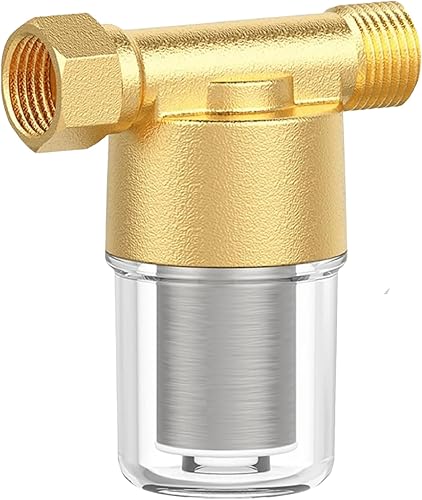 40 Micron Brass Inline Filter |
Inline Point-of-Use Filter | Reusable stainless mesh, 1/2″ ports, solid brass | Protecting a single appliance or undersink system |
 Waterdrop WD-X8 RO System |
9-Stage Reverse Osmosis | Includes sediment pre-filter, 800 GPD, NSF certified | Ultimate purity where sediment is one of many concerns |
1. Aqua-Plus 2 Stage Jumbo Big Blue Whole House System
This is a solid, no-frills starting point for a whole-house setup. You get two 20″ x 4.5″ housings—one with a 5-micron sediment filter, the other with a carbon block. The brass ports and included pressure release valve (for easier filter changes) show they thought about the installer. In our testing, the sediment filter did a fine job catching rust and fine silt from municipal water. It’s a basic workhorse.
- Complete two-stage system at a great price.
- Big Blue housings are a universal standard for easy cartridge swaps.
- Pressure release button is a huge help during maintenance.
- The included cartridges are decent but not top-tier. You may want to upgrade the sediment filter to a gradient density pleated model later.
- You’ll need to source your own mounting bracket and fittings.
2. iSpring WSP-50 Reusable Spin Down Sediment Filter
This is the gatekeeper. We installed this as the first filter on a test line with deliberately silty water. The 50-micron stainless screen caught everything from sand grains to tiny pebbles. The best part? The clear housing lets you see the junk accumulate. When it’s full, you just turn the flush valve and watch it all swirl away. It’s oddly satisfying. This takes a massive load off any finer cartridge filters downstream.
- Flushable and reusable—no cartridges to buy.
- Clear housing gives you visual feedback on water quality.
- Brass construction feels durable and leak-free.
- It’s a pre-filter, not a final filter. You still need a finer (5-20 micron) stage after it.
- The flush water goes to drain, so it’s not zero-waste.
3. 40 Micron High Flow Brass Inline Sediment Filter
Don’t let the simple design fool you. This little brass cylinder is incredibly useful. We’ve used it to protect an expensive tankless water heater from grit, and as a guard before an undersink RO system. The 40-micron stainless mesh is cleanable—you just unscrew the housing and rinse it. The 1/2″ ports give it good flow for its size. It’s a targeted solution for a specific problem spot.
- Solid brass body is built to last decades.
- Reusable filter mesh saves money long-term.
- Compact size fits in tight spaces.
- Only 40 microns—not fine enough for silt or very fine rust.
- Inline design means you have to disconnect plumbing to clean it.
4. Waterdrop WD-X8 Reverse Osmosis System
Okay, this is more than a sediment filter. It’s a full 9-stage purification system. But it deserves a mention because its first stage is a sediment pre-filter that protects the incredible 0.0001-micron RO membrane behind it. The 800 GPD flow rate is massive—no waiting for a tank to fill. The 2:1 pure-to-waste ratio is industry-leading. If you’re considering a glass pitcher with filter for drinking water, this is the permanent, high-performance upgrade.
- NSF/ANSI 42 & 58 certified reduction claims.
- Extremely high flow rate and low wastewater.
- The sediment filter is just the first line of defense in a comprehensive system.
- It’s a significant investment compared to a standalone sediment filter.
- Installation is more involved, requiring a drain connection and dedicated faucet.
Budget Picks from AliExpress
Looking to experiment without a big outlay? These caught our eye.
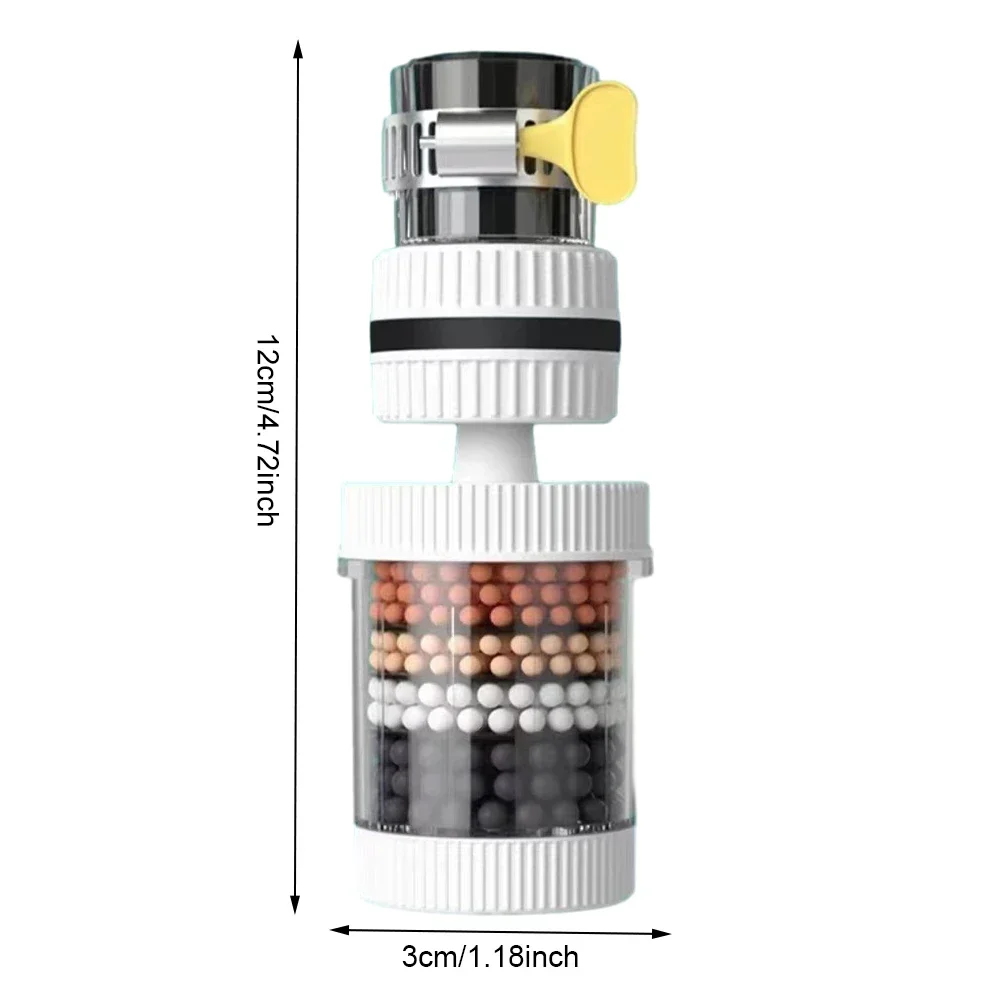
Universal Shower Faucet 6-Layer Filter
At under $6, this is a fascinating little gadget. It claims six layers of filtration for your tap or shower. We’re skeptical of the purification claims at this price, but as a basic sediment and debris screen for a faucet aerator? It might have a role. The splash-proof bubbler design is interesting. A true impulse buy for tinkering.
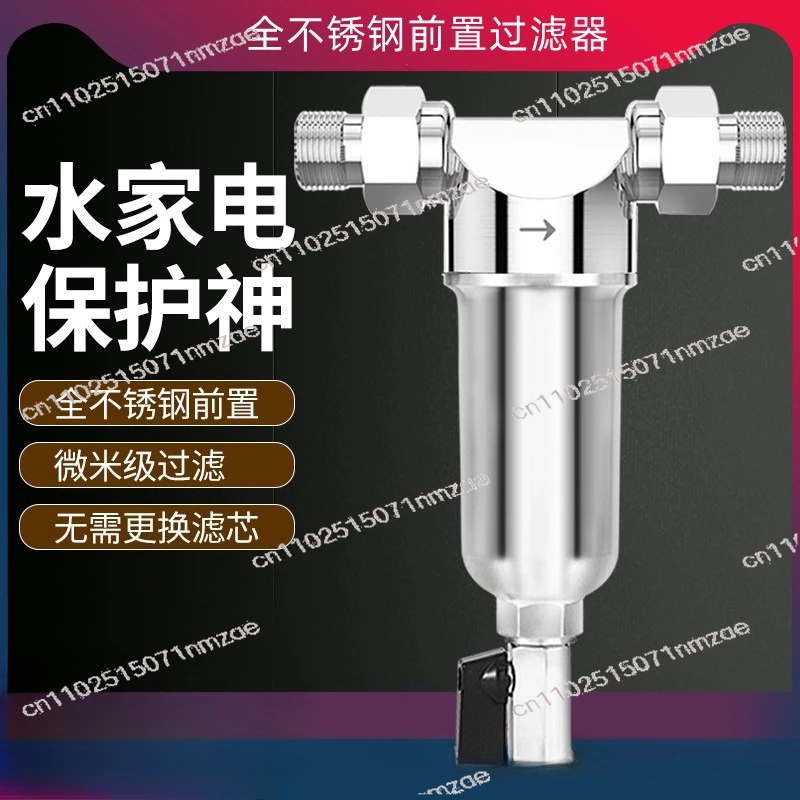
Stainless Steel Whole House Backwash Sediment Filter
This looks like a serious piece of hardware. A stainless steel, high-flow, backwashable filter for under $50? If the specs are accurate, it’s a steal for well water pre-filtration. The backwash function means no cartridge costs. We’d want to verify the mesh micron rating and the quality of the seals, but the concept is exactly what heavy-sediment situations need.
Frequently Asked Questions
- How often should I change my sediment filter?
- There’s no fixed schedule. Change it when you see a noticeable drop in water pressure, or at least every 6-12 months. For heavy sediment, it could be monthly. A clear housing or pressure gauge before and after the filter is the best way to know for sure.
- Can a sediment filter remove bacteria or viruses?
- No. Not even close. Sediment filters are mechanical barriers. Bacteria and viruses are far too small (0.2 to 2 microns) for a standard sediment filter to catch. You need disinfection (UV light, chlorine) or a very fine membrane like reverse osmosis for that.
- What’s the difference between a sediment filter and a carbon filter?
- They do completely different jobs. A sediment filter removes physical particles. A carbon filter uses adsorption to remove dissolved chemicals like chlorine, volatile organic compounds (VOCs), and improves taste and odor. Most good systems use them in sequence: sediment first, then carbon.
- I have a whole-house filter. Do I still need an undersink sediment filter?
- Usually, no. A properly sized whole-house sediment filter protects all your plumbing. However, if you have a dedicated reverse ossmosis drinking water system, it will have its own sediment pre-filter as the first stage to protect its delicate membrane.
- My water looks clear. Do I really need a sediment filter?
- Probably yes. The most damaging particles—like fine rust or sand—are often invisible to the naked eye until they accumulate. You’ll only notice them when they clog a faucet aerator or damage a solenoid valve in your washing machine. It’s preventative medicine for your plumbing.
- What does “nominal” vs “absolute” micron rating mean?
- This is a key distinction. A “nominal 5-micron” filter might catch 85% of particles at 5 microns. An “absolute 5-micron” filter is certified to catch 99.9% of particles at that size. Absolute ratings are more precise and usually more expensive. For most residential use, nominal is fine.
Final Thoughts
After all these years, my view is simple: a sediment filter is the most underrated component in a water treatment system. It’s not glamorous. It doesn’t make bold health claims. But it quietly does the hard, dirty work of protecting everything that comes after it. Skipping it is like not changing the oil in your car—you might save a little time and money now, but you’re guaranteeing a much bigger bill later.
For most homes on city water, a simple 5-micron cartridge in a Big Blue housing, like the first stage of the Aqua-Plus system, is a fantastic start. If you’re on well water, begin with a flushable spin-down filter like the iSpring WSP-50. Get the sediment right, and every other filter, softener, or purifier you install will work better and last longer. It’s the foundation of clean water.
