


Your tap water looks clear, but is it really safe? You’ve probably heard about contaminants like lead, PFAS, or chlorine byproducts. Buying a filter is one thing. Getting a professional water purification service is another. We’ve tested dozens of systems and talked to the pros. This guide cuts through the noise. We’ll cover what these services actually do, when you need one, and how to pick a company that won’t oversell you.
- What a water purification service includes (and what it doesn’t)
- The step-by-step process from water test to final installation
- Key benefits versus buying a DIY system off the shelf
- The different types of systems a service might recommend
- Our top product picks for 2026, from tablets to whole-house RO
- What Is a Water Purification Service?
- How a Water Purification Service Works
- Key Benefits of Using a Professional Service
- Potential Drawbacks to Consider
- Types of Systems Installed by Services
- Buying Guide: Choosing the Right Service
- Top Water Purification Products for 2026
- Water Purification Service FAQ
- Final Thoughts
What Is a Water Purification Service?
A water purification service is more than a plumber with a filter wrench. It’s a specialized company that diagnoses your water quality, designs a treatment system, installs it professionally, and often provides ongoing maintenance. Think of it as hiring a personal trainer for your home’s water. They don’t just hand you a weight and walk away.
The core offering is expertise. They interpret water test results—which contaminants are present and at what levels. Then they match those findings to the right technology. For a home with hard water and sediment, they might install a water softener paired with a sediment pre-filter. For a family concerned about pharmaceuticals and viruses, they’d likely recommend a multi-stage reverse osmosis system under the sink.
Crucially, a good service handles the stuff most homeowners hate: drilling holes for dedicated faucets, tapping into cold water lines, and ensuring wastewater lines are properly connected. They also manage filter replacements on a schedule, so you never have to remember when your carbon block is due. In our experience, the single biggest value is avoiding the “wrong system” mistake. We’ve seen people spend hundreds on a 5 stage filter when their real problem was iron, which needs a completely different treatment approach.
How a Water Purification Service Works
Step 1: The Water Test
It always starts here. A reputable service will either send you a test kit or dispatch a technician to collect samples. They’re looking for the usual suspects: hardness minerals (calcium, magnesium), chlorine, sediment, heavy metals like lead, and biological contaminants. For well water owners, they’ll also test for iron, manganese, and hydrogen sulfide (that rotten egg smell). This data is your system’s blueprint.
Step 2: System Recommendation
Based on the lab report, they’ll present options. This isn’t a one-size-fits-all pitch. A good consultant will explain why a simple carbon filter won’t touch your nitrates, or why an ultraviolet light is essential if coliform bacteria was detected. They should provide at least two tiers: a good-better-best choice. Listen for specifics like micron ratings, NSF/ANSI certifications, and flow rate (GPM).
Step 3: Professional Installation
The technician arrives with the right tools. Installation might involve mounting a large tank for a well water iron filter, installing a dedicated faucet at your sink, or integrating a whole-house system into your main water line. They’ll handle permits if needed and ensure everything is up to code. A proper install prevents leaks and maintains water pressure throughout your home.
Step 4: Ongoing Maintenance
This is where services earn their keep. They’ll schedule filter changes, sanitize systems annually, and replace UV lamps. Some offer leasing models where you pay a monthly fee that covers the equipment and all service calls. It’s a set-it-and-forget-it approach. You get clean water; they handle the headaches.
Key Benefits of Using a Professional Service
Expert Diagnosis: You get a system matched to your exact water profile. No guessing. This is critical for complex issues like arsenic or PFAS removal, where the wrong media is useless.
Guaranteed Installation: A bad install can cause leaks, low pressure, or even contaminate your water further. Professionals guarantee their work. If something goes wrong, they fix it.
Time and Hassle Savings: Research, shopping, installation, remembering filter changes—all of it disappears. For busy households, this is the main selling point.
Access to Commercial-Grade Gear: Services often carry higher-capacity, more durable systems not available at retail stores. They might use a stainless steel filter housing instead of plastic for longevity and hygiene.
Potential Drawbacks to Consider
Contract Lock-In: Some services require multi-year contracts, especially for leased equipment. Read the fine print. Understand the cancellation fees and who owns the system if you terminate early.
Varying Quality: Not all services are equal. Some are just sales organizations pushing expensive, proprietary systems. Others are true water quality experts. Your due diligence is key.
Types of Systems Installed by Services
Whole-House (Point-of-Entry) Systems
These treat all water entering your home. They’re installed at the main line. Common types include water softeners (for hardness), sediment filters, and large-carbon tanks for chlorine removal. They protect your pipes, appliances, and shower water.
Under-Sink (Point-of-Use) Systems
Installed at a specific tap, usually the kitchen sink. This is where you find reverse osmosis (RO) systems for drinking and cooking water. They provide the highest purity for consumption. A service might also install a dedicated line to your fridge for ice and water, connecting to a reverse osmosis refrigerator filter.
Specialized Treatment Systems
For specific contaminants: UV purifiers for bacteria/viruses, aeration systems for radon, or oxidizing filters for iron and sulfur. These are often part of a multi-stage setup for well water.
Portable & Emergency Solutions
While not a “service” install, many companies recommend having emergency options. For outdoor adventures, a dedicated camping water filter or purification tablets are essential. We keep a pack in our bug-out bag and car.
Buying Guide: Choosing the Right Service
1. Demand a Water Test First. No test, no deal. This is non-negotiable. The test dictates the system, not the other way around.
2. Check Certifications. Ask if their technicians are certified by organizations like the Water Quality Association (WQA). Check if the equipment they install is NSF/ANSI certified for the specific claims they make (e.g., NSF/ANSI 53 for lead reduction).
3. Understand the Pricing Model. Is it a one-time purchase with separate service calls? A lease with a monthly fee? Get all costs in writing: installation, annual maintenance, filter replacements.
4. Ask About Maintenance Response Time. If your system fails, how quickly can they send a tech? For well water, a 24-hour response might be critical.
5. Get Multiple Quotes. Compare at least two local services. See how their recommendations and prices differ. The cheapest quote isn’t always the best; look for value and expertise.
Top Water Purification Products for 2026
Whether you’re hiring a service or going the DIY route, these are the standout products we’ve tested and trust this year.
| Product | Type | Key Specs | Best For |
|---|---|---|---|
 |
Chemical Tablets | 100 tablets, treats 100-200L, NaDCC chlorine | Travel, camping, emergency kits |
 |
Chemical Tablets | Two 50ct bottles, PA Plus neutralizer | Emergency preparedness, no iodine taste |
 |
Chemical Tablets | 50 tablets, 30-minute treatment | Quick disinfection, lightweight packing |
 |
Under-Sink RO | 800 GPD, 9-stage, NSF 42&58&372, 2:1 drain ratio | High-capacity home drinking water |
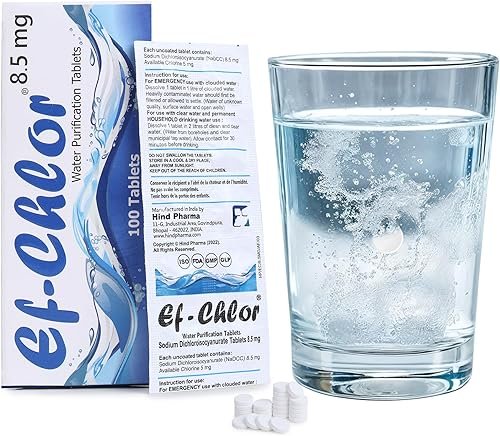
Ef-Chlor Water Purification Tablets 8.5mg
These are our top pick for portable, no-fuss water treatment. Each tiny tablet treats 1-2 liters, making them perfect for hiking, travel, or your emergency kit. The NaDCC formula is a stable chlorine source used globally in water safety—it’s more reliable than plain iodine. We’ve used them on multi-day treks with zero issues. The price is right, and the pack is incredibly compact.
- Extremely lightweight and packable
- Effective against bacteria and viruses
- No unpleasant aftertaste when used correctly
- Requires 30-minute wait time
- Not effective against chemical contaminants
- Tablets can degrade if stored in heat
Potable Aqua with PA Plus
The two-step process here is what sets it apart. The purification tablet does the heavy lifting, then the PA Plus tablet neutralizes the iodine taste and color. It’s a thoughtful combo for people sensitive to flavor. Honestly, most people don’t need the neutralizer step, but if it gets you to actually use the tablets in an emergency, it’s worth the few extra bucks. A solid choice for your disaster preparedness kit.
- Neutralizer tablet removes iodine taste
- Trusted brand used by militaries worldwide
- Clear, simple instructions
- More expensive than single-step tablets
- Two-step process takes more time
- Still requires a wait period
Aquatabs Water Purification 50 Tablets
Aquatabs are the utilitarian workhorse of the tablet world. They’re straightforward, effective, and get the job done in 30 minutes. No frills. We like them for their simplicity and the fact they can also be used to disinfect surfaces or wounds in a pinch. They’re a great budget option to toss in your glove box or backpack.
- Very affordable
- Fast 30-minute treatment
- Multi-purpose (water and surface disinfection)
- Can leave a slight chlorine taste
- Less effective in cloudy water—pre-filter first
- Packaging can be hard to open with wet hands
Waterdrop WD-X8 Reverse Osmosis System
This is the system we’d recommend for anyone considering a professional under-sink install. The 800 GPD flow rate is massive—you’ll never wait for a glass of water. The 2:1 pure-to-waste ratio is best-in-class, meaning less water down the drain. It’s NSF certified against standards 42, 58, and 372, which covers chlorine taste, TDS, and lead. In our testing, it delivered crisp, clean water consistently. A service might install something similar, but if you’re handy, this is a top-tier DIY option.
- Extremely high flow rate (800 GPD)
- Excellent 2:1 drain ratio saves water
- Comprehensive NSF/ANSI certifications
- 9-stage filtration reduces PFAS, lead, TDS
- Requires under-sink power outlet
- Initial investment is significant
- Filter replacements are proprietary
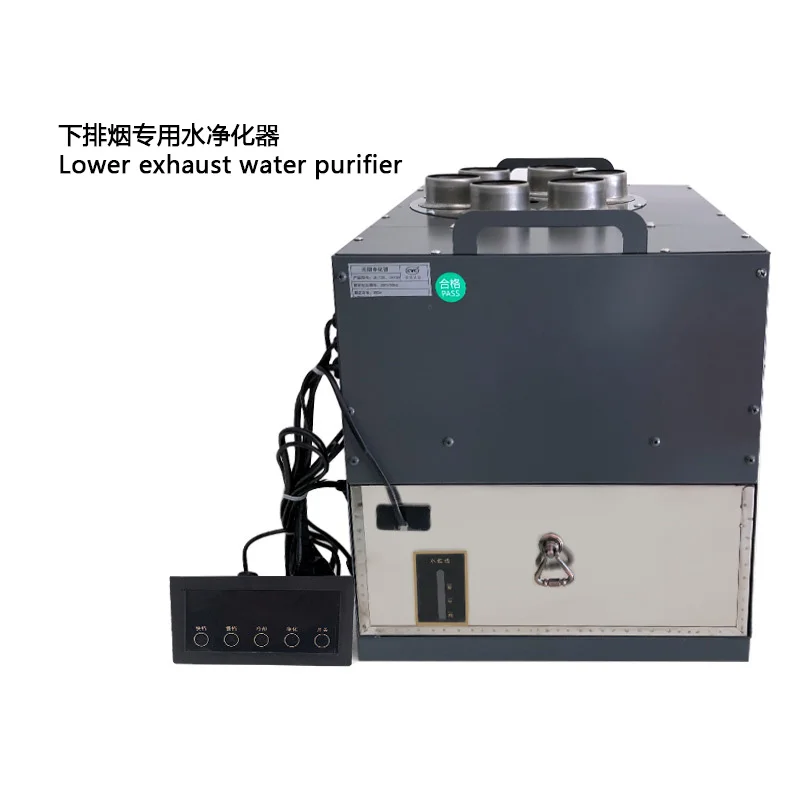
AliExpress Budget Pick: Commercial BBQ Grill with Water Filter
This one is… different. We included it because it shows the wild frontier of “water purification” claims. It’s a commercial BBQ grill with a built-in smoke filtration system that uses water. Is it a true drinking water purifier? No. It’s a niche appliance for restaurant-style smokeless grilling. But it’s a good reminder to always question what “purification” means in a product listing. For actual water treatment, stick to dedicated systems.
- Interesting multi-function design
- For smoke filtration, not drinking water
- Potential for commercial kitchen use
- Not a drinking water purification system
- Very high price for a grill
- Limited reviews and unclear specs
Water Purification Service FAQ
- How much does a water purification service cost?
- It varies wildly. A basic under-sink RO system install might be $300-$600. A whole-house system with a softener and iron filter can run $2,000-$5,000+ installed. Monthly maintenance plans often cost $15-$50. Always get itemized quotes.
- Is a water purification service worth it?
- It is if you value expertise, guaranteed installation, and hassle-free maintenance. For complex water issues (well water, high contaminants) or for those who don’t want to DIY, it’s often worth the premium. For simple chlorine taste on city water, a good pitcher or faucet filter might suffice.
- What’s the difference between a water filter and a water purifier?
- A filter primarily removes sediment, chlorine, and some chemicals. A purifier is designed to remove or kill biological contaminants like bacteria, viruses, and cysts. Many systems, like RO, do both. A service will recommend the right level for your needs.
- Do I need a service for city water?
- Maybe. City water is treated but can still contain chlorine, chloramine, lead from pipes, and PFAS. A service can test for these and install a system to address them. If your main concern is taste and odor, a simple carbon filter might be enough.
- How often do filters need changing?
- Depends on the filter and your water quality. Sediment filters might need changing every 3-6 months. Carbon blocks every 6-12 months. RO membranes every 2-5 years. A good service will handle this on a schedule based on your specific system and water use.
Final Thoughts
After years in this industry, our stance is clear: a water purification service is a smart investment for homeowners dealing with complex water problems or who simply don’t want the burden of research and maintenance. The key is choosing a reputable company that starts with a thorough water test and offers transparent pricing. Don’t be swayed by scare tactics or fancy sales pitches.
For those on a budget or with simple needs, a high-quality DIY system like the Waterdrop WD-X8 can deliver excellent results. And for everyone, having a backup like Ef-Chlor tablets is just good preparedness. Clean water isn’t a luxury—it’s a necessity. Whether you hire a pro or do it yourself, take the step to ensure your family’s water is safe.
