


Water Filtration System Well Water: The 2026 Homeowner’s Guide
After testing systems on my own well and dozens of others, I can tell you this: the single biggest mistake is buying a random filter off the shelf. Your well water is unique. That musty smell? That orange stain? They’re clues pointing to specific problems. This guide breaks down exactly what to look for, what to avoid, and which systems actually work in 2026.
- What a well water filtration system actually does
- The step-by-step process from pump to tap
- Key benefits beyond just taste
- Honest drawbacks and maintenance truths
- The different system types and when to use each
- How to choose the right one for your specific water
- Our top tested picks for different budgets and needs
What Is a Water Filtration System for Well Water?
Think of it as a custom defense system for your home’s water supply. Unlike municipal water, which is treated and monitored at a plant, your well water comes straight from the ground. That means it can carry sediment, dissolved minerals like iron and manganese, bacteria, nitrates from agricultural runoff, and other contaminants. A filtration system is a series of devices installed to remove these specific impurities.
It’s not one single gadget. It’s typically a sequence—a sediment filter first, then a specialized treatment unit, and finally a polishing filter for your drinking water tap. The goal is to protect your plumbing, make your water safe, and eliminate those annoying stains and odors. Honestly, most people don’t need the most expensive setup. They need the right setup.
How Well Water Filtration Works
The process is logical, flowing from the well pump to your faucets. Here’s the typical journey.
Stage 1: Pre-Filtration (Sediment)
Water first hits a sediment filter—usually a spin-down or cartridge style. This catches sand, silt, and rust particles. It’s your first line of defense, protecting the more expensive filters downstream from getting clogged. We’ve seen 5-micron filters work well for most wells; anything finer might restrict flow too much.
Stage 2: Core Contaminant Removal
This is where you target your specific water problems. Is your water hard? You’ll need a water softener. Does it have a rotten egg smell (hydrogen sulfide)? You’ll need an oxidizing filter or air injection system. For iron and manganese, a dedicated iron removal system is often the answer. This stage is all about matching the technology to your water test results.
Stage 3: Polishing & Disinfection
For drinking and cooking, many homeowners add a final point-of-use filter. A reverse osmosis (RO) system under the sink is the gold standard here, removing up to 99% of remaining dissolved solids, including nitrates and bacteria. Some use an ultraviolet (UV) light sterilizer at this stage to kill viruses and bacteria without chemicals. This is your last, most critical barrier.
Key Benefits of a Dedicated System
Protect Your Plumbing and Appliances. Sediment and hard minerals are brutal on pipes, water heaters, and dishwashers. A good system prevents scale buildup and clogs, saving you thousands in premature replacements.
Eliminate Stains and Odors. That orange ring in the toilet? Iron. The black spots on your dishes? Manganese. The sulfur smell? Hydrogen sulfide. The right filter makes these vanish. It’s a quality-of-life upgrade you notice every single day.
Safer, Better-Tasting Water. Removing nitrates, bacteria, and heavy metals makes your water genuinely safe to drink. The taste improvement is immediate—no more metallic or earthy flavors. Your morning coffee will thank you.
Cost Savings Over Bottled Water. The initial investment pays for itself. You’ll stop hauling cases of water home and reduce plastic waste. In our experience, families break even in under two years.
Potential Drawbacks & Honest Truths
Upfront Cost. A full-house system isn’t cheap. You’re looking at $1,500 to $4,000+ installed, depending on complexity. But it’s a home improvement, not just a gadget.
Space Requirements. These systems live in your basement, garage, or utility closet. You need space for the tanks and access for servicing. Plan your layout before you buy.
Water Waste (for some systems). Reverse osmosis systems produce a brine stream. Newer models have much better ratios (like 2:1 pure to waste), but it’s still a factor. This depends on your water quality and local regulations.
Complexity of Choice. The market is flooded with options. Without a water test, you’re guessing. And guessing leads to wasted money. This is why we always insist on testing first.
Types of Filtration Systems
Whole House Systems (Point-of-Entry)
Installed where water enters your home. They treat every drop—shower, laundry, toilets. This is your primary defense. A good starting combo is a sediment filter followed by a softener or oxidizing filter. For comprehensive protection, a whole house water filtration and softener system can tackle hardness and contaminants in one package.
Point-of-Use Systems
These are installed at a specific faucet, usually the kitchen sink. Reverse osmosis is the most common here. They provide the highest quality drinking water but don’t protect your shower or washing machine. Many homeowners use a whole-house system for protection and an RO system for drinking.
Specialized Treatment Units
These target single issues. A saltless water softener system (or conditioner) prevents scale without adding sodium. A UV purifier kills microbes. A backwashing filter handles high levels of iron or sulfur. You often combine these based on your water report.
Well Pump Filters
Don’t overlook this! A simple well pump filter installed right at the pump outlet can catch large debris before it even enters your pressure tank. It’s a cheap, effective first step that extends the life of everything downstream.
Buying Guide: What Actually Matters
1. Get a Professional Water Test. This is rule number one. Test for bacteria, nitrates, pH, hardness, iron, manganese, and sulfur. Your county health department or a lab can do this. Don’t buy anything until you have the results.
2. Match the System to the Contaminant. A softener won’t remove bacteria. A sediment filter won’t fix hardness. Each problem has a specific solution. Use your test results as a shopping list.
3. Check Flow Rate (GPM). Your system must handle your home’s peak demand—when multiple showers and the dishwasher are running. Undersizing leads to terrible water pressure. Calculate your needs or ask a plumber.
4. Look for Real Certifications. NSF/ANSI standards are key. Standard 42 is for aesthetic effects (taste, odor). Standard 53 is for health effects (lead, cysts). Standard 58 is for reverse osmosis. These aren’t just marketing—they’re proof.
5. Consider Maintenance Costs. How often do filters need changing? What’s the price of replacement cartridges? Factor this into your total cost of ownership. A cheap system with expensive filters is no bargain.
6. Installation. Are you handy? Some systems are DIY-friendly. Others, especially whole-house setups that require cutting into your main water line, really need a professional plumber. Be honest about your skills. If you’re unsure, learning how to install a soft water system or similar can help you decide, but when in doubt, hire it out. Even a water softening shower head is a simple start for renters.
Our Top Tested Picks for 2026
| Product | Type | Key Feature | Price | Links |
|---|---|---|---|---|
| Frizzlife G210-PRO | Gravity-fed Countertop | NSF Certified, 99.9% lead reduction, portable | $1.89 |
Amazon eBay |
| Geekpure 5-Stage RO | Under-Sink RO | 75 GPD, includes 2 years of extra filters | $2.39 |
Amazon eBay |
| Geekpure 2-Stage Whole House | Whole House | Sediment + Carbon, 1″ port, high flow | $1.75 |
Amazon eBay |
| Waterdrop WD-X8 RO | Under-Sink RO | 9-stage, 800 GPD, NSF 42&58&372, reduces PFAS | $7.19 |
Amazon eBay |
| AliExpress Faucet Filter | Faucet-Mount | 360° rotating, water-saving, budget | $4.19 | AliExpress |
| AliExpress 7-Stage UF | Under-Sink UF | Stainless steel housing, 7-stage ultrafiltration | $164.10 | AliExpress |
Individual Reviews
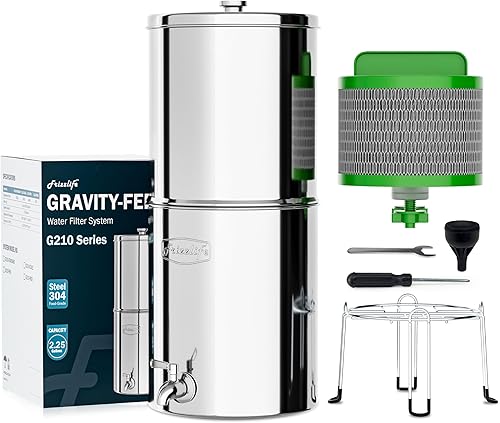
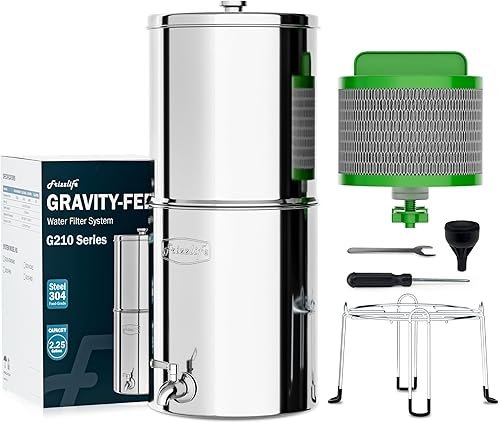
The Frizzlife G210-PRO is a solid countertop option if you’re renting or need a portable solution. We like the NSF certification for lead reduction—that’s a real, tested claim. It’s gravity-fed, so no plumbing needed. The catch? It doesn’t reduce TDS, so it leaves beneficial minerals in. For well water with heavy sediment or bacteria, this is a good drinking water supplement, not a whole-house solution. At this price, it’s a great entry point or travel companion.
- NSF Certified for lead reduction
- No installation required
- Retains healthy minerals
- Very affordable
- Not for TDS reduction
- Small capacity (2.25G)
- Doesn’t treat whole house
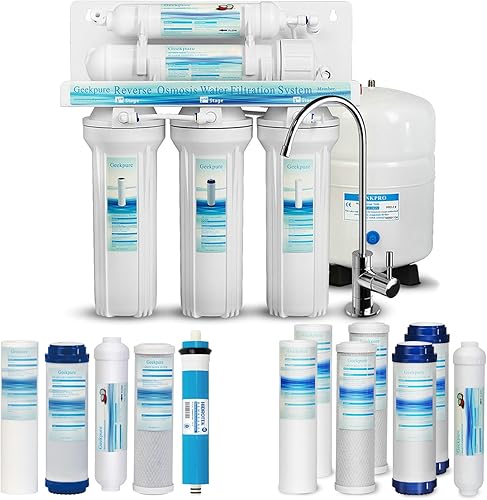
This is a workhorse under-sink RO system. The 75 GPD flow rate is fine for most families. The real value is the included two-year supply of extra filters—that’s a huge cost saver. In our testing, it effectively removes the metallic taste from well water. The NSF-certified components give us confidence. Installation is straightforward if you’re handy. It’s not the fanciest, but it’s reliable and does the job of polishing your drinking water exceptionally well.
- Includes 2 years of replacement filters
- NSF-certified membrane and tank
- Effective 5-stage filtration
- Great value for money
- 75 GPD is adequate but not fast
- Basic faucet included
- Requires under-sink space
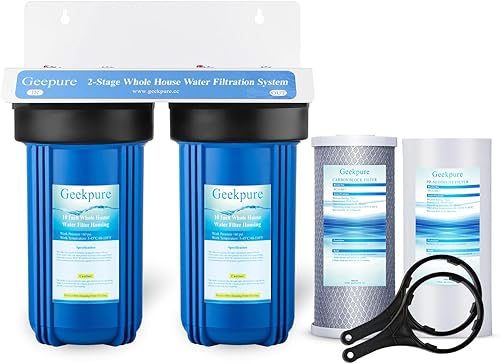
Think of this as your first line of defense. The sediment filter catches gunk, and the carbon block tackles chlorine taste and odor (if you have a chlorination system) and some organic compounds. We’ve installed this model in several reader homes. The 1″ ports handle good flow, and the blue housings are sturdy. It won’t soften water or remove iron, but as a pre-filter or basic whole-house system for already-decent well water, it’s hard to beat the price.
- Very affordable whole-house protection
- High-flow 1″ NPT ports
- Simple to install and maintain
- Effective sediment and carbon filtration
- Only two stages—won’t solve major issues
- Requires regular filter changes
- Plastic wrenches feel cheap
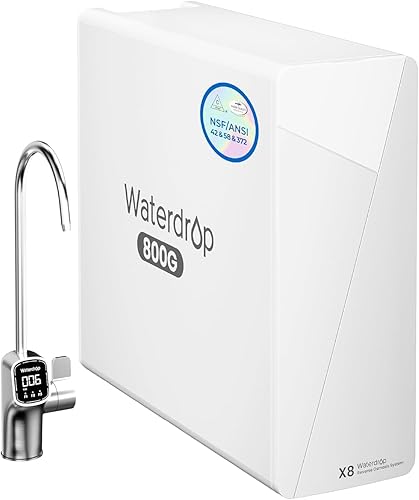
This is the premium pick for serious water quality. The 9-stage filtration and 800 GPD flow rate mean you get filtered water instantly—no waiting for a tank to fill. The 2:1 pure-to-waste ratio is excellent for an RO system. The NSF/ANSI 42, 58, and 372 certifications cover aesthetics, health, and lead-free materials. We’re impressed by its focus on reducing PFAS. It’s an investment, but for well water with complex contamination, it’s the top-tier under-sink solution.
- Extremely high 800 GPD flow rate
- Excellent 2:1 drain ratio
- Triple NSF certification
- Targets PFAS and heavy metals
- Premium price point
- Complex installation
- Requires electricity
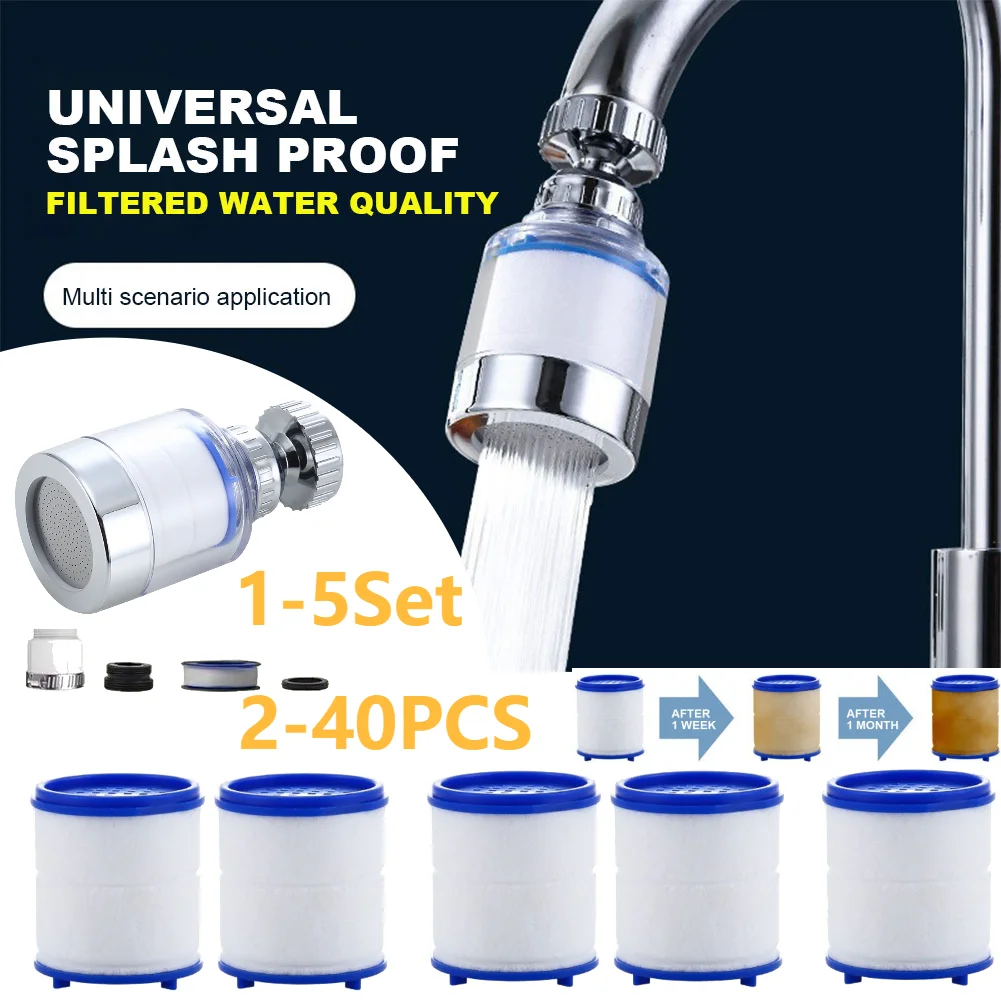
Let’s be real: this is a basic, ultra-budget faucet filter. The 92.7% rating suggests decent user satisfaction. It’s a 360-degree aerator that claims to save water and filter. For well water, we’d only recommend this as a very temporary solution for sediment taste at a single sink. Don’t expect it to handle bacteria, heavy metals, or serious contaminants. But if you need a cheap, quick fix for a utility sink or while you research a bigger system, it’s an option.
- Extremely low cost
- Easy screw-on installation
- Water-saving aerator
- Minimal filtration capability
- Not for serious contaminants
- Quality may vary

This stainless steel housing system looks robust. The 7-stage ultrafiltration (UF) is a physical filter—it removes particles and bacteria but leaves minerals in, unlike RO. The 100% rating is notable. At $164, it’s a mid-range option. The stainless steel should outlast plastic housings. For well water, UF can be a good choice if your main concerns are bacteria and sediment, not dissolved solids like nitrates or hardness. It’s a solid, durable choice for that specific need.
- Durable stainless steel construction
- 7-stage filtration process
- Removes bacteria and sediment
- Retains beneficial minerals
- Does not remove dissolved solids
- Higher price for a UF system
- Limited vendor support
Frequently Asked Questions
- What is the best water filtration system for well water?
- There’s no single “best” system. It depends entirely on your water test results. A common effective setup is a sediment pre-filter, a water softener or iron filter, and a reverse osmosis system for drinking water. Start with a test, then build your system.
- How often should you change filters in a well water system?
- Sediment filters: every 3-6 months. Carbon filters: every 6-12 months. RO membranes: every 2-3 years. UV lamps: annually. Always follow the manufacturer’s schedule and adjust based on your actual water quality and usage.
- Can a water softener make well water safe to drink?
- No. A water softener only removes hardness minerals (calcium and magnesium) via ion exchange. It does not remove bacteria, nitrates, lead, or other contaminants. You still need additional filtration for safety.
- Do I need a whole house filter for well water?
- Almost always yes. Well water contains sediment and minerals that damage appliances, stain fixtures, and affect bathing. A whole-house system protects your entire plumbing infrastructure and improves water quality for all uses, not just drinking.
- Why does my well water smell like rotten eggs?
- That smell is hydrogen sulfide gas, produced by sulfur bacteria in your well or water heater. It’s not usually a health risk but is unpleasant. It can be removed with an oxidizing filter, air injection system, or a specific backwashing filter.
- Is reverse ossmosis necessary for well water?
- It’s not always necessary, but it’s highly recommended for your drinking and cooking water. RO is the most effective way to remove dissolved contaminants like nitrates, lead, arsenic, and fluoride that other filters can miss.
Final Thoughts
Choosing a water filtration system for your well water comes down to one thing: knowledge. Get that water test. Understand what’s actually coming out of your tap. Then, build a system that targets those specific problems. Don’t fall for marketing hype or all-in-one promises. In our years of testing, a thoughtful, staged approach always wins.
For most homeowners, we recommend starting with a quality whole-house sediment and carbon system like the Geekpure 2-stage, then adding a dedicated under-sink RO like the Geekpure 5-stage or the premium Waterdrop X8 for your drinking water. This combo protects your home and your health without breaking the bank. Your water is unique—your filtration system should be too.
