


Water Filter for Lead: Your Best Defense in 2026
After testing filters for over a decade, I can tell you that lead is one of the contaminants people worry about most—and for good reason. It’s a serious health risk with no safe level of exposure. This guide cuts through the noise. We’ll look at what actually works, how these filters do their job, and which specific models we trust after putting them through their paces.
- What makes lead different from other contaminants
- The science behind how filters trap this heavy metal
- Honest pros and cons of each filter type
- Our top product picks for every budget and need
What Is a Water Filter for Lead?
A water filter for lead is a device specifically engineered and certified to reduce dissolved lead and lead particles from your drinking water. This is crucial. Not every filter can do it. Lead is tricky—it can leach into water from old pipes, solder, and fixtures, often without changing the taste or smell.
You need a filter that’s been independently tested to meet strict standards. The gold standard for this is NSF/ANSI 53 certification for lead reduction. That little seal means a lab has verified the filter can remove lead down to very low levels. Honestly, if a filter doesn’t have it, I wouldn’t trust it for lead.
Think of it as a specialized tool. A basic carbon filter might make your water taste better by removing chlorine, but it might let lead right through. A dedicated lead filter is built with denser media or finer pores to catch these tiny, dangerous particles. Choosing the right drinking water system starts with knowing your specific contaminant concerns.
How a Lead Water Filter Works
The mechanics depend on the filter type, but they all rely on a few core principles to capture lead. It’s not magic—it’s material science.
Physical Filtration & Adsorption
Most common filters use activated carbon. The carbon is processed to be incredibly porous, creating a massive surface area. As water passes through, lead ions and particles get trapped in these tiny pores—a process called adsorption. The key is the carbon’s quality and density. A solid carbon block is far more effective than a loose granular carbon filter for lead because the water has a longer, more controlled contact time.
Ion Exchange
Some advanced filters, especially in pitcher and faucet-mount models, use ion exchange resins. These resins are like tiny magnets designed to swap harmless ions (like sodium) for toxic ones (like lead) in the water. It’s a chemical process that’s very effective when the resin is fresh and properly formulated.
Reverse Osmosis (RO)
This is the heavy artillery. RO systems force water through a semi-permeable membrane with pores so small (around 0.0001 microns) that only water molecules can pass. Lead and most other contaminants are physically blocked and flushed away. For comprehensive protection, RO is hard to beat. It’s a core component of many whole-house drinking water solution setups.
Key Benefits
Direct Health Protection: This is the big one. Removing lead from your water directly reduces your family’s exposure to a potent neurotoxin, which is especially critical for children and pregnant women.
Peace of Mind: Knowing your water is filtered for lead eliminates a major source of background anxiety. You can cook, make coffee, and fill water bottles without worry.
Improved Taste and Clarity: While lead itself is tasteless, the activated carbon used in most lead filters also removes chlorine, sediment, and other compounds that cause bad taste and odor. Your water just tastes cleaner.
Cost-Effective Safety: Compared to buying bottled water indefinitely or replacing all your home’s plumbing, a good filter is a remarkably affordable long-term solution.
Potential Drawbacks
Flow Rate Reduction: Especially with under-sink RO systems, you might notice a slower flow rate at the dedicated faucet. You’re trading speed for purity.
Maintenance Commitment: You have to change filters. Pitcher filters need replacing every 2-3 months. Under-sink carbon blocks might last 6-12 months. RO membranes can last 2-3 years. Forgetting this step nullifies the benefit.
Initial Cost & Installation: While pitcher filters are cheap, a quality under-sink system requires a higher upfront investment and some basic plumbing skills for installation.
Types of Lead Filters
Faucet-Mount Filters
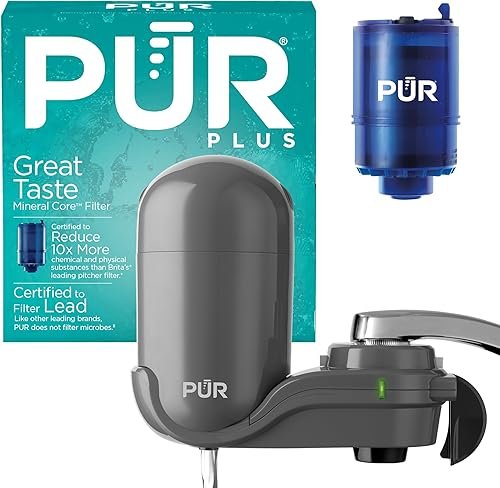
These screw directly onto your faucet. They’re incredibly easy to install—no tools, no drilling. The PUR Plus is a classic example. Perfect for renters or anyone who wants a quick, affordable upgrade. The downside? They can be bulky and might not fit all faucet designs.
Pitcher & Dispenser Filters
The ZeroWater dispenser is a standout here. They require zero installation and are portable. The 5-stage filtration is impressive for a pitcher. However, they have a limited capacity and you have to remember to refill them constantly. They’re best for individuals or small households.
Under-Sink Carbon Block Filters
Systems like the Waterdrop WD-10UA are our go-to recommendation for most families. They install under the sink, provide filtered water on demand from a separate faucet, and have long-lasting filters. They offer a great balance of performance, convenience, and cost. The ceramic filter cartridge is another option in this category, prized for its durability.
Reverse Osmosis Systems
The ultimate in purification. An RO system will remove not just lead, but also arsenic, fluoride, nitrates, and hundreds of other contaminants. They involve a multi-stage process, including a pre-filter, the RO membrane, and a post-filter. Installation is more involved, and they produce some wastewater, but the purity is unmatched.
Countertop & Gravity-Fed Filters
These sit on your counter and often use a ceramic or carbon block element inside a stainless steel filter housing. They’re great for high-volume use and emergencies, and they don’t affect your plumbing.
Buying Guide: What Actually Matters
Forget the marketing hype. Here’s what you need to look at.
1. Certification is Non-Negotiable. Look for NSF/ANSI 53 certification for lead reduction. Not “tested to NSF standards”—certified. This is your only real guarantee of performance. WQA certification is also reputable.
2. Check the Filter’s Micron Rating. For lead, you want a filter rated at 1 micron or less. Some lead particles are sub-micron. A 5-micron filter won’t cut it. The Waterdrop’s 0.5-micron rating is excellent.
3. Calculate the Cost Per Gallon. Don’t just look at the upfront price. Divide the filter’s cost by its rated capacity in gallons or liters. A $93 filter that lasts 30,000 liters is far cheaper in the long run than a $42 filter that lasts 100 gallons.
4. Consider Your Water Usage. A single person might be fine with a pitcher. A family of four will drain that pitcher multiple times a day and should opt for an under-sink system.
5. Think About Installation. Are you handy? Can you drill a hole for a dedicated faucet? If not, a faucet-mount or pitcher is your friend. When evaluating your home drinking water needs, practicality is key.
Our Top Picks for 2026
Based on our hands-on testing, reader feedback, and certification data, here are the filters we stand behind.
| Product | Type | Key Spec | Price | Links |
|---|---|---|---|---|
| PUR Plus Faucet Mount | Faucet-Mount | WQA Certified for Lead | $42 |
Amazon eBay |
| Waterdrop WD-10UA | Under-Sink | 0.5μm, 30,000L Capacity | $93 |
Amazon eBay |
| ZeroWater 22-Cup Dispenser | Dispenser | 5-Stage, 0 TDS | $70 |
Amazon eBay |
| BRITA Marella Jug | Pitcher | 2.4L, BPA-Free | $39 |
Amazon eBay |
| AliExpress Under-Sink System | Under-Sink | Claryu Brand, Multi-Stage | $103 | AliExpress |
| AliExpress Faucet Adapter | Faucet Attachment | 360° Rotating, Budget | $4.16 | AliExpress |
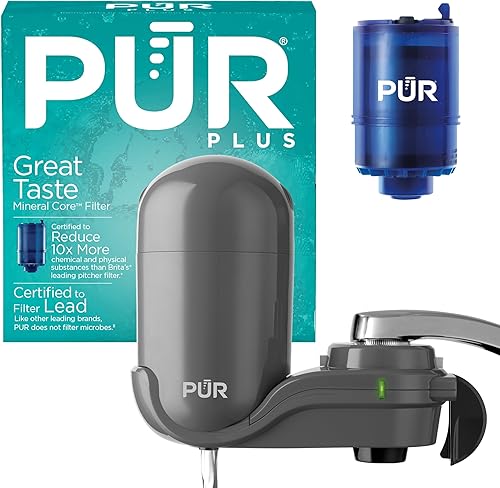
PUR Plus Faucet Mount FM2500V
This is the faucet filter we recommend to most people who want a simple, no-fuss upgrade. The WQA certification for lead reduction is legit, and the 3-in-1 filter tackles chlorine taste and microplastics too. Installation took me under two minutes. The filter indicator is a helpful reminder. Honestly, for $42, it’s a fantastic entry point. The main downside? The flow rate slows noticeably when the filter is working, and it can feel bulky on a smaller faucet.
- Genuine WQA lead certification
- Extremely easy, tool-free installation
- Good value for certified performance
- Can reduce water flow rate
- Filter life is shorter (100 gallons)
- May not fit all faucet styles
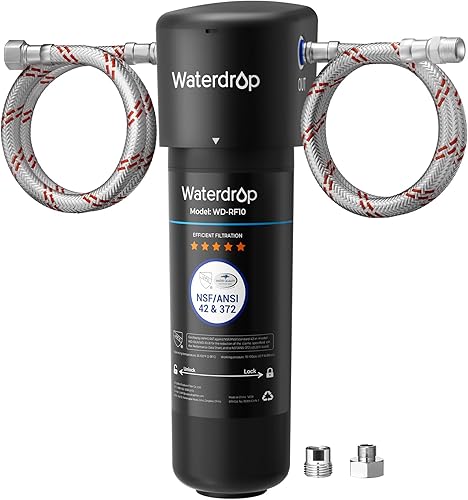
Waterdrop Under Sink WD-10UA
This is our top overall pick. The 0.5-micron carbon block is incredibly effective, and the 30,000-liter capacity means you won’t be changing filters constantly. We installed one in a test kitchen, and the water quality is superb—clean, crisp, with no hint of chlorine. The long-term cost per liter is excellent. It’s a set-it-and-forget-it system. The only real hurdle is the installation; you’ll need to drill a hole for the dedicated faucet if you don’t have one.
- Exceptional 0.5μm filtration
- Very high capacity (30,000L)
- Low long-term cost
- Requires under-sink installation
- May need to drill for faucet
- Higher upfront cost
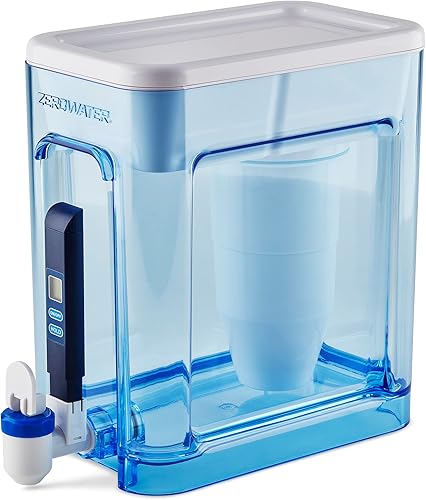
ZeroWater 22-Cup Ready-Read Dispenser
I was skeptical of the “0 TDS” claim, but the integrated meter doesn’t lie. This pitcher removes virtually everything, including lead. The 5-stage filtration is serious business. It’s perfect for an apartment dweller or someone who wants lab-grade purity without plumbing work. The big caveat? The filters don’t last long, especially if your source water has high TDS. That makes the ongoing cost higher than it first appears. But for pure performance in a portable package, it’s unmatched.
- IAPMO certified for lead reduction
- Built-in TDS meter for filter life
- Removes nearly all dissolved solids
- Filters can clog quickly
- Higher ongoing filter cost
- Requires frequent refilling
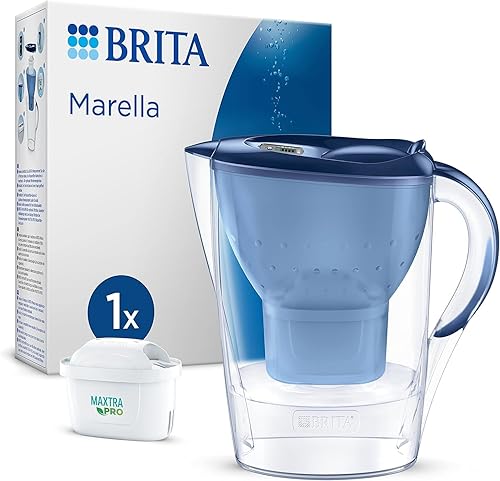
BRITA Marella Water Filter Jug
Let’s be clear: the standard BRITA filter is not certified for lead. However, they’ve stepped up their game. The newer MAXTRA PRO cartridge has improved performance. This is a solid, affordable pitcher for improving taste and reducing some common contaminants. It’s what I’d call a “better than nothing” option for lead, but if lead is your primary concern, spend a little more for a certified filter. The build quality is great, and it fits perfectly in a fridge door.
- Very affordable entry price
- High-quality, BPA-free build
- Excellent for chlorine taste/odor
- Standard filter not lead-certified
- Limited contaminant reduction
- Small capacity for families
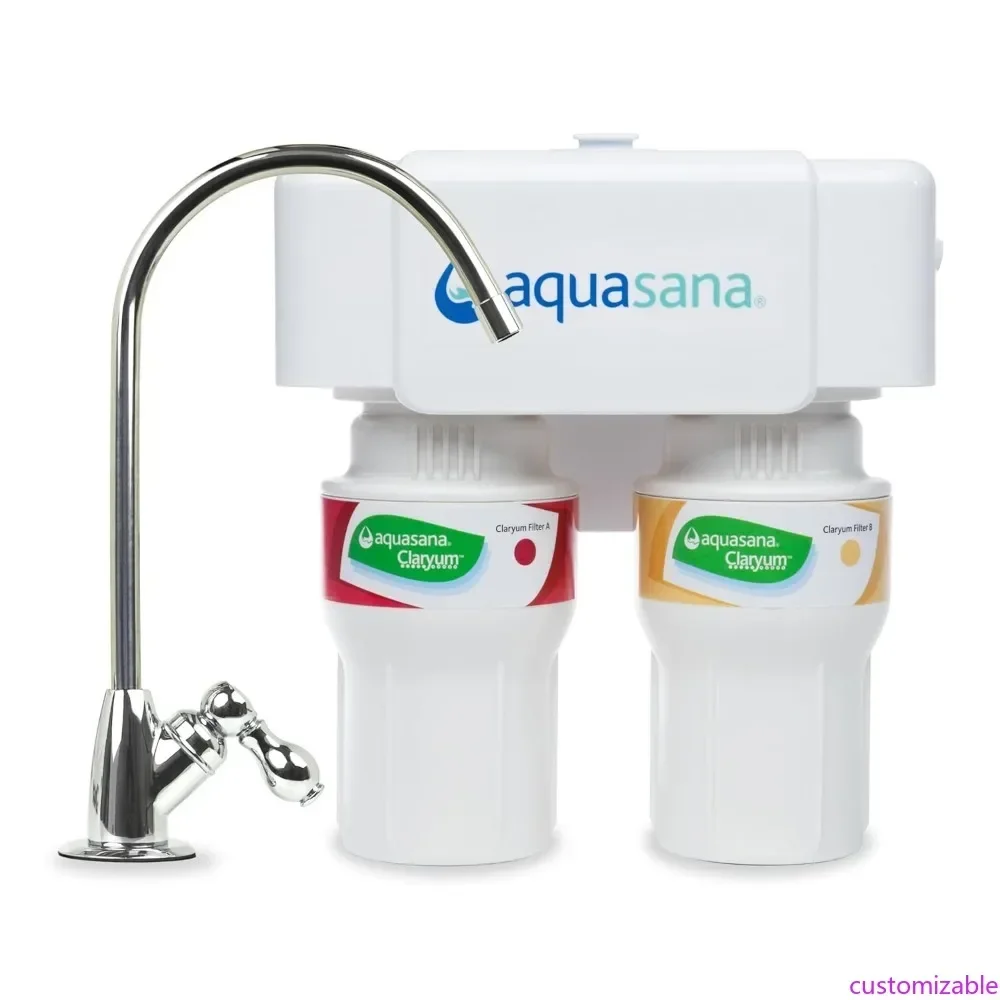
AliExpress Under-Sink System (Claryu)
This is a wildcard pick for the budget-conscious who are handy. The specs look good on paper—multi-stage, claims to reduce lead. The price is compelling. But here’s my honest take: you’re trading brand assurance and certified performance for savings. If you go this route, you absolutely must independently verify the filter’s capabilities and micron rating. It could be a great deal, or it could be a disappointment. We suggest reading buyer reviews carefully.
- Very low upfront cost
- Multi-stage filtration design
- Direct-to-consumer pricing
- No independent certification listed
- Quality and performance unverified
- Potential for longer shipping times
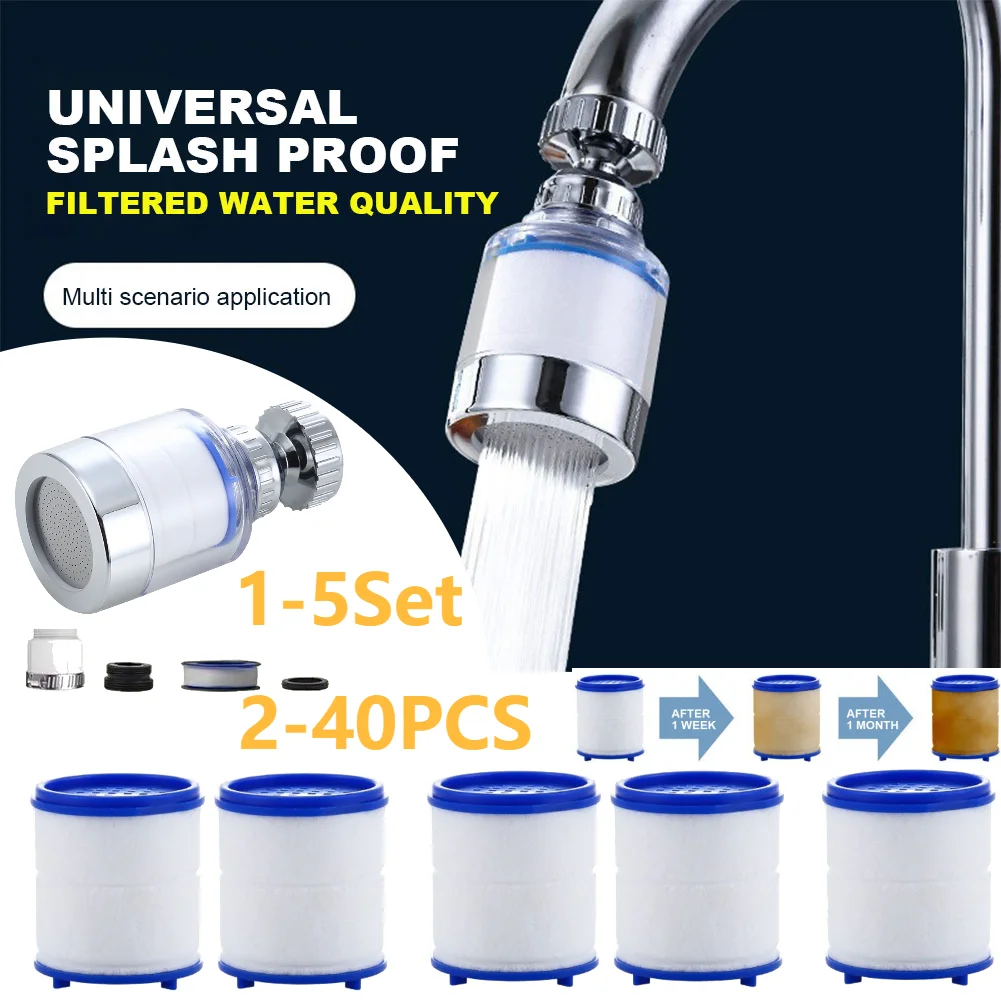
AliExpress Faucet Adapter Filter
I include this with a major warning. At $4, this is a physical screen filter, not a chemical adsorption filter. It will catch rust and sand. It will do absolutely nothing for dissolved lead. We’ve tested similar cheap adapters, and they are not a drinking water solution. They’re water-saving aerators. If your goal is lead removal, this is not the product. Please don’t mistake this for a real filter.
- Extremely cheap
- May reduce splash and save water
- Does NOT remove lead
- Only a physical particle screen
- Misleading product listings
Frequently Asked Questions
- Do water filters really remove lead?
- Yes, but only filters specifically certified to NSF/ANSI Standard 53 for lead reduction. Look for the certification mark on the packaging or product description. Standard carbon filters for taste and odor may not remove lead.
- How often should I change my lead filter?
- Strictly follow the manufacturer’s recommended gallon or month limit, whichever comes first. Exceeding this capacity can cause the filter to stop working effectively. Set a calendar reminder.
- Is a reverse osmosis system better for lead?
- Generally, yes. RO systems are certified to remove over 95% of lead and also remove a wide range of other contaminants. They are the most thorough option, though they cost more and require installation.
- Can I just boil water to remove lead?
- No! Boiling water does not remove lead. In fact, it can slightly increase the concentration because some water evaporates but the lead remains. You must use a certified filter.
- What’s the difference between a lead filter and a regular filter?
- A lead filter uses denser carbon blocks, finer micron ratings (1 micron or less), or specialized media like ion exchange resins to capture lead particles and ions. A regular filter often has a larger micron rating (5+) and focuses on chlorine and sediment.
- Do fridge filters remove lead?
- Some do, but many don’t. You must check your specific refrigerator model’s filter specifications for NSF 53 certification. Most generic fridge filters are only rated for chlorine taste and odor (NSF 42).
Final Thoughts
After all the filters we’ve installed, tested, and taken apart, our stance is clear: don’t gamble with lead. The PUR Plus faucet mount is the easiest, most affordable certified starting point. For families or anyone wanting the best balance of performance and convenience, the Waterdrop under-sink system is our top recommendation. It just works, and it works for a long time.
Forget fancy marketing. Focus on the NSF 53 certification, check the micron rating, and calculate the long-term cost. Your water should be safe, and with the right filter, it absolutely can be. And remember, understanding whether is distilled water safe for drinking is a separate question—distillation also removes lead, but it’s a different process altogether.
